


Ottoman Storage Box
An ottoman storage box offers practical utility disguised in period form, combining seating with concealed storage for the home.
Ottoman Storage Box
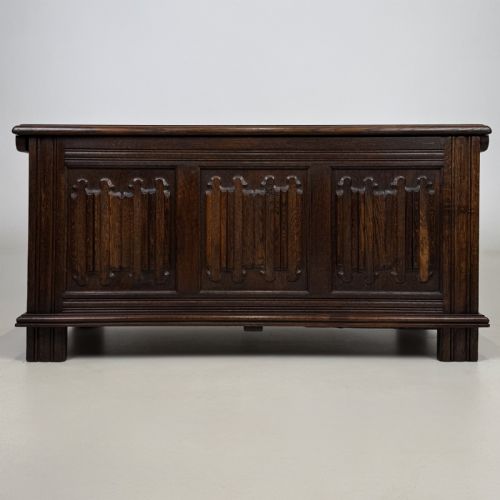
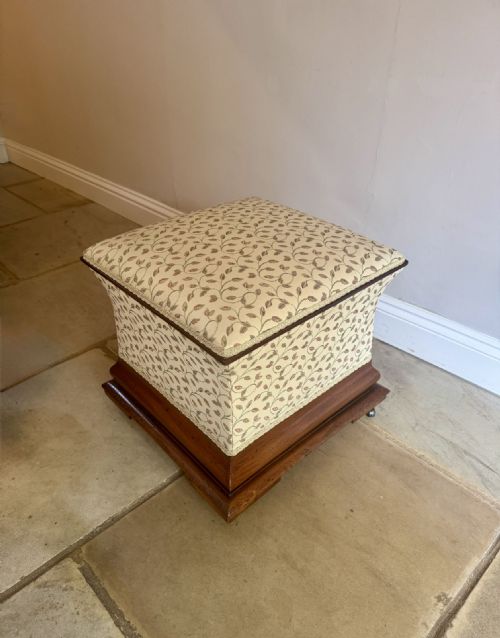
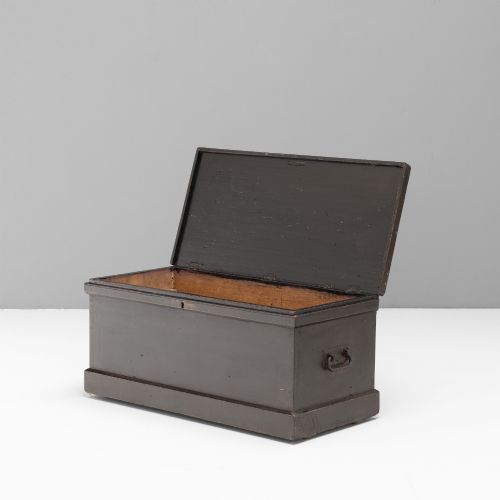
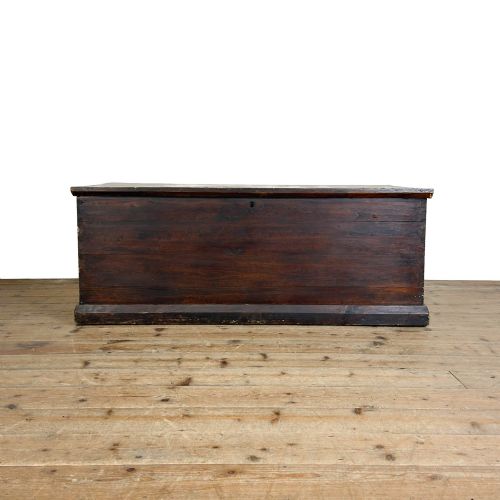
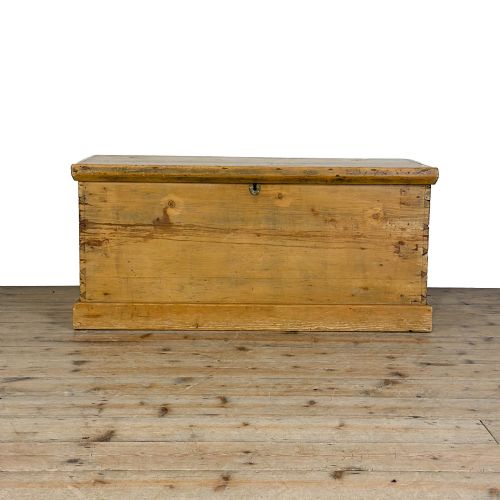
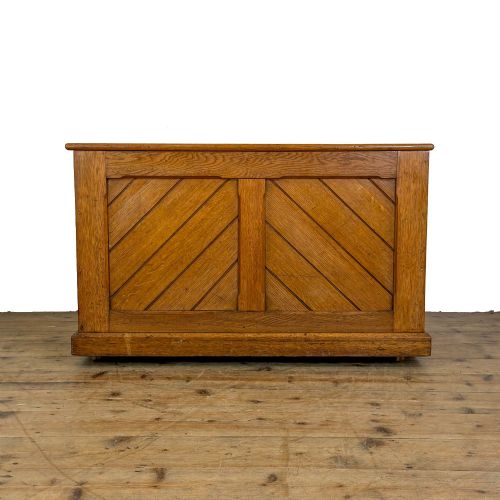
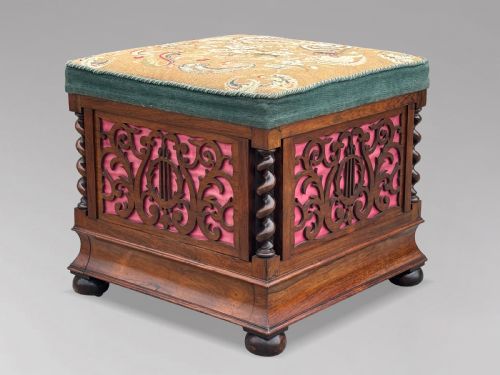
When you search for an ottoman storage box, you encounter a varied selection of nineteenth-century and early twentieth-century seating and storage forms designed to hide household items in plain sight. These pieces range from simple utilitarian pine blanket boxes and country house trunks to more refined mahogany, rosewood, and leather upholstered daybeds and footstools.
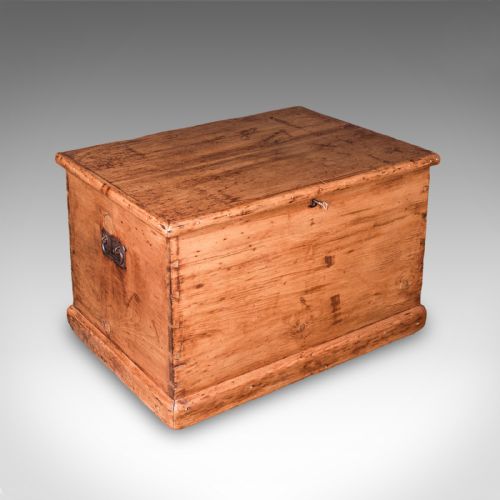
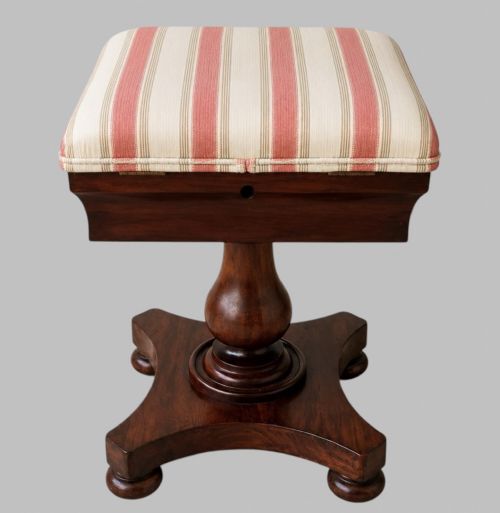
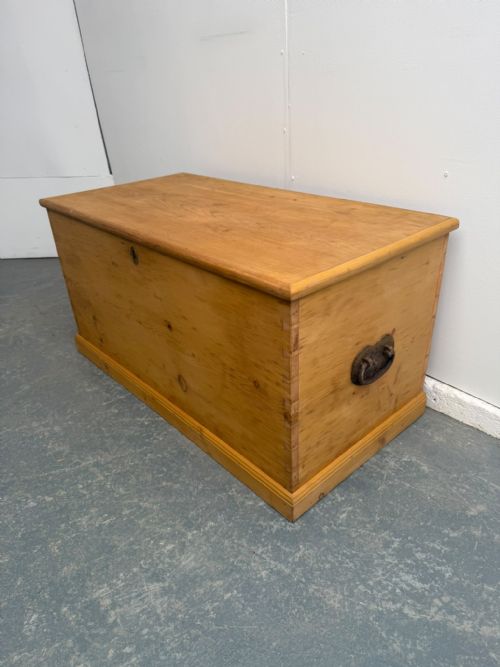
The most common versions met on this page are sturdy Victorian pine storage chests alongside mahogany and rosewood ottomans from the Regency and Victorian periods. Forms span across specialised boxes such as shoe cabinets, sewing box stools, log boxes, and larger country house trunks fitted with hinged seats.
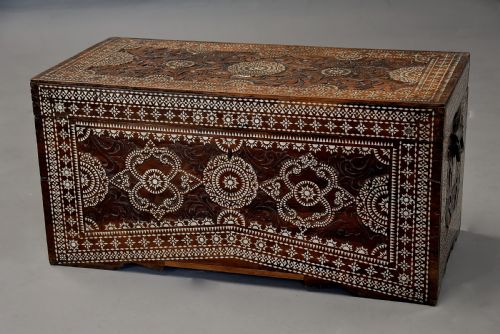
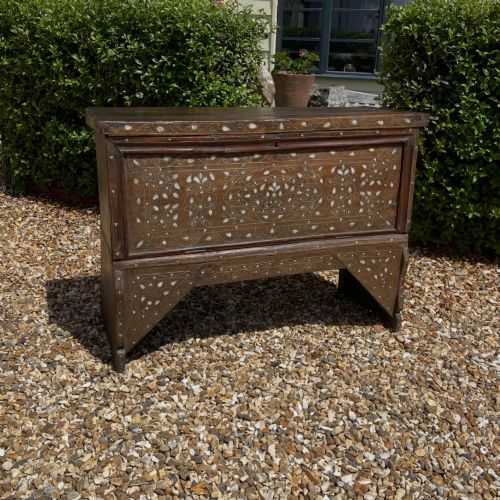
Origins vary from English country house workshops to continental European makers and Middle Eastern artisan traditions. Buyers find regional styles including rustic farmhouse pieces, Gothic revival variants, and inlaid Syrian or Middle Eastern trunks alongside classic Regency designs featuring lion's paw feet.
How they were made
Makers constructed these storage pieces using solid timbers such as pine, mahogany, birch, cherrywood, oak, and rosewood, often pairing structural softwoods with decorative hardwoods. Joinery relied on traditional carpentry methods suitable for heavy domestic use, including sturdy side handles and reinforced corner joints.
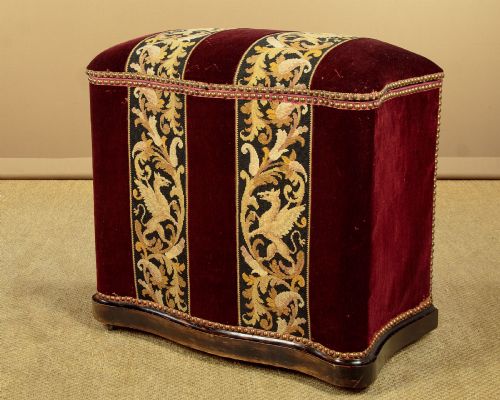
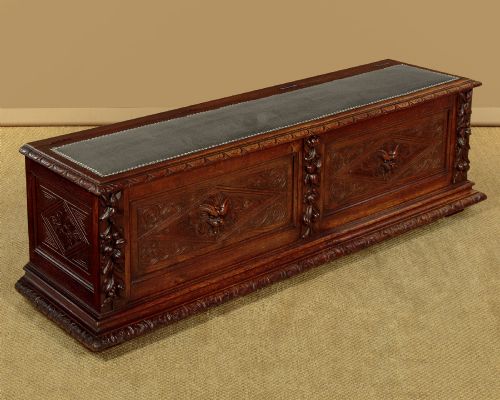
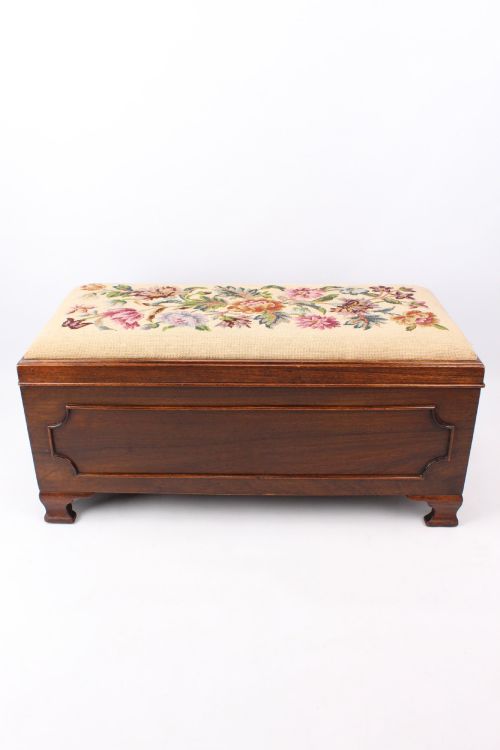
Upholstered versions combined internal wooden frames with supportive padding, finished in leather, fabric, velvet, needlework, or specialised materials like Liberty textiles. Decorative detailing incorporated brass hardware, iron fittings, carved woodwork, and intricate mother of pearl inlay on Middle Eastern pieces.
Ottoman Storage Box Retail Price Guide 2026
Typical asking prices for ottoman storage box among the pieces listed under this phrase on Sellingantiques today, from the lower quarter to the upper quarter. They describe what is for sale here now, not the wider market.
Listings feature pine, mahogany, rosewood, and leather storage forms spanning the Victorian, Regency, and early twentieth-century periods.
What varies in quality
The standard of timber selection and interior construction marks the division between basic utility boxes and high-status pieces. Finely figured mahogany or rosewood, robust dovetail joinery, and retaining original hardware elevate a piece well above plain stained pine variants.
The integrity and execution of the upholstery dictate the refinement of seating ottomans. Original hand-dyed leather, intricate needlework seats, and detailed mother of pearl inlay demonstrate superior workshop craftsmanship compared to plain fabric coverings.
Hallett & Sons·Liberty
The Ottoman Storage Box Glossary
- Mule chest
- A traditional storage chest featuring one or two drawers beneath the main lifting compartment. They bridge the functional gap between a simple blanket box and a chest of drawers.
- Blanket box
- A deep wooden trunk utilised primarily for storing linens, quilts, and blankets. These pieces often feature side carrying handles and simple rectangular proportions.
- Work table
- A small specialised furniture piece incorporating storage compartments for sewing equipment and textiles. Nineteenth-century examples often double as low seating stools.
- Inlay
- A decorative technique where contrasting materials such as mother of pearl or lighter woods are embedded into recesses within a solid timber surface.
Ottoman Storage Box: Frequently Asked Questions
What is an ottoman storage box?
An ottoman storage box is a dual-purpose nineteenth or early twentieth-century furnishing that combines a seated bench or footstool with a concealed internal compartment. These pieces were constructed to store household textiles, blankets, and clothing while providing functional seating.
Designs range from rustic pine country house trunks to elegant mahogany and rosewood upholstered forms featuring hinged lids. They serve today as versatile living room or bedroom storage that keeps everyday clutter out of sight.
How were these boxes used originally?
In period homes, these storage boxes served multiple domestic functions depending on their specific form and room placement. Bedrooms utilised them for holding heavy winter blankets, linens, and personal attire.
Drawing rooms and libraries employed them as comfortable footstools, daybeds, or specialised work tables for sewing and shoe storage. Their robust construction allowed servants and family members to sit upon them while managing household tasks.
Where should I place an ottoman box?
These storage boxes fit naturally at the foot of a bed for spare bedding and pillows. Their low profiles also make them effective coffee table alternatives in a sitting room.
In hallways, they provide a convenient seat for putting on shoes alongside concealed storage for accessories. Selecting the right placement depends on whether the piece functions primarily as a seat or as a hidden storage chest.
How do I date a Victorian ottoman?
Dating a nineteenth-century ottoman involves examining the timber species, upholstery technique, and overall furniture style. Regency and early Victorian pieces often feature dense mahogany or rosewood with classical details like lion's paw feet.
Later Victorian and 1890s examples frequently utilise pine or oak, sometimes displaying rustic farmhouse characteristics or revival styles. Hardware construction and the presence of original fabric or leather also offer chronological clues.