


Ottoman Mother of Pearl Table
An ottoman mother of pearl table brings intricate geometric craft into a room, offering functional surfaces that double as decorative focal points.
Ottoman Mother of Pearl Table
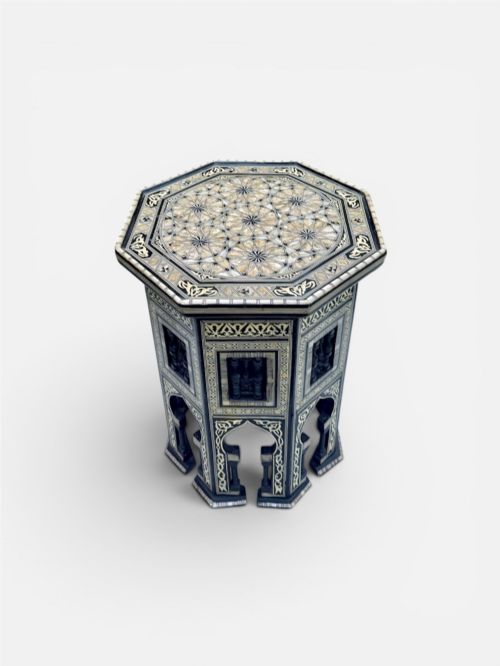
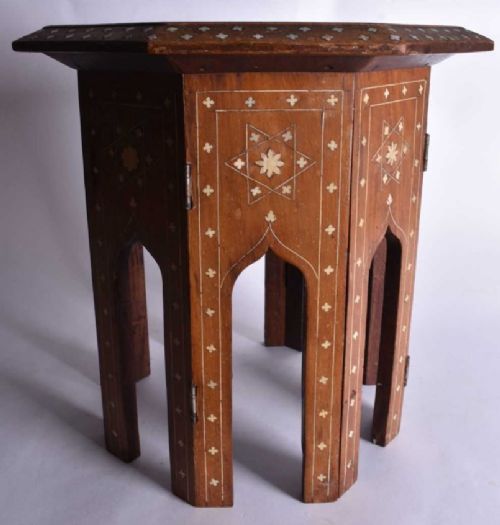
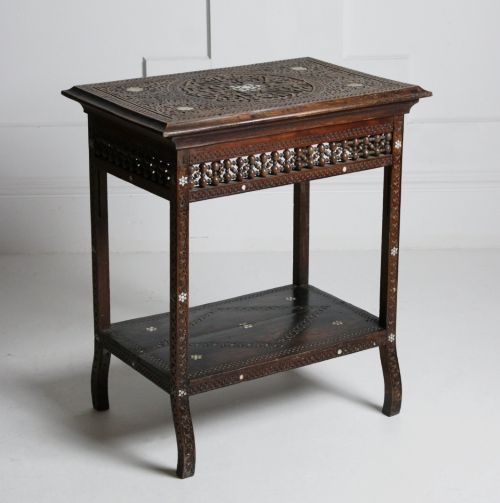
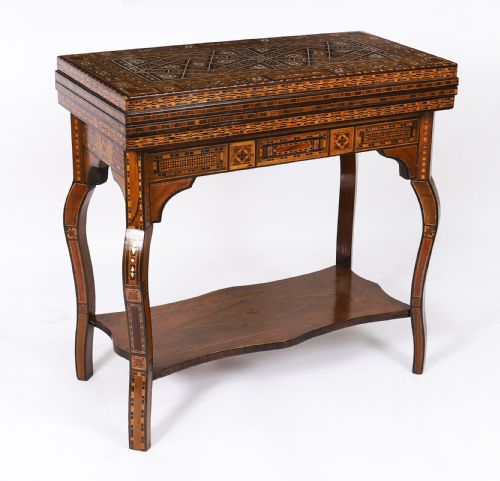
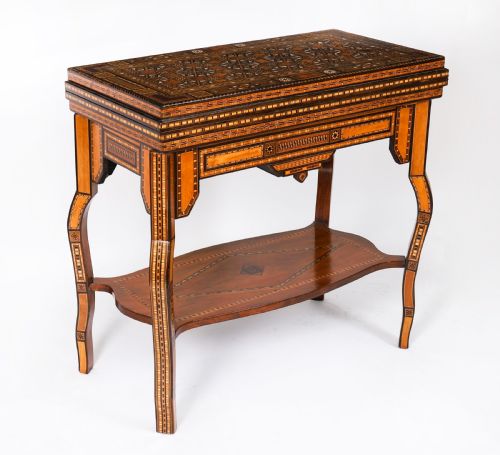
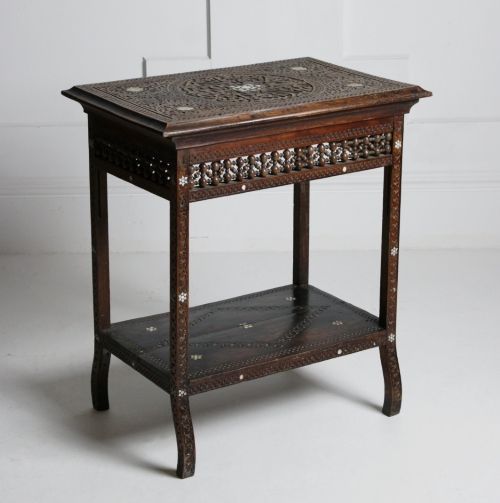
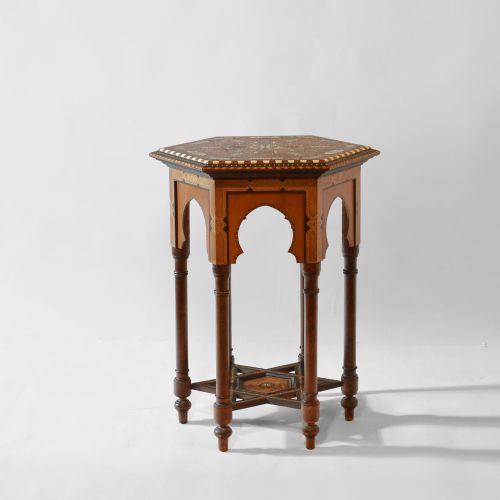
An ottoman mother of pearl table encompasses a range of intricate occasional furniture pieces originating from the Middle East during the nineteenth and early twentieth centuries. These works frequently manifest as octagonal or hexagonal side tables designed to serve as striking centrepieces in domestic spaces. Alongside standard occasional tables, the selection includes multifaceted games tables intended for chess and backgammon, as well as occasional writing desks.
The aesthetic bridges several related design movements including Moorish Revival, Syrian, Levantine, and Ottoman styles. Many examples utilise folding bases or tiered structures, demonstrating a high degree of portability alongside elaborate surface decoration. Buyers encounter these forms spanning the late nineteenth century through to the early decades of the twentieth century, each displaying regional decorative idioms.
Assessing craftsmanship
The distinction between standard and exceptional pieces rests upon the density and precision of the geometric inlay work across the wooden body. Superior examples feature tightly interlocking tesserae with minimal filler material, demonstrating extraordinary patience and skill by the original artisan.
Structural integrity also separates the grades, where well-preserved joinery in the folding mechanisms or tiered supports ensures enduring stability. The choice of primary timber, from plain hardwoods to rich walnut and figured fruitwoods, further defines the hierarchical tier of each piece.
Several folding tables conceal elaborate multi-game boards for chess and backgammon beneath their removable octagonal lids.
Liberty & Co
The Ottoman Mother of Pearl Table Glossary
- Mother-of-pearl
- The iridescent inner layer of mollusc shell used for intricate geometric inlay on furniture surfaces. This material reflects light in shifting tones of silver, pink, and green.
- Moorish Revival
- A nineteenth-century architectural and decorative style incorporating traditional Islamic design motifs such as horseshoe arches and geometric latticework. This aesthetic heavily influenced Levantine and Syrian furniture makers.
- Tessera
- An individual small block of stone, glass, bone, or shell used in the creation of a mosaic pattern. Craftsmen shape these pieces meticulously to fit complex multi-pointed star designs.
- Octagonal
- Having eight sides and eight angles, forming the characteristic geometric footprint for many traditional occasional tables. This shape allows complex repeating border patterns around the perimeter.
Ottoman Mother of Pearl Table: Frequently Asked Questions
How do I clean an inlaid table?
Dust the surface regularly with a soft, dry lint-free cloth to prevent particles from settling in the recessed joints.
Avoid using harsh chemical polishes or excessive moisture, which can loosen the delicate mother of pearl and bone tesserae from the timber base.
Are these tables sturdy enough for daily use?
Most pieces function well as occasional surfaces for holding light objects such as books or small lamps.
Folding versions require careful handling when moving to prevent strain on the intricate wooden hinges and joints.
What is a Damascus table?
A Damascus table refers to intricate occasional furniture produced in the Syrian capital, renowned for elaborate mother of pearl and bone inlay.
These pieces often feature geometric hexagonal or octagonal tops reflecting classical Middle Eastern design traditions.
How do I date an inlaid table?
Dating relies on examining the timber species, the style of geometric motifs, and the construction methods used in the frame.
Nineteenth-century examples frequently show hand-cut variations in the inlay, whereas later twentieth-century pieces can display more uniform mechanical precision.