




Ornate Wooden Vanity
These ornate wooden vanity pieces bring carved detail and rich surface finish to dressing spaces, offering a functional focal point with historic charm.
Ornate Wooden Vanity
When searching for an ornate wooden vanity, buyers encounter a diverse selection of decorative items including wall mirrors, table mirrors, sewing cases, workboxes, and stools. The pieces span periods from eighteen hundred through nineteen twenty, drawing on historical aesthetics such as Italian Florentine, Renaissance Revival, Italian Baroque, Gothic Revival, French Louis XVI style, Carolean Revival, and Victorian designs.
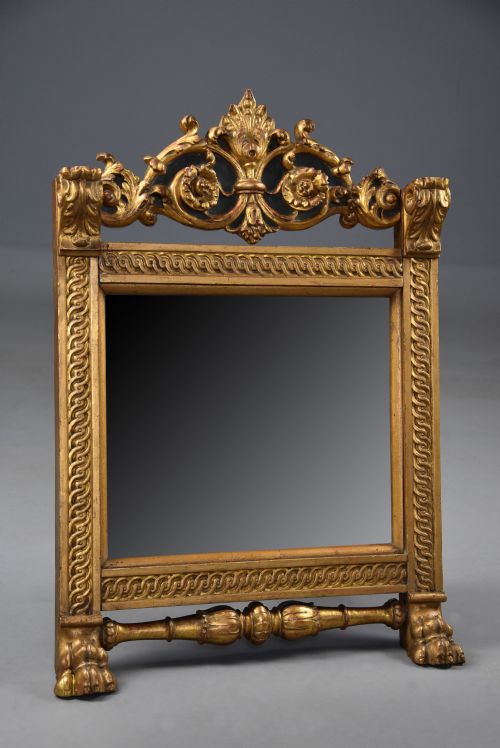
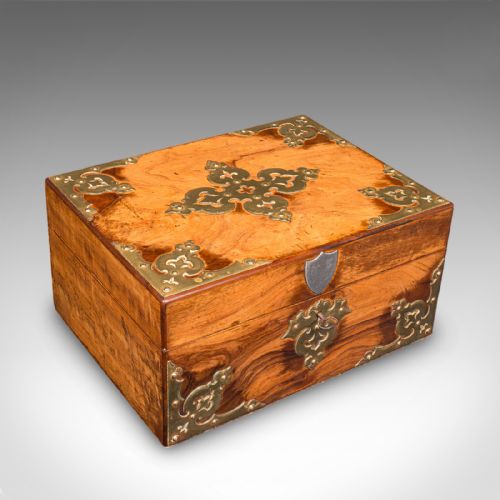
The most frequent examples appearing in this category are mirrors designed for walls or table use, heavily shaped and detailed with period motifs. Alongside mirrors, buyers find specialised wooden storage like marquetry inlaid boxes and carved wooden stools finished with giltwood or paint.
Origins and stylistic influences lean towards European traditions, particularly Italian and French decorative arts alongside British Victorian interpretations. Each piece utilises solid timbers or applied ornament to achieve the elaborate visual presence defining the search.
Materials and construction methods
Makers utilised select timbers including walnut, oak, and rosewood as the structural foundation for carved decoration, marquetry inlay, and brass hardware. These woods provided the durable base necessary for intricate shaping and detailed hand work.
Surface elaboration relied heavily on gesso applied over wood, then finished with gold leaf, giltwood, or paint to achieve rich metallic and polychrome effects. Glass elements were incorporated securely into frames for mirrors, while specialised boxes integrated brass hinges and locks alongside fitted internal compartments.
Ornate Wooden Vanity Retail Price Guide 2026
Typical asking prices for ornate wooden vanity among the pieces listed under this phrase on Sellingantiques today, from the lower quarter to the upper quarter. They describe what is for sale here now, not the wider market.
Listings feature items spanning the nineteenth century to nineteen twenty, including walnut, brass, glass, and carved giltwood.
Distinctions in craftsmanship and finish
The refinement of the carving separates standard production from superior examples, with depth, crispness, and hand-tooled execution dictating the visual success of motifs like scrolls, floral elements, and architectural revivals. Finer execution shows in the clean relief of carved wood and the precise application of gesso prior to gilding.
The treatment of surfaces also creates distinction, particularly in the preservation of original gold leaf, giltwood, or painted polychrome layers. Marquetry inlaid boxes demonstrate quality through tight joints and varied timber tones, while structural integrity across frames and stools ensures lasting stability.
The Ornate Wooden Vanity Glossary
- Giltwood
- Wood that has been coated with gold leaf or gold paint to create a luminous metallic surface. This finish is frequently found on mirrors and decorative frames from Baroque and Florentine traditions.
- Gesso
- A plaster-like mixture applied to wood surfaces to provide a smooth base for carving or gilding. It allows for intricate raised details before the application of gold leaf or paint.
- Marquetry
- The art of applying small pieces of veneer to a structure to form decorative patterns or pictures. This technique often employs contrasting timbers like rosewood to create pictorial designs on boxes.
- Reliquary
- A container for holy relics, sometimes inspiring mirror designs featuring sacred motifs such as flaming hearts. These pieces draw on religious iconography and ornate framing.
- Carolean
- A style of seventeenth-century English design revived in later periods, characterised by rich carving and sturdy proportions. It appears in oak wall mirrors and seating from the collection.
Ornate Wooden Vanity: Frequently Asked Questions
What periods do these pieces represent?
The selection spans the nineteenth century up to nineteen twenty, incorporating specific dates such as eighteen hundred, eighteen eighty, and nineteen twenty alongside general Victorian production.
Design revivals heavily influence the dates, drawing on earlier Renaissance, Baroque, and Louis XVI aesthetics executed in later decades.
How do I identify different styles?
Styles range from Italian Florentine and Baroque mirror frames to Gothic Revival woodwork and French Rococo painted surfaces. Look at the specific motif vocabulary, such as scrolls for Baroque or architectural tracery for Gothic pieces.
Regional influences also help, distinguishing French painted work from Italian giltwood and British walnut sewing cases.
What materials are most common?
Carved wood, giltwood, gesso, and glass form the primary material combination for mirrors and decorative items. Walnut, oak, and rosewood provide the wooden base for boxes and stools.
Applied brass hardware and gold leaf finish many of the surfaces, adding metallic contrast to the timber foundations.
How should I care for gilded wood?
Keep gilded and gessoed wooden surfaces away from direct sunlight and moisture to protect the delicate gold leaf and underlying preparation layers. Dust gently with a dry, soft cloth without applying liquid cleaners.
Stable indoor humidity prevents the wood from moving, which helps preserve the fragile gesso and carved details over time.
Are these items purely decorative?
While highly decorative, many pieces serve practical functions such as wall and table mirrors for grooming, or workboxes and sewing cases for storage. Stools provide functional seating designed to match vanity arrangements.
Combining utility with artistic carving made them central fixtures in historical dressing rooms and parlours.