

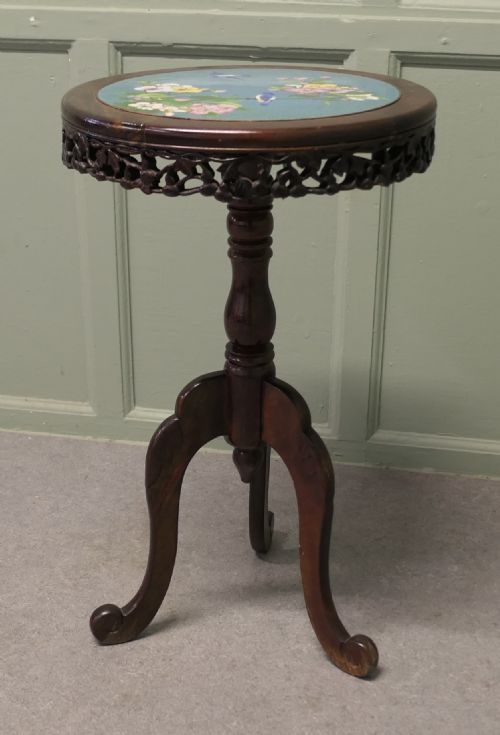


Ornate Wooden Table
An ornate wooden table brings heavy carved detail and rich grain into a room, offering both a surface and a focal point.
Ornate Wooden Table
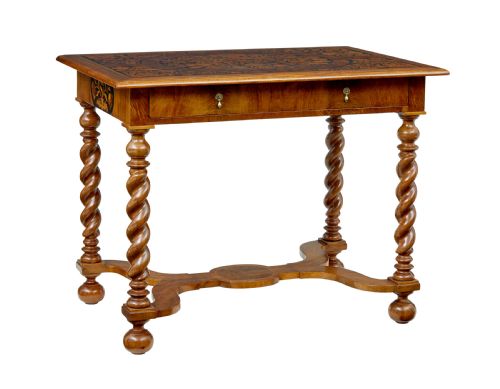
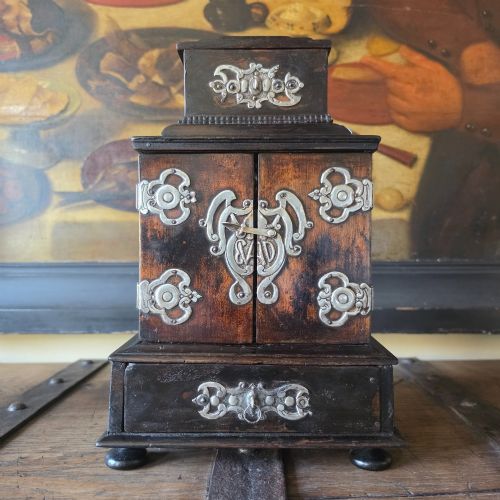
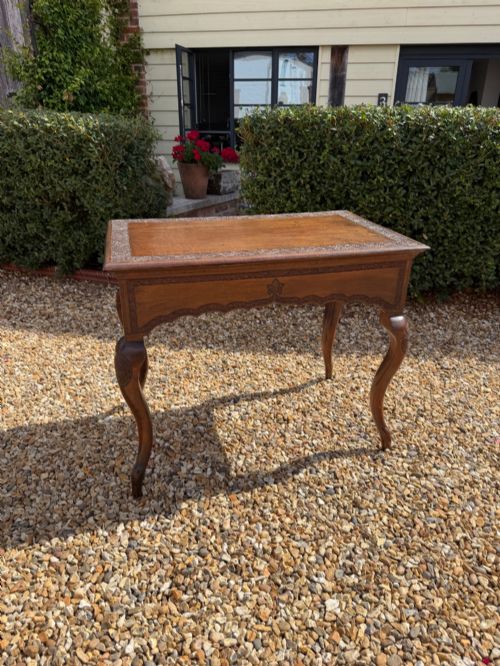
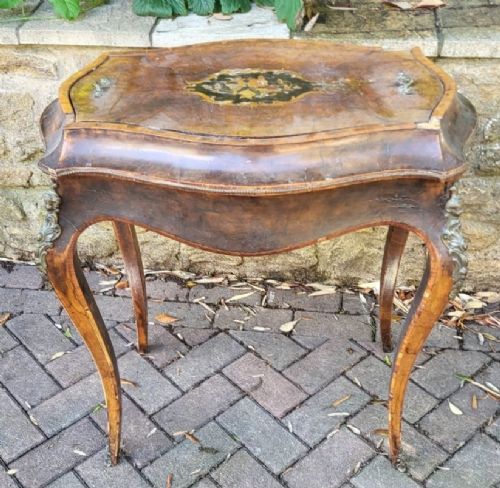
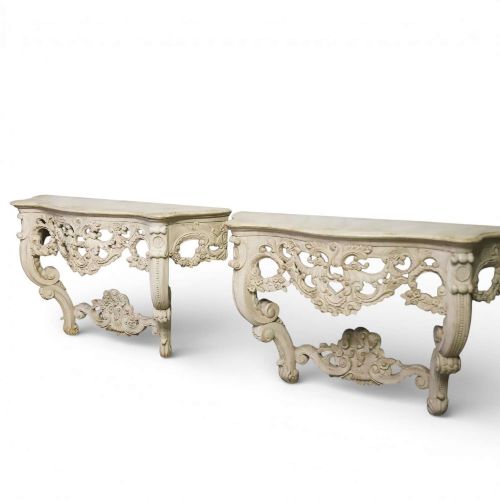
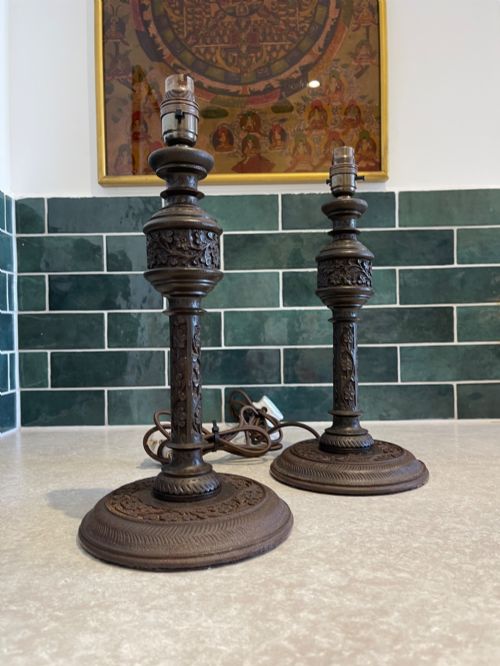
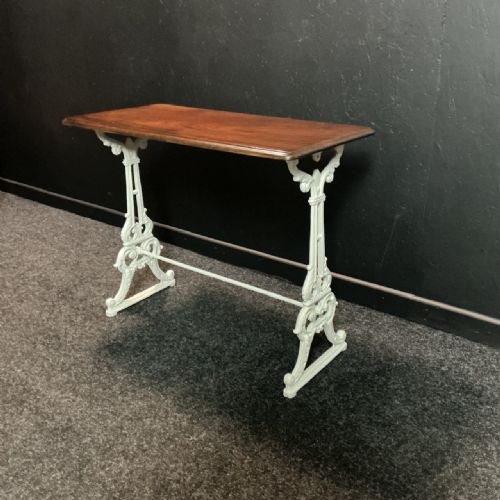
An ornate wooden table covers a range of heavily carved and inlaid forms, spanning console tables, side tables, coffee tables, and occasional tables. These items emerge from various periods including the 18th century, 19th century, and early 20th century.
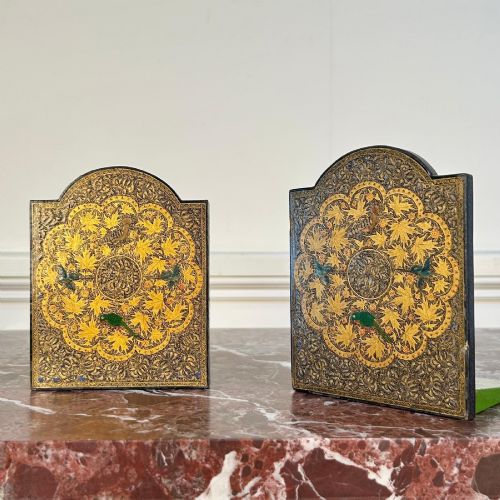
The selection includes regional interpretations such as Anglo-Indian, Kashmiri, and Venetian pieces, alongside European styles like French Rococo, Italian Baroque, and Victorian designs. Console tables and side tables appear frequently among the current options.
Makers utilised timber alongside decorative finishes to create functional surfaces that double as sculptural objects. Buyers encounter everything from small occasional items to larger dining tables.
Materials and construction
Makers built these tables using hardwoods such as walnut, rosewood, teak, padauk, and mahogany, often selecting figured grain and burr walnut for visual depth. Marquetry, inlay, and hand carving define the decorative surface work across many examples.
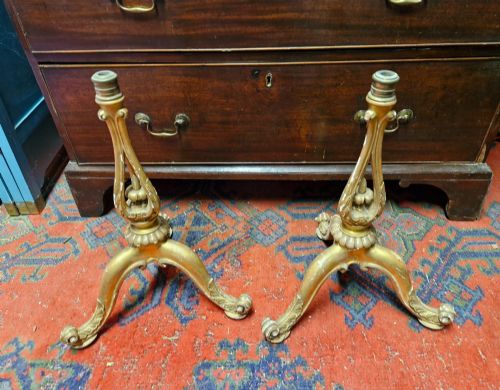
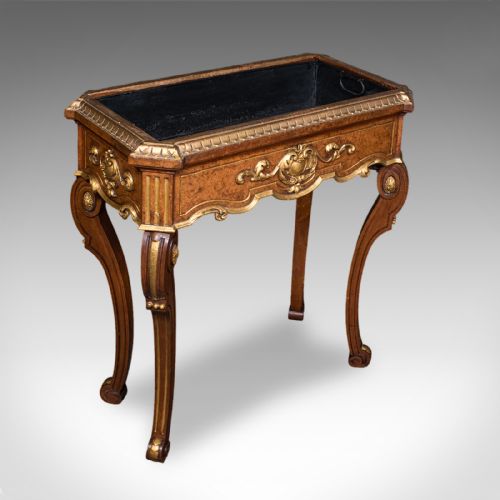
Giltwood, brass, and ormolu mounts supplement the timber structures on specific continental and revival pieces. Carvers worked directly into the solid wood to create the scrollwork, figures, and floral motifs seen on the items.
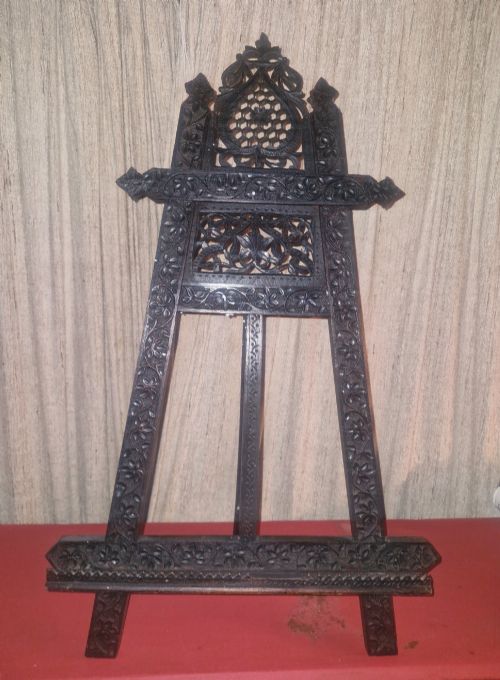
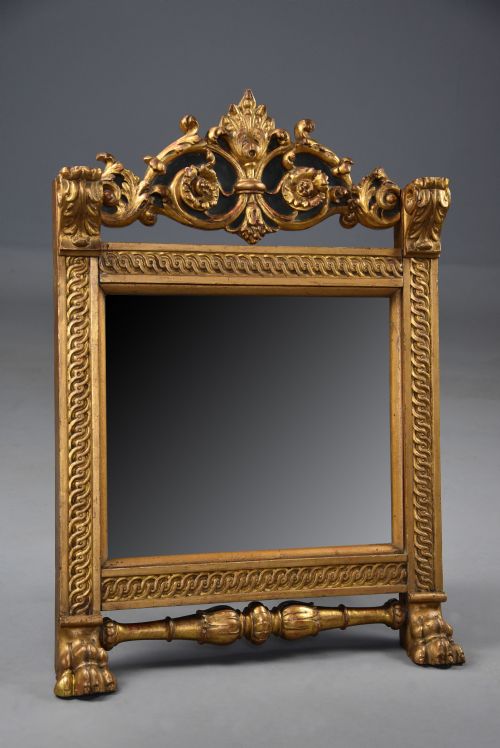
Regional styles represented include Anglo-Indian, Kashmiri, Venetian, and French Rococo, covering object forms from console tables to picture display easels.
What separates the best from the rest
Quality rests in the crispness and depth of the hand carving, where sharper chisel work and undercut details separate superior examples from softer, shallower execution. The choice of timber also dictates the grade, with well-matched burr walnut veneers or dense rosewood elevating a piece.
Integration of decorative elements such as inlaid marquetry and gilt mounts reveals the maker's hand, where precise fitting and harmonious composition matter more than mere quantity of ornament.
The Ornate Wooden Table Glossary
- Marquetry
- The art of forming decorative patterns on a wooden surface by fitting together small pieces of veneer. This technique frequently employs contrasting timbers to create complex pictures or geometric designs.
- Ormolu
- Gilded bronze mounts applied to furniture and decorative objects during the 18th and 19th centuries. The process involves coating metal in a mercury and gold amalgam.
- Console table
- A table designed to stand against a wall, traditionally supported by wall brackets or console legs. These pieces often feature elaborate carving along the front apron.
- Giltwood
- Wood that has been coated with a thin layer of gold leaf or gold paint. This finish appears frequently on frames and decorative furniture from baroque and revival periods.
- Padauk
- A heavy tropical hardwood known for its deep reddish-brown colour and durability. Makers utilised this material in Anglo-Indian and colonial furniture production.
Ornate Wooden Table: Frequently Asked Questions
Where should I place an ornate wooden table?
These tables suit hallways, living rooms, and drawing rooms where their detailed carving and rich timber grain can serve as a focal point. Console versions anchor well against plain walls beneath mirrors or artwork.
Smaller occasional and side tables fit beside seating areas or in corners, providing a functional surface that adds textural contrast to modern interiors.
How do I care for antique wood furniture?
Protect wooden surfaces from direct sunlight and extreme temperature fluctuations to prevent timber from splitting or veneers from lifting. Regular dusting with a soft, dry cloth maintains the finish without chemical buildup.
Apply natural wax polish sparingly only when the wood appears dry, buffing gently to preserve the historic sheen of the timber.
What is the difference between console and side tables?
Console tables are specifically designed to stand against a wall and frequently require fixing or secure placement due to their architectural form. They often feature decoration concentrated on the front and sides.
Side tables stand independently on four or more legs and offer finished detailing on all sides, allowing them to sit away from walls within an open room.
How do I identify a revival style piece?
Revival pieces borrow decorative vocabulary from earlier periods, such as the 17th-century Baroque or 18th-century Rococo, but were manufactured later in the 19th or early 20th century. Examine the construction methods, tool marks, and secondary woods to determine the actual date of assembly.
Stylistic cues like heavy giltwood, exaggerated curves, and eclectic mixes of motifs often point towards Victorian or later continental interpretations.