



Ornate Wooden Chest
An ornate wooden chest brings texture and history to a room, offering practical storage disguised in rich timber and metalwork.
Ornate Wooden Chest
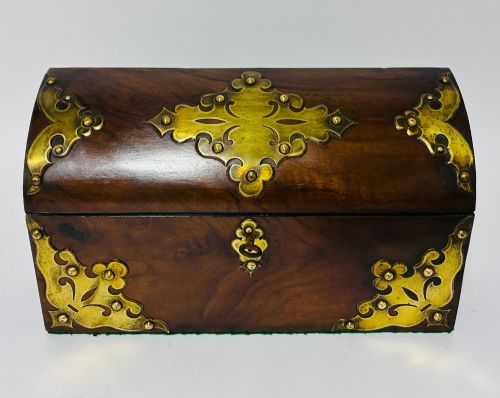
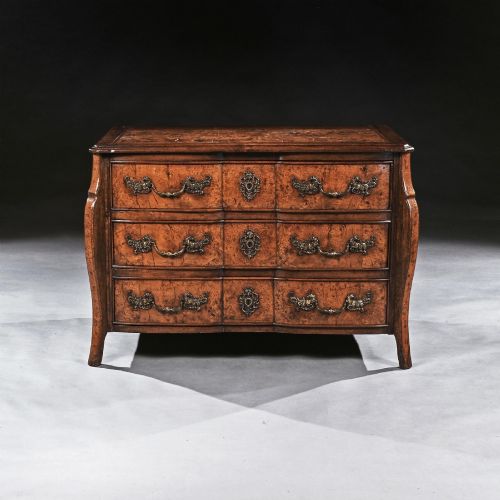
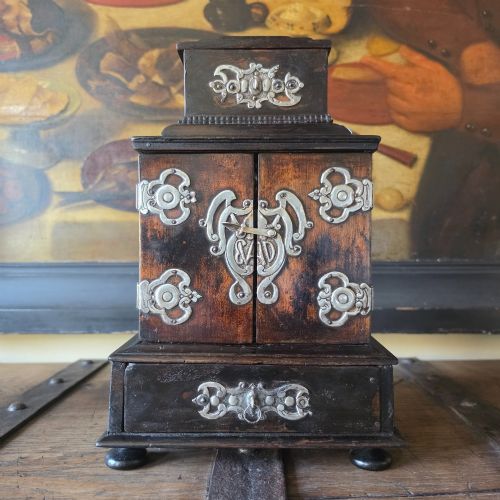
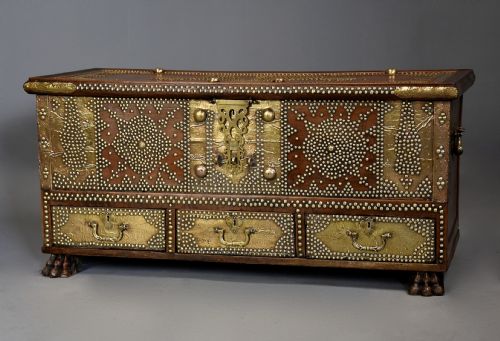
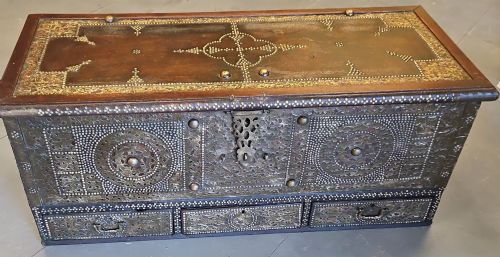
When you search for an ornate wooden chest, you encounter a varied group of containers spanning centuries, from modest tabletop boxes to large floor-standing commodes. The pieces range from seventeenth-century Italian cassones and eighteenth-century commodes to nineteenth-century Zanzibar traders chests and smaller items like tea caddies and jewellery boxes.
Origins stretch across Britain, continental Europe, and international trade routes, reflecting diverse regional styles such as Anglo-Indian, Iberian Baroque, and Louis XV Provincial. Buyers frequently find walnut, hardwood, and rosewood constructions dominating the selection.
How they were made
Construction relies on solid timbers like walnut, oak, teak, and various exotic hardwoods, often paired with veneers and burr figures to create surface pattern. Makers employed traditional joinery techniques suited to the scale of the object, whether building a large domed coffer or a compact jewellery cabinet.
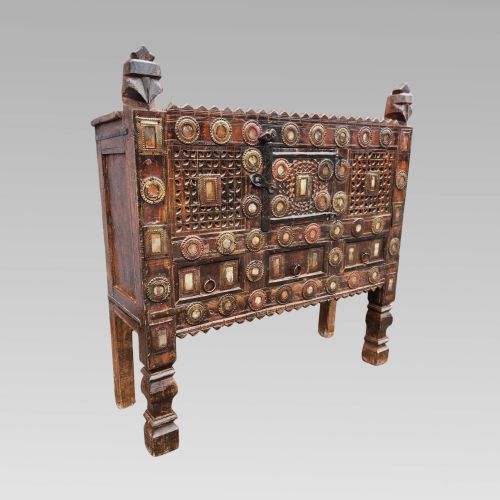
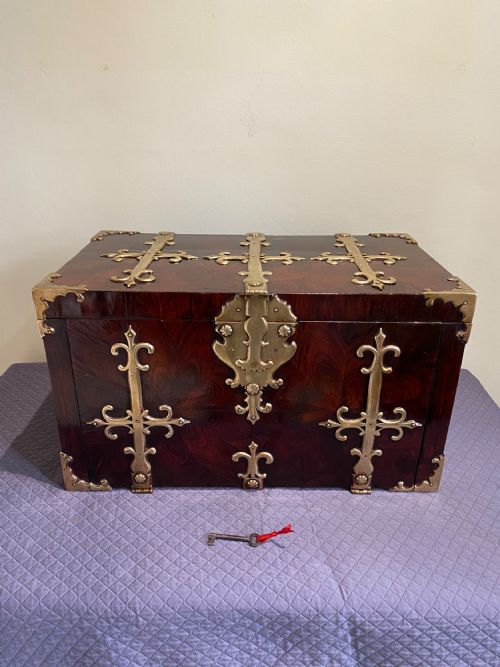
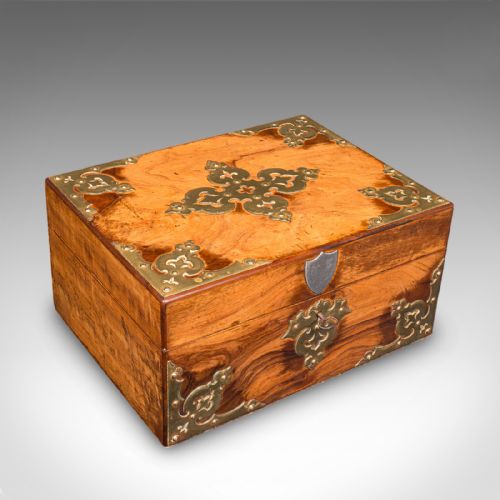
Decoration defines this group, executed through brass mounting, studwork, and inlay, alongside intricate carving in wood. Metal fittings such as iron and brass serve both a structural purpose and a decorative function, securing corners and hinges while adding visual contrast to the dark timber.
Ornate Wooden Chest Retail Price Guide 2026
Typical asking prices for ornate wooden chest among the pieces listed under this phrase on Sellingantiques today, from the lower quarter to the upper quarter. They describe what is for sale here now, not the wider market.
Listings span multiple centuries, incorporating seventeenth-century coffers, eighteenth-century commodes, and numerous nineteenth-century brass-mounted boxes.
What varies in quality
Quality rests in the precision of the joinery and the selection of timber, where burr walnut, kingwood, or figured coromandel elevate the visual impact of the piece. The crispness of the hand-carving and the integration of brass mounts or inlay dictate the refinement of the work.
Proportion and the integrity of the original hardware also separate standard utilitarian items from exceptional decorative examples. Pieces that retain their original keys, internal fittings, and undisturbed surface patination command greater interest from collectors.
The Ornate Wooden Chest Glossary
- Cassone
- A traditional Italian large chest, often richly carved, painted, or gilt, historically used for storing household valuables or dowry items.
- Commode
- A decorative chest of drawers or cabinet on legs, originating in France during the seventeenth century and widely adopted across Europe.
- Tea Caddy
- A small box designed to store loose tea leaves, frequently fitted with internal compartments and a lock.
- Marquetry
- The art of applying pieces of veneer to a structure to form decorative patterns, pictures, or designs.
- Brass Bound
- Furniture or boxes reinforced at the corners and edges with brass strips and corner pieces to protect against travel wear.
Ornate Wooden Chest: Frequently Asked Questions
How do I date an antique wooden chest?
Dating relies on examining the timber species, construction methods, and hardware styles. Earlier pieces from the seventeenth and eighteenth centuries often show hand-cut joinery and native woods like oak or walnut, while nineteenth-century items introduce exotic hardwoods and machine-assisted elements.
Secondary woods inside drawers or at the back of a piece provide further clues to the period of manufacture. Regional decorative motifs and tool marks help narrow the timeline for pieces originating outside Britain.
What were small wooden caskets used for?
Small caskets and boxes served to store high-value personal possessions, including jewellery, documents, spices, and tea. Tabletop cabinets and workboxes kept sewing tools or writing implements organised in domestic settings.
Traders chests and larger caskets often accompanied merchants on sea voyages to secure currency and trade goods. Their portable nature made them practical items for travel as well as stationary display in a home.
How do I place an ornate chest in a modern interior?
An ornate wooden chest functions effectively as a focal point in a hallway, living room, or bedroom. Larger commodes and trunks provide functional surface space and enclosed storage, while smaller boxes sit neatly on side tables or desks.
Contrasting the rich grain and metalwork of historical timber against neutral walls and contemporary furniture highlights the craftsmanship. These pieces bridge decorative art and everyday storage.
How do I distinguish regional styles?
Regional styles appear through distinct combinations of timber, carving techniques, and hardware. Anglo-Indian and Middle Eastern pieces often incorporate dense carving, brass studwork, and exotic woods like teak or sandalwood.
European works tend to follow classical furniture traditions, utilising walnut, oak, or fruitwoods with marquetry, gilding, or regional carving styles like Iberian Baroque or Louis XV Provincial. Examining these specific traits clarifies the geographic origin.