

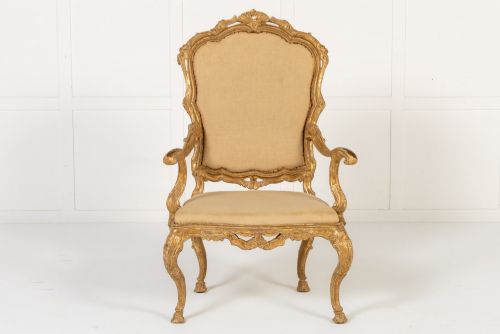


Ornate Wooden Chairs
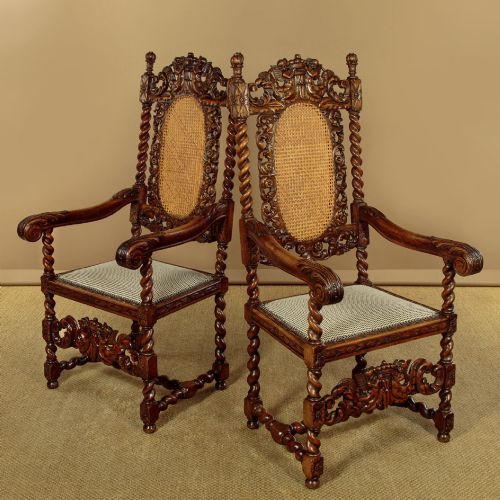
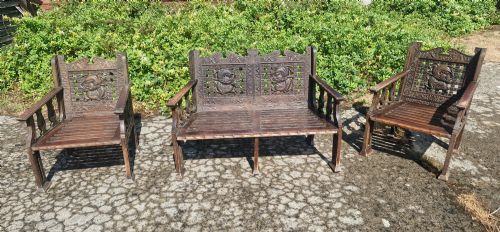
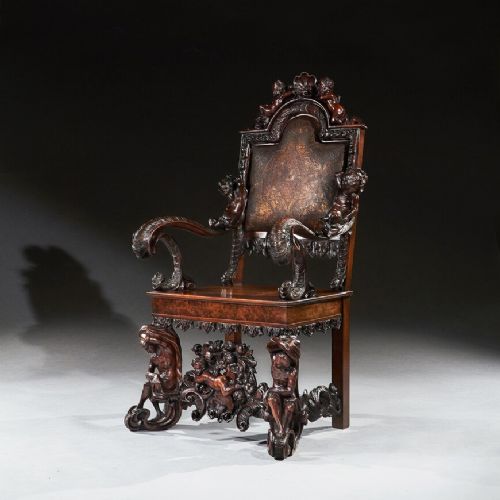
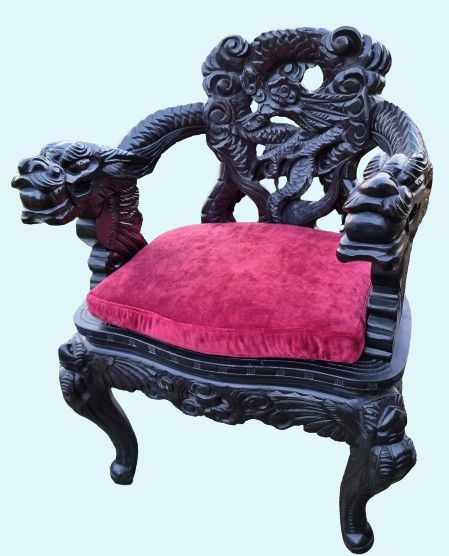
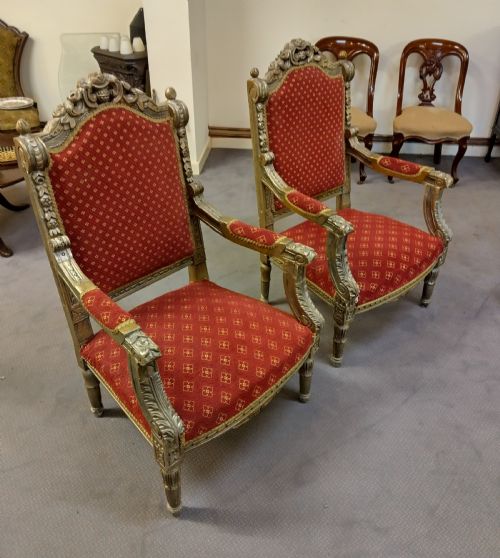
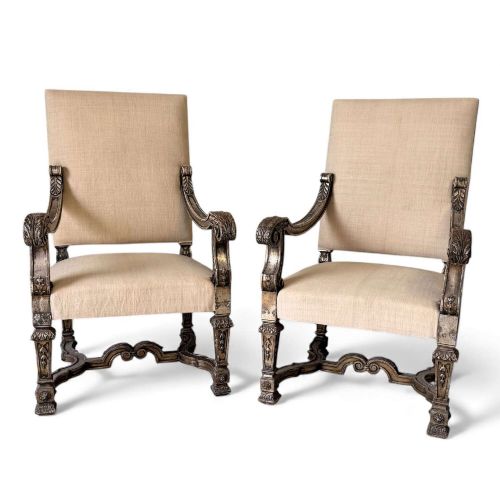
These ornate wooden chairs bring together intricate hand-carved detailing and heavy timber frames to anchor a room with distinct historical character.
Ornate Wooden Chairs
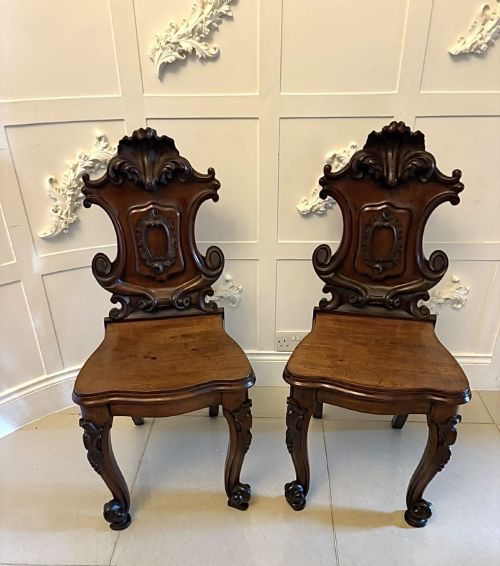
Ornate wooden chairs encompass heavily carved seating from the nineteenth century onward, including Victorian hall chairs, robust oak armchairs, and intricately detailed regional pieces. Buyers looking for ornate wooden chairs encounter a rich variety of revivalist styles and global craftsmanship spanning European and international workshops.
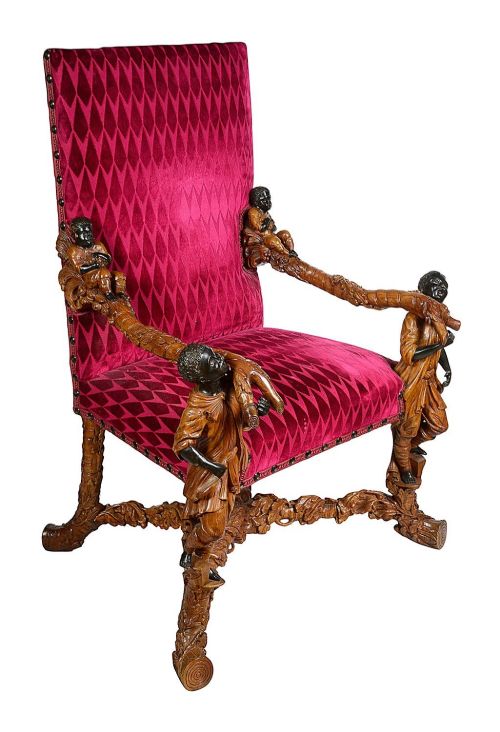
The selections on this page lean heavily into nineteenth-century production, featuring walnut and oak frames alongside exotic hardwoods, giltwood finishes, and substantial decorative carving. Forms range from rigid hall chairs and side chairs to grand throne armchairs, salon seating, and conservatory suites.
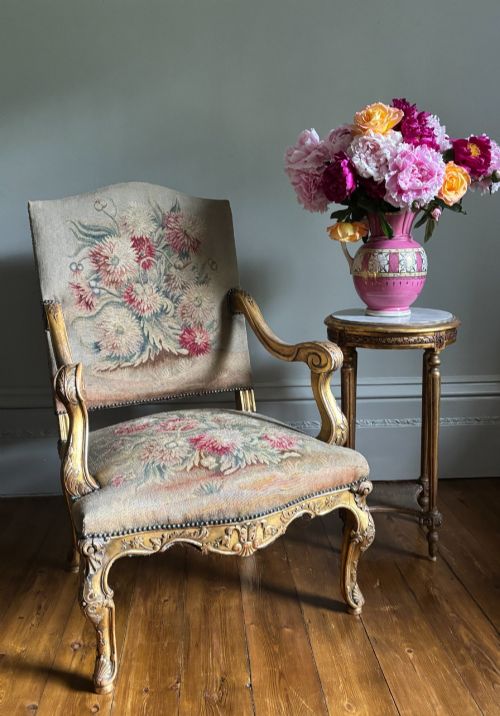
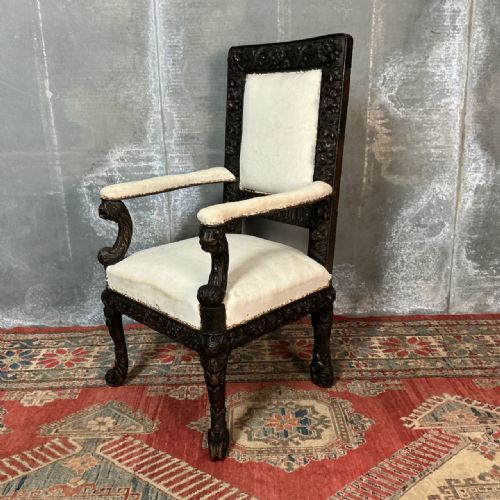
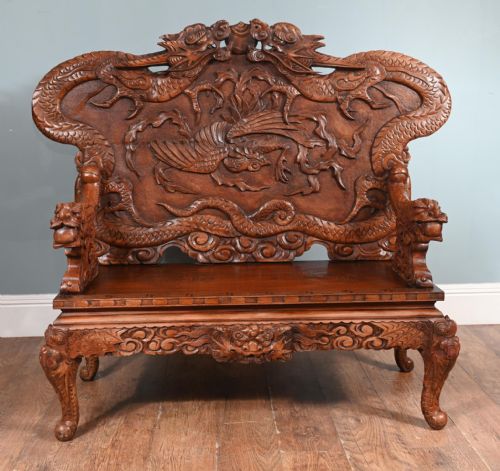
Regional and stylistic diversity defines the category, incorporating Italian Renaissance revivals, French giltwood designs, Anglo-Indian carvings, and Chinese export pieces. This mix provides buyers with options varying from domestic Victorian parlour seating to striking conversation pieces from distant trade routes.
How they were made
Cabinetmakers and carvers utilised dense timbers such as walnut, oak, mahogany, and teak to support deep, elaborate relief work without compromising structural integrity. Giltwood and painted finishes frequently coated these frames, while supplementary details incorporated bone inlay, brass elements, fabric upholstery, and velvet textiles.
Manual carving remained the primary method for generating the dense foliage, animal motifs, and figurative scenes seen across the pieces. Joinery relied on traditional pinned mortise and tenon construction, allowing heavy timber frames to bear the weight of elaborate crest rails and solid carved seats.
Ornate Wooden Chairs Retail Price Guide 2026
Typical asking prices for ornate wooden chairs among the pieces listed under this phrase on Sellingantiques today, from the lower quarter to the upper quarter. They describe what is for sale here now, not the wider market.
What varies in quality
The depth, crispness, and artistic ambition of the hand-carving separate standard production items from exceptional exhibition pieces. Crisp undercut foliage and expressive figures demonstrate superior sculptural skill compared to shallow, mechanical stamping.
Selection of timber grain and the integrity of the original construction dictate longevity, as heavier carved crests place significant strain on underlying joints. Surviving original surface treatments, whether gilt finish, polish, or polychrome paint, retain more integrity when the timber beneath remains stable.
The Ornate Wooden Chairs Glossary
- Giltwood
- Timber coated with a thin layer of gold leaf over a prepared gesso ground. This finish appears frequently on formal revivalist armchairs designed for grand reception rooms.
- Sgabello
- A light, portable wooden chair originating in the Italian Renaissance, typically featuring a high carved back and solid trestle supports instead of legs. These pieces often display intricate armorial carvings.
- Savonarola chair
- A folding chair constructed from multiple intersecting curved wooden slats, creating a rhythmic X-shaped profile. Originating in Italy, these seats frequently incorporate carved wooden backs and armrests.
- Marquetry
- The art of applying small pieces of veneer to a structure to form decorative patterns and pictures. This technique appears on nineteenth-century walnut chair backs and seats.
- Cinnabar lacquer
- Layers of red lacquer applied to a wooden core and carved while semi-set to reveal low-relief patterns. This technique surfaces on specific Asian export pieces in the collection.
Ornate Wooden Chairs: Frequently Asked Questions
How do I identify a Victorian hall chair?
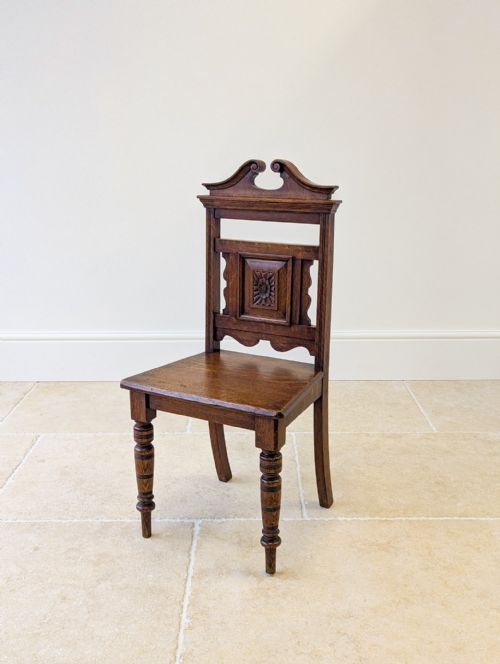
Victorian hall chairs typically feature solid wooden seats and tall, carved backs designed for placement in entrance hallways rather than prolonged sitting. They often incorporate regional motifs, heraldic crests, or architectural woodwork.
These chairs utilised robust timbers like oak and mahogany to endure heavy daily use while making a strong visual statement to visitors entering the home.
Where were carved Anglo-Indian chairs made?
Anglo-Indian chairs were produced in workshops across the Indian subcontinent during the nineteenth century, specifically tailored for British colonial export or domestic use. They combine traditional local carving techniques with European furniture forms.
Craftsmen utilised dense regional hardwoods like teak, creating densely populated motifs featuring foliage, peacocks, and figurative scenes across the entire timber frame.
How should I care for a giltwood armchair?
Giltwood requires careful placement away from direct sunlight, high humidity, and heat sources to prevent the underlying gesso and gold leaf from cracking or flaking. Dusting should occur gently with a dry, soft brush rather than a cloth that might catch on raised edges.
Avoiding moisture and harsh cleaning products preserves the delicate metallic surface and the integrity of the carved timber beneath.
What is a Black Forest manner chair?
Black Forest manner chairs are nineteenth-century wooden seats defined by naturalistic, deeply carved animal and botanical motifs, such as bears, foliage, and woodland branches. Originating from European carving traditions, these pieces transform structural timber into figurative sculpture.
The carving usually forms the backrest or supports, depicting dynamic scenes like dancing bears with high attention to anatomical detail.