




Ornate Wooden Box
An ornate wooden box offers decorative storage across periods from the seventeenth century through the twentieth.
Ornate Wooden Box
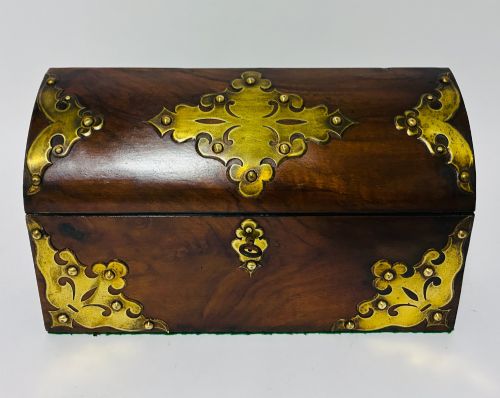
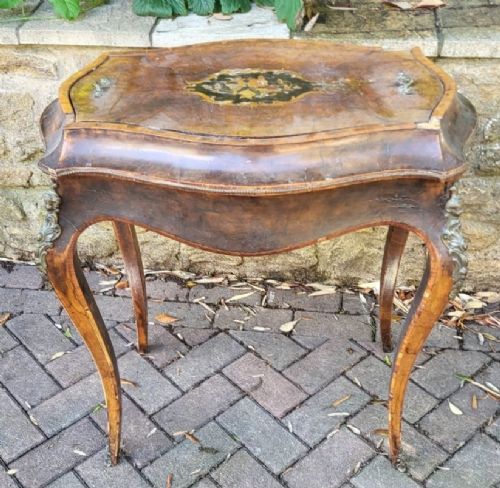
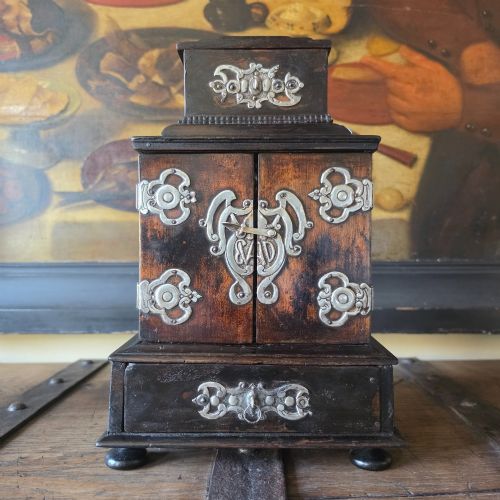
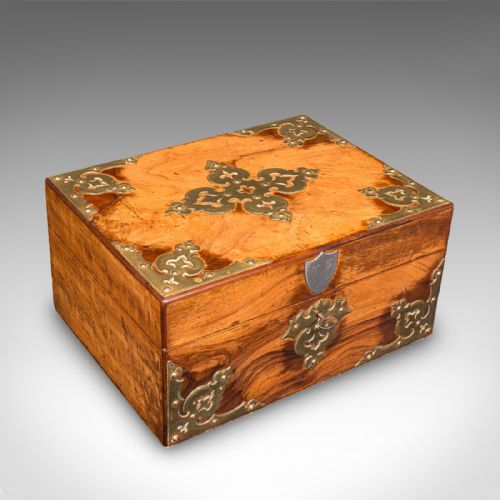
When you search for an ornate wooden box, you encounter an array of functional containers designed for storage and display. The selection spans compact table-top items like tea caddies and jewellery cabinets up to large floor-standing chests and coffers.
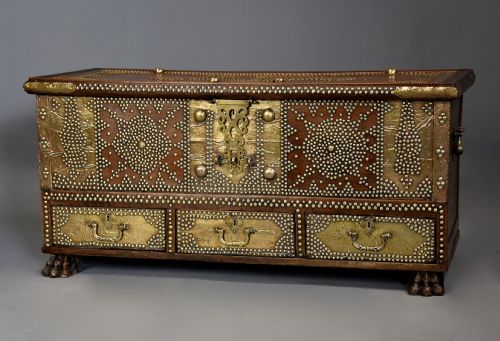
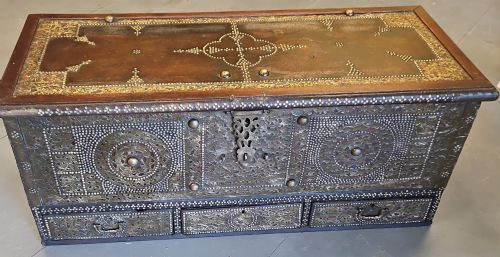
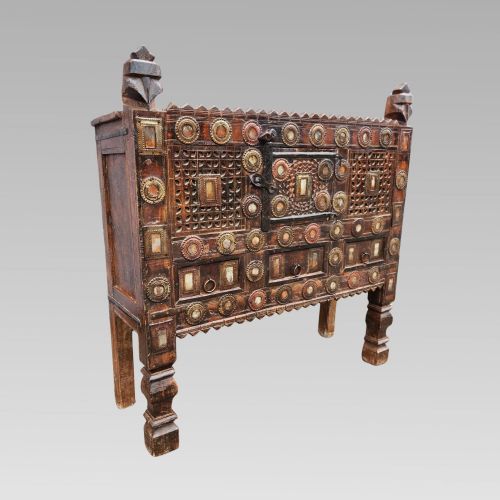
Victorian examples and nineteenth-century productions dominate the items available, alongside pieces originating from seventeenth-century Italy, eighteenth-century Denmark, and various colonial workshops. Forms range from intricate marquetry-inlaid caskets to heavy brass-studded traders chests.
How they were made
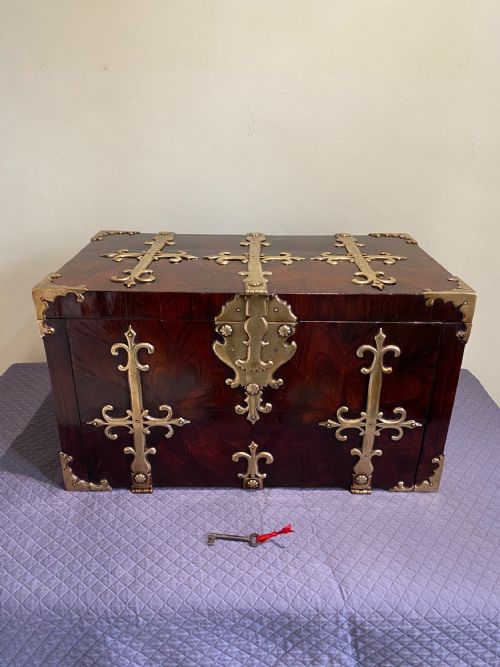
Construction relies upon diverse timbers such as walnut, burr walnut, teak, oak, rosewood, and hardwood, often paired with metal mounts. Workshops utilised brass for studs, hinges, and stringing to reinforce and embellish the wooden carcasses.
Surface ornamentation involved intricate techniques including marquetry inlay, detailed carving, lacquering, and gilt decoration. Artisans applied these methods to achieve the elaborate visual depth characteristic of Victorian, Baroque, and colonial styles.
Ornate Wooden Box Retail Price Guide 2026
Typical asking prices for ornate wooden box among the pieces listed under this phrase on Sellingantiques today, from the lower quarter to the upper quarter. They describe what is for sale here now, not the wider market.
Listings feature woods such as walnut, teak, rosewood, oak, and coromandel alongside metals like brass and iron across multiple centuries.
What varies in quality
Quality rests upon the precision of the joinery and the selection of figured timbers, where burr walnut or rosewood veneers show superior natural grain patterns. The finesse of hand-carved elements and the integration of brass mounts distinguish finer workshop output from simpler utilitarian items.
The sophistication of decorative techniques, such as complex marquetry inlay or multi-layered gilding, elevates the status of a piece. Original mounts and intact internal fittings further define the standing of individual boxes within the historical range.
The Ornate Wooden Box Glossary
- Tea caddy
- A small box historically used to store tea leaves, often featuring internal compartments and a lock. These containers were prized possessions in period homes.
- Marquetry
- The art of applying pieces of veneer to a structure to form decorative patterns and pictures. Craftsmen used various coloured woods to create intricate geometric or floral designs.
- Cassone
- A traditional Italian chest or coffer used for storing household goods, particularly associated with wedding dowries. These large pieces frequently display elaborate carving or gilt decoration.
- Coromandel
- A dense, heavily figured timber imported from Asia, valued for rich dark brown colouring and contrasting streaks. It appears frequently on luxury nineteenth-century boxes.
- Casket
- A small ornamental box intended for valuables or jewellery, typically featuring a fitted interior and secure locking mechanism. They represent some of the most highly decorated small-scale cabinet work.
Ornate Wooden Box: Frequently Asked Questions
What were these boxes used for?
Historic boxes served diverse domestic purposes, from securing precious jewellery and loose tea to holding sewing equipment and snuff. Larger iterations functioned as chests for clothing or valuable documents.
Many of these containers sat prominently on parlour tables or dressing cabinets as decorative objects in their own right, reflecting the status and tastes of their owners.
How do I date a wooden box?
Dating relies upon examining the timber species, construction methods, and decorative styles visible on the exterior and interior. Specific motifs like brass studding or marquetry patterns often align with distinct eras such as the Victorian period or the eighteenth century.
Hardware fixtures, including locks, hinges, and escutcheons, provide additional physical clues regarding the period of manufacture and subsequent alterations.
Where did colonial boxes originate?
Colonial production centres spanned regions influenced by trade and administration, including India, Zanzibar, Burma, and Dutch territories. Local craftsmen applied traditional woodworking skills to European forms.
These pieces frequently combine indigenous timbers like teak and sandalwood with distinctive regional carving or brass ornamentation.
How do I care for an antique box?
Maintenance involves keeping wooden surfaces away from direct sunlight and maintaining stable indoor humidity to prevent timber splitting or veneer lifting. Gentle cleaning with a dry or slightly damp cloth preserves the original polish.
Applying occasional appropriate wax helps nourish older hardwoods and highlights the natural grain without building up heavy residues.