




Ornate Wood Plant Table
An ornate wood plant table brings botanical focus to a room, combining carved timber with decorative surfaces like marble or alabaster.
Ornate Wood Plant Table
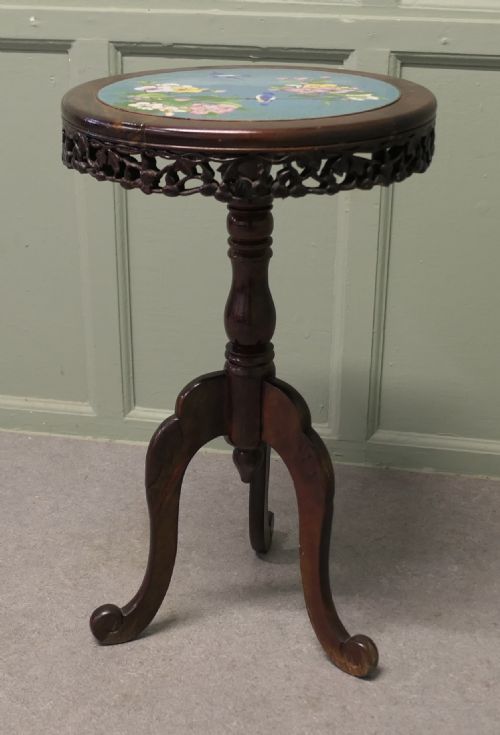
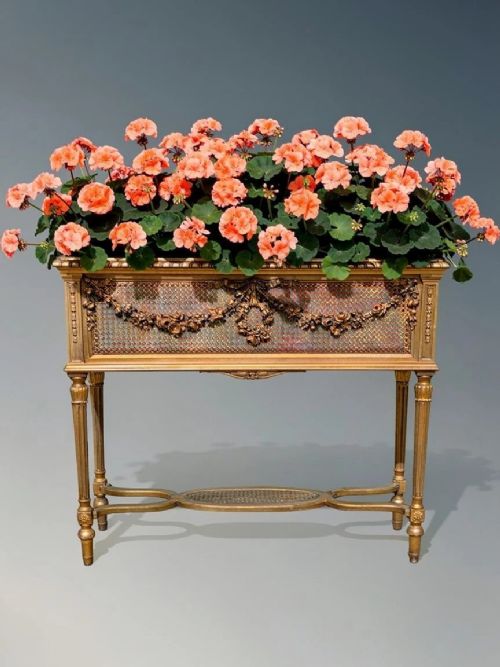
An ornate wood plant table spans plant stands, jardiniere stands, and pedestals designed to elevate greenery or display ornamental objects within a interior. These functional surfaces appear across the nineteenth century and early twentieth century, drawing on diverse international design traditions.
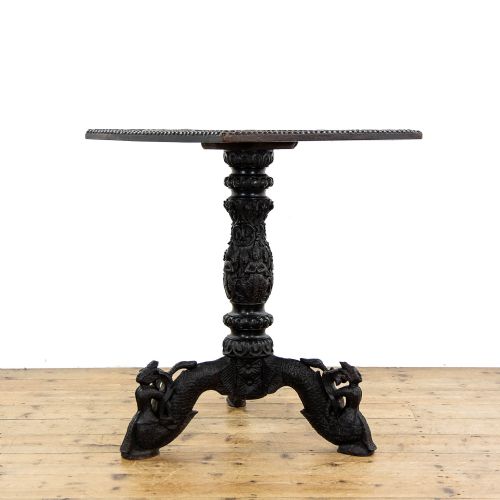
Geographic influences across the selection range from Chinese export and Anglo-Indian workshops to Venetian revival and French style designs. Each piece reflects the specific decorative tastes of its era, from rococo revival curves to structured oriental pedestals.
How they were made
Construction relies upon dense hardwoods such as mahogany and teak, shaped through traditional joinery and detailed hand carving to achieve intricate surface relief. Workshops employed specialist techniques to shape cabriole legs, fluted columns, and complex pierced motifs.
Decorative embellishment often incorporates applied giltwood, brass mounts, and painted finishes to accentuate the carved timber forms. Inserted stone surfaces, including marble and alabaster, provide durable tops suited to holding damp pots and heavy jardinieres.
Enamel and cane work appear on specific examples, demonstrating varied craft traditions from cloisonne detailing to woven seating materials adapted for plant display.
Ornate Wood Plant Table Retail Price Guide 2026
Typical asking prices for ornate wood plant table among the pieces listed under this phrase on Sellingantiques today, from the lower quarter to the upper quarter. They describe what is for sale here now, not the wider market.
Some tables double as quiet stages for ferns that have seen things.
What varies in quality
The distinction between tiers of quality rests upon the depth and crispness of the hand carving rather than surface decoration alone. Superior examples display undercut foliage and well-defined figures where tool marks show deliberate control.
Materials dictate the standing of a piece, with solid exotic hardwoods and heavy inset marble or alabaster tops outperforming lighter secondary timbers and applied veneers. The integrity of the underlying construction ensures stability under heavy ornamental vases and large plants.
The Ornate Wood Plant Table Glossary
- Jardiniere
- A decorative pot or stand intended for holding plants and flowers indoors. These containers sit atop dedicated pedestals or form integrated tables with waterproof liners.
- Giltwood
- Timber that has been coated with gold leaf or gold paint to simulate solid gold enrichment. This technique highlights carved details on frames and furniture from revival periods.
- Torchere
- A tall ornamental stand originally designed to support a candelabrum or light source. Later variations serve as elevated platforms for busts, urns, and heavy floral arrangements.
- Cloisonne
- An ancient technique for decorating metalwork objects with coloured glass paste separated by thin strips of metal. Pieces featuring this work introduce vibrant enamel panels into the table design.
- Pedestal
- A structural support base used to elevate sculpture, vases, or plants above floor level. These columns often feature classical orders or elaborate regional carving.
Ornate Wood Plant Table: Frequently Asked Questions
What is an ornate wood plant table used for?
These tables provide an elevated platform for displaying potted plants, jardinieres, and decorative objects within domestic interiors. Their raised surfaces protect floors and allow trailing foliage to cascade effectively.
Historically, they served as focal points in drawing rooms and parlours, combining botanical display with ornamental furniture craft.
How do I identify a Victorian plant stand?
Victorian examples typically feature dense mahogany or giltwood construction, often incorporating heavy carving influenced by rococo revival or French styles. Look for robust turned columns and structural elements characteristic of the mid to late nineteenth century.
Construction methods from this period rely on traditional joinery and hand-carved detailing rather than modern adhesives.
Where were Anglo-Indian plant tables made?
Anglo-Indian furnishings were produced in workshops within the Indian subcontinent during the British colonial period, specifically for export or British residents. They combine traditional local carving skills with European furniture forms.
These pieces are distinguished by dense, intricate floral and figurative carving across exotic hardwoods.
How do I care for a marble top table?
Marble and alabaster surfaces require gentle cleaning with a damp cloth and mild soap to avoid etching the stone. Prevent moisture rings from plant pots by using protective saucers or pads beneath heavy planters.
Avoid abrasive cleaners and harsh chemical solvents that can damage the polished finish of the stone.