

Ornate Wood Framed Mirror
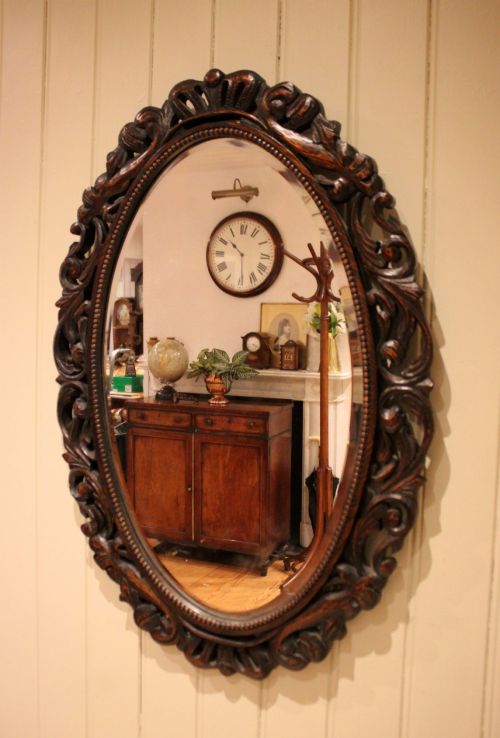
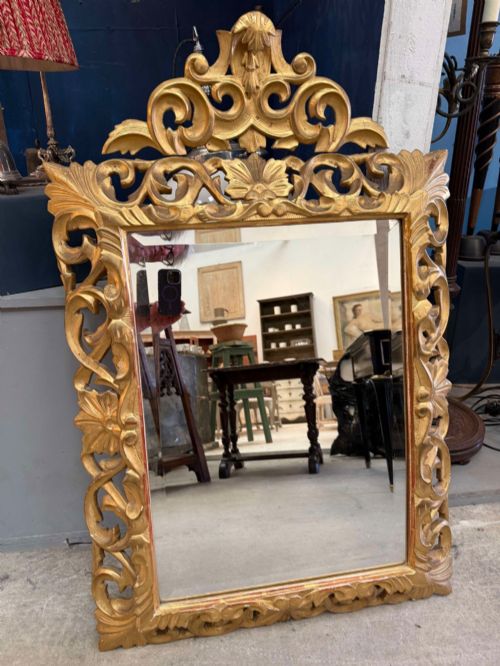
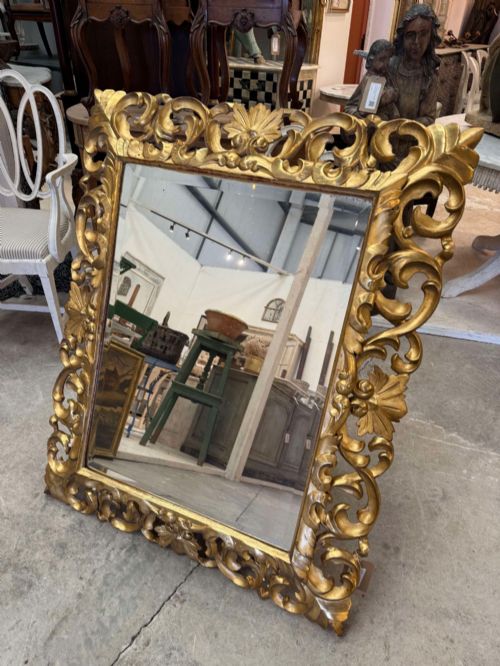
An ornate wood framed mirror brings sculptural depth and reflected light to a room through centuries-old carving and gilding traditions.
Ornate Wood Framed Mirror
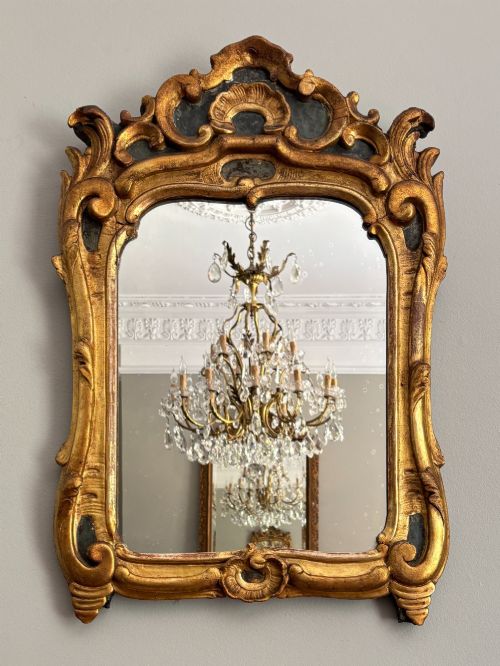
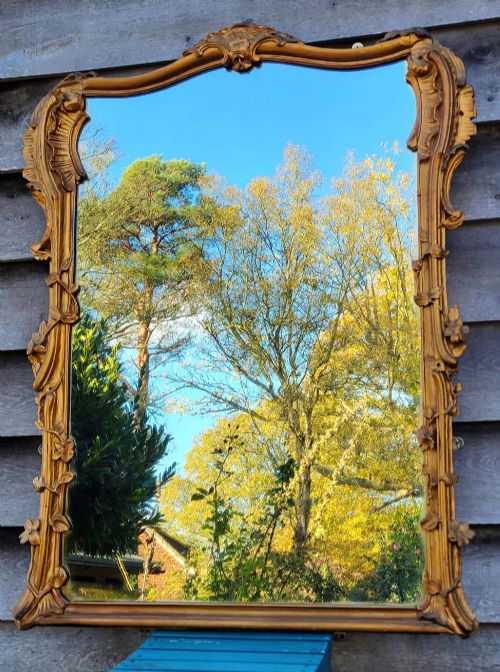
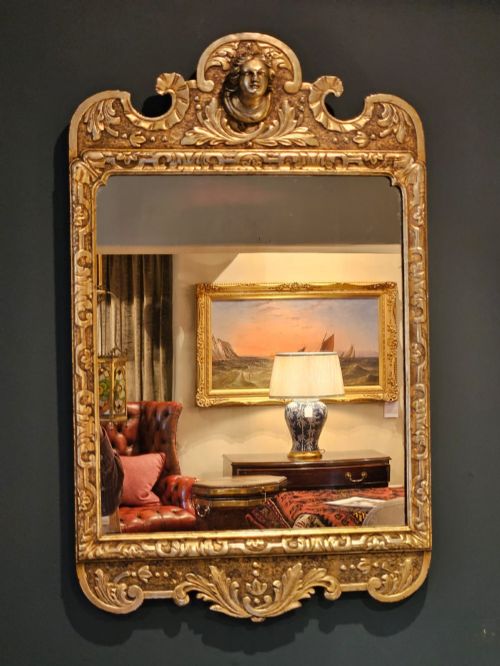
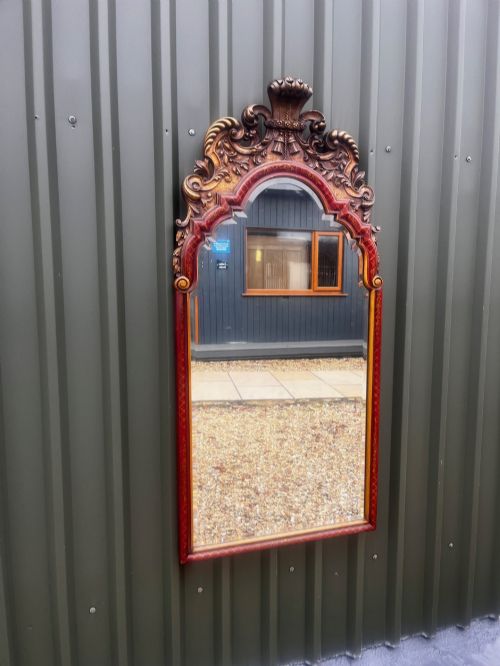
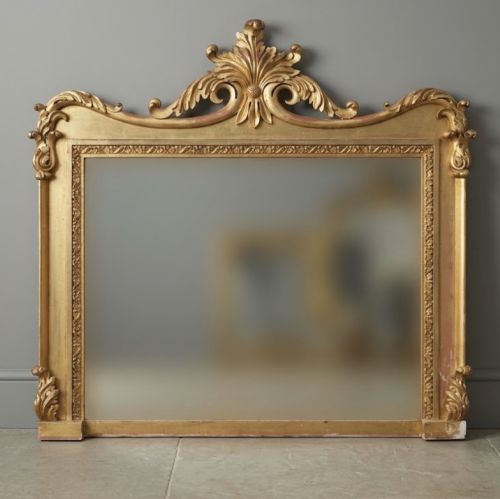
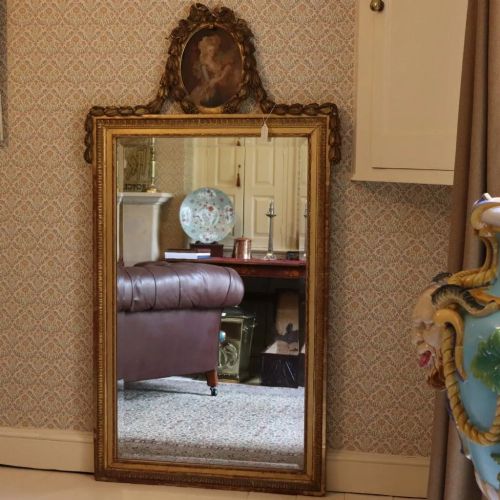
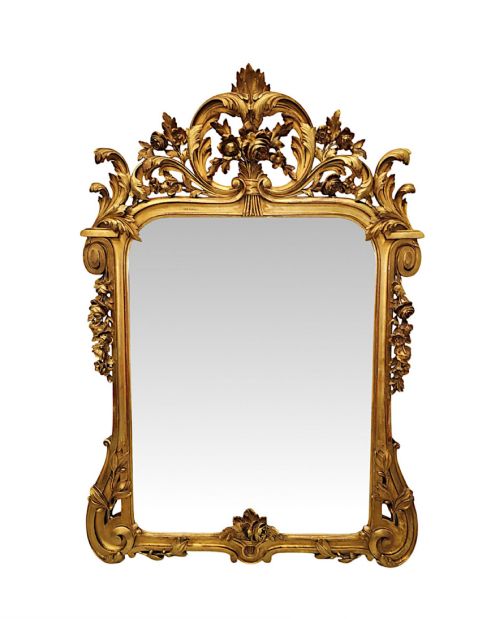
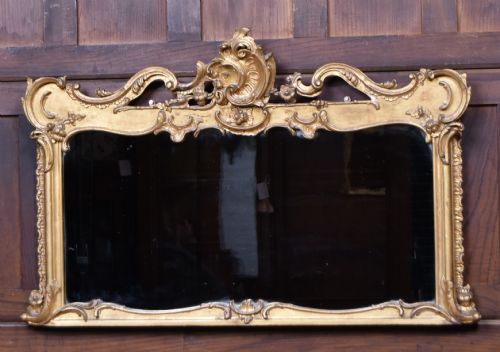
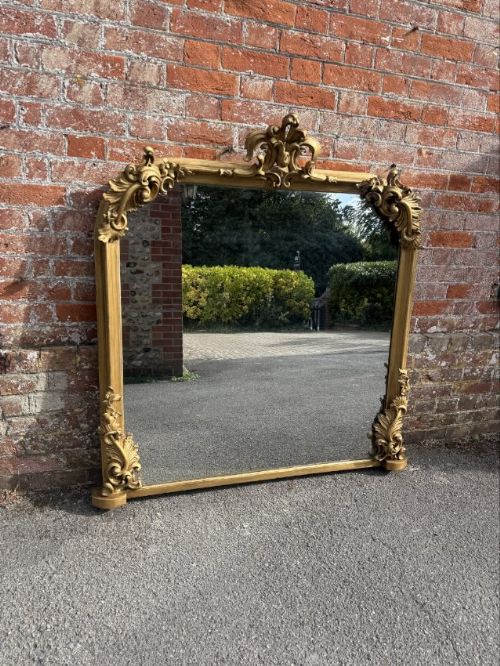
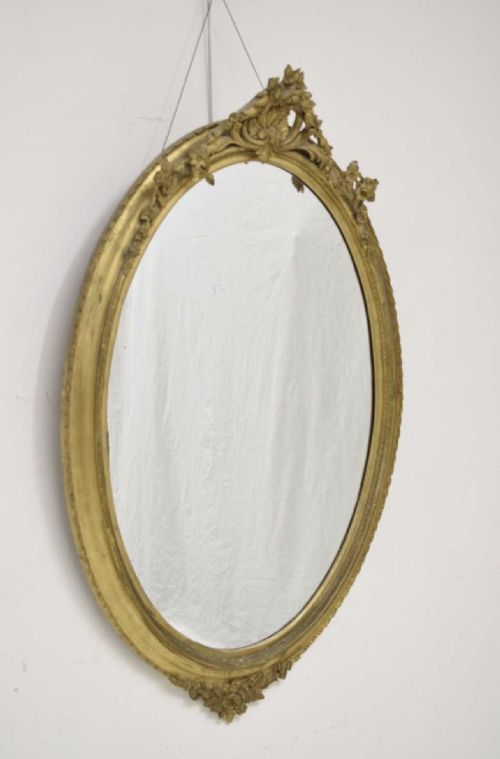
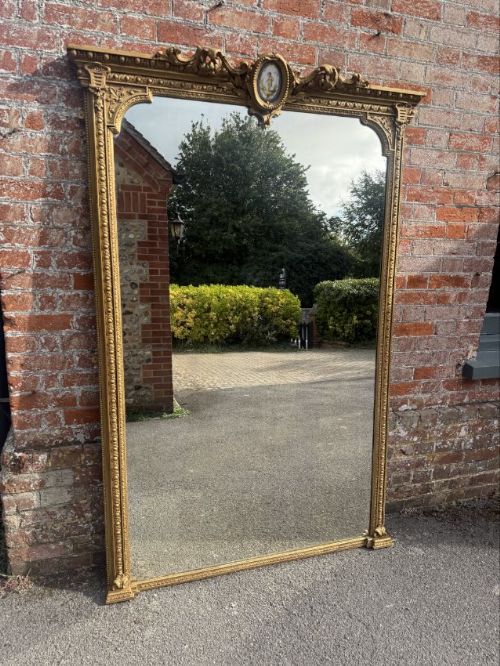
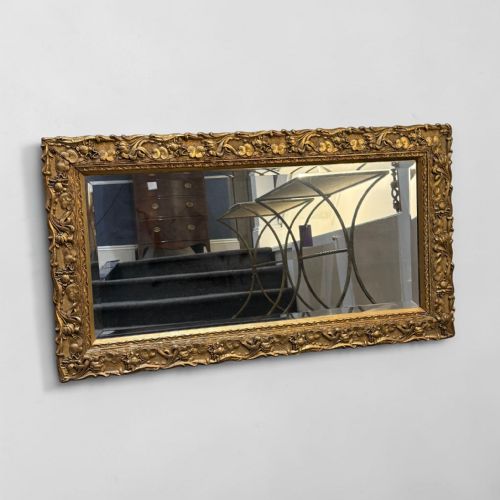
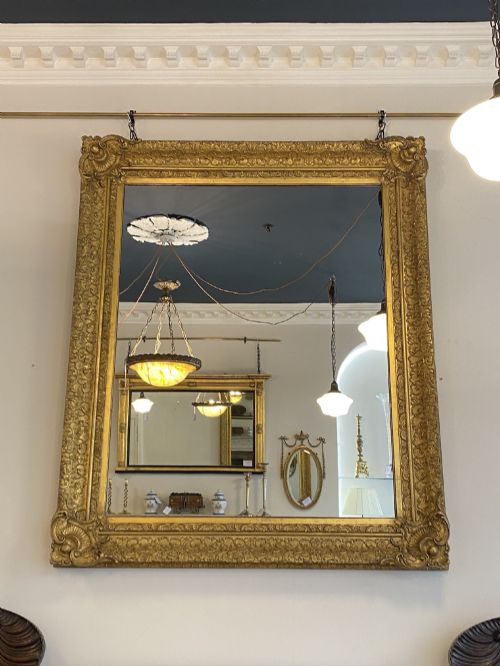
When searching for an ornate wood framed mirror, collectors encounter substantial wall hung pieces, large overmantels designed for chimneypieces, and dressing mirrors originating across the nineteenth and eighteenth centuries. These items combine functional glass with elaborate wooden structures shaped into scrolls, foliage, and architectural crests.
The pieces on this page lean heavily towards nineteenth-century examples, alongside select eighteenth-century and early twentieth-century items, reflecting styles from French Rococo to Italian Florentine workshops. Wall mirrors and overmantels dominate the forms, frequently displaying heavy gilding over carved wooden bases.
Buyers meet both English country house pieces and continental imports, particularly from France and Italy, showing regional preferences for specific decorative motifs. Oak, carved wood, and composite mouldings provide the structural foundation for these heavily ornamented domestic objects.
How they were made
Craftsmen built the structural frames from timber such as oak or pine, applying carved wood components or moulded gesso to achieve high-relief ornamentation. Gesso served as a smooth ground layer over the wood, receiving intricate incisions and preparing the surface for subsequent decoration.
Makers applied thin sheets of gold leaf or oil gilt onto the prepared gesso and wood grounds, often burnishing the metal to create contrasting matte and reflective surfaces. Silvered finishes and painted highlights also appear on specific continental pieces from the later periods.
Ornate Wood Framed Mirror Retail Price Guide 2026
Typical asking prices for ornate wood framed mirror among the pieces listed under this phrase on Sellingantiques today, from the lower quarter to the upper quarter. They describe what is for sale here now, not the wider market.
Listings feature items spanning the 18th, 19th, and early 20th centuries, utilising materials such as gesso, giltwood, oak, and gold leaf.
What varies in quality
The depth and sharpness of the hand-carved woodwork dictate the overall calibre of the piece, separating heavily articulated frames from softer moulded substitutes. Crisp undercut foliage and deeply modelled scrollwork demonstrate superior workshop execution.
The integrity of the original gilt surface and the character of the mirror plate itself define the preservation standard. Retained gold leaf with natural ageing sits above later repainted or stripped surfaces, while original glass plates display desirable foxing and subtle distortion.
The Ornate Wood Framed Mirror Glossary
- Giltwood
- Wood that has been coated with gold leaf or powder over a prepared base. This finish provides a warm, reflective metallic surface characteristic of formal antique frames.
- Gesso
- A plaster-like mixture applied to wooden frames to create a smooth surface for carving and gilding. It allows for crisp, detailed ornamental moulding.
- Overmantel mirror
- A large horizontal mirror designed to hang above a fireplace mantelpiece. These pieces frequently incorporate arched tops and elaborate crestings.
- Foxed plate
- A mirror glass exhibiting dark spots and mottled oxidation caused by age. This natural degradation creates a soft, hazy reflection valued by collectors.
- Pier glass
- A tall, narrow mirror designed to hang on the wall space between two windows. They often match console tables positioned directly below them.
Ornate Wood Framed Mirror: Frequently Asked Questions
How do I date an ornate wood framed mirror?
Dating relies on examining the construction methods of the wooden frame, the composition of the gesso, and the backboards. Examining the bevelling and silvering technique of the glass plate provides further chronological clues.
Stylistic indicators such as Rococo revival scrolls or Florentine leaf motifs align with specific decades from the eighteenth through the early twentieth century. Comparing joinery and fastener types helps confirm the period of manufacture.
Where should I hang an overmantel mirror?
Overmantel mirrors are traditionally positioned centrally above a fireplace mantelpiece to anchor the room's decorative scheme. Their generous dimensions reflect natural light from windows and amplify the sense of space.
Secure wall fixings are essential due to the combined weight of the heavy wooden frame and thick glass plate. Professional installation into masonry or studs ensures the piece remains safely supported.
What is the difference between giltwood and painted frames?
Giltwood frames feature a layer of gold leaf applied over gesso and wood, producing a luminous metallic sheen that catches ambient light. Painted frames utilise pigments, such as olive green, combined with oil or water-based binders for a solid colour finish.
Both treatments were used concurrently across different European design traditions, with gilt finishes dominating formal reception rooms and painted surfaces appearing in country house settings.
Can I replace the mirror plate?
Original mirror plates often display foxing and age spots which contribute to the historical character of the antique. Replacing the glass removes this visual evidence of age and alters the piece's authenticity.
Most collectors prefer to preserve the original plate wherever possible, accepting minor silvering degradation as proof of genuine antiquity.