



Ornate Wood Cupboard
An ornate wood cupboard brings together rich timber, carved detail, and functional storage, offering a striking focal point for any interior.
Ornate Wood Cupboard
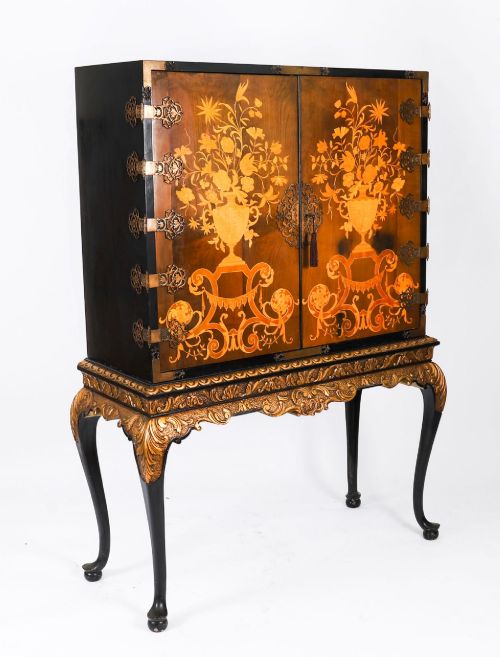
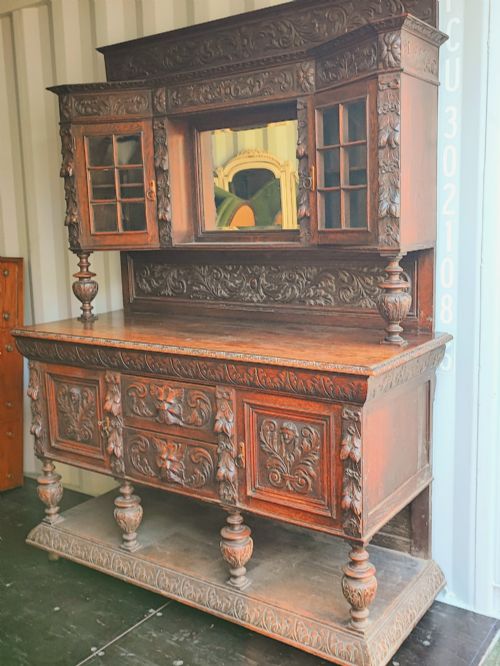
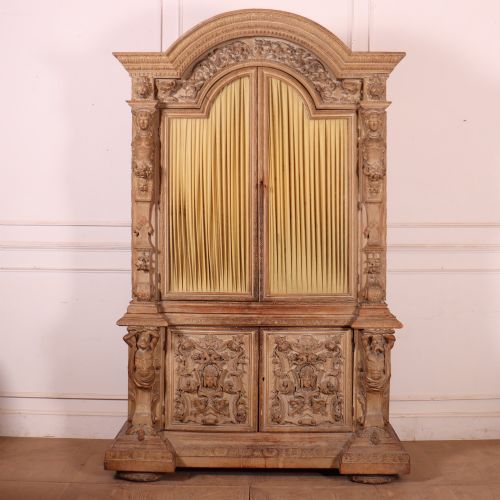
An ornate wood cupboard encompasses diverse forms ranging from large sideboards and buffets to compact tabletop cabinets and cabinets on stands. These pieces emerge across several eras, including the eighteenth century, nineteenth century, and early twentieth century, reflecting varied historical revivals.
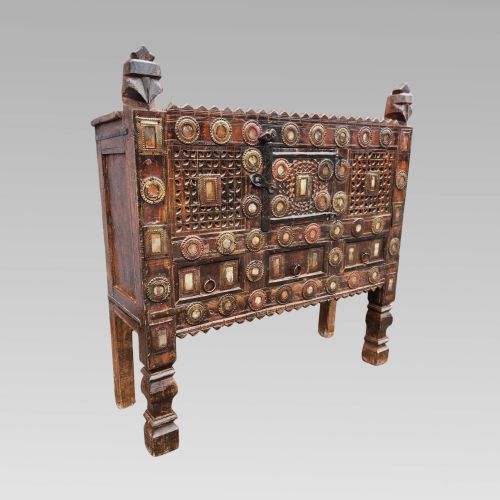
The styles seen on this page span Victorian, Italian Renaissance Revival, Queen Anne Revival, Jacobean Revival, Indian Folk Art, French Revival, and Dutch Colonial designs. Buyers frequently encounter oak and walnut constructions alongside mahogany, teak, rosewood, and lacquered wood surfaces.
Objects on display include specialised storage such as drinks cabinets, cocktail cabinets, vitrines, and dowry chests. Each variation highlights the distinct regional tastes and decorative preferences of its period of origin.
Materials and construction
Carpenters utilised dense hardwoods like oak, walnut, mahogany, teak, and rosewood to build the structural framework of these cupboards. These durable timbers provided a stable base for intricate carving and heavy architectural detailing.
Surface decoration frequently involved marquetry inlay and lacquered finishes, incorporating contrasting woods, brass hardware, and glass panels. Artisans applied these decorative techniques to enhance the visual depth of the exterior surfaces.
Ornate Wood Cupboard Retail Price Guide 2026
Typical asking prices for ornate wood cupboard among the pieces listed under this phrase on Sellingantiques today, from the lower quarter to the upper quarter. They describe what is for sale here now, not the wider market.
Listings feature items from the eighteenth, nineteenth, and early twentieth centuries, constructed in oak, walnut, mahogany, rosewood, teak, and lacquered wood.
Factors of quality
The standard of an ornate wood cupboard relies heavily on the depth and precision of its carving. Hand-chiseled relief work and complex figural or floral motifs demonstrate a higher level of artisan skill than simpler, machine-produced decoration.
The choice of primary timber and secondary framing materials also distinguishes pieces within the range. Superior examples utilise finely figured veneers, balanced marquetry patterns, and substantial hardware made of brass or other quality metals.
Sigmund Jaray, Wien
The Ornate Wood Cupboard Glossary
- Marquetry
- The art of applying small pieces of veneer to a structure to form decorative patterns. This technique creates elaborate pictorial or geometric designs on cabinet doors and panels.
- Vitrine
- A glass-displayed cabinet designed primarily for showing porcelain or curiosities. These pieces often feature glazed doors and sides to maximise visibility.
- Buffet
- A sideboard or storage unit traditionally used for food service and tableware storage. They frequently incorporate drawers and cupboards beneath a flat top.
- Credenza
- A sideboard or cabinet originally lacking legs, designed for storage and display. The form evolved across various European revival styles over centuries.
- Cocktail cabinet
- A specialised storage unit created for mixing and serving drinks. These pieces often include mirrored interiors, glass shelving, and pull-out preparation surfaces.
Ornate Wood Cupboard: Frequently Asked Questions
What periods do these cupboards date from?
The selection includes pieces originating from the eighteenth century, the nineteenth century, and early twentieth-century decades up to the nineteen-thirties. Various historical revival styles heavily influence the design aesthetics of these specific eras.
Buyers will also find distinct regional pieces, such as Indian folk art storage forms and Dutch Colonial hardwood items, which reflect specific geographical craftsmanship traditions.
How were these cabinets used historically?
These pieces served multiple domestic purposes depending on their specific form, from storing dining silver in a sideboard to housing textiles in a dowry chest. Tabletop versions and cabinets on stands provided secure storage for smaller valuables and documents.
Later iterations, such as cocktail cabinets from the nineteen-thirties, were specifically designed for modern entertaining and the storage of glassware and spirits.
What woods are commonly found?
Construction relies heavily on durable timbers including oak, walnut, mahogany, teak, and rosewood. Artisans also utilised lacquered wood and inlaid woods to achieve contrasting decorative surfaces.
Additional materials such as brass for hardware and glass for display panels frequently accompany the primary wooden structures.
How do I identify revival styles?
Revival styles borrow specific architectural and decorative motifs from earlier historical periods, such as the Renaissance, Jacobean, or Queen Anne eras. Examining the carved details, overall proportions, and leg forms usually reveals which past epoch inspired the maker.
Comparing the decorative vocabulary against documented historical periods helps clarify whether a piece follows French, Italian, or British design traditions.