




Ornate Walnut Cabinet
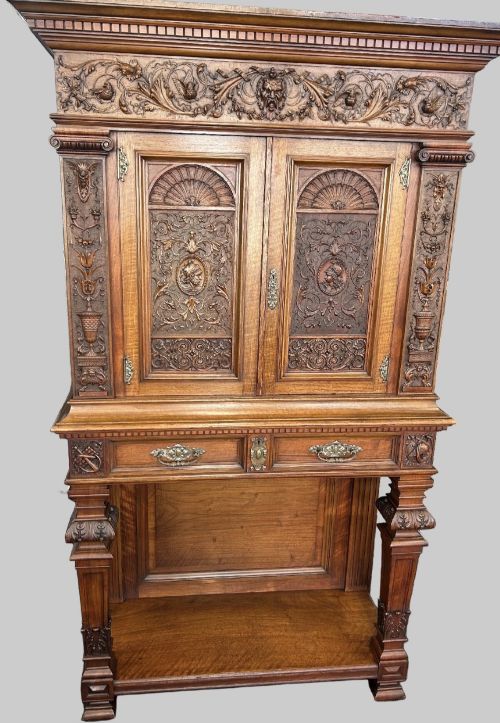
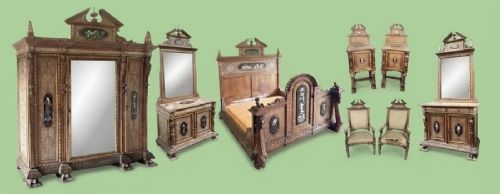
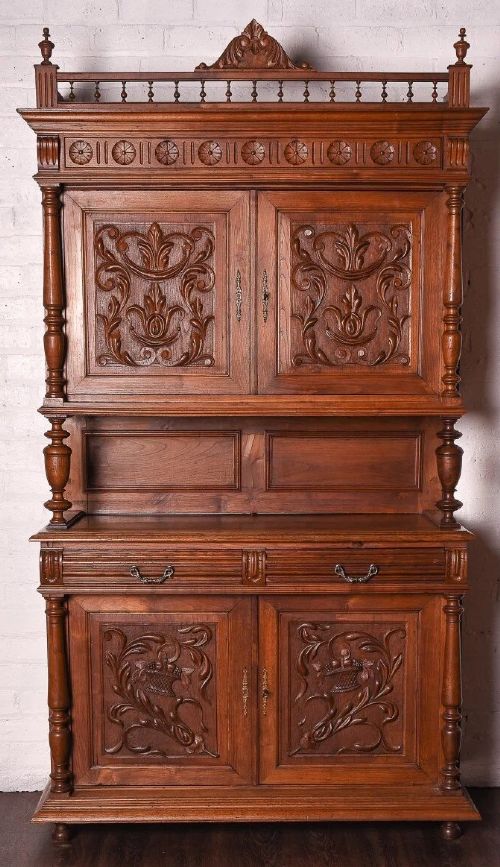
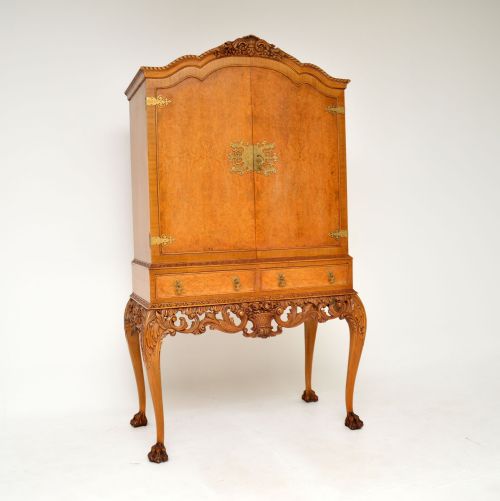
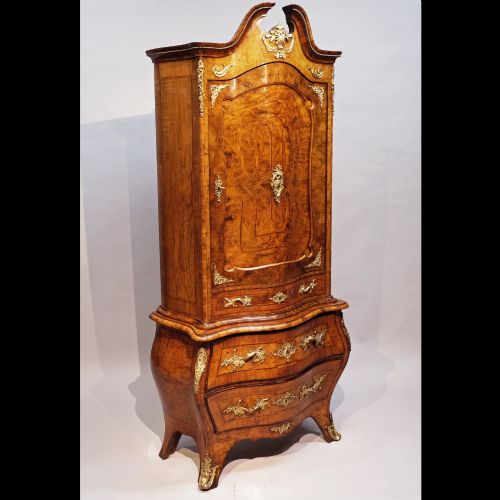
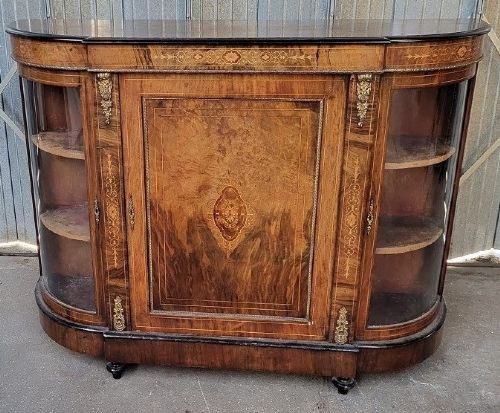
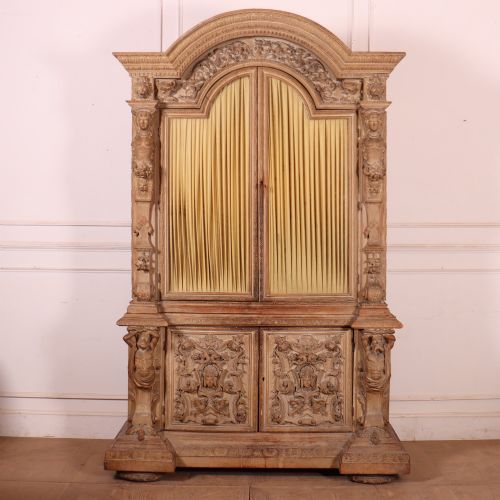
An ornate walnut cabinet brings rich timber figure and confident period carving into a room, serving as a striking focal point.
Ornate Walnut Cabinet
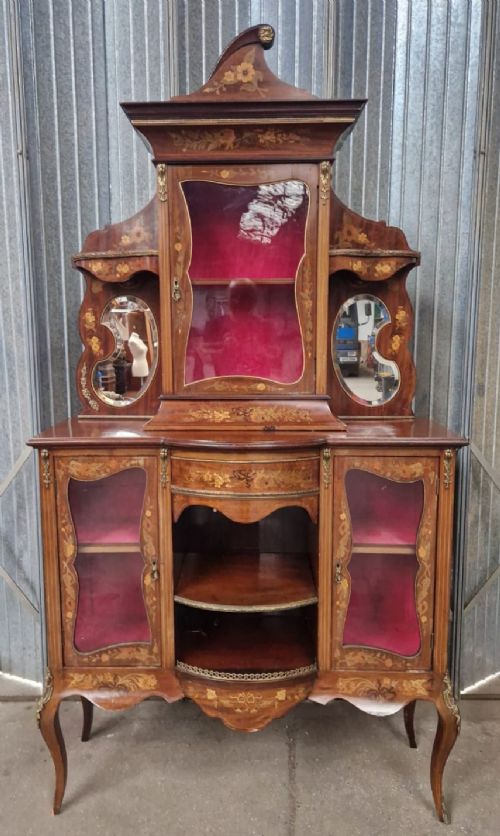
An ornate walnut cabinet encompasses a diverse range of formal storage pieces designed to showcase craftsmanship and timber figure. When searching for an ornate walnut cabinet, buyers encounter nineteenth-century credenzas, cocktail cabinets, and pier cabinets alongside eighteenth-century examples.
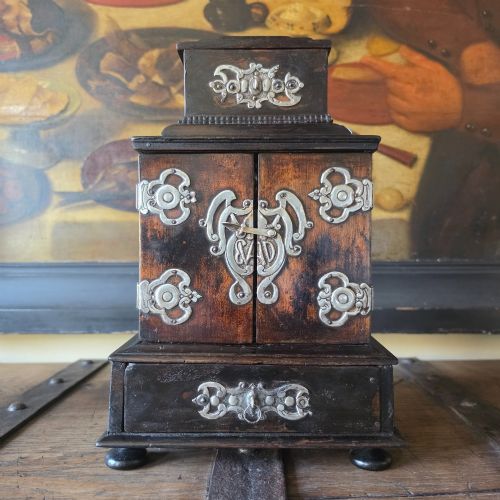
Makers and workshops utilised decorative timber and elaborate mounts to create functional furniture that doubles as display pieces. The forms span tall cabinets on chests, low credenzas, and specialised games or jewellery storage.
What varies in quality
The selection of the walnut veneer dictates the initial visual impact, with tightly figured burr walnut commanding greater attention than plain timber. The crispness and depth of hand-carved ornamentation separate standard production items from exhibition pieces.
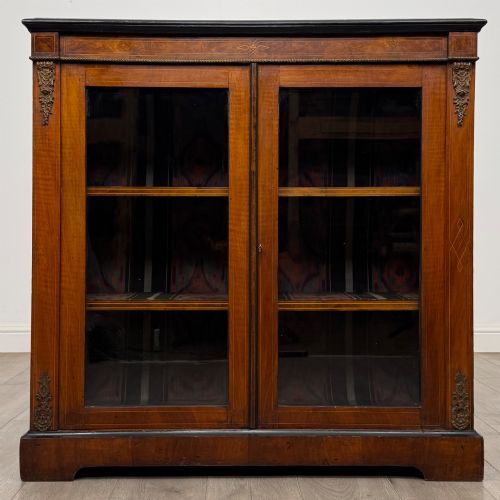
The integration of secondary materials such as ormolu mounts, inlaid boxwood, and marble tops reveals the original budget and ambition of the workshop. Superior internal fittings, including fitted secretaire drawers and mirrored backplates, indicate higher manufacturing standards.
Ornate Walnut Cabinet Retail Price Guide 2026
Typical asking prices for ornate walnut cabinet among the pieces listed under this phrase on Sellingantiques today, from the lower quarter to the upper quarter. They describe what is for sale here now, not the wider market.
Listings feature walnut, burr walnut, ormolu, marble, and boxwood across Victorian, Edwardian, and eighteenth-century periods.
Waring & Gillows
The Ornate Walnut Cabinet Glossary
- Burr walnut
- A prized timber harvested from tree growths that produce swirling, highly decorative grain patterns. It is typically sliced into thin veneers for cabinet fronts.
- Ormolu
- Gilt bronze mounts used to decorate the corners, feet, and friezes of nineteenth-century revival furniture. These cast metal ornaments provide a bright contrast to dark walnut.
- Credenza
- A low cabinet, popular during the Victorian era, frequently fitted with glass doors, mirrored backs, and ormolu mounts. They were designed for display in principal reception rooms.
- Marquetry
- The art of applying small pieces of wood veneer to a structure to form decorative patterns or pictures. Craftsmen used contrasting timbers like satinwood and boxwood.
- Pier cabinet
- A narrow display cabinet designed to fit the wall space between windows. These pieces often feature glass doors and velvet-lined interiors for displaying porcelain.
Ornate Walnut Cabinet: Frequently Asked Questions
Where should I place an ornate walnut cabinet?
These cabinets suit reception rooms, drawing rooms, or dining spaces where their timber grain and carved details can be appreciated.
Keep them away from direct sunlight and strong heat sources to protect the polished walnut surfaces and delicate veneers from drying out.
How do I care for walnut veneer?
Dust the timber regularly with a soft, dry cloth to prevent dirt accumulation in the carved recesses and marquetry lines.
Apply a traditional wax polish occasionally to nourish the wood and maintain the natural lustre of the burr walnut figure.
What is the difference between a credenza and a pier cabinet?
A credenza is a wide, low cabinet often featuring central doors flanked by curved glass display sections, built for prominent wall placement.
A pier cabinet is tall and narrow, specifically proportioned to sit in the architectural wall space between two windows.
How can I identify a revival style?
Revival furniture borrows decorative motifs from earlier historical periods, such as the seventeenth-century motifs on Louis XIII pieces or the curves of French Rococo.
Examining the construction methods, secondary timbers, and hardware often clarifies whether a piece is seventeenth-century or a nineteenth-century revival.