
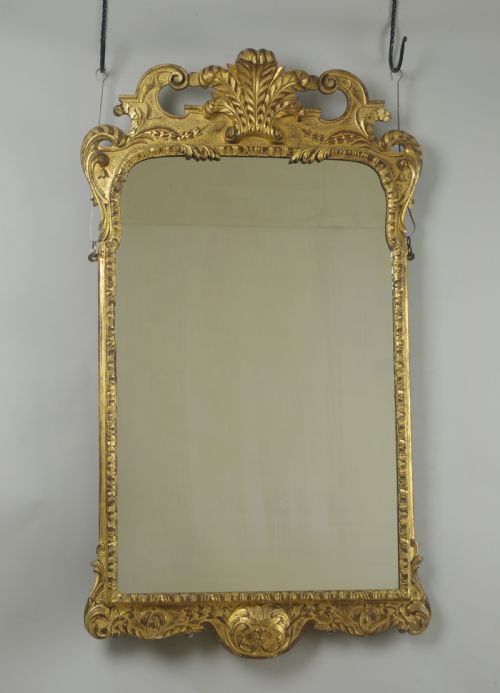
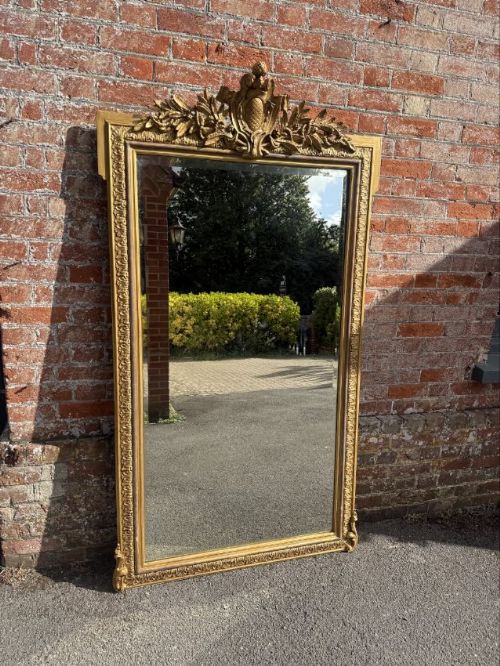
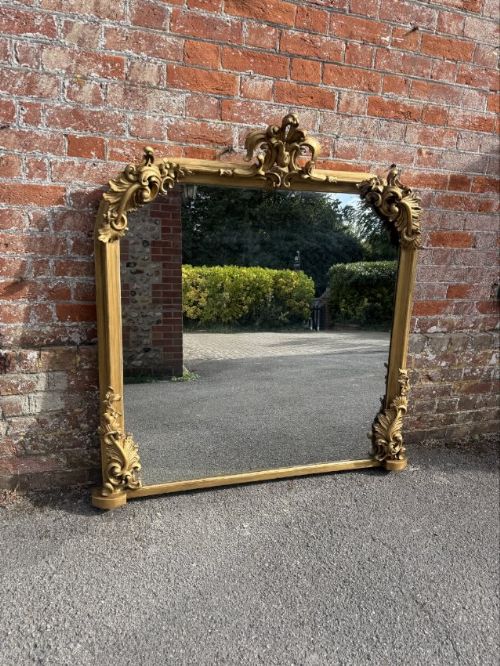
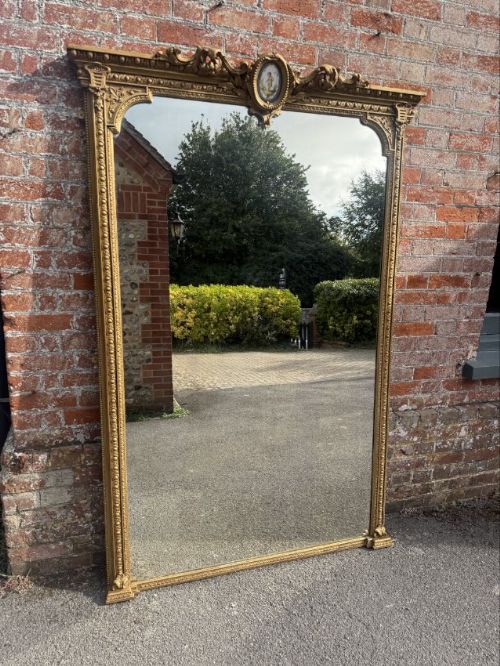

Ornate Wall Frame
An ornate wall frame delivers immediate architectural presence and reflective depth to a room through heavy carving, gilding and period glass.
Ornate Wall Frame
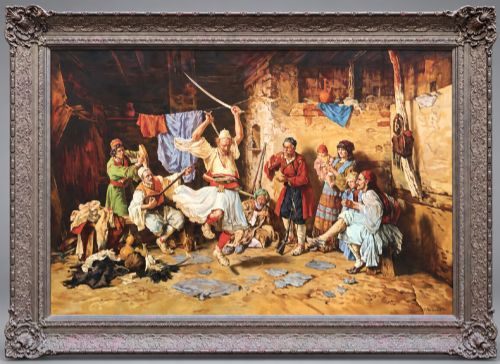
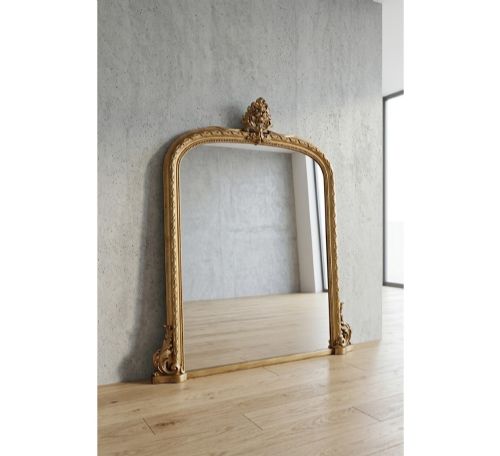
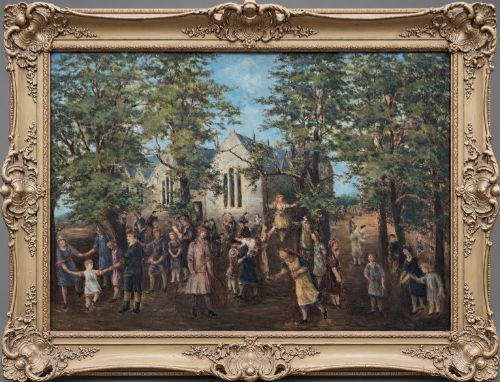
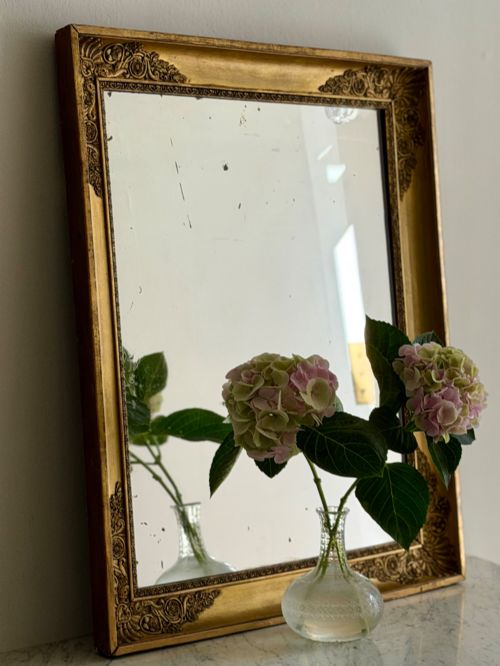
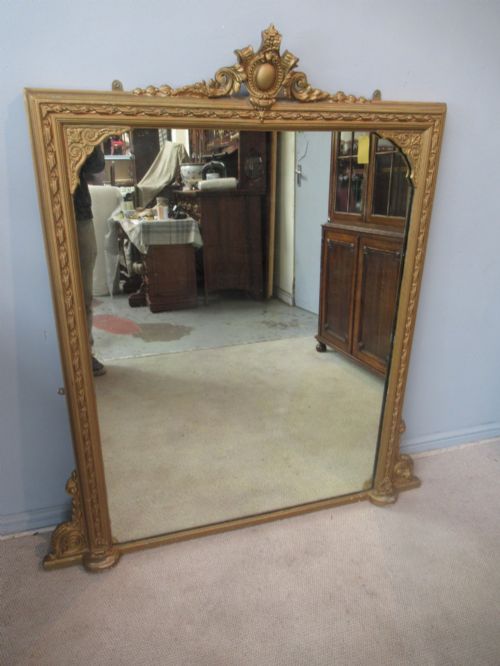
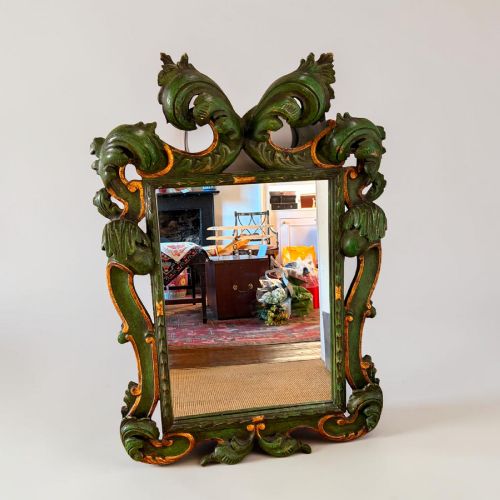
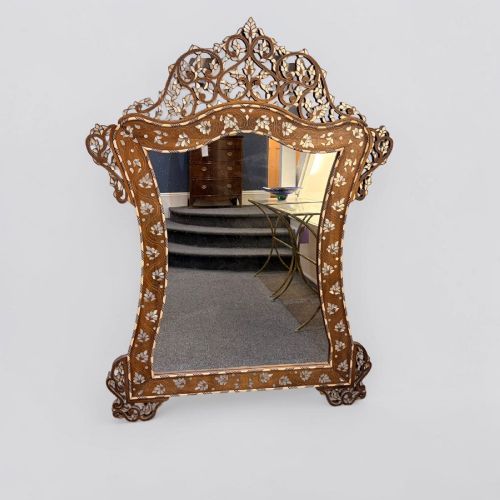
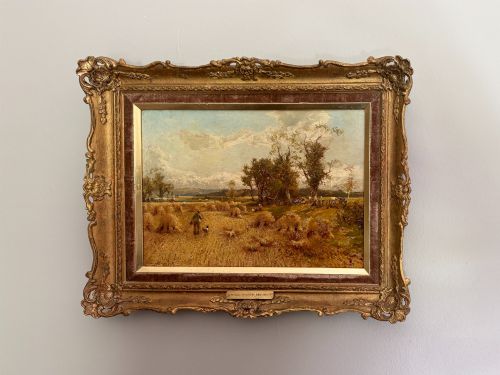
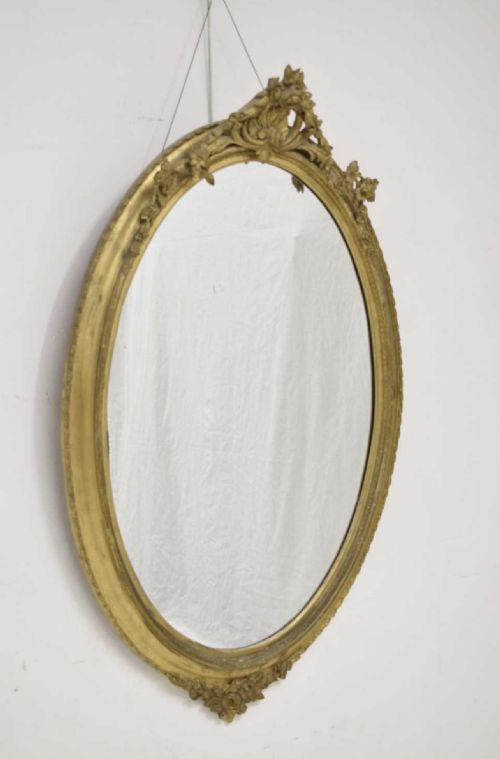
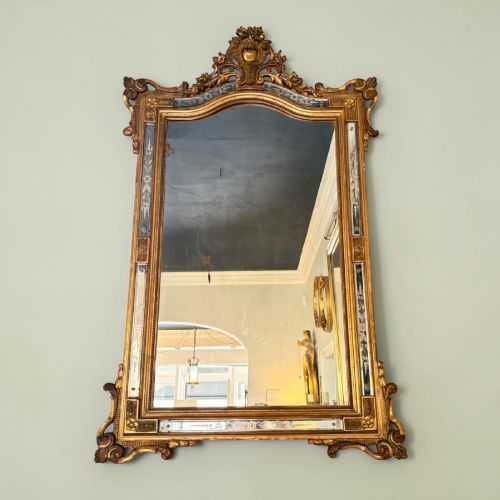
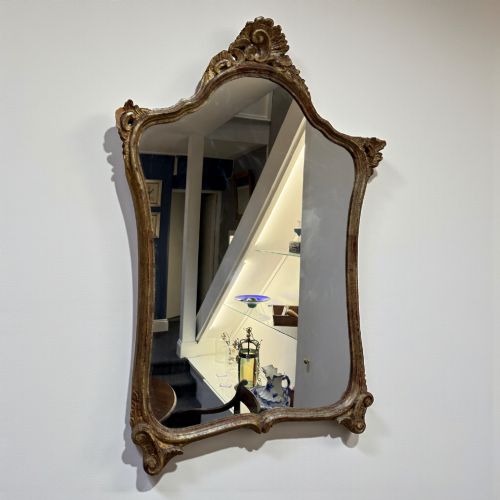
When searching for an ornate wall frame, buyers encounter a diverse selection of nineteenth-century and early twentieth-century wall mirrors, overmantel mirrors and oil paintings housed in decorative surrounds. The primary forms span substantial French Rococo revival pieces, Italian Florentine giltwood designs and English carved wood mirrors intended for principal reception rooms.
The objects listed on this page combine structural timber or plaster foundations with elaborate crests, bevelled glass plates or original canvas paintings. Buyers frequently meet large Victorian and Edwardian examples featuring floral motifs, ribbon crests and deeply moulded gesso surfaces designed to anchor a domestic interior.
Originating predominantly from English, French and Italian workshops, these pieces range from austere rectangular formats to arched overmantels and heavy pier glass mirrors. Each variant reflects the prevailing revival styles of the Victorian era and the Belle Époque without losing its fundamental decorative purpose.
Materials and construction techniques
The construction of these frames relies heavily on carved timber, gesso and applied gold leaf over wooden carcases, creating robust structures capable of supporting substantial glass plates or oil on canvas. Craftsmen built the heavier overmantel and pier glass mirrors using pine or oak frames coated in layered plaster compositions that accepted intricate mouldings.
Gilding techniques involve the application of thin metal leaf to prepared gesso grounds, often burnished to achieve high lustre alongside areas left matte for contrast. Carved oak and giltwood variations demonstrate manual chiselling techniques, while later pieces incorporate moulded plaster elements finished with metallic or painted coatings.
Distinctions in quality
Quality diverges significantly between machine-moulded composition ornament and deeply undercut hand-carved wood where the artisan has worked the material directly. Superior examples exhibit crisp definition in the acanthus leaves, scrolls and crests, maintaining structural integrity across expansive dimensions without relying excessively on superficial plaster buildup.
The integrity of the reflective glass plate or the original oil painting within the frame establishes another tier of distinction. Original mercury or bevelled glass with subtle foxing and hand-finished oil paintings by recorded artists elevate the piece far above later decorative reproductions.
William Manners·Nicolaas Martinus Wijdoogen·Alfred Walter Bayes·Edward Mills·Frederick Morgans
The Ornate Wall Frame Glossary
- Gesso
- A plaster mixture applied to wood frames as a base for gilding or painting. This material is carved and stamped to create elaborate decorative reliefs before the application of gold leaf.
- Overmantel mirror
- A large mirror specifically proportioned to hang above a fireplace mantelpiece. These pieces frequently incorporate architectural arches and heavy crests to anchor the hearth.
- Giltwood
- Timber that has been coated with gold leaf or metallic powder. The underlying wood is typically prepared with gesso and bole to secure the reflective surface.
- Pier glass
- A tall mirror designed to hang on the wall space between two windows. They often feature heavy carved frames and elaborate vertical proportions.
- Rococo Revival
- A nineteenth-century design movement characterised by asymmetrical scrolls, C-curves and naturalistic floral motifs. It draws inspiration from eighteenth-century French decorative arts.
Ornate Wall Frame: Frequently Asked Questions
How do I hang a heavy antique overmantel mirror?
Heavy antique overmantel mirrors require direct fixing into structural wall studs or masonry using appropriate heavy-duty brackets and fixings. Given their substantial weight, professional installation ensures the frame remains secure against the wall.
Positioning the mirror at the correct height above a mantelpiece or console table balances the visual weight of the room. Ensure the hanging wire or integrated D-rings are inspected for strength before mounting.
What is the difference between an overmantel and a wall mirror?
An overmantel mirror is specifically designed in scale and proportion to sit above a fireplace opening. These pieces often feature landscape orientations or tall arched crests that complement hearth dimensions.
Standard wall mirrors are built for general placement across various room surfaces without the specific architectural constraints of a fireplace surround. Their dimensions vary widely from oval formats to tall pier glasses.
How do I clean a gilded gesso frame safely?
Dust gilded gesso frames gently using a soft, dry artist's brush or a clean microfiber cloth. Avoid applying water or chemical cleaning solutions, as moisture softens the historical gesso and lifts the fragile gold leaf.
Regular, careful dusting prevents grime accumulation without risking the delicate surface. Professional conservators should handle any structural repairs or deep cleaning of historic gilding.
How do I identify a Rococo Revival frame?
Rococo Revival frames feature characteristic asymmetrical scrolls, shell motifs and abundant floral carving. The ornamentation emphasises flowing, organic curves rather than strict geometric symmetry.
These nineteenth-century interpretations often combine deep gesso mouldings with heavy corner cartouches. Examining the back of the wood and the composition of the gesso helps confirm the nineteenth-century period.