

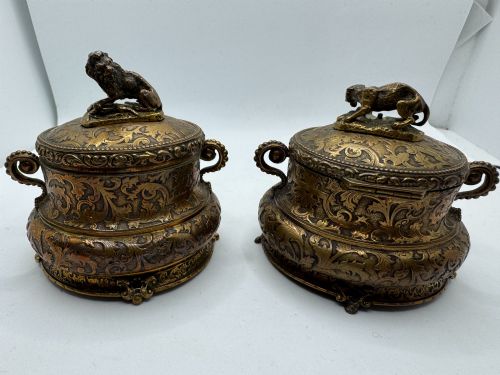
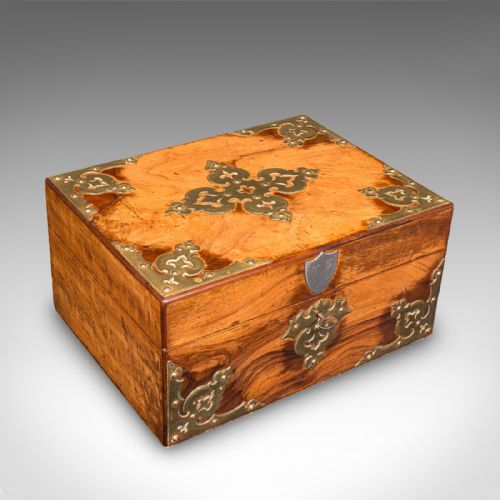


Ornate Trinket Casket
An ornate trinket casket is a decorative small box designed for precious keepsakes, bringing tactile history and detailed craftsmanship to a dressing table.
Ornate Trinket Casket
When you search for an ornate trinket casket, you encounter heavily decorated small containers designed to hold jewellery, trinkets, or small personal valuables. These pieces serve both a practical function for storage and a decorative role in domestic interiors, originating from various global traditions.
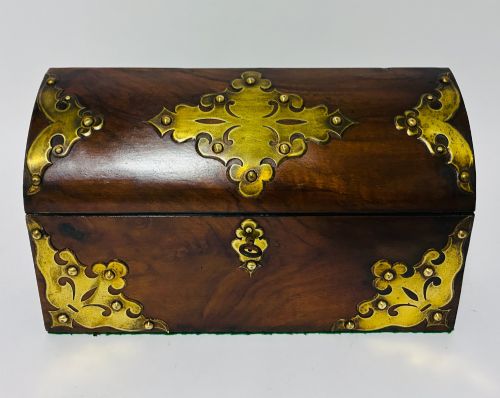
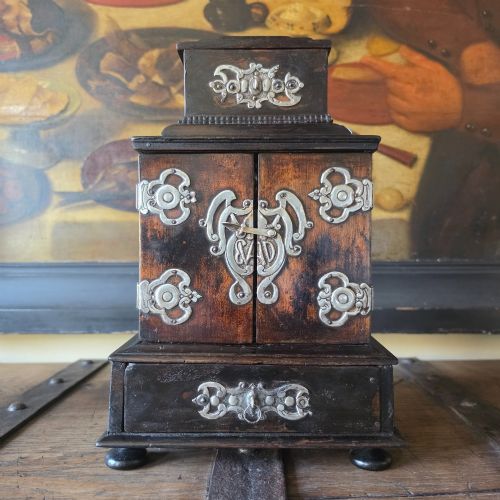
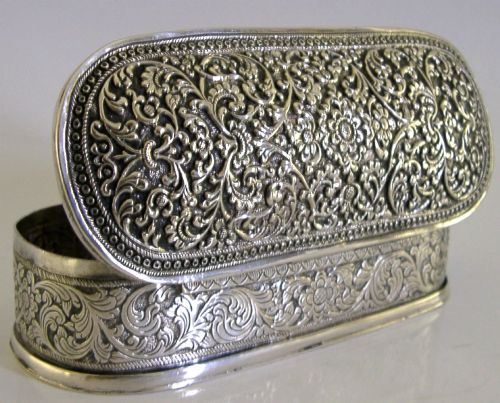
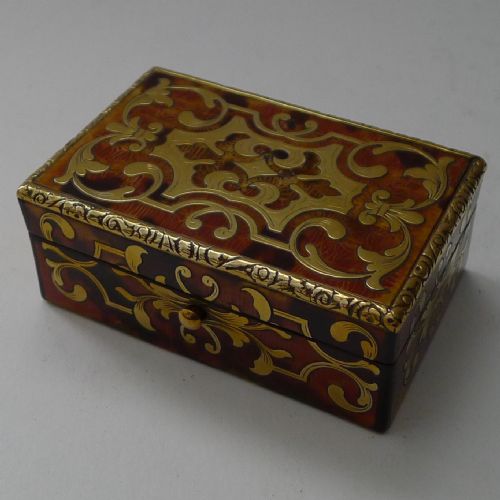
The selections span multiple centuries and regional styles, from Victorian walnut boxes with brass mounts to intricate carved hardwood pieces from Burma and India. You frequently meet 19th-century European examples utilising cast brass, ormolu, and silver, alongside refined French Boulle and Gothic Revival work.
Makers utilised diverse materials to catch the eye, combining rich timbers with precious metals, enamel, and stone. Surviving examples range from simple domestic sewing cases to lavish Renaissance Revival table boxes set with cameos.
Materials and construction
Cabinetmakers constructed the foundational carcases of these caskets using dense timbers such as walnut, rosewood, sandalwood, and various hardwoods. Artisans frequently applied marquetry inlays or carved intricate surface patterns directly into the wood.
Metalworkers mounted these wooden and stone structures with cast brass, ormolu, silvered metal, and gilt metal mounts, hinges, and locks. Many caskets incorporate panels of sterling silver, enamel, or marble to elevate their decorative presence.
Materials recorded across the inventory include sterling silver, burr walnut, onyx, marble, tortoiseshell, and cast bronze.
Assessing quality and execution
The distinction between standard domestic boxes and superior caskets lies in the depth of hand-carving, the crispness of metal casting, and the selection of materials. Fine examples display tight joinery, precise marquetry, and high-relief ornamentation rather than superficial stamping or generic assembly.
Superior pieces integrate secondary decorative elements, such as fitted interiors, inset cameos, hand-painted enamel panels, or heavy bronze and ormolu mounts, executed by skilled workshops rather than mass production lines.
Walker and Hall·AB Paris
The Ornate Trinket Casket Glossary
- Ormolu
- Gilded bronze or brass applied to furniture and decorative objects. This technique was widely utilised by French makers during the nineteenth century to add rich golden highlights.
- Marquetry
- The art of applying small pieces of veneer to a structure to form decorative patterns. Artisans used contrasting timbers to create pictorial or geometric designs.
- Boulle
- A style of marquetry utilising tortoiseshell and brass inlay developed in France. It creates a striking contrast of dark amber tones and reflective metal.
- Gothic Revival
- An architectural and decorative style drawing inspiration from medieval forms. Pieces in this style often feature pointed arches, tracery, and heavy iron or brass strapwork.
- Renaissance Revival
- A nineteenth-century revival of classical sixteenth-century motifs. Objects show dense ornamentation including strapwork, cameos, and figurative appliques.
Ornate Trinket Casket: Frequently Asked Questions
What are ornate trinket caskets used for?
These boxes were historically placed on dressing tables or writing desks to store rings, brooches, letters, and small personal valuables. Their decorative exteriors ensured they contributed to the room's overall aesthetic while keeping precious items secure.
Today, they serve a similar purpose in modern interiors, offering a tactile way to store daily accessories while displaying period craftsmanship on a shelf or surface.
How do I identify a 19th-century casket?
Nineteenth-century pieces often display specific revival styles popular during the period, such as Gothic Revival, Renaissance Revival, or French Empire. Look at the construction methods, lock mechanisms, and the specific composition of the metal mounts.
Materials like ormolu, cast brass, and burr walnut are strong indicators of Victorian and continental European manufacturing techniques from this era.
Where were these decorative boxes made?
Production was widespread across Europe and British colonial territories, with notable centres in France, Britain, and the Netherlands. Continental pieces frequently feature cast brass and ormolu, while British examples often utilise native and imported timbers.
Other pieces originate from regions such as India, Burma, and the Middle East, showcasing local carving traditions and indigenous hardwoods like sandalwood.
How do I care for a wooden and metal casket?
Keep wooden surfaces away from direct sunlight and extreme humidity fluctuations to prevent timber movement or veneer lifting. Dust regularly with a dry, soft cloth rather than using liquid polishes.
Metal mounts and ormolu require gentle dusting without abrasive cleaners to preserve the original surface finish and patination accumulated over time.