



Ornate Silver Trinket
These ornate silver trinket pieces offer tangible history and decorative utility, ranging from Victorian caskets to Edwardian potpourri boxes.
Ornate Silver Trinket
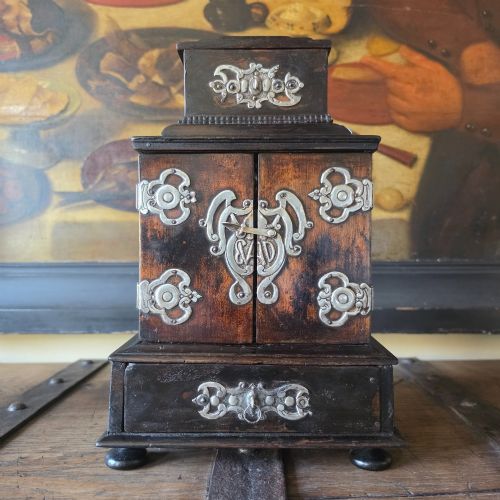
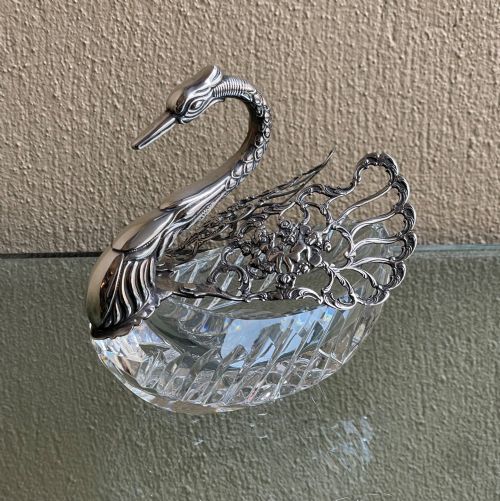
The version most commonly met on this page is the Victorian sterling silver jewellery casket or box, often featuring revivalist styling. Alongside these British pieces appear continental examples, walnut cabinets, and cut glass dishes mounted in metal.
Forms vary from lidded boxes and small baskets to figural swan dishes and partitioned cabinets. They serve both as decorative desktop or dressing table objects and as functional receptacles for small personal valuables.
How they were made
The physical construction relies on solid silver, sterling silver, and silver plate, alongside silvered metal and silver gilt. Certain items combine these metallic elements with organic materials such as walnut wood or cut glass bodies.
Surface decoration draws heavily on revivalist movements, showing Rococo Revival, Renaissance Revival, and Anglo-Indian design motifs. Skilled makers applied techniques including cameo work, gold and enamel appliques, and intricate repoussé or chased patterns.
Ornate Silver Trinket Retail Price Guide 2026
Typical asking prices for ornate silver trinket among the pieces listed under this phrase on Sellingantiques today, from the lower quarter to the upper quarter. They describe what is for sale here now, not the wider market.
Materials recorded across the inventory include sterling silver, silver plate, silver gilt, walnut wood, and cut glass.
What varies in quality
Quality separates objects by the depth and sharpness of their chased or repoussé ornament and the complexity of their construction. Pieces featuring hand-applied details such as enamel, cameos, or gold appliques sit above plain stamped containers.
The choice of materials also dictates standing, with solid sterling silver and silver gilt versions outranking silvered metal or plated alternatives. Internal fittings, such as original velvet or silk linings and working locks with keys, elevate an example further.
Walker and Hall·AB Paris
The Ornate Silver Trinket Glossary
- Sterling silver
- An alloy containing a high proportion of pure silver by weight, standard for quality British plate and small items. It carries hallmarks indicating the assay office and date.
- Silver gilt
- Silver that has been coated with a thin layer of gold on its surface, often seen on the interior of boxes and caskets. This technique prevents the silver from tarnishing where it contacts contents.
- Repoussé
- A metalworking technique where the artisan hammers the metal from the reverse side to form a raised design in relief. Details are then refined from the front using chasing tools.
- Potpourri
- A mixture of dried petals and spices used to scent a room, housed in specially pierced or ventilated vessels. In silver boxes, these lids feature openwork grilles to release the fragrance.
- Casket
- A decorative box or chest intended for storing valuables, jewellery, or documents. They frequently feature hinged lids, secure locks, and lined interiors.
Ornate Silver Trinket: Frequently Asked Questions
What were silver caskets used for?
These boxes served to safeguard precious personal items such as rings, brooches, and keepsakes on dressing tables. Wealthy owners kept them in private chambers to secure small valuables.
Over time, their roles shifted from purely utilitarian storage to decorative display pieces. Many served as ornamental containers for potpourri or specialised vanity accessories.
How do I care for silver trinket boxes?
Maintenance requires gentle cleaning with a soft cloth to manage natural tarnishing without removing the underlying metal. Avoid abrasive polishes that can wear away thin silver plating or damage delicate chased details.
If the piece contains velvet or silk linings, keep them away from moisture and direct sunlight. Proper placement in a stable environment protects both the metal exterior and fragile internal fabrics.
How do I identify a Victorian silver box?
Victorian examples often display heavy revivalist influences, such as Rococo scrolls or Renaissance motifs, reflecting nineteenth-century historicism. Examining the piece for British hallmarks provides exact dates and assay office marks.
Construction methods also help determine the era, as machine stamping became more common toward the end of the nineteenth century. Earlier boxes frequently show hand-finished details and heavier gauge metal.
What is the difference between a box and a casket?
In antique terminology, a casket typically denotes a more formal, decorative chest with a hinged lid, often intended for high-status items. They frequently feature more elaborate ornamentation, secure locking mechanisms, and fitted interiors.
Standard boxes cover a broader range of utilitarian lidded containers without the architectural styling or specific association with valuables. The distinction often rests on the level of decorative ambition and hardware present.