


Ornate Silver Stand
An ornate silver stand brings heavy cast detail, polished plate and structural grace to a desk, table or sideboard.
Ornate Silver Stand
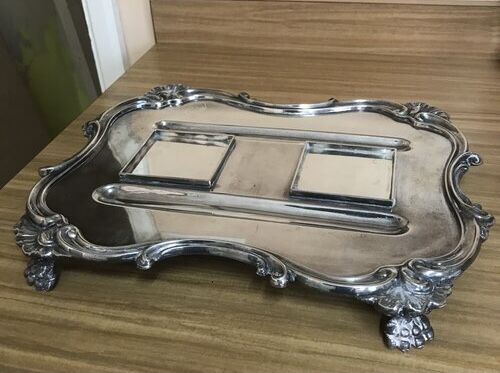
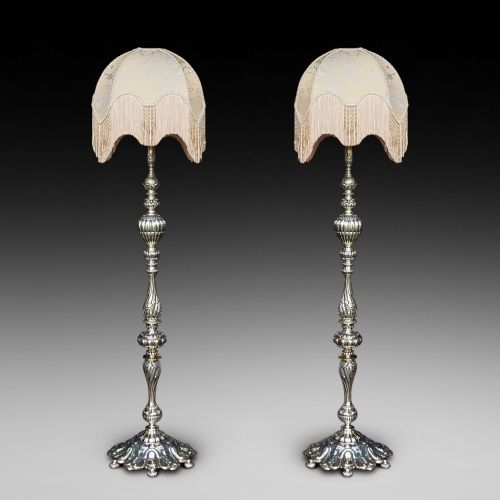
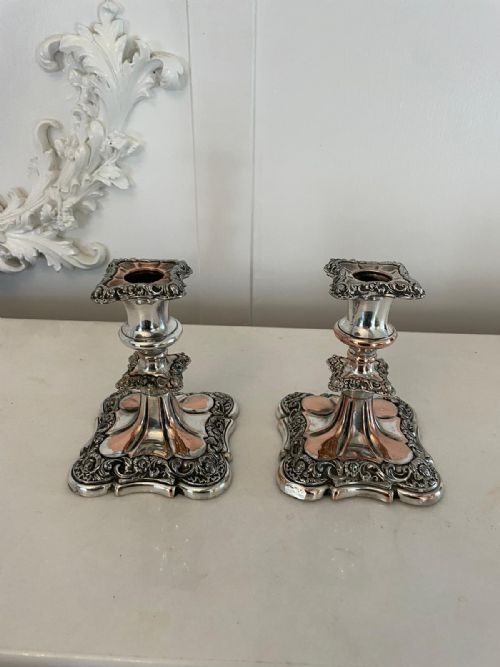
An ornate silver stand encompasses a diverse group of functional objects designed to hold everything from ink wells and photograph frames to bottles and candlesticks. When searching for an ornate silver stand, buyers encounter pieces intended for desktop organisation, dining table service and display.
The selections span distinct historical periods including the Victorian and Edwardian eras, alongside Georgian and early twentieth-century examples. Common forms include cruet sets, decanter frames, desk tidies, spoon rests and photograph frames, often showing revivalist decorative motifs.
Makers and retailers such as Harrods, Smith & Sissons & Co, and Elkington are represented among the pieces. The origins range from English workshops to French studios, incorporating materials beyond metal such as cut glass and wood.
Materials and construction
The physical build relies heavily on silver plate, Old Sheffield plate, solid silver and brass, frequently combined with cut glass inserts, wood and fabric linings. Metal components are often embossed, cast or scroll-worked to achieve deep relief decoration.
Techniques range from electroplating over base metals to traditional Sheffield plating where a thin sheet of silver is fused to copper. Subsidiary materials like gesso and carved wood provide structural support or decorative framing for mirrors and specialised stands.
A spoon rest keeps sticky spoons off the tablecloth, proving that Victorians invented specialised metal solutions for minor dining problems.
Judging the work
Quality rests on the crispness of the chasing and embossing, where sharper, deeper relief denotes finer hand-work rather than simple machine stamping. The weight of the metal and the stability of fitted components like bottle frames or pen rests also indicate higher manufacturing standards.
The integrity of the surface finish matters greatly, particularly how well the silver plating has survived over base metals like brass or copper. Well-preserved makers' marks and integrated components such as original cut glass bottles elevate an example.
Harrods·Smith & Sissons & Co·Elkington
The Ornate Silver Stand Glossary
- Silver Plate
- A thin layer of silver bonded or electroplated onto a base metal such as copper or brass. This technique allowed makers to produce substantial decorative items at a lower cost than solid silver.
- Old Sheffield Plate
- An early method of fusing a sheet of silver to a copper core before rolling them into sheets together. Items made this way often reveal a thin line of copper along exposed edges.
- Cruet Set
- A matched arrangement of bottles, cruets or casters held within a dedicated frame for condiments at the dining table. They frequently feature elaborate scrollwork handles and pierced silver-plated galleries.
- Desk Tidy
- A compartmented tray or stand intended to organise writing equipment such as ink wells, pen rests and stamps. They combine utility with ornamental metalwork suited to a Victorian or Edwardian study.
- Gesso
- A plaster-like mixture applied to wood surfaces and carved or moulded into relief decoration before gilding or silvering. It provides the ornate surface detail seen on mirrors and decorative frames.
Ornate Silver Stand: Frequently Asked Questions
What was a decanter stand used for?
A decanter stand held glass bottles securely during service and transport across a dining table or sideboard.
The metal frames protected the bases of the vessels and often incorporated carrying handles for convenience.
How do I care for silver plated stands?
Silver plated items require gentle cleaning with a soft cloth and specialist metal polish designed for plated surfaces.
Avoiding abrasive cleaners protects the thin layer of silver from wearing away down to the base metal.
Can I use an antique desk tidy today?
An antique desk tidy accommodates modern pens, clips and small stationery items while adding period character to a workspace.
Original glass ink wells can still hold ink or serve as decorative containers for small accessories.
What styles influence these metal stands?
Many pieces draw inspiration from Victorian Rococo Revival and Art Nouveau aesthetics, featuring flowing organic lines and deep embossing.
Earlier Georgian and later twentieth-century traditional designs also appear among the listed items.