
Ornate Rococo Overmantel Mirror
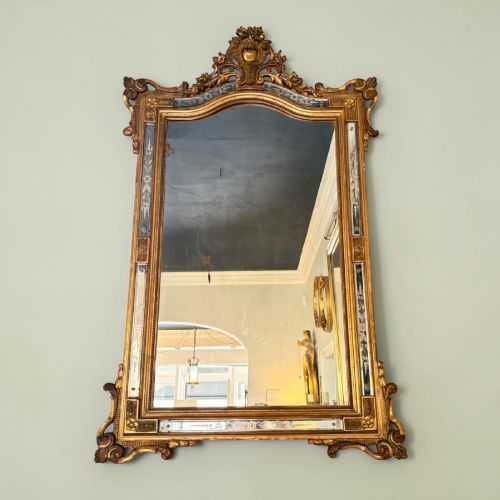
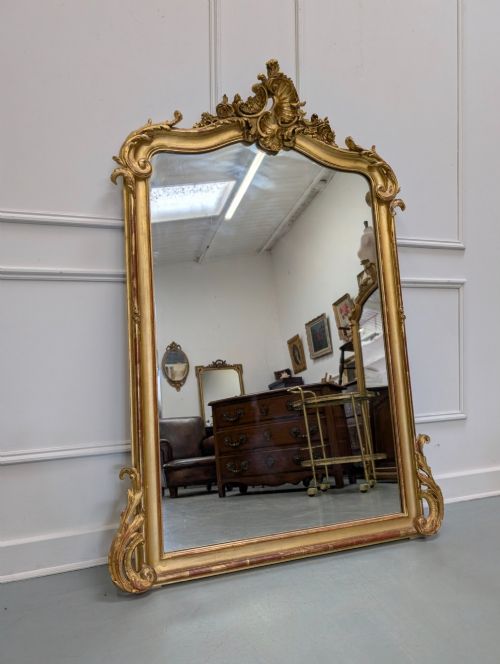
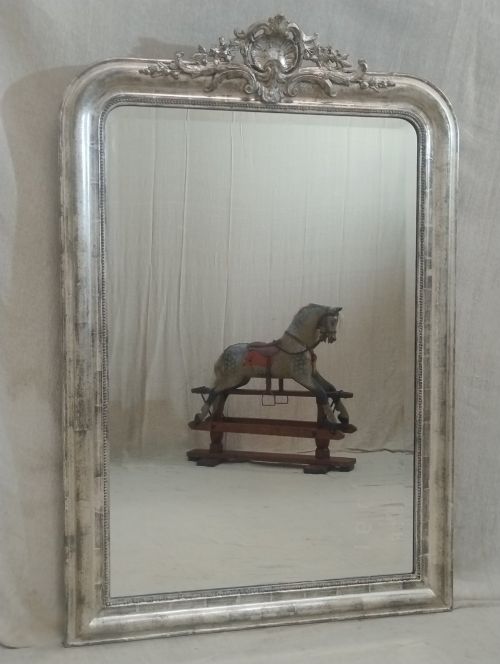
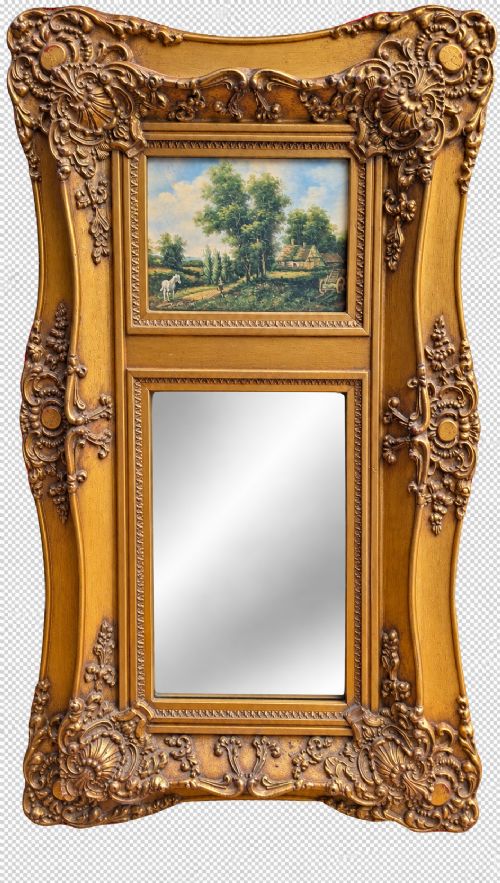
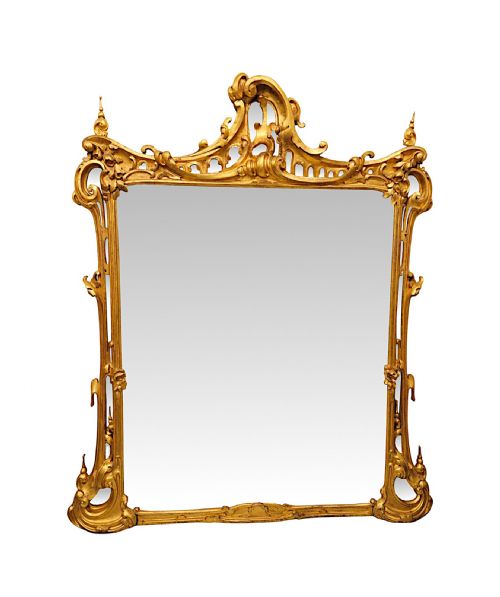
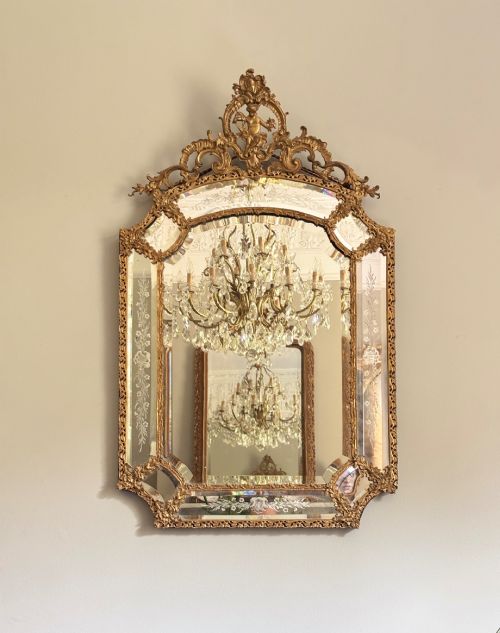
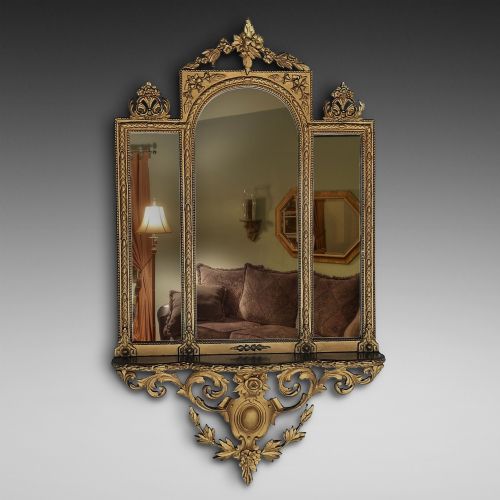
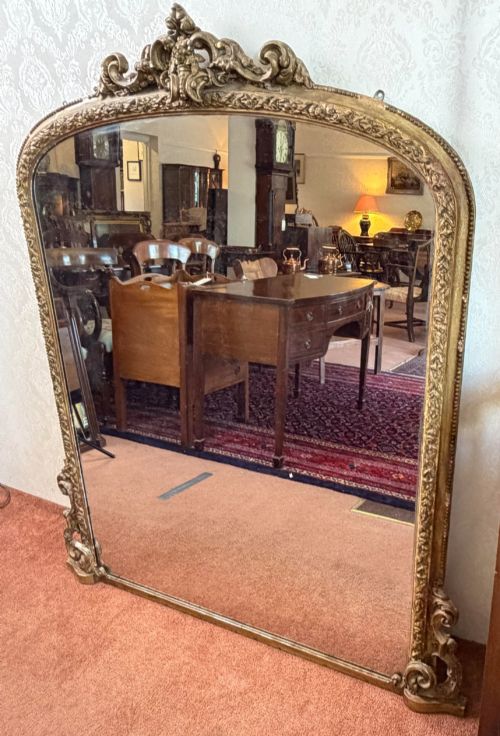
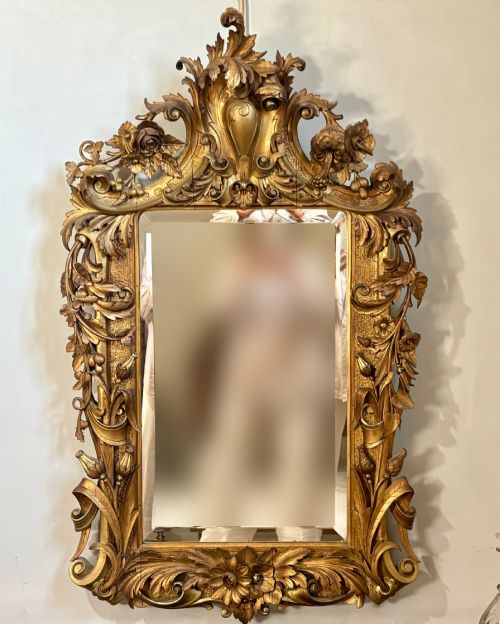
An ornate rococo overmantel mirror brings sweeping scrolls and gilt surfaces to a chimney breast, capturing light and nineteenth-century craft.
Ornate Rococo Overmantel Mirror
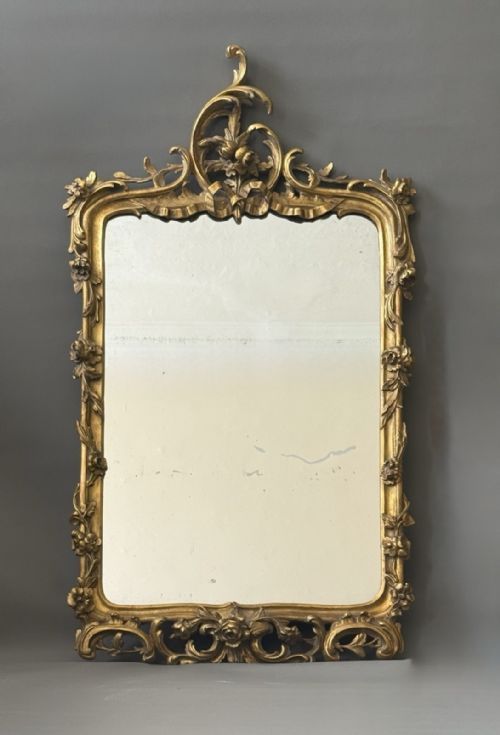
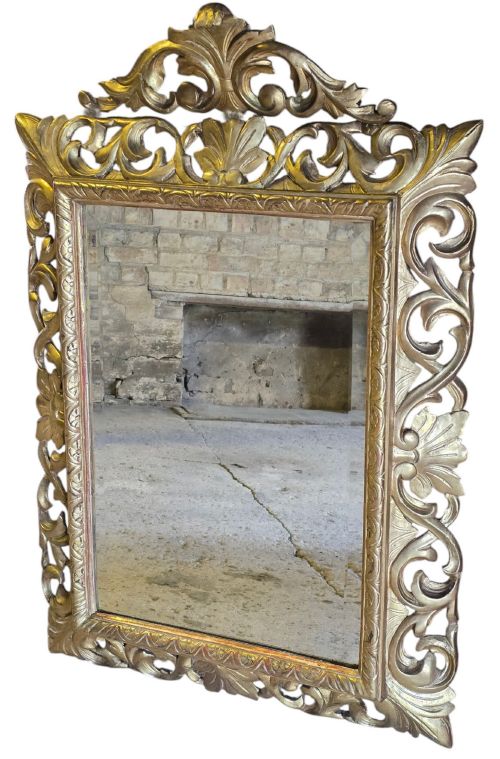
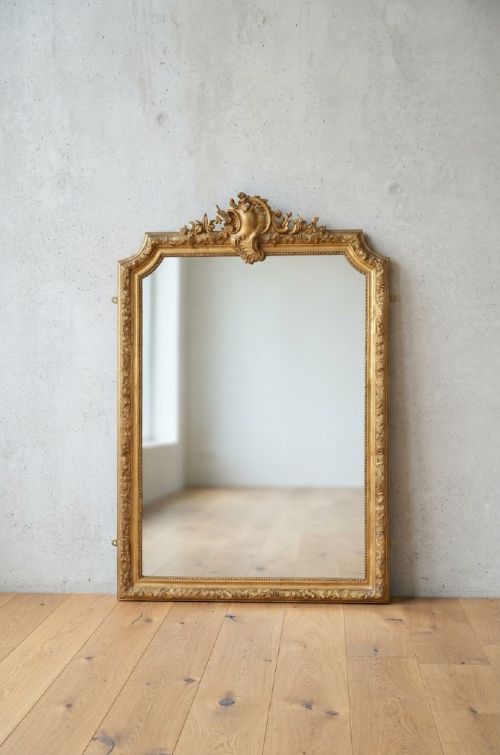
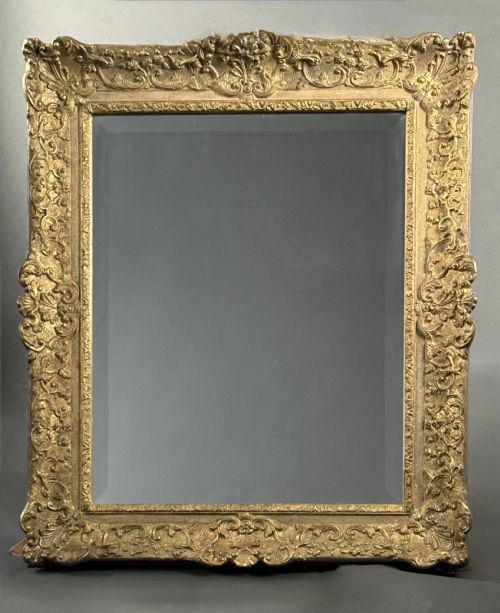
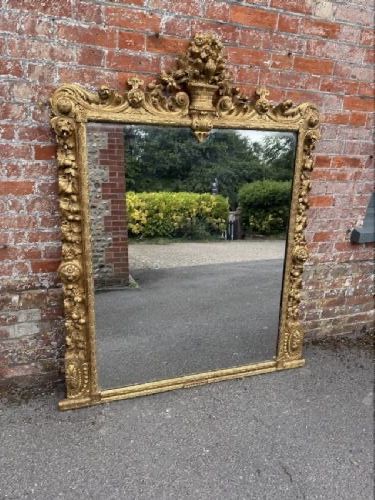
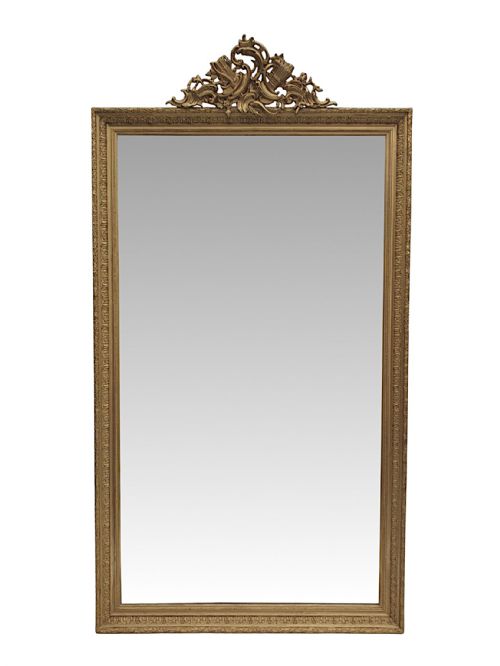
An ornate rococo overmantel mirror is designed specifically to sit above a fireplace, anchoring the proportions of a reception room with sweeping, asymmetrical lines. The examples gathered here span the eighteenth, nineteenth, and early twentieth centuries, including Georgian, Victorian, and Edwardian interpretations.
Most pieces you encounter on this page date to the nineteenth century, reflecting the Victorian revival of French Rococo and Louis XV styles alongside Chinese Chippendale variations. These large wall mirrors frequently combine substantial scale with intricate crestings, scrolls, and foliate motifs.
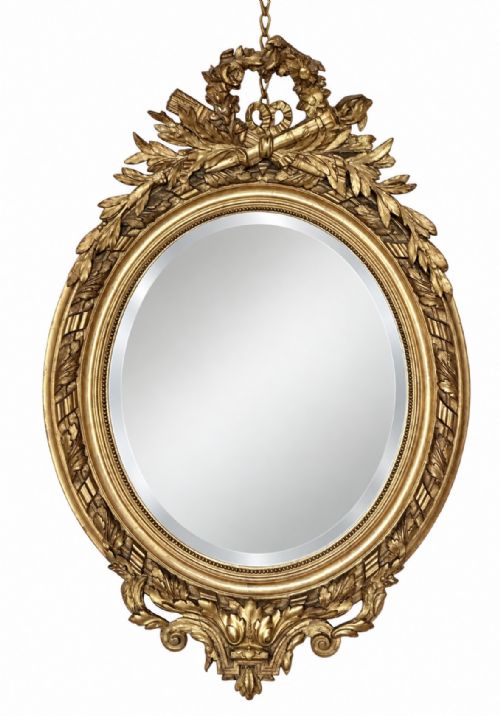
Origin points visible in the titles range from English workshops to French and Italian ateliers, demonstrating diverse regional approaches to carved decoration. Whether rectangular, oval, or pier-style, their primary function remains the reflection of interior space and the enhancement of natural light.
Materials and construction methods
The primary structural material in these pieces is carved wood, often paired with gesso and composition mouldings to build up high-relief ornamentation. Artisans applied gold leaf or parcel gilt over these prepared surfaces to achieve the characteristic reflective warmth.
Mirror glass plates vary from antique versions with visible age to bevelled plates set securely within deep wooden frames. Joinery and carved details demonstrate the hand of skilled carvers who shaped the asymmetrical C-scrolls and naturalistic motifs typical of the style.
Listings feature periods spanning from the eighteenth century through Victorian revivals to early twentieth-century examples.
Assessing quality in carved gilt frames
Quality rests significantly upon the crispness and depth of the hand-carved wood elements versus standard composition mouldings. Superior frames exhibit sharp undercutting and fluid movement in the scrollwork, showing the distinct touch of the carver's chisel.
The application of the gilding and the integrity of the original mirror plate further define the grade of the piece. Look for harmonious patination where the gold leaf or giltwood has aged evenly over the gesso and timber substrate.
The Ornate Rococo Overmantel Mirror Glossary
- Overmantel mirror
- A large wall mirror specifically proportioned to hang on the wall or rest upon the mantelpiece above a fireplace.
- Giltwood
- Timber, commonly pine or lime, that has been coated with gold leaf or metal leaf over a prepared gesso ground.
- Gesso
- A plaster-like mixture applied to wood frames to provide a smooth, absorbent base for gilding and shallow carving.
- Rococo Revival
- A nineteenth-century design movement that reinterpreted the asymmetrical, scroll-heavy aesthetic of the mid-eighteenth-century French court.
- Composition
- A moulded mixture of whiting, resin, and oil pressed into shape to create decorative relief ornament on frames more quickly than hand carving.
- Pier mirror
- A tall mirror designed specifically to hang on the narrow pier of wall space between two windows.
Ornate Rococo Overmantel Mirror: Frequently Asked Questions
How do I hang a heavy overmantel mirror?
These large gilt frames require secure fixing directly into wall studs or masonry using heavy-duty brackets. Professional installation is strongly recommended due to the substantial combined weight of the wood, gesso, and glass.
Position the mirror at a height that balances the mantelpiece below and reflects the opposite side of the room effectively.
Are eighteenth and nineteenth-century styles easy to tell apart?
Original eighteenth-century pieces display authentic hand-carved depth and older silvered glass plates with distinct oxidation patterns. Nineteenth-century revival pieces often utilise composition mouldings alongside carved wood, reflecting Victorian manufacturing methods.
Examining the backboards, fixings, and the preparation layers under the gilding usually clarifies the exact period of manufacture.
Can these mirrors be rested on a mantel instead of hung?
Many overmantel mirrors are constructed to rest safely on the mantel shelf while being anchored to the wall for stability. The weight of the frame assists in keeping it secure when properly tethered at the top corners.
Ensure the mantel shelf itself can support the considerable weight before placing any large mirror directly upon it.