





Ornate Plant Table
An ornate plant table brings botanical life indoors on a structured stage of marble, brass or carved hardwood.
Ornate Plant Table
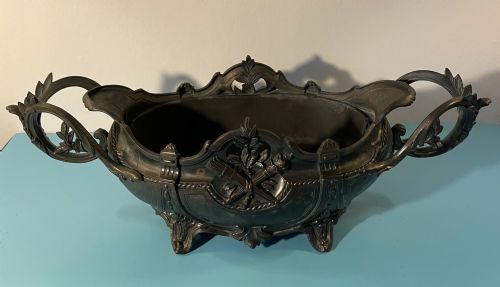
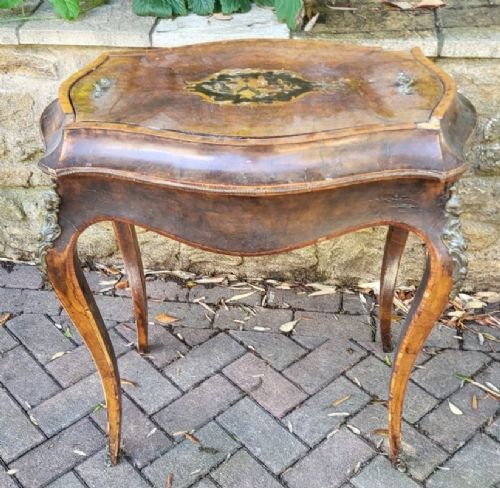
An ornate plant table serves to elevate botanical specimens and jardinieres within a room, appearing across the nineteenth century and into the twentieth century in various regional interpretations. Buyers encounter these forms under multiple designations including plant stands, pedestal tables, side tables and specialised planter containers.
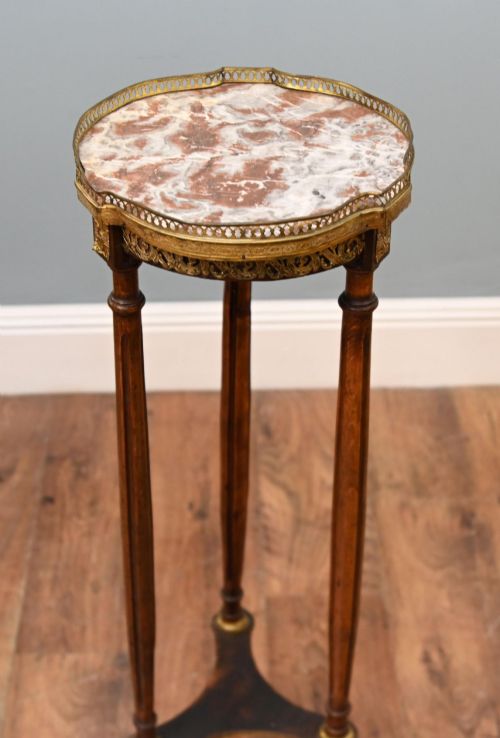
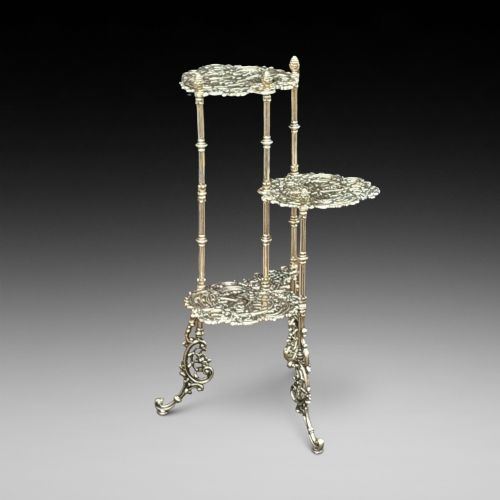
The pieces on this page span the Victorian era, the Edwardian period and the interwar years, reflecting French, Italian, Chinese and Anglo-Indian design vocabularies. Most examples adopt tall, narrow profiles designed to display a single pot or sculptural arrangement without dominating the floor space.
Materials and construction
Cabinetmakers and metalworkers utilised a dense combination of structural timbers like mahogany, walnut and teak alongside decorative elements in brass, ormolu, giltwood and cast iron. Marble, onyx and alabaster inset tops provide durable, moisture-resistant surfaces capable of supporting heavy earthenware and ceramic vessels.
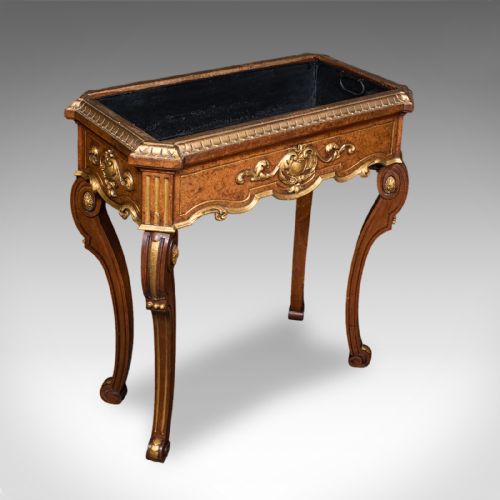
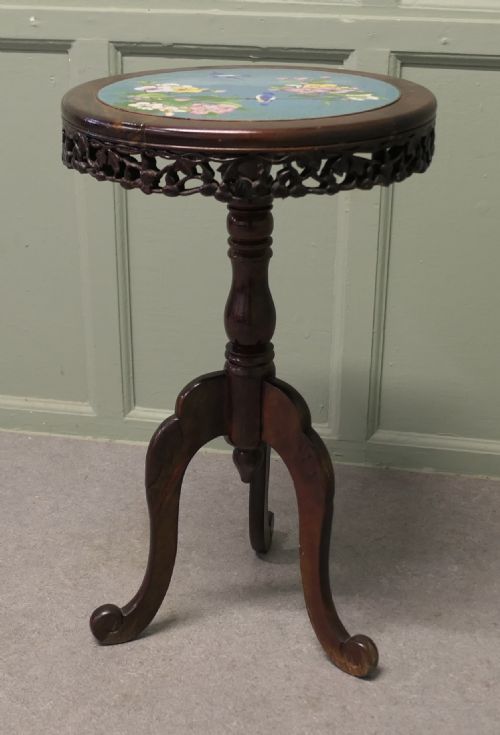
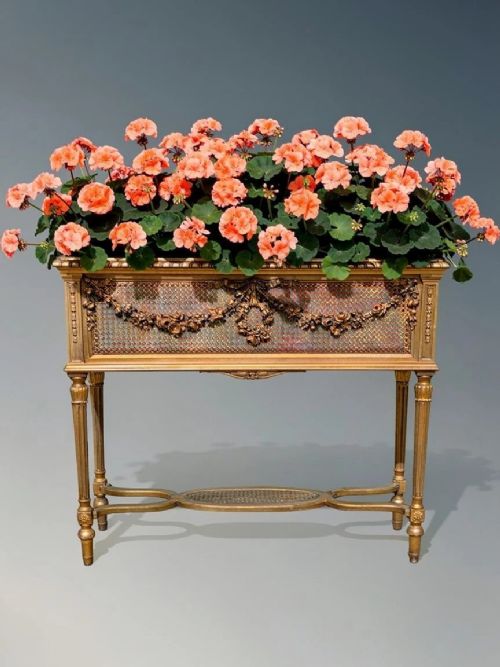
Carving, inlay and painted finishes define the decorative surface work across these pieces, ranging from intricate Chinese hardwood relief to French-inspired rococo gilding. Structural integrity relies on sturdy pedestal bases, multi-tiered platforms and tripod supports designed to balance the weight of soil and water.
Ornate Plant Table Retail Price Guide 2026
Typical asking prices for ornate plant table among the pieces listed under this phrase on Sellingantiques today, from the lower quarter to the upper quarter. They describe what is for sale here now, not the wider market.
Listings feature pieces spanning the nineteenth and twentieth centuries, utilising mahogany, walnut, teak, brass, marble, onyx, giltwood and cast iron.
Assessing quality and manufacture
The distinction between standard production and exceptional manufacture rests on the crispness of hand-carving and the precision of joinery within the frame. Heavy materials like marble and onyx require expert fitting into wooden or metal bezels to sit flush and secure.
Superior examples display harmonious proportions where the decorative brass mounts, ormolu details or inlaid veneers complement the primary timber rather than overwhelm its form. The integration of functional elements, such as lift-off lids or metal liners in planter tables, indicates thoughtful original design.
The Ornate Plant Table Glossary
- Jardiniere
- A decorative container or stand specifically made for holding flowering plants or ferns. These often include internal liners to protect the surrounding woodwork from moisture.
- Gueridon
- A small French table supported by one or more columns, frequently utilised as a plant stand or lamp table. The form gained popularity during the seventeenth century and persisted through later revival periods.
- Ormolu
- Gilded bronze mounts applied to furniture and decorative objects for ornamentation. This technique creates a rich metallic contrast against dark hardwoods and painted surfaces.
- Cloisonne
- An ancient technique for decorating metalwork objects with coloured glass paste placed within compartments defined by bent wire. Pieces utilising this method show vibrant patterns of birds and flowers.
Ornate Plant Table: Frequently Asked Questions
What is an ornate plant table used for?
These tables are primarily designed to elevate potted plants, ferns and floral arrangements to eye level within a reception room or hallway. Their raised platforms keep heavy containers off sensitive flooring while adding a decorative architectural element to the interior.
Many examples also function as lamp tables or occasional surfaces for displaying small sculptures, decorative vessels and personal collections. The inclusion of inset stone tops and lined wells makes them practically suited for holding botanical displays.
How do I style a plant table at home?
Place a plant table in an unused corner, beside a seating arrangement or near a natural light source where foliage can thrive. Pairing the table with a trailing plant or a structured fern allows the botanical elements to soften the rigid lines of the furniture.
Consider the surrounding room style when selecting a piece, matching French giltwood or marble-topped variants with formal interiors, while carved hardwood or Chinoiserie stands suit eclectic or traditional spaces. Ensure the height of the plant complements the scale of the surrounding furniture.
How do I identify the period of a plant table?
Dating relies on examining the combination of materials, construction methods and stylistic revival motifs present in the piece. Nineteenth-century examples often display heavy Victorian mahogany, cast iron or elaborate French ormolu mounts, while twentieth-century pieces incorporate onyx and streamlined brass tiers.
Regional characteristics, such as Chinese export hardwood carving or Anglo-Indian decorative motifs, also point to specific manufacturing origins and eras. Looking closely at joinery and underside construction helps confirm the age of the piece.
Are these tables water resistant?
Many plant tables feature inset marble, onyx or alabaster tops that naturally resist water damage from watering potted plants. However, the wooden frames and gilded surfaces surrounding these stone inserts require careful protection against prolonged moisture exposure.
Planter tables with internal wells or lift-off lids were originally constructed with protective metal liners. Checking for these liners or utilising modern saucers helps preserve the timber interior during daily use.