


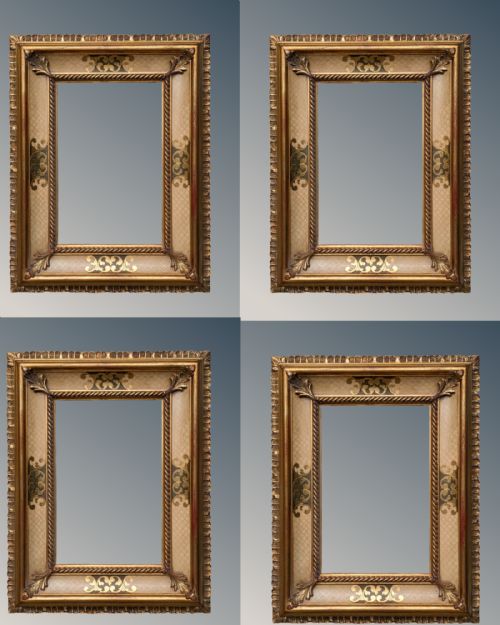
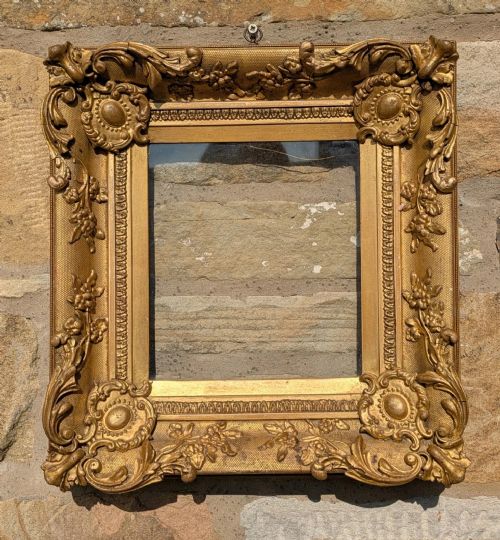


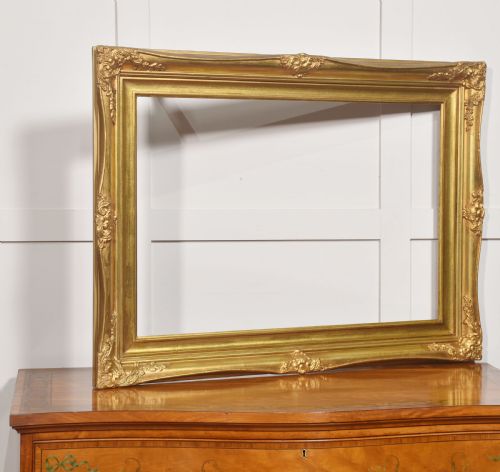


Ornate Picture Mirror
An ornate picture mirror brings sculptural depth to a room, combining heavily decorated framing with reflective glass.
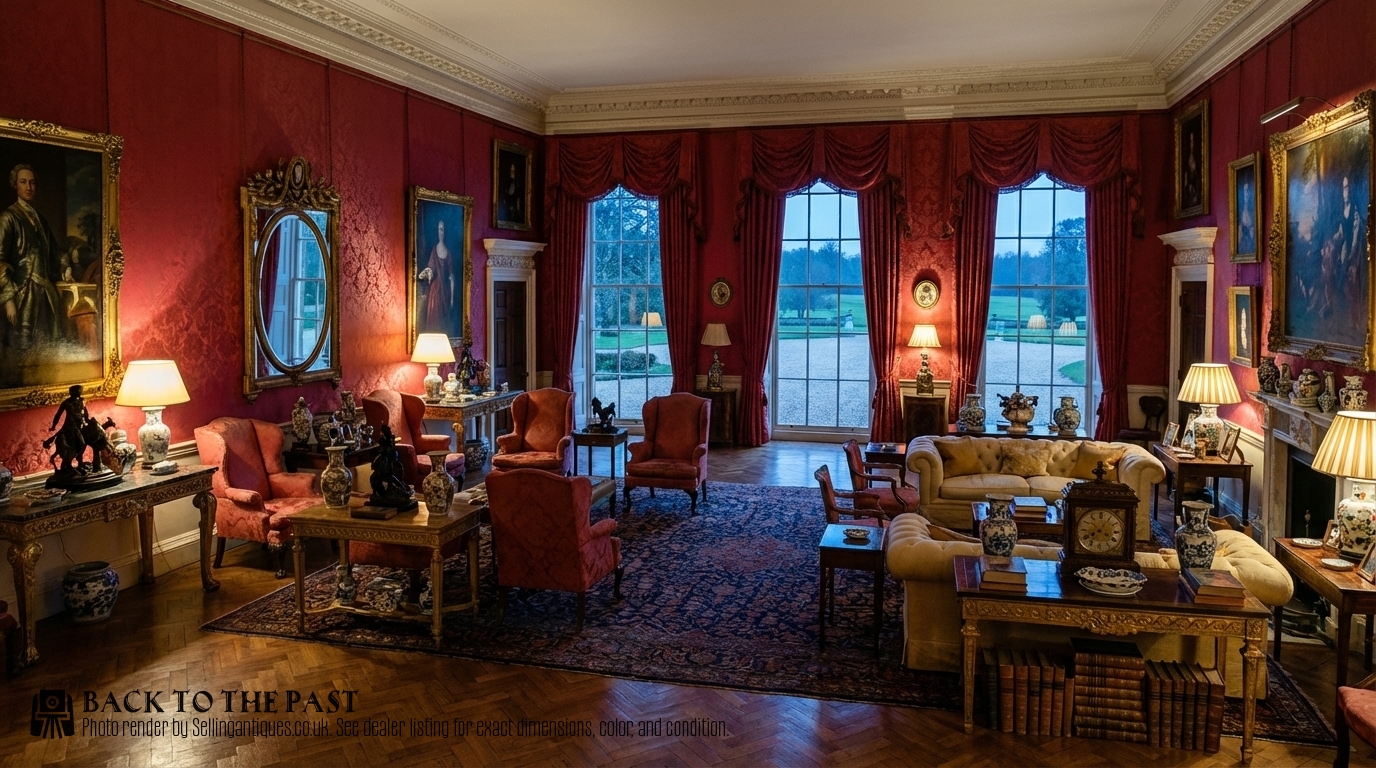
Ornate Picture Mirror
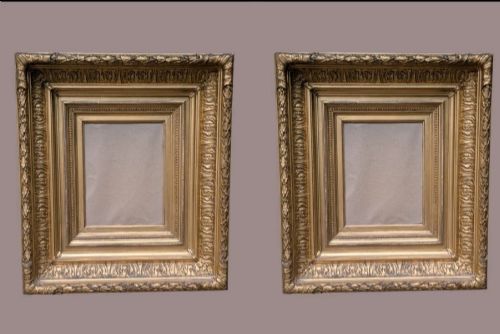
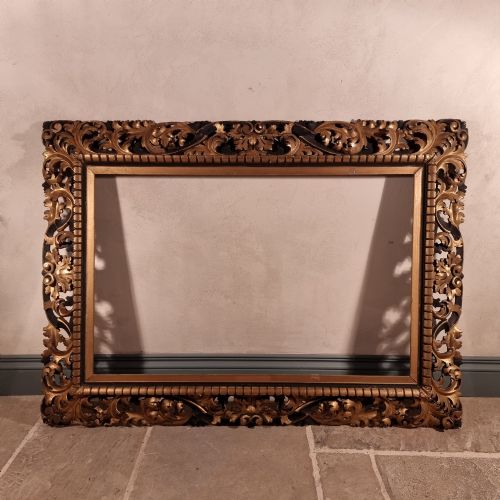
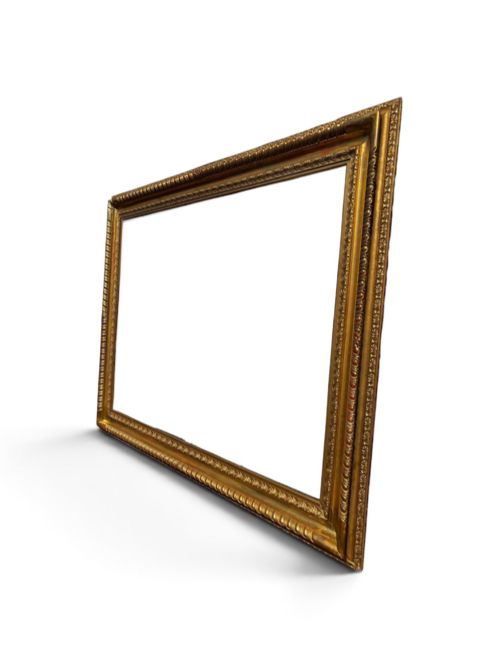
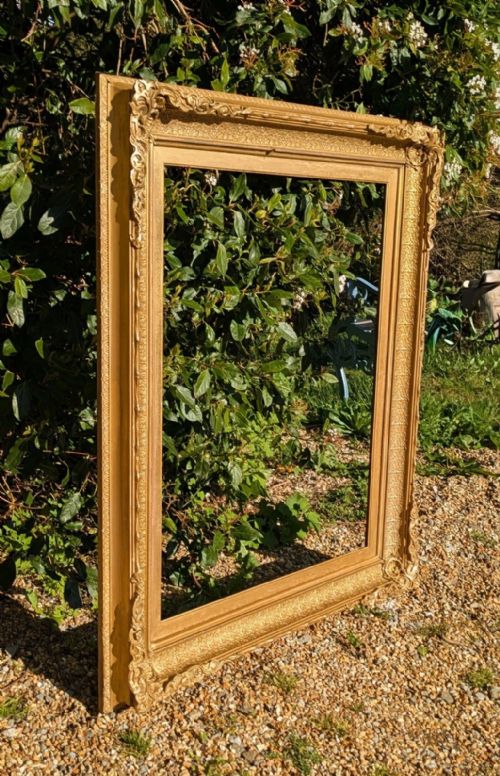
When you search for an ornate picture mirror, you encounter elaborate wall mirrors, deep Victorian gilt frames adapted for reflection, and carved wooden Italian pieces originating across the eighteenth and nineteenth centuries.
The objects take several forms on this page, ranging from rectangular wall mirrors and oval Baroque frames to table mirrors and French gilt bronze pieces with champleve enamel details.
Victorian Rococo Revival styles dominate the selection, bringing flamboyant crests, lion heads, and deep mouldings designed to catch the light in formal reception rooms.
How they were made
Makers constructed the foundation structures using timber and wood, upon which they applied layers of gesso and composition material to build up intricate relief ornaments.
Surface brilliance relied on gold leaf and gilding techniques, creating rich metallic finishes that defined Baroque, Florentine, and French Chateau aesthetic traditions.
Ornate Picture Mirror Retail Price Guide 2026
Typical asking prices for ornate picture mirror among the pieces listed under this phrase on Sellingantiques today, from the lower quarter to the upper quarter. They describe what is for sale here now, not the wider market.
Listings feature pieces spanning from the 17th century through the 19th century, utilising giltwood, gesso, and cast brass.
What varies in quality
The depth and crispness of the carved detail separate standard production from masterwork examples, particularly in the hand-modelled gesso work and pierced wooden scrollwork.
Original gilding condition and the integrity of the timber framing beneath dictate the enduring presence of each piece.
The Ornate Picture Mirror Glossary
- Gesso
- A plaster mixture applied to wood frames as a base for moulding and gilding. It provides a smooth white surface that holds intricate relief detail.
- Giltwood
- Timber that has been coated with gold leaf or metallic powder. This material gives ornate picture mirrors their signature warm reflectivity.
- Rococo Revival
- A nineteenth-century design movement favouring asymmetrical scrollwork, naturalistic shell motifs, and exuberant curves. It is the dominant style seen across these Victorian frames.
- Cassetta
- A flat-profile picture frame style originating in Renaissance Italy, often featuring moulded inner and outer edges.
- Champleve
- An enamelling technique where artist cells are gouged into a metal surface and filled with vitreous paste before firing.
Ornate Picture Mirror: Frequently Asked Questions
How do I hang a heavy gilt mirror?
These heavy wooden and gesso pieces require secure wall fixings distributed across the main structural timber frame. Professional mirror brackets or French cleats provide the necessary support for safe wall mounting.
Ensure your fixings engage directly with wall studs or utilise appropriate heavy-duty cavity anchors suited to the weight of the gilded timber.
Are these picture frames converted into mirrors?
Many examples begin life as deep decorative picture frames or oil painting housings before receiving a mirror plate. This practice has a long history, as artisans utilised grand Florentine and Victorian frames for interior reflection.
Examine the backboards and rebate depth to understand how the glass integrates into the original timber moulding.
What defines the Rococo style?
Rococo design relies on flamboyant asymmetry, C-scrolls, floral garlands, and exuberant natural forms. This style creates a sense of movement across the frame corners.
On this page, Victorian interpretations of Rococo bring dramatic crests and deep shadow lines to wall mirrors.