





Ornate Metal Tray
An ornate metal tray brings heavy Victorian and Edwardian character to a room through cast iron, silver plate, and gilt bronze.
Ornate Metal Tray
An ornate metal tray covers a broad sweep of domestic utility and display pieces ranging from silver plated round salvers to heavy copper repousse chargers and French gilt bronze vide poche. When you search for an ornate metal tray, you meet items designed for serving, ink well storage, and decorative display across the Victorian, Edwardian, and late nineteenth century periods.
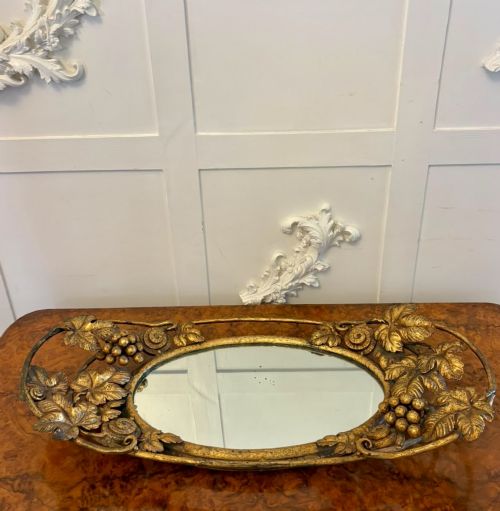
The objects here include silver plated salvers with engraved surfaces and raised detailed rims, along with mirrored drinks serving trays featuring vine motifs. These pieces reflect the functional and ornamental demands of nineteenth and early twentieth century households, using durable metals shaped into elaborate forms.
How they were made
Makers utilised casting techniques for robust items like heavy bronze centre pieces and cast iron stands, while finer display pieces relied on silver plating over base metals. Copper repousse work brought textured, hammered relief to decorative chargers.
Gilt metal and ormolu surface treatments added golden finishes to mirrors, lamps, and vide poche items. Engraving tools carved detailed patterns directly into silver plated surfaces and raised rims.
Ornate Metal Tray Retail Price Guide 2026
Typical asking prices for ornate metal tray among the pieces listed under this phrase on Sellingantiques today, from the lower quarter to the upper quarter. They describe what is for sale here now, not the wider market.
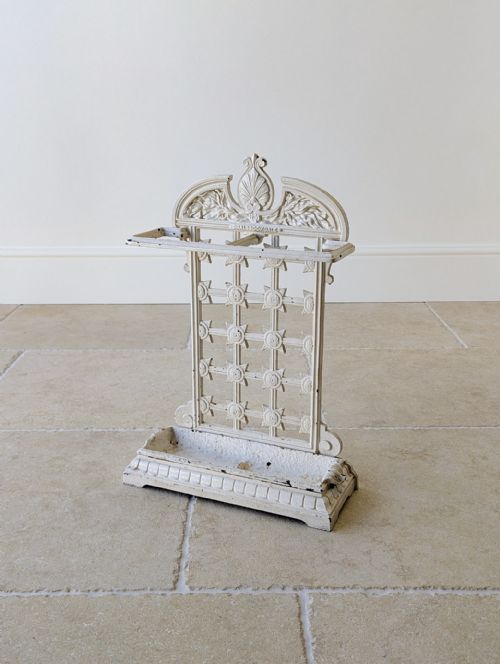
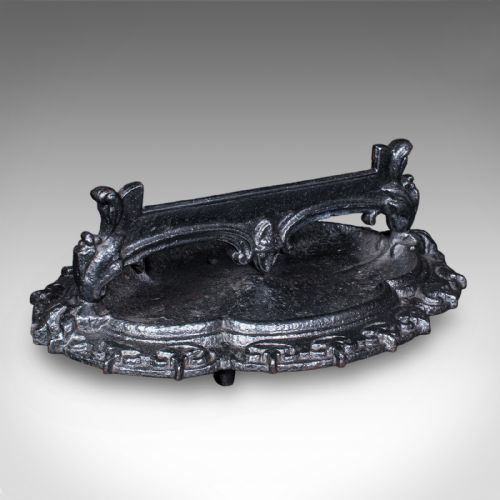
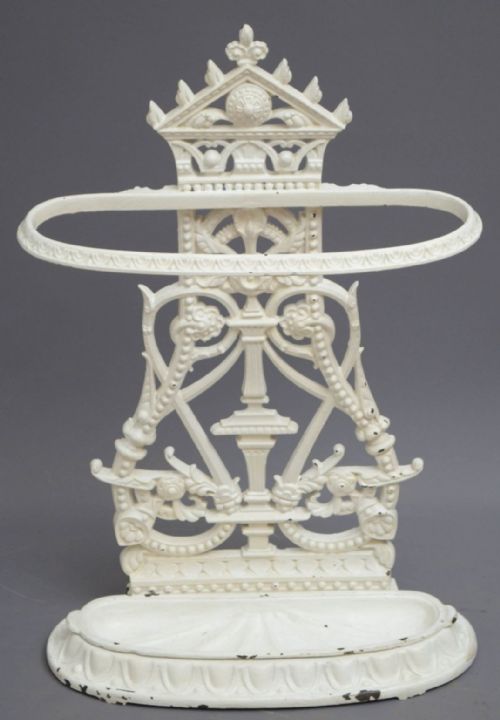
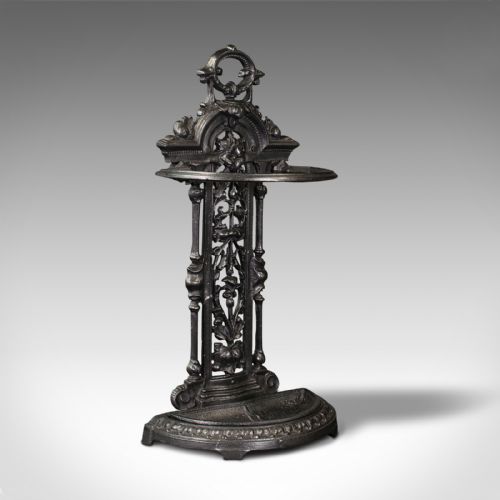
Several items on this page were built to keep muddy boots away from fine carpets rather than hold your afternoon tea.
What varies in quality
The quality of an ornate metal tray rests upon the crispness of its cast ornament, the depth of its hand-chased or repousse detail, and the integrity of its plated or gilded surface. Pieces featuring sharp, unblurred relief work and substantial metal weight stand apart from simpler or more worn examples.
Design ambition also dictates quality, with items showing specific stylistic influences like Louis XVI or Rococo Revival demonstrating greater attention to period detail than standard production pieces.
Coalbrookdale·Fenton Russel·Elkington
The Ornate Metal Tray Glossary
- Silver Plate
- A thin layer of silver bonded to a base metal core such as copper or brass. This technique allowed households to own durable tableware with the appearance of solid silver.
- Ormolu
- Finely ground high-carat gold mercury-gilded to a bronze object. It creates a rich, matte yellow gold finish popular on decorative French and English items.
- Repousse
- A metalworking technique where the artisan hammers the metal from the reverse side to form a raised design in relief. It produces deeply textured decorative surfaces.
- Vide Poche
- A small tray or bowl designed for emptying pockets of coins, keys, and small items upon entering a room. These French pocket empties often feature gilt bronze casting.
- Salver
- A flat tray, typically made of silver or silver plate, used for serving food and drinks or presenting cards. Examples often include engraved surfaces and raised rims.
Ornate Metal Tray: Frequently Asked Questions
What is an ornate metal tray used for?
These trays served primarily for hosting drinks, presenting calling cards, or holding small everyday items in formal rooms.
Today they function effectively as decorative centrepieces on sideboards or as functional display surfaces for glassware.
How do I clean a silver plated tray?
Silver plated surfaces require gentle cleaning with specialised silver cloths to avoid wearing through the thin plating to the base metal.
Harsh chemical dips should be avoided, particularly on items with engraved highlights or darkened antiqued recesses.
How can I tell a Victorian tray apart from later pieces?
Victorian and nineteenth-century pieces typically exhibit heavier casting, hand-engraved detailing, and traditional plating methods distinct from modern manufacturing.
Examining the underside, weight, and wear patterns helps determine whether an object dates to the Victorian era or later.
Are these trays suitable for daily use?
Many solid metal and silver plated trays are robust enough for occasional serving duties or holding desktop accessories.
Items with delicate gilt finishes or mirrored inserts require more careful handling to preserve their decorative surfaces.