


Ornate Metal Garden Tables
These ornate metal garden tables bring architectural presence to lawns and terraces through durable cast iron and intricate scrollwork.
Ornate Metal Garden Tables
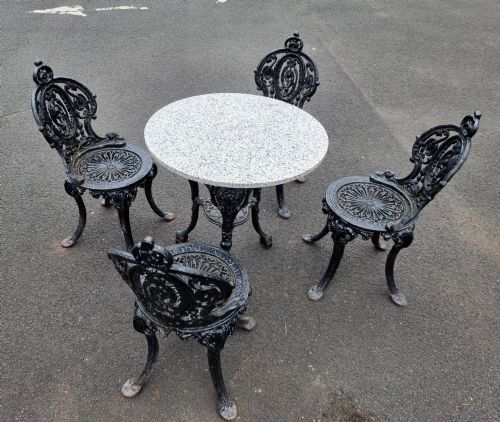
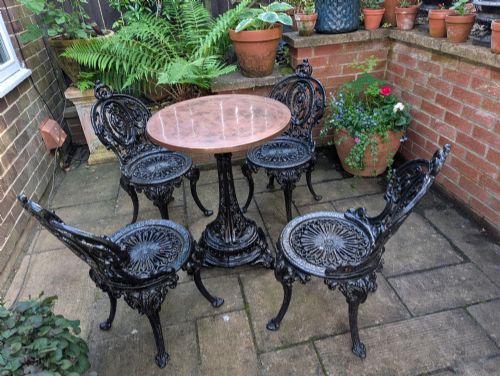
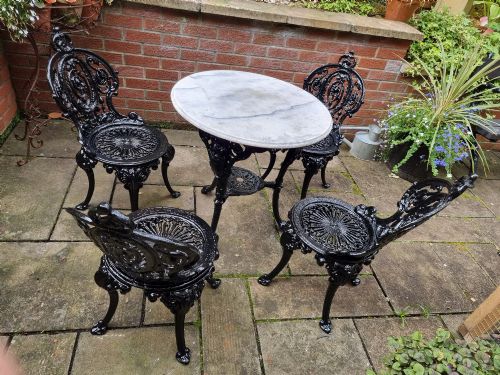
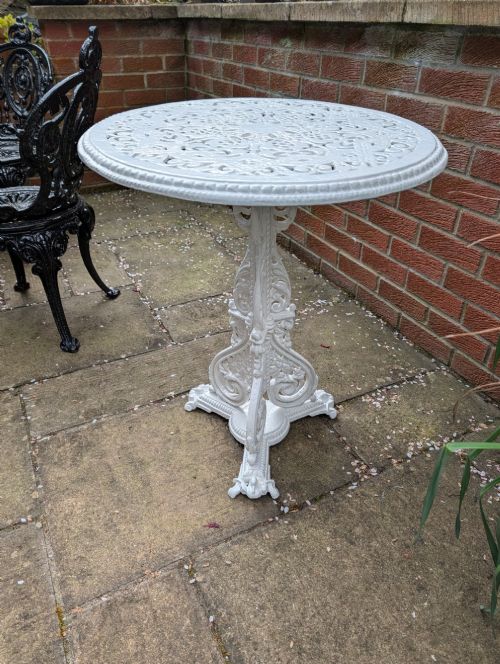
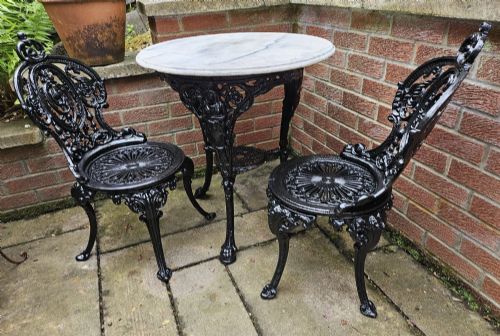
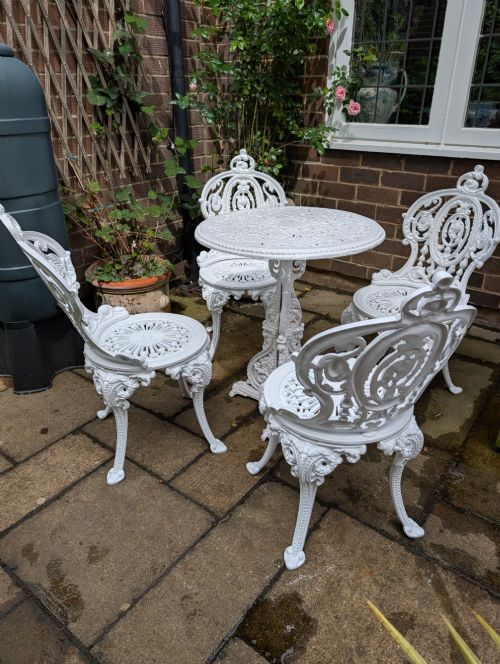
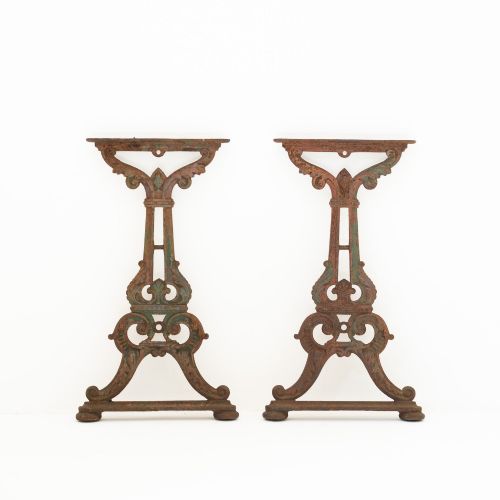
When you search for ornate metal garden tables, you encounter robust outdoor furniture designed to withstand the elements while offering decorative appeal. The pieces available span garden dining sets, bistro tables, occasional tables, and standalone table bases.
Victorian examples and 1930 settings dominate the selection, often incorporating French industrial influences alongside Rococo revival styles. You will find items paired with matching chairs or fitted with contrasting stone tops.
Most examples rely on heavy cast iron construction, frequently featuring elaborate scroll work and established nineteenth-century design patterns. These tables function equally well as practical outdoor dining surfaces and sculptural focal points.
How they were made
Foundries utilised heavy cast iron to create the robust frames and intricate bases that define these pieces. Molten metal poured into detailed moulds produced the deep relief scrollwork and structural rigidity required for outdoor use.
Surface finishes often involved protective paint applications over the raw iron. Selected pieces incorporated contrasting natural materials like marble, granite, wood, copper, and brass into the tabletop design.
Listings combine 19th Century, Victorian, 1920, and 1930 periods with cast iron, marble, copper, paint, granite, wrought iron, brass, and wood.
What varies in quality
The sophistication of the casting work dictates the visual standard of each piece. Crisp, deeply defined scrollwork and purposeful proportions separate superior tables from simpler utilitarian castings.
Material combinations also influence the standing of a table, particularly the integration of fitted marble or granite tops paired with the cast iron base. Original painted surfaces or patinated metal add to the desirability of the piece.
Christopher Dresser
The Ornate Metal Garden Tables Glossary
- Cast iron
- A strong, heavy alloy poured into moulds to create intricate furniture frames. This material provides the necessary weight and durability for permanent outdoor placement.
- Scrollwork
- Decorative curving ornamental patterns cast into the metalwork. It forms the primary aesthetic detail on Victorian garden table bases.
- Bistro table
- A small café-style table designed for compact spaces. These typically feature a central pedestal base supporting a round or square top.
- Occasional table
- A small secondary table used for specific minor functions rather than primary dining. In garden settings, these serve as plant stands or drinks surfaces.
- Rococo Revival
- A nineteenth-century design movement favouring asymmetrical curves, natural motifs, and elaborate ornamentation. This style heavily influences the decorative metalwork seen on Victorian tables.
Ornate Metal Garden Tables: Frequently Asked Questions
Are these tables heavy to move?
Cast iron construction gives these tables substantial weight, making them stable in windy garden conditions. You will need assistance when relocating larger dining sets or heavy table bases.
The considerable mass prevents accidental tipping on uneven lawns or stone patios. This permanence is a deliberate feature of nineteenth-century outdoor furniture design.
Can I leave them outside all year?
Cast iron handles outdoor exposure well, provided the protective paint finish remains intact. Regular maintenance helps prevent rust from forming on the decorative surfaces.
Storing tables indoors during harsh winter months or covering them properly prolongs the lifespan of the metal and any fitted stone tops.
How do I identify Victorian pieces?
Victorian examples frequently display characteristic Rococo Revival scrollwork or specific designer attributions. The depth of the casting and the weight of the iron point towards nineteenth-century production methods.
Examining the construction joints and the wear patterns on the metal helps differentiate genuine antique tables from later twentieth-century reproductions.
What surfaces work best with these bases?
Original configurations often pair heavy cast iron bases with fitted marble or granite tops. These stone surfaces offer weather resistance and a formal contrast to the ornate metalwork below.
Wooden and copper top variations also appear, bringing warmth and different textural qualities to the garden setting. Each material requires appropriate care to maintain its appearance outdoors.