







Ornate Metal Frame
An ornate metal frame brings structural weight and intricate detail to domestic spaces, spanning grand Victorian brass bedsteads to delicate French mirrors.
Ornate Metal Frame
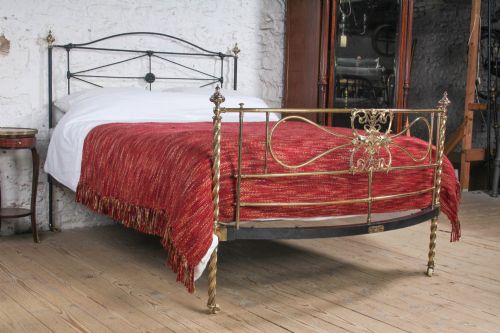
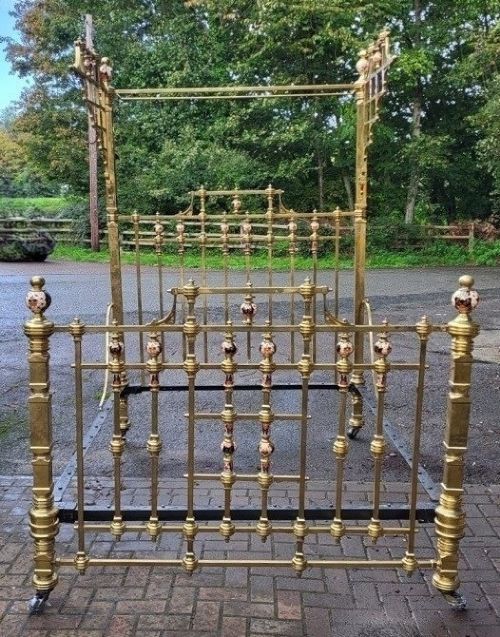
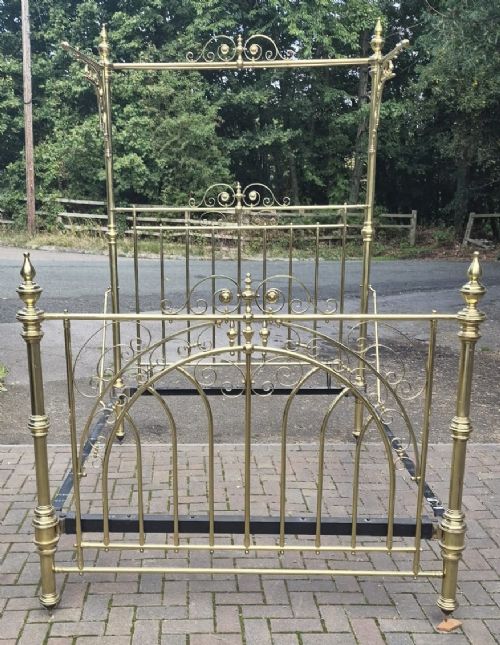
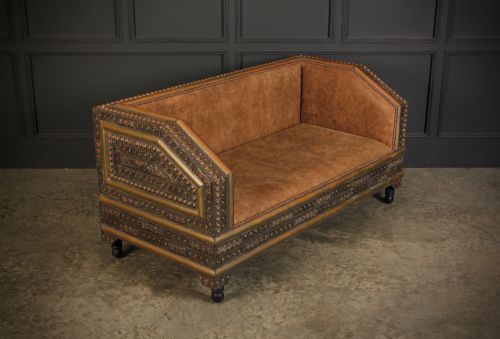
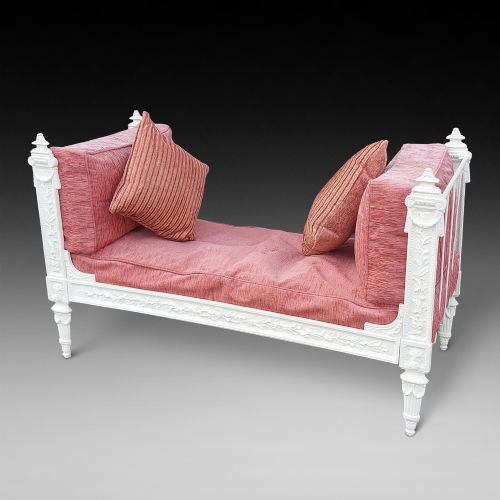
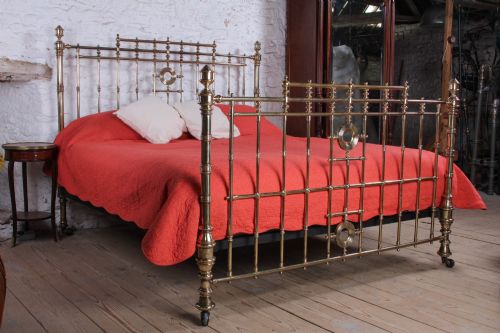
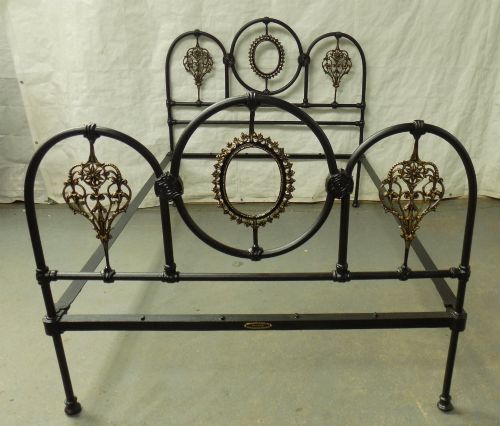
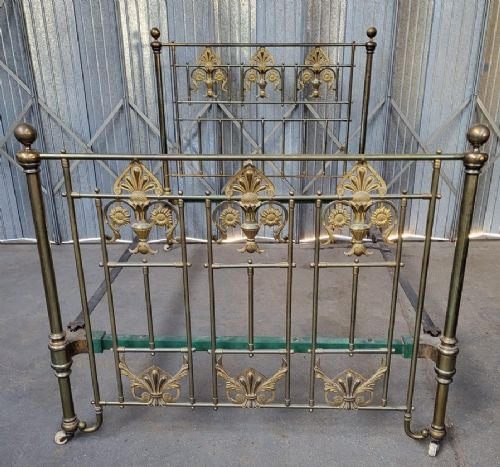
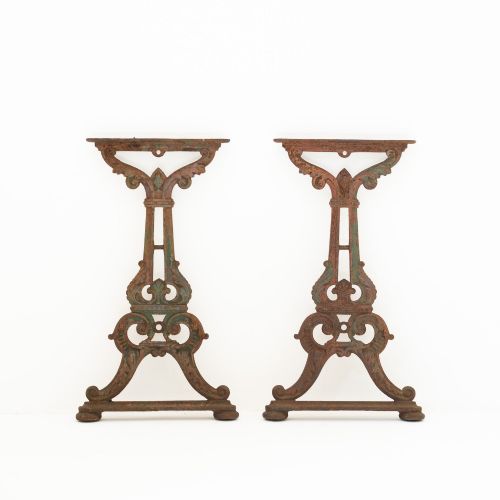
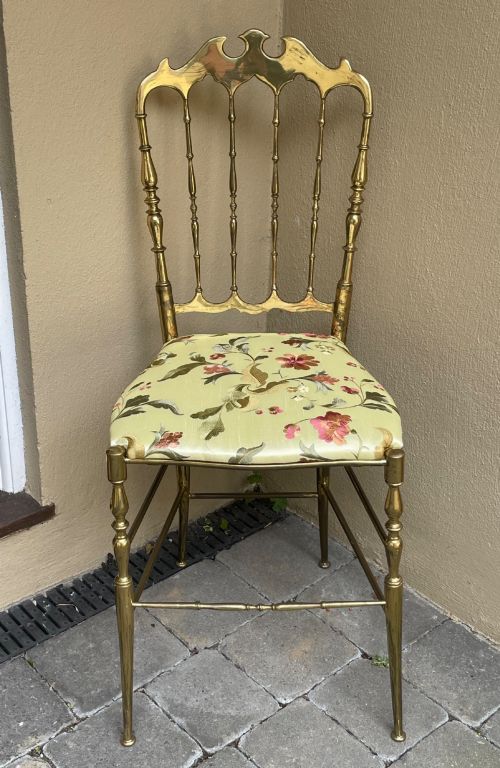
When you search for an ornate metal frame, you encounter a diverse range of objects designed to hold glass, support mattresses, or furnish rooms with decorative metalwork. The pieces gathered here predominantly comprise Victorian and nineteenth-century brass and iron bedsteads, alongside wall mirrors, picture frames, and occasional table bases or seating.
The selection leans heavily toward substantial bedroom furniture, particularly king and double size brass bedframes featuring elaborate castings and half tester canopies. Alongside these large pieces, you find smaller decorative items such as embossed brass wall mirrors, champleve picture frames, and cast iron mirror plates bearing mottoes.
Origins span across British workshops, French foundries, Dutch designs, and American styles, reflecting a period when metalworking achieved high artistic expression in domestic interiors. Most items date from the middle of the nineteenth century through to the early twentieth century, capturing Victorian, Edwardian, and Belle Epoque tastes.
How they were made
Makers utilised cast iron, wrought iron, and brass as primary structural materials, often combining them within a single bedstead or mirror surround to balance strength and ornamentation. Casting allowed foundries to pour molten metal into intricate moulds, producing raised motifs, masks, and floral scrolls.
Surface finishes varied from polished or lacquered brass to painted cast iron and applied gilt bronze, sometimes paired with secondary materials like wood, glass, mirror glass, or upholstery. Detail work involved chasing, embossing, and enamelling, as seen in champleve picture frames and embossed cushion framed mirrors.
Wall mirrors dominate the decorative end of the inventory, featuring embossed brass cushion frames and cast brass crests.
What varies in quality
The distinction between standard production items and exhibition quality pieces lies in the crispness of the casting and the depth of the hand finishing. Superior examples display sharply defined relief work on crests and corners, whereas lesser pieces show softer, shallower detailing from worn moulds.
Integrity of construction and originality of components dictate overall merit, particularly in large bed frames where stability and matching mounts are essential. Pieces bearing maker stamps or attribution to renowned manufacturers command higher regard due to documented craftsmanship.
Maple and Co·Winfield·Coalbrookdale
The Ornate Metal Frame Glossary
- Half tester
- A bedstead featuring a canopy that extends only partway over the head of the bed rather than covering the full length. This style was popular in Victorian bedrooms to support drapery above the pillows.
- Champleve
- An enamelling technique where troughs or cells are carved into the surface of a metal object and filled with vitreous enamel before firing. It appears frequently on French decorative frames and mirrors.
- Tole ware
- Enamelled or japanned metalware, typically tin or iron, decorated with painted designs. Italian and French makers utilised this technique for colourful decorative furniture.
- Aesthetic Movement
- A late nineteenth-century design ethos emphasising visual and compositional beauty over narrative or moral function. Pieces from this movement often feature stylised natural motifs.
- Cast iron
- Iron poured into a mould while molten to create rigid forms with detailed surface decoration. It provided durable support for nineteenth-century daybeds and table bases.
Ornate Metal Frame: Frequently Asked Questions
Can antique bedframes fit modern mattresses?
Many nineteenth-century bedframes were built to nineteenth-century sizing conventions, which often differ slightly from contemporary standard mattress dimensions. You should check the internal width and length measurements of the frame carefully before purchasing a modern mattress.
Some frames accommodate standard sizes comfortably, while others may require custom support slats or minor adjustments. Consulting a specialist restorer can help resolve fitting challenges safely.
What is a half tester bed?
A half tester is a bedstead featuring a wall-mounted or post-supported canopy that extends only over the upper portion of the bed. This design originated to keep drafts away from the sleeper's head while maintaining an open feel in the room.
In Victorian examples, these canopies were frequently constructed from heavy brass and iron, serving as focal points for decorative drapery. They combine structural strength with elaborate crest ornamentation.
How do I date a cast iron frame?
Dating cast iron involves examining the style of the casting, assembly methods, and any maker marks or registration numbers stamped into the metal. Victorian pieces often display registration diamonds or foundry stamps that pinpoint the exact year of manufacture.
Stylistic shifts, such as the transition from austere utility frames to ornate Aesthetic Movement or Rococo Revival designs, also offer clear chronological markers. Comparing the piece with documented catalogue examples provides further verification.