




Ornate Metal Fireguard
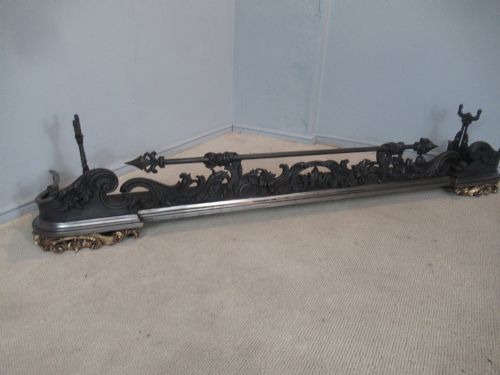
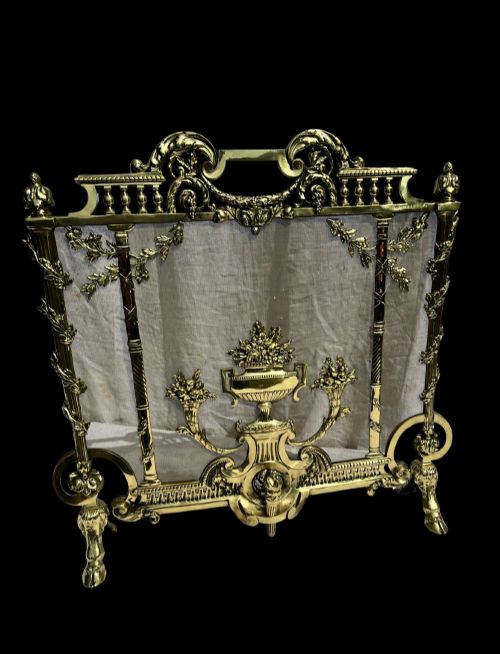
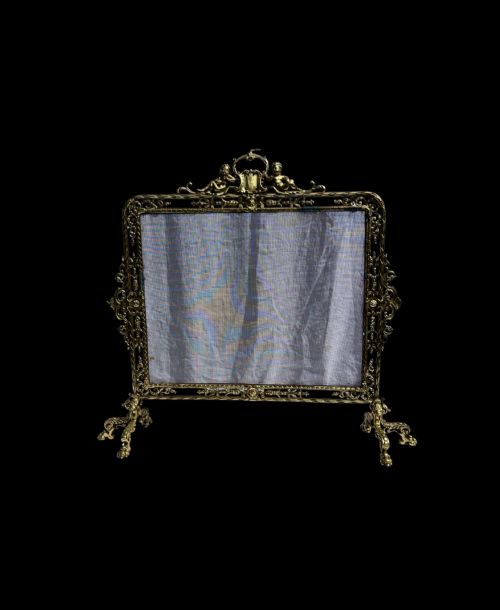
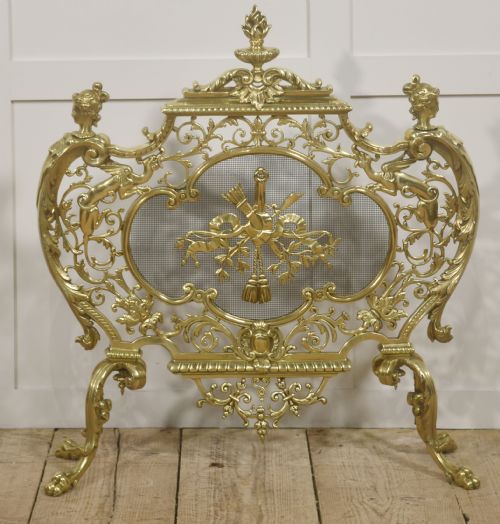
An ornate metal fireguard stands before the hearth as both a shield against stray embers and a centrepiece of period metalwork.
Ornate Metal Fireguard
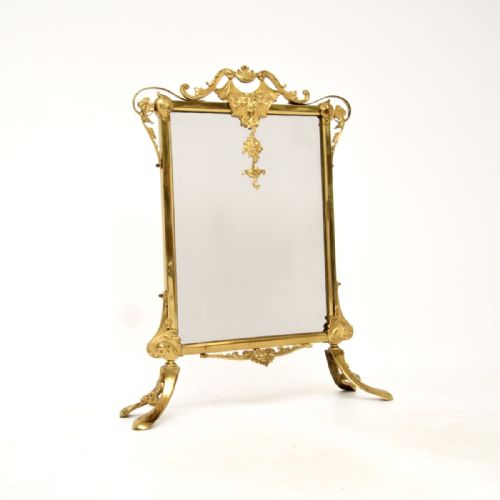
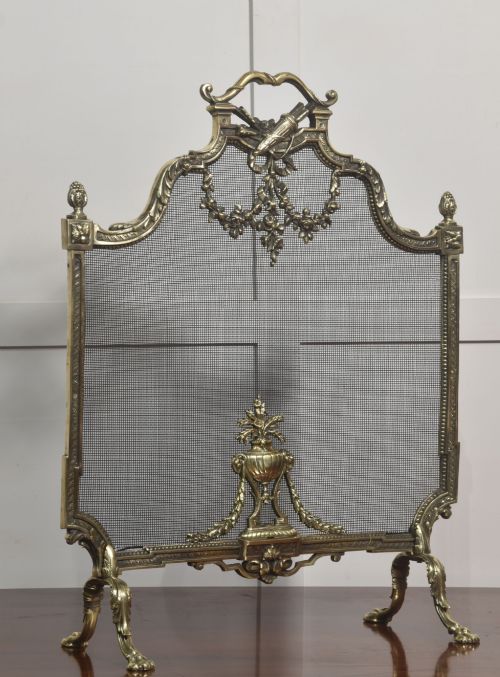
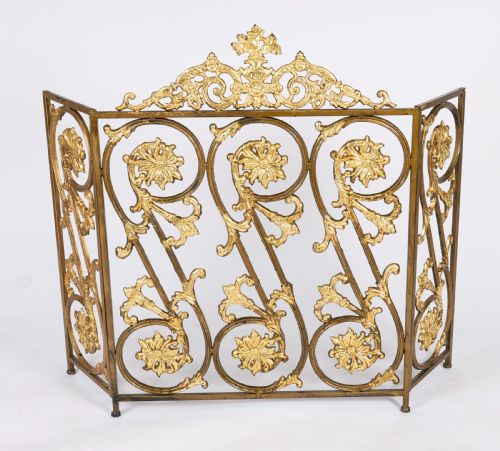
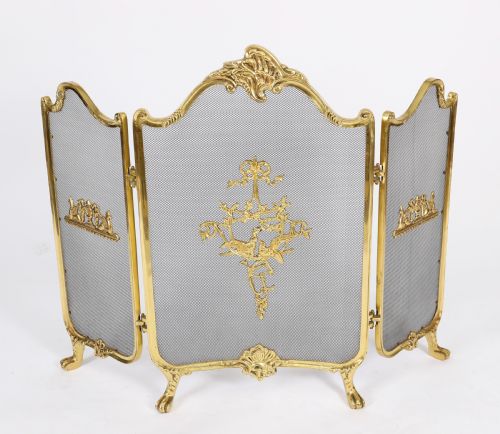
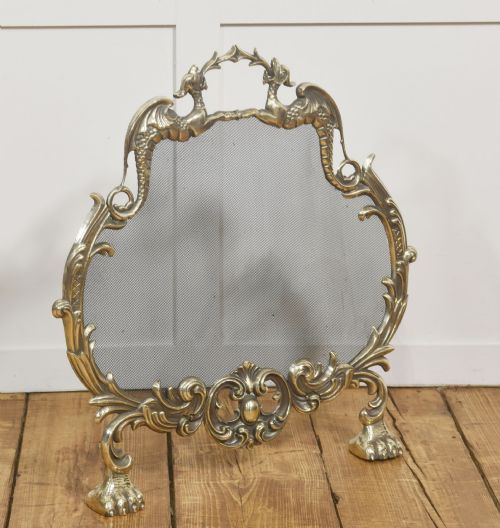
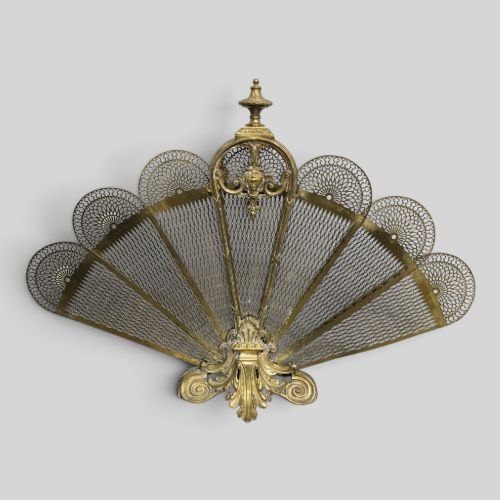
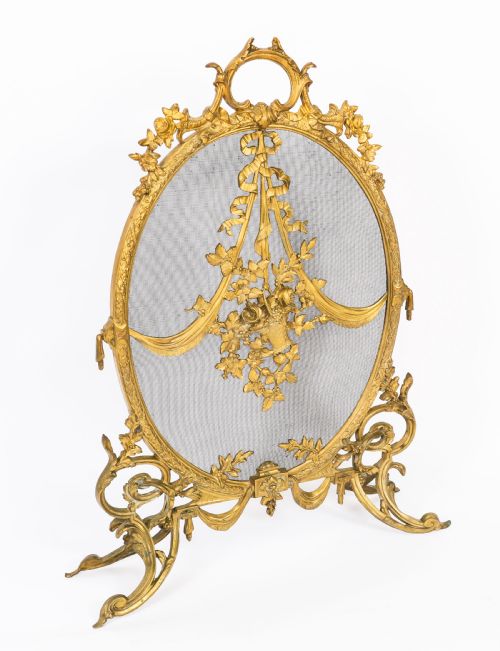
An ornate metal fireguard brings heavy brass, bronze, and ironwork into the sitting room to frame the fireplace with decorative form. When you search for an ornate metal fireguard, you encounter folding panels, mesh screens, and solid fenders designed to protect the room while enriching the hearth.
The versions most commonly met on this page span the nineteenth century and the early twentieth century, heavily influenced by French design vocabularies. These pieces take the form of fire screens, spark guards, and fireplace fenders produced in brass, gilt bronze, and wrought iron.
Materials and construction methods
Maker workshops utilised cast brass and gilt bronze to build substantial frames, often embellished with pierced ornamentation and applied decorative motifs. Wire mesh and steel mesh were integrated into the structure to contain sparks while maintaining visibility of the fire.
Gilding techniques such as ormolu and water gilding imparted a rich surface sheen to the bronze and brass frames. Heavier pieces relied on wrought iron and heavy bronze casting to achieve stability and longevity.
Ornate Metal Fireguard Retail Price Guide 2026
Typical asking prices for ornate metal fireguard among the pieces listed under this phrase on Sellingantiques today, from the lower quarter to the upper quarter. They describe what is for sale here now, not the wider market.
Listings feature periods spanning from the early nineteenth century through to nineteen-ten, with Victorian examples appearing alongside French revival forms.
Distinctions in quality and finish
The distinction between standard production and exceptional quality lies in the crispness of the casting and the depth of the chased detail. Finer examples display hand-finished chasing across the bronze and brass surfaces, where every scroll and floral element is sharply defined.
Weight and structural integrity also separate tiers of quality, with heavier castings and robust mesh integration demonstrating superior craftsmanship. The articulation of hinges on triple-fold screens reveals whether the maker invested time in precise mechanical fitting.
E F Caldwell New York
The Ornate Metal Fireguard Glossary
- Ormolu
- Gilded bronze applied to ornamental objects and furniture mounts. This technique provides a durable, bright gold-coloured finish characteristic of French decorative arts.
- Fire Screen
- A movable decorative screen placed before a fireplace to hide the unlit grate or block radiant heat. These items often feature glazed panels, needlework, or metal mesh.
- Rococo Revival
- A nineteenth-century design style reviving the asymmetrical scrolls, shell motifs, and natural curves of the eighteenth-century Rococo movement. It dominates much of the decorative metalwork of the period.
- Gilt Bronze
- Bronze metal treated with a thin layer of gold or gold-coloured alloy. It resists tarnishing while offering a warm, luminous metallic appearance.
Ornate Metal Fireguard: Frequently Asked Questions
What is a fire screen used for?
A fire screen serves primarily to shield the room from the intense radiant heat of a blazing hearth when the fire dies down. During warmer months, it also conceals an empty or unlit fireplace grate.
Beyond utility, these screens act as decorative focal points in a room. Their elaborate brass and bronze frames complement other hearth accessories.
How do I identify French revival styles?
French revival styles show distinct decorative cues depending on the specific movement referenced. Rococo revival pieces feature asymmetric scrolls, C-scrolls, and naturalistic plant motifs.
Louis XIV and Louis XVI styles introduce more symmetrical geometry, classical urns, and architectural motifs. Brass and gilt bronze execution is typical across these French-inspired pieces.
Are these fireguards safe to use?
Most antique fireguards incorporate wire mesh or steel mesh designed specifically to catch stray sparks and embers. However, historical mesh and frames should be inspected for structural stability before placing them near an active fire.
Many collectors prefer to use sturdy freestanding screens purely for decorative purposes in non-working fireplaces. This preserves the delicate gilding and historical patina of the metal.
How do I care for antique brass?
Antique brass and gilt bronze benefit from gentle dusting with a soft, dry cloth to prevent the accumulation of grit. Avoid harsh chemical cleaners or abrasive polishes that can strip away the historical surface finish and patination.
If the metal requires deeper cleaning, a mild soap solution applied sparingly and dried immediately is safest. Preserving the original aged surface maintains the character of the piece.