



Ornate Lighting
Ornate lighting brings elaborate metalwork and hanging crystals into a room, offering both illumination and heavy historical character.
Ornate Lighting
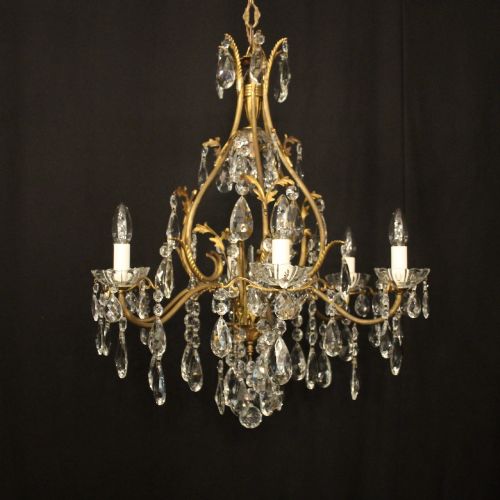
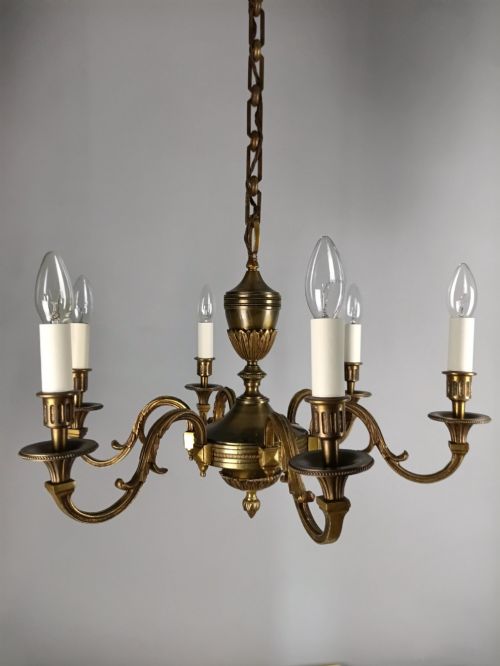
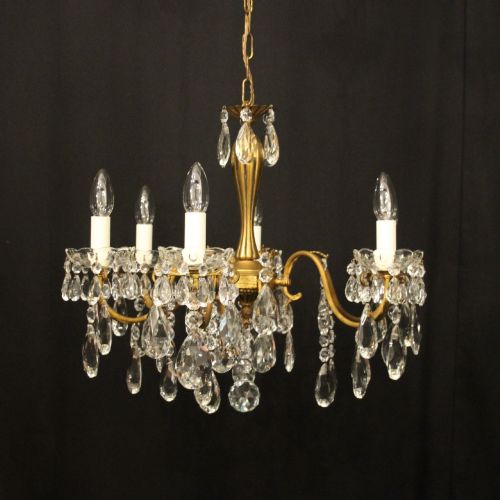
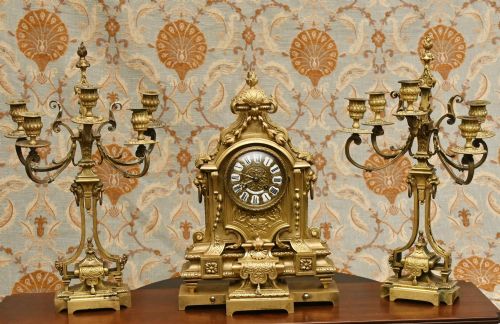
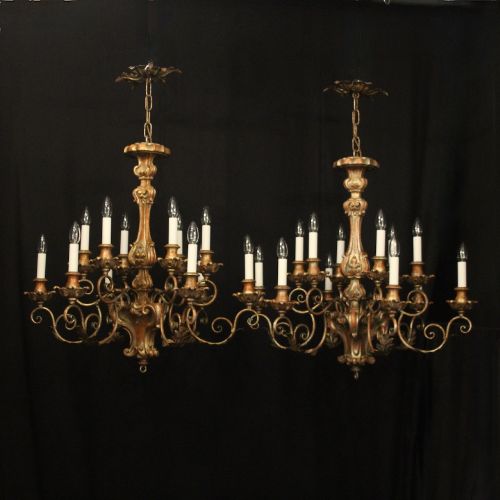
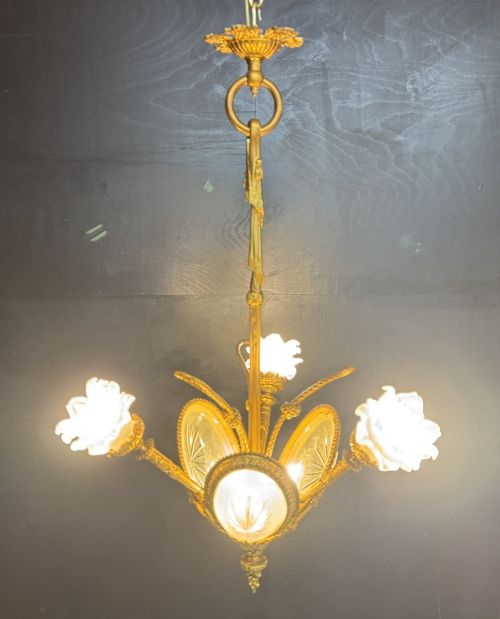
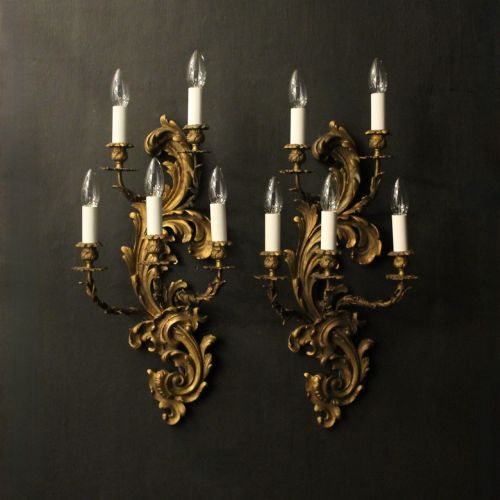
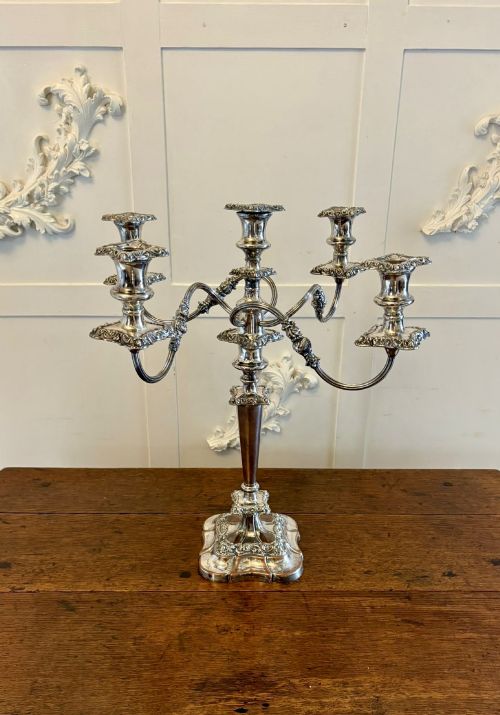
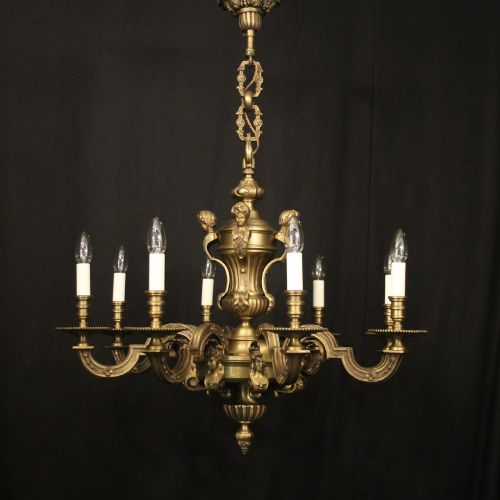
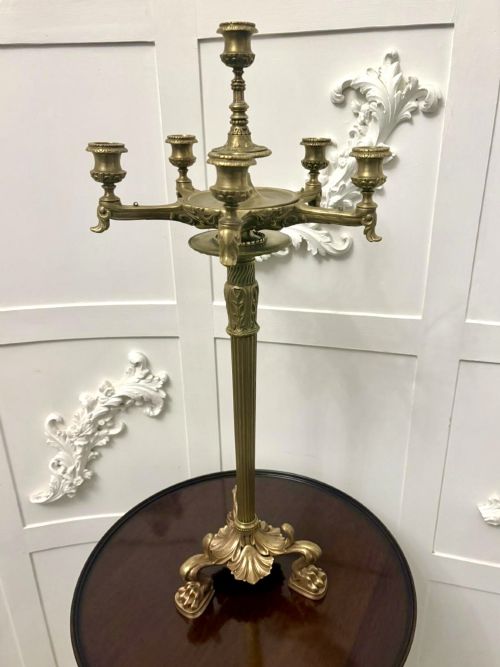
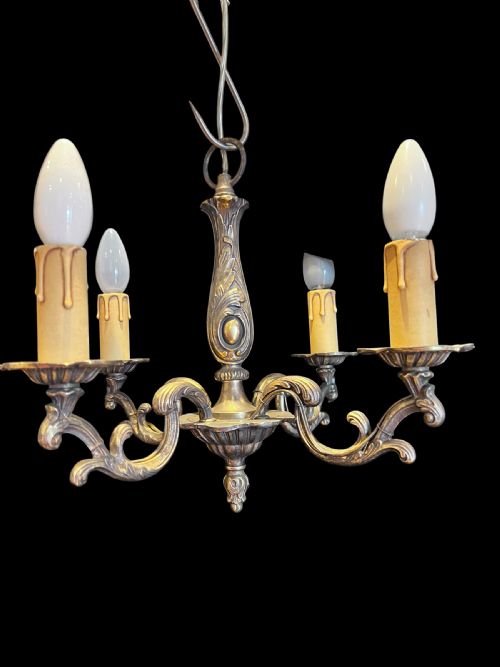
Ornate lighting encompasses multi-arm chandeliers, table lamps, wall lights, and freestanding candelabra drawn from nineteenth and early twentieth century production. Pieces frequently display French styling, including Rococo revival, Neoclassical, and Empire influences alongside Victorian British designs.
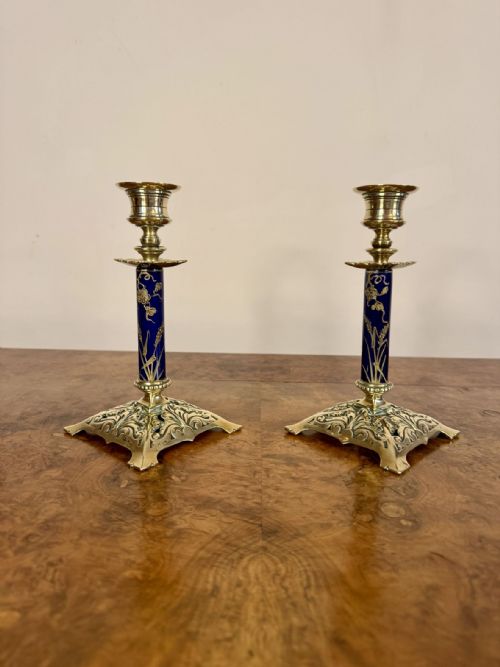
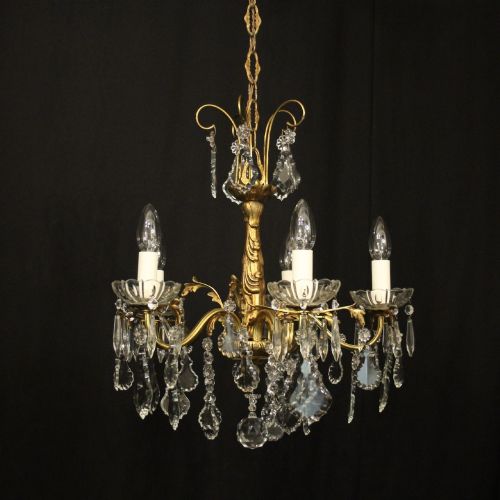
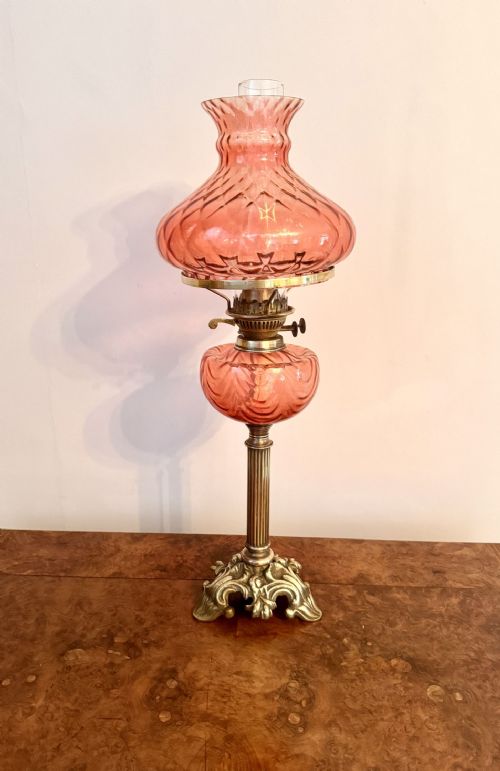
Chandeliers and wall lights dominate the selection, often taking the form of gilded metal frames hung with crystal lustres or configured with multiple branch sconces. Buyers also encounter table lamps adapted from earlier oil lamps and heavy brass pricket candlesticks.
Quality and Execution
Quality rests in the crispness of the metal casting and the depth of the gilding or silver plating across the frame. Finer examples show sharp relief work on scroll arms and sconces rather than smoothed or softened casting details.
The integration of crystal elements and the structural balance of multi-branch chandeliers separate standard production from superior decorative items. Heavier gauge metals and securely mounted arms indicate higher manufacturing standards.
Ornate Lighting Retail Price Guide 2026
Typical asking prices for ornate lighting among the pieces listed under this phrase on Sellingantiques today, from the lower quarter to the upper quarter. They describe what is for sale here now, not the wider market.
Some heavy brass candlesticks designed for altars ended up lighting Victorian dining tables instead.
The Ornate Lighting Glossary
- Ormolu
- Gilded bronze produced through a mercury amalgamation technique on decorative metalwork. This finish gives a warm, deep gold appearance to French lights.
- Candelabra
- A branched candlestick designed to hold multiple taper candles simultaneously. These often feature removable sconces for cleaning.
- Lustre
- A cut glass pendant or drop hung from chandelier frames to refract light. They catch and scatter illumination across the room.
- Pricket candlestick
- A candle holder featuring a central spike that pushes into the base of the candle rather than sitting inside a cup. These appear in heavier brass table formats.
Ornate Lighting: Frequently Asked Questions
How do I wire an antique chandelier?
Wiring requires running modern internal flex through the hollow central stem and brass arms to reach each candle sconce. Electricians handle this by securing safe connections while preserving the exterior metalwork.
Many pieces arrive ready for modern ceilings, while others need rewiring to meet safety standards before hanging.
Are these lights converted from oil or gas?
Several table lamps and wall lights started as oil-burning or gas-lit fixtures before conversion to electricity during the twentieth century. These conversions preserve the original burners and fonts as part of the body.
Such alterations let historical pieces function safely in modern rooms without losing their original form.
How do I clean crystal lustres?
Crystal drops benefit from gentle washing in warm water with mild soap while detached from the metal frame. Drying each piece by hand prevents water spots on the glass.
Leaving the lustres on the chandelier during cleaning risks chipping the glass against the metal arms.
How do I date a brass chandelier?
Dating relies on the assembly methods, screw types, and stylistic motifs present in the metal casting. Victorian and Edwardian examples show specific casting textures and wiring channels.
Comparing the decorative style, such as Rococo revival scrolls or Neoclassical urns, narrows the production era.