

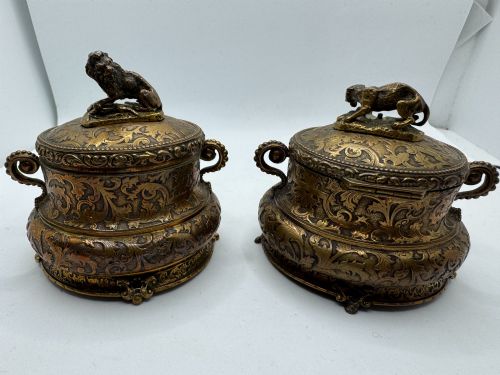
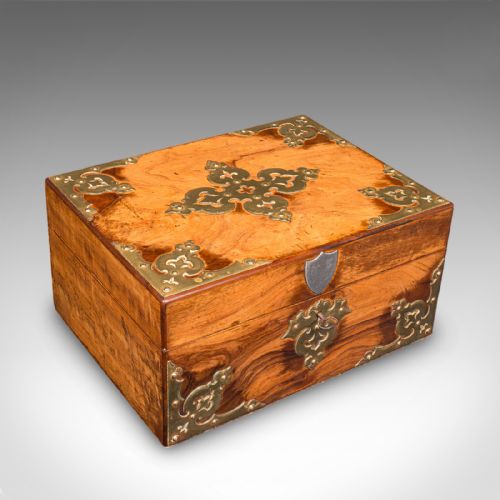


Ornate Jewelry Box
An ornate jewellery box holds small treasures while sitting on a dressing table as a decorative object in its own right.
Ornate Jewelry Box
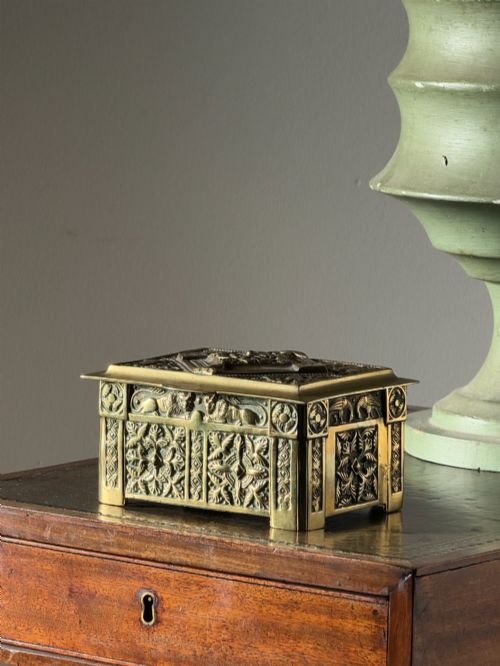
When you search for an ornate jewellery box, you encounter a diverse range of containers designed for keeping small valuables, spanning from the eighteenth century to the early twentieth century. The selection includes French ormolu caskets, Victorian walnut workboxes, and intricately carved wooden boxes from various global traditions.
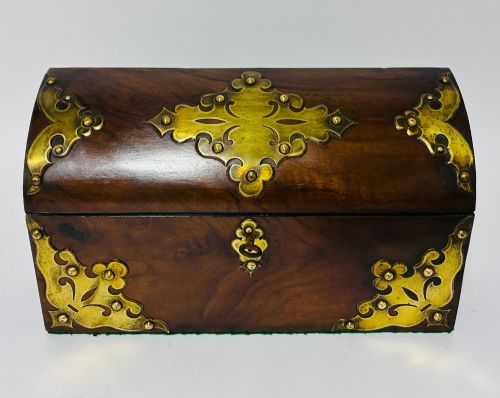
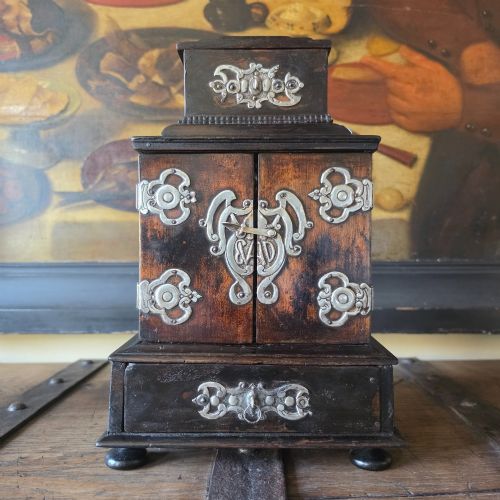
You are most likely to meet nineteenth-century examples on this page, particularly Victorian pieces incorporating brass mounts, gilt metal, and exotic woods like rosewood and burr walnut. These containers often take the form of miniature cabinets, caskets, or tabletop display tables.
The regional variety is substantial, ranging from Anglo-Indian sandalwood and Qajar Iranian carved wood to European Revival styles such as Gothic, Renaissance, and Rococo. Each piece reflects the aesthetic priorities of its period, prioritising tactile materials and elaborate surface decoration.
Materials and construction
These pieces rely on a foundation of timber, such as walnut, oak, and rosewood, frequently enhanced by marquetry inlay or specialised carvings. Metal mounts in brass, ormolu, and silvered bronze provide structural definition and decorative contrast to the wooden bodies.
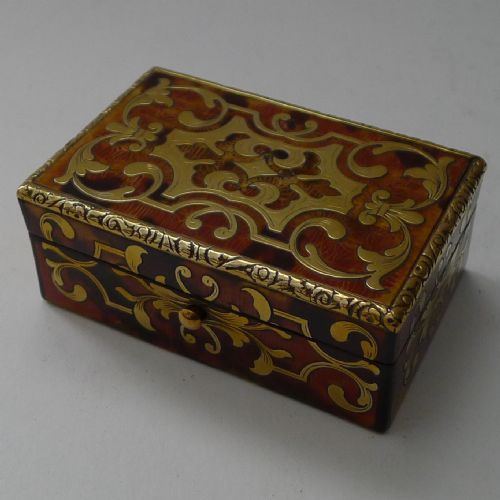
Surface ornamentation often incorporates specialist techniques like pietra dura, enamel appliques, marble inserts, and cast brass detailing. Joinery methods range from traditional cabinet making to intricate regional woodcarving traditions.
Ornate Jewelry Box Retail Price Guide 2026
Typical asking prices for ornate jewelry box among the pieces listed under this phrase on Sellingantiques today, from the lower quarter to the upper quarter. They describe what is for sale here now, not the wider market.
The inventory spans the eighteenth, nineteenth, and early twentieth centuries, encompassing diverse global origins.
Judging quality and craftsmanship
The standard of a piece depends heavily on the crispness of its metal casting, whether in ormolu, bronze, or silvered metal, and how securely the mounts are integrated into the primary material. Finer examples display meticulous hand-chasing on metal elements rather than flat, machine-stamped surfaces.
Material selection and decorative ambition set the better examples apart, such as the inclusion of genuine pietre dure panels, hand-painted enamel, or carefully selected burr veneers. The precision of marquetry inlay and the stability of the underlying timber structure further indicate the maker's skill.
Walker and Hall
The Ornate Jewelry Box Glossary
- Ormolu
- Gilded bronze used widely for decorative mounts on nineteenth-century furniture and caskets. The technique involves applying a mercury-gilding process to cast bronze.
- Pietra dura
- An artistic technique using cut and fitted polished coloured stones to create pictorial images. It appears frequently on Italian decorative boxes.
- Marquetry
- The art of applying pieces of veneer to a structure to form decorative patterns. Craftsmen utilise various wood types to create contrasting tones and natural grain designs.
- Bijouterie table
- A glass-topped display table designed to exhibit small valuable objects and jewellery. These pieces typically feature hinged glazed lids and elevated legs.
Ornate Jewelry Box: Frequently Asked Questions
What is an ornate jewellery box used for?
These boxes served historically to safeguard rings, brooches, and other small valuables while doubling as decorative furnishings for private chambers and drawing rooms.
Today, they function both as practical storage for personal accessories and as focal display objects on tabletops and dressers.
How do I identify a Victorian jewellery box?
Victorian pieces frequently utilise woods like walnut and rosewood combined with heavy brass mounts, fitted interiors, and revivalist stylistic influences.
Examining the construction methods, lining materials, and metal hardware helps distinguish these nineteenth-century items from later reproductions.
Are these boxes made from solid wood?
Many examples feature timber veneers, such as burr walnut or rosewood, applied over a secondary softwood or hardwood foundation to achieve decorative grain patterns.
Some regional pieces, however, utilise solid carved hardwoods like sandalwood, oak, or exotic colonial timbers throughout their construction.
How should I care for an antique box?
Keep wooden surfaces conditioned with appropriate furniture wax and avoid placing antique containers in direct sunlight or areas with fluctuating humidity.
Metal mounts and ormolu require gentle dusting with a soft cloth to preserve the finish without abrasive cleaning agents.