



Ornate Jewellery Box
An ornate jewellery box is a tactile vessel for precious keepsakes, bringing period craftsmanship and rich material texture straight to the dressing table.
Ornate Jewellery Box
When you search for an ornate jewellery box, you encounter a variety of tabletop containers designed to hold valuables, ranging from small trinket boxes to substantial caskets and cabinets. These pieces span several eras, though Victorian examples and nineteenth-century French productions appear frequently.
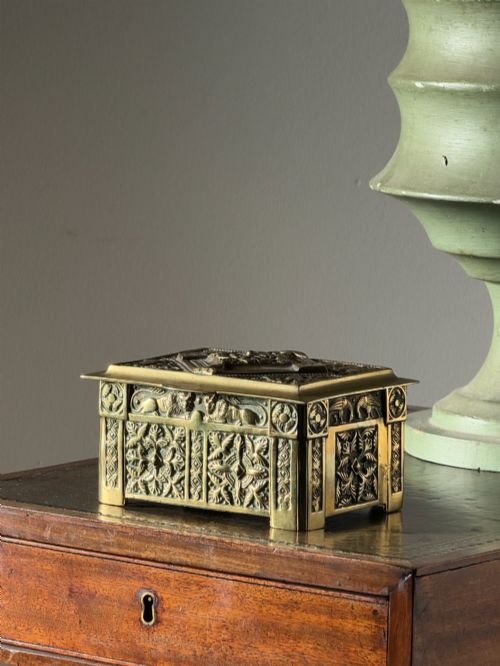
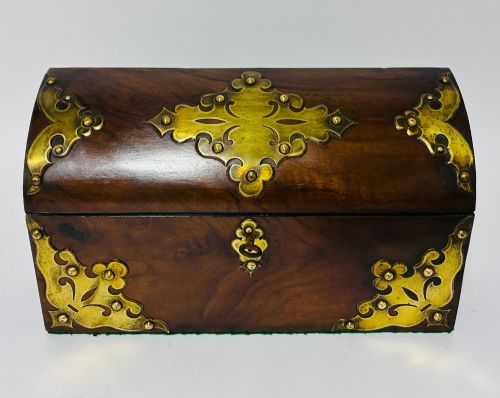
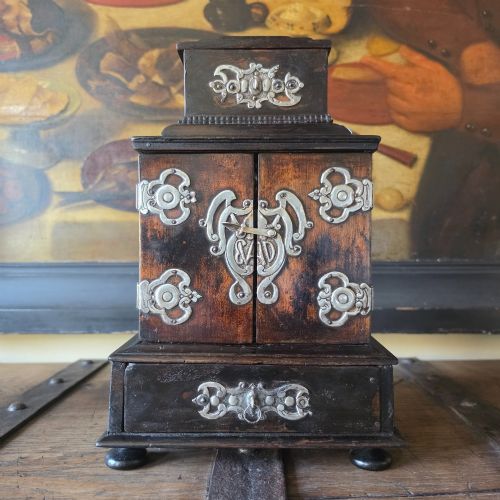
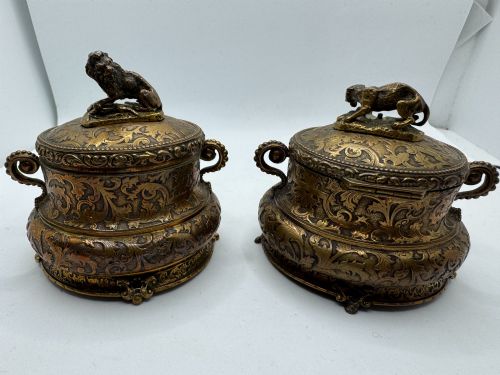
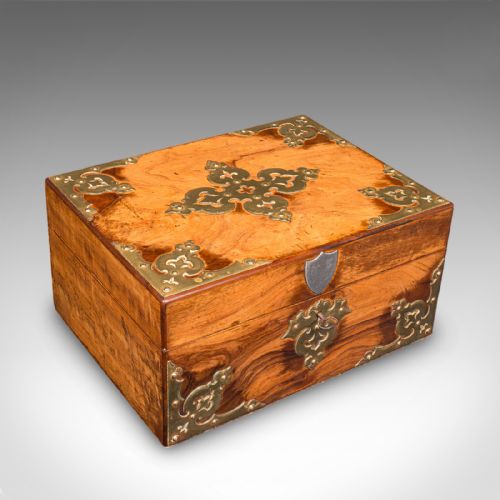
Forms vary from simple brass-bound wooden cases to elaborate Renaissance Revival table boxes featuring cameos, enamel appliques, and cast bronze mounts. Buyers often meet pieces executed in walnut, rosewood, and exotic hardwoods alongside metalwork caskets finished in ormolu and silvered metal.
How they were made
Woodwork forms the foundation of many pieces, utilising rich timbers such as walnut, rosewood, and sandalwood, often enhanced with marquetry inlay or brass banding. Cabinet makers paired these dense woods with structural metals like cast brass, bronze, and ormolu to create protective and decorative outer shells.
Surface decoration relies on specialised techniques including silver plating, enamel appliques, and intricate carving, particularly evident in Gothic Revival and Continental designs. Metal mounts are securely fastened to timber bodies, combining structural durability with dense surface ornamentation.
Ornate Jewellery Box Retail Price Guide 2026
Typical asking prices for ornate jewellery box among the pieces listed under this phrase on Sellingantiques today, from the lower quarter to the upper quarter. They describe what is for sale here now, not the wider market.
The listings encompass both British and Continental origins, including nineteenth-century French ormolu caskets, Scottish workboxes, and Qajar carved wood boxes from Iran.
What varies in quality
The degree of detail in the casting and chasing of metal mounts separates standard examples from exceptional pieces, especially in ormolu and bronze caskets where crispness of line matters greatly. Finer boxes display superior timber selection, such as burr walnut or carefully matched veneers, joined with precise craftsmanship.
Decorative elements like inset cameos, hand-painted enamel appliques, and intricate marquetry indicate higher ambition from the maker. The harmony between the internal lining, structural materials, and exterior decorative hardware dictates the overall standard of the box.
Walker and Hall·AB Paris
The Ornate Jewellery Box Glossary
- Ormolu
- Gilded bronze used widely for decorative mounts on nineteenth-century caskets and boxes. This technique provides a rich metallic finish that mimics solid gold.
- Boulle
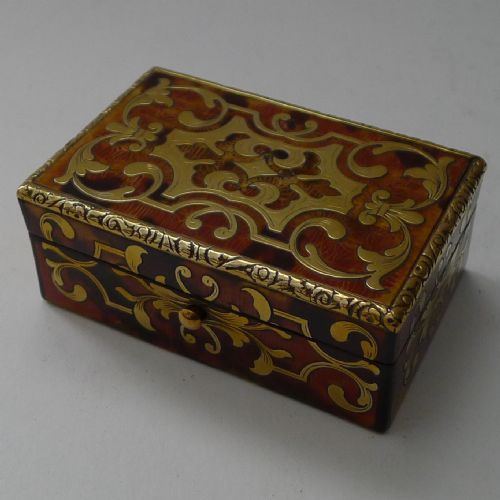
- A method of marquetry using brass and tortoiseshell inlay, associated with French decorative arts. It brings a dramatic pattern of contrasting dark shell and bright metal.
- Casket
- A decorative box, often with a domed or hinged lid, built to securely house valuables. These containers frequently feature heavy metal mounts and fabric linings.
- Marquetry
- The art of applying small pieces of veneer to a structure to form decorative patterns. Craftsmen utilise different wood grains and tones to build pictorial or geometric designs.
- Bijouterie table
- A glass-topped display table designed to exhibit small precious objects and jewellery. These pieces elevate the storage of valuables into furniture for the parlour.
Ornate Jewellery Box: Frequently Asked Questions
What periods do these boxes come from?
The selection spans multiple eras, with a strong representation of nineteenth-century and Victorian pieces alongside eighteenth-century examples. Makers drew on various historical revivals to inform their designs.
Cabinet makers and metalworkers of these past centuries produced everything from simple wooden workboxes to elaborate Renaissance Revival caskets. Each era brought distinct decorative vocabularies to tabletop storage.
How were these boxes used?
These containers served primarily to store precious rings, necklaces, and personal trinkets securely on dressing tables or in parlours. Larger examples functioned as sewing cases or small tabletop cabinets for domestic valuables.
Beyond basic storage, they acted as decorative display pieces in prominent rooms of the house. Their ornate exteriors reflected the owner's taste and social standing during the Victorian period and earlier.
How do I distinguish French pieces?
French boxes frequently employ materials like ormolu, onyx, and Boulle marquetry, reflecting the distinct aesthetic of Napoleon III and Continental revival styles. Their metal mounts often exhibit a high degree of sculptural modelling.
Maker marks or stamps from Parisian workshops occasionally appear on the metalwork or interior linings. The overall lightness of touch and ornate surface detail further signal French origin.
What is Gothic Revival style?
Gothic Revival design borrows architectural motifs from medieval churches, translating pointed arches, tracery, and heavy metal strapwork into domestic objects. In these boxes, brass and bronze mounts dominate the wooden structure.
This aesthetic flourished during the nineteenth century, appealing to buyers who favoured historicist drama. The resulting caskets possess a robust, architectural presence quite distinct from delicate French pieces.