




Ornate Iron Hall Stand
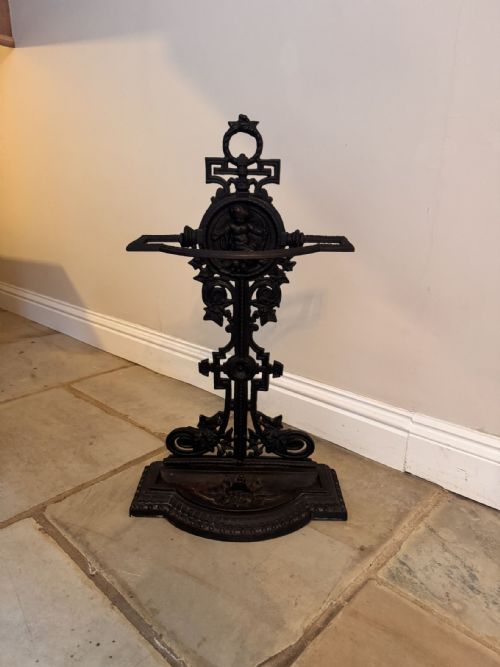
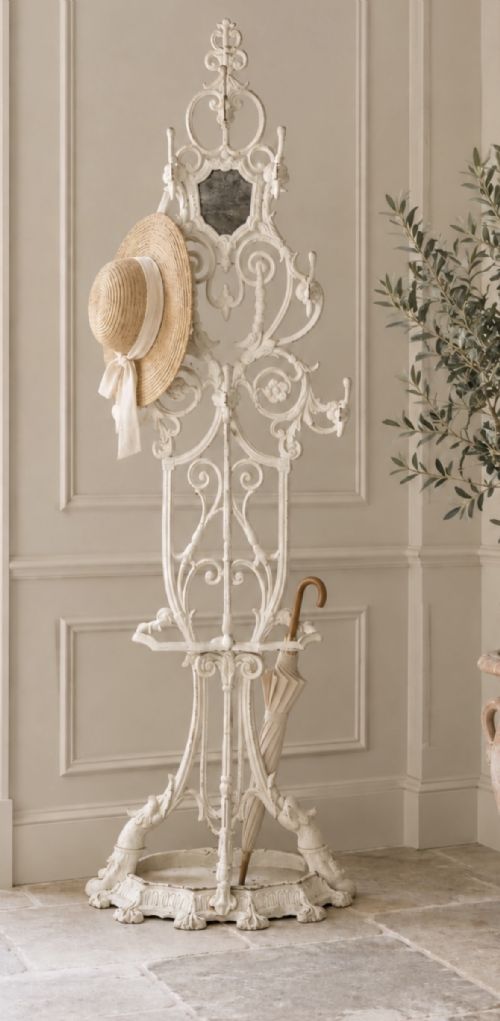
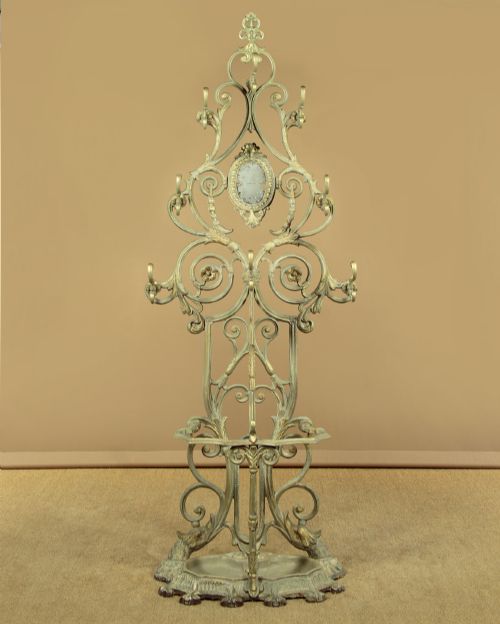
An ornate iron hall stand greets visitors with robust metalwork, offering a practical place for coats and umbrellas in the entranceway.
Ornate Iron Hall Stand
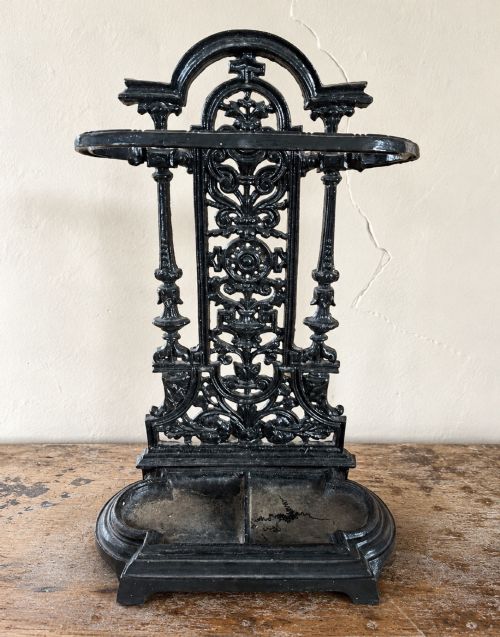
An ornate iron hall stand combines structural ironwork with dedicated loops and hooks for coats, hats, and umbrellas. These pieces serve as functional entrance furniture, designed to handle damp weather and heavy outerwear near the front door.
Most examples found here date from the Victorian and Edwardian periods, stretching from the mid-nineteenth century into the early twentieth century. English origins predominate, alongside pieces reflecting French manufacture or specific design influences.
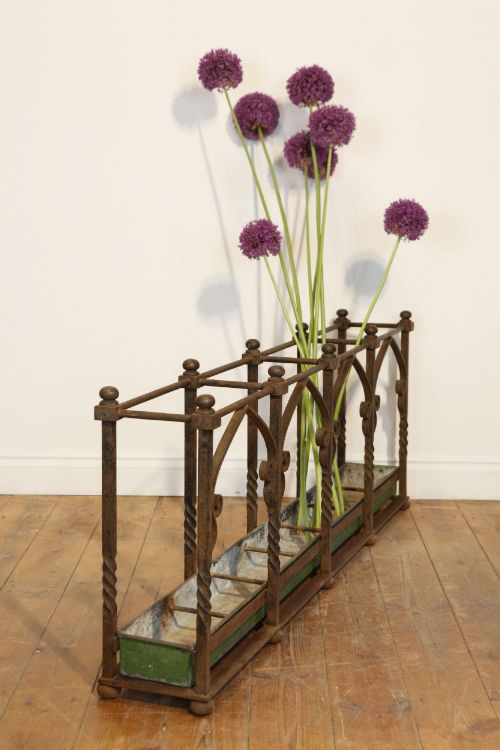
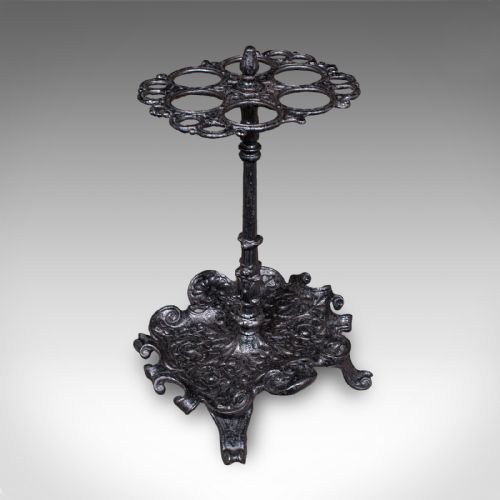
The forms vary from dedicated stick and umbrella stands to larger combinations incorporating coat hooks and mirror frames. The ornamentation ranges from geometric Victorian Gothic Revival patterns to flowing Rococo Revival curves.
Manufacturing methods and materials
Makers utilised cast iron to achieve intricate openwork patterns, scrolling foliage, and structural stick loops. This versatile metal allowed foundries to pour molten iron into detailed moulds, creating robust frames that withstand daily use.
Many examples incorporate applied paint finishes or retained black antique surfaces to protect the metal and define the decorative details. Drip trays and glass components occasionally complement the primary cast iron structure.
Ornate Iron Hall Stand Retail Price Guide 2026
Typical asking prices for ornate iron hall stand among the pieces listed under this phrase on Sellingantiques today, from the lower quarter to the upper quarter. They describe what is for sale here now, not the wider market.
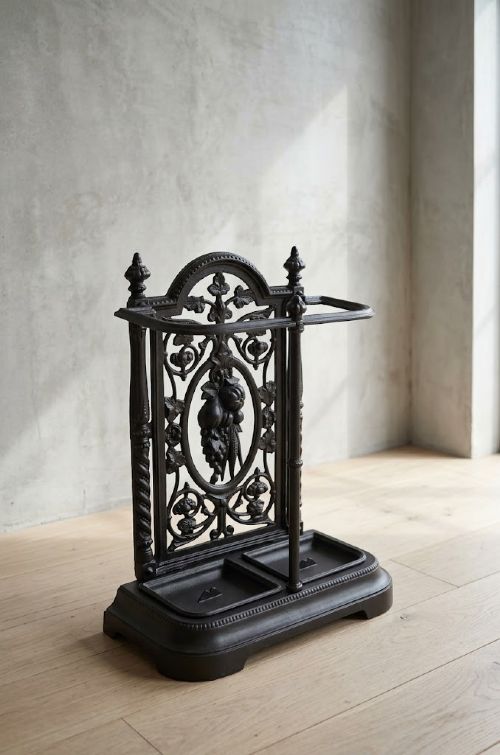
Some umbrella stands still retain their original removable drip trays, ready to catch rain after a century.
Assessing quality in cast iron furniture
The refinement of the casting defines the upper tier of pieces, showing crisp relief in foliage, scrollwork, and architectural motifs without surface pitting. Softer lines and filled-in details indicate less careful foundry work during production.
Structural integrity and the retention of original fittings, such as stick loops and coat hooks, separate standard examples from superior survivals. The presence of painted finishes or decorative framing elements further distinguishes individual pieces.
The Ornate Iron Hall Stand Glossary
- Cast iron
- A sturdy iron-carbon alloy poured into moulds to create rigid furniture frames. It enables complex decorative patterns and durable load-bearing structures.
- Stick loop
- An integrated metal ring or divider designed to keep walking sticks and umbrellas upright. These loops prevent items from sliding across the hallway floor.
- Rococo Revival
- A nineteenth-century design style favouring asymmetrical scrollwork, naturalistic curves, and ornate floral motifs. It appears frequently on decorative metalwork from the period.
- Victorian Gothic Revival
- An architectural and decorative style drawing on medieval ecclesiastical forms, pointed arches, and heavy geometric detailing. This aesthetic shapes several of the period hall stands.
- Drip tray
- A metal base tray positioned beneath umbrella sections to catch rainwater. It protects flooring from moisture brought in from outside.
Ornate Iron Hall Stand: Frequently Asked Questions
What is an ornate iron hall stand?
An ornate iron hall stand is a heavy entryway piece made from cast iron, featuring integrated loops for umbrellas and hooks for coats. These items were essential domestic furniture for Victorian and Edwardian hallways.
They combine utilitarian function with decorative metal casting, often displaying Gothic or Rococo Revival styling to impress visitors upon entry.
How were these stands used originally?
Households used these stands in front hallways to store wet umbrellas, walking sticks, hats, and heavy overcoats immediately upon entering the home. The integrated loops kept long items organised while hooks held outerwear.
Lower trays collected rainwater from wet umbrellas, protecting interior carpets and wooden flooring from moisture and mud.
How do I date a cast iron hall stand?
Dating relies on stylistic clues, historical hallmarks, and recorded design periods such as Victorian or Edwardian eras. Pieces often incorporate design elements from the mid-nineteenth century up to nineteen hundred.
Stylistic indicators like Gothic Revival arches or Rococo scrollwork help narrow down the decade of production alongside registered foundry styles.
Where were these stands made?
Many surviving examples originate from English foundries, while some pieces reflect French manufacture or stylistic inspiration from notable makers like Coalbrookdale. Production centres utilised regional ironworks to supply domestic demand.
Foundries produced both standard utility models and highly decorative artistic pieces for grander homes.