





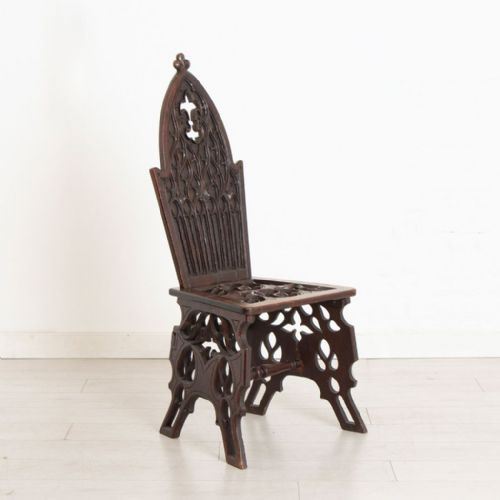
Ornate Hall Seat
An ornate hall seat sets a dramatic tone in a hallway, offering a striking anchor crafted with elaborate carving or inlay.
Ornate Hall Seat
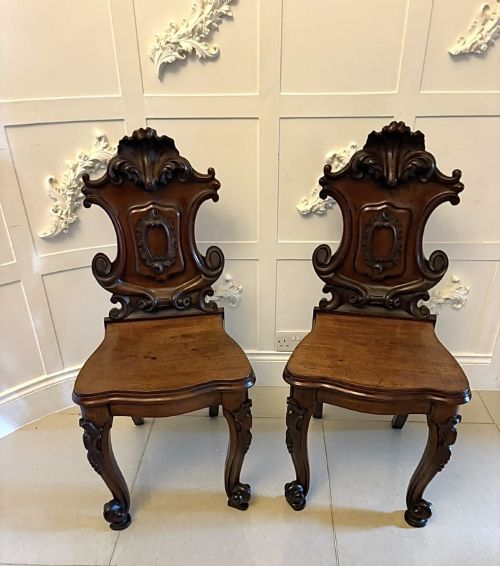
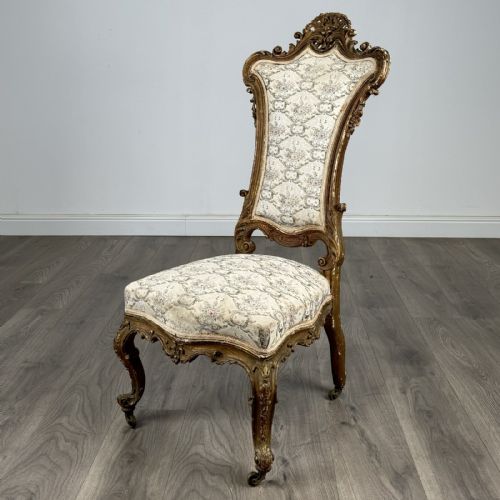
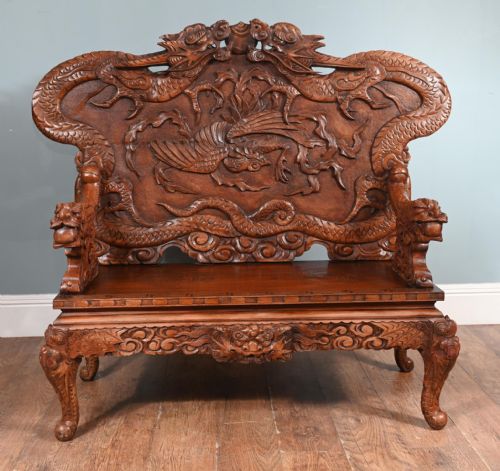
When you search for an ornate hall seat, you encounter substantial seating designed for entranceways and principal rooms, spanning the nineteenth century and the Victorian era. These pieces incorporate heavy timber framing, intricate surface carving, and diverse regional styles ranging from French revival to Chinese Qing dynasty works.
You are most likely to meet carved oak hall chairs and walnut benches on this page, reflecting the heavy reliance on durable hardwoods during the Victorian period. Forms vary widely from single high-back settles to large three-seat benches and marquetry-inlaid musical chairs.
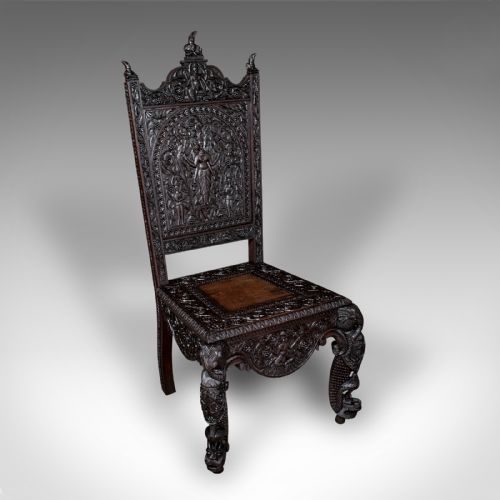
The aesthetic leans heavily into revival movements, notably Italian Renaissance revival and French Rococo, alongside colonial production from Ceylon. Each piece demonstrates a strong sculptural presence intended to impress visitors immediately upon entering a home.
Distinctions in craftsmanship and design
The depth and clarity of the hand-carved relief work separate standard production from exceptional examples, as skilled carvers achieved sharper undercut details and greater anatomical precision. Grain selection in walnut and oak also dictates visual appeal, with figured timbers commanding stronger presence.
Complexity of regional embellishment plays a role, where pieces featuring multi-material additions like bone inlay or intricate marquetry demonstrate higher tier workshop input. Structural integrity within heavy joinery and surviving original surface finishes further distinguish superior specimens.
Ornate Hall Seat Retail Price Guide 2026
Typical asking prices for ornate hall seat among the pieces listed under this phrase on Sellingantiques today, from the lower quarter to the upper quarter. They describe what is for sale here now, not the wider market.
Some nineteenth-century chairs secretly housed musical movements inside their wooden frames, offering an auditory surprise to unwary sitters.
The Ornate Hall Seat Glossary
- Sgabello
- A Renaissance chair type featuring a wooden seat supported by two carved trestle boards or slab legs rather than four conventional legs. It typically stands against a wall as decorative furniture.
- Marquetry
- The art of applying small pieces of veneer to a structure to form decorative patterns or pictorial scenes. Makers employed contrasting timbers to achieve tonal depth.
- Settle
- A wooden bench with high back panels, solid arms, and often a storage box beneath the seat. It provided shelter from draughts in historical entranceways.
- Cinnabar lacquer
- A decorative coating formed from multiple layers of carved red resin applied to a wooden base. This technique produces deep relief designs with a distinct smooth finish.
- Cabriole leg
- A furniture leg that curves outward at the knee and tapers inward toward the foot, echoing animal limb structures. It appears frequently on revival seating forms.
Ornate Hall Seat: Frequently Asked Questions
Where were hall seats placed?
These pieces traditionally stood in entrance halls, corridors, and grand landings to serve both as functional seating and architectural decoration.
Their substantial construction allowed them to withstand heavy daily use by visitors waiting to be announced.
How do I identify a Victorian hall seat?
Victorian examples often display heavy timber frames with deep machine or hand carving, drawing inspiration from earlier historical periods.
Look for dense woods like oak and walnut accompanied by stylistic markers from Renaissance or Gothic revival movements.
What is a sgabello chair?
A sgabello is a historical Italian chair design characterised by a faceted octagonal seat and carved trestle supports instead of standard legs.
These pieces were made for narrow hallways and function primarily as decorative statements rather than lounging furniture.
How should I care for antique wood?
Maintain stable indoor humidity levels and avoid placing wooden furniture near direct heat sources or strong sunlight.
Apply traditional wax polishes sparingly to nourish the timber surface without building up excessive residue.