
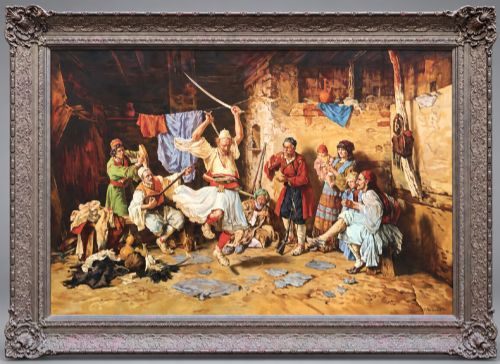
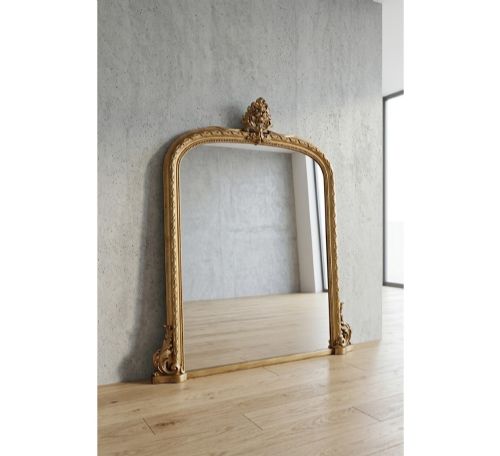
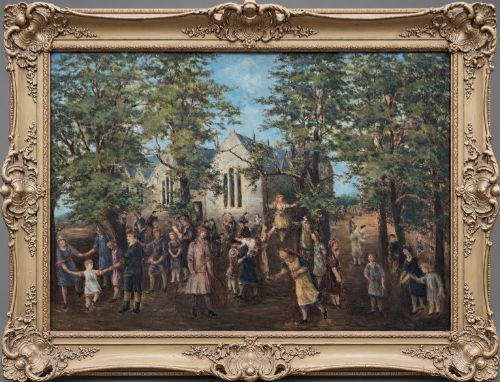
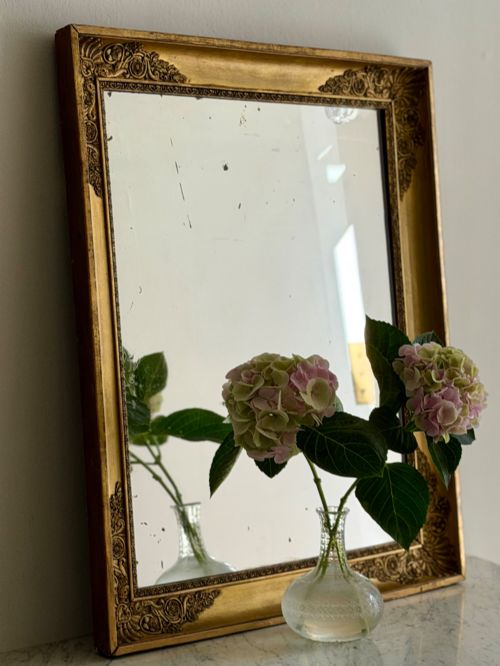
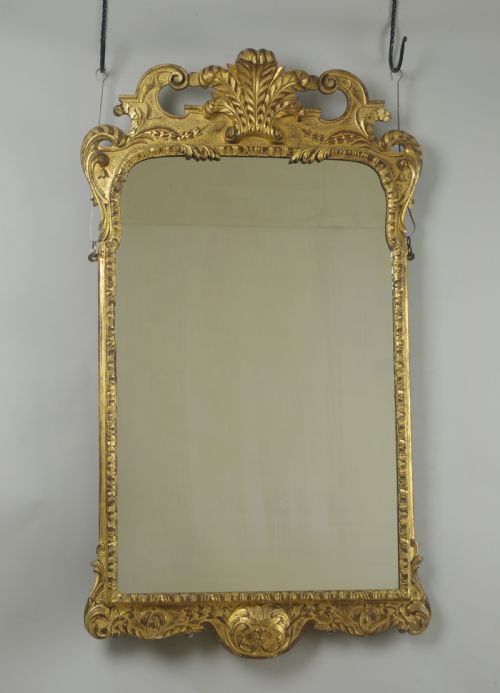
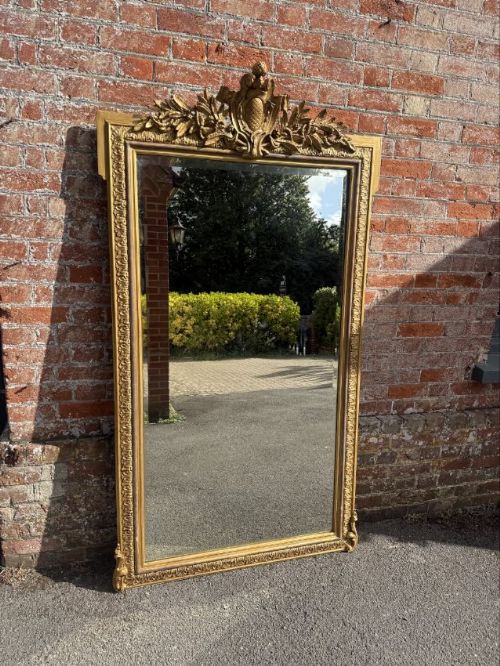
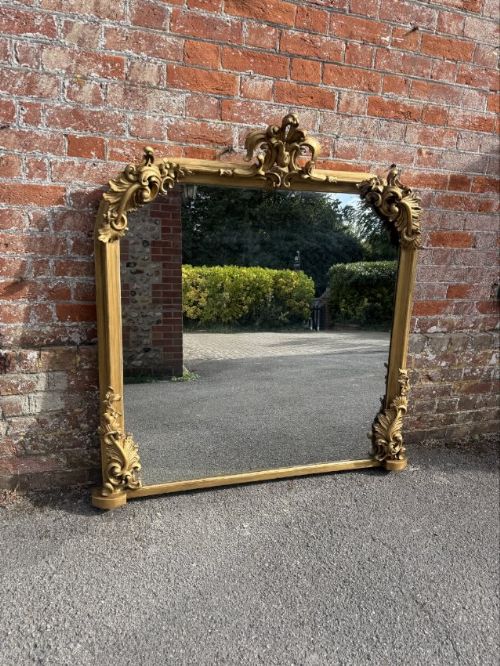
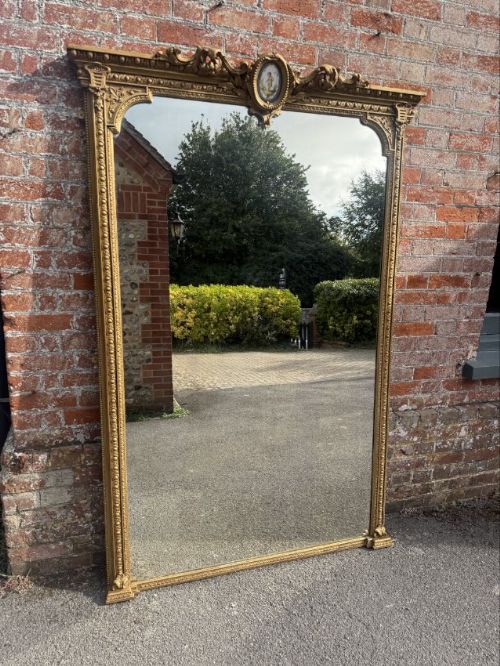
Ornate Gold Wall Frame
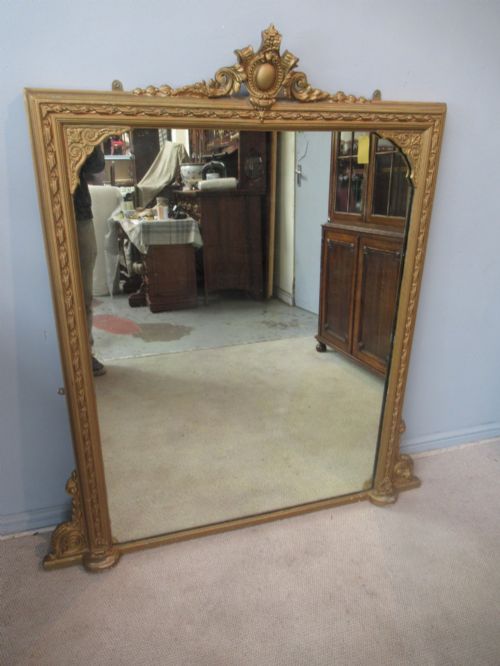
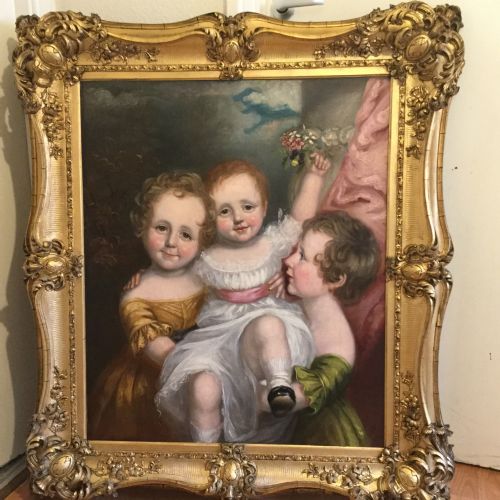
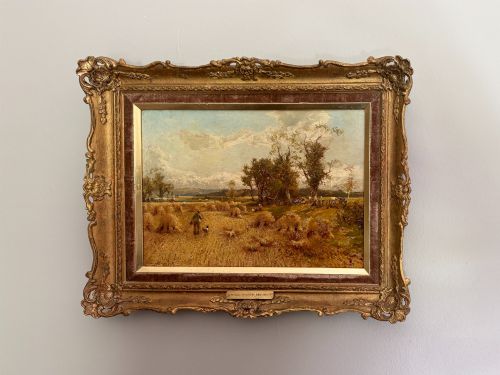
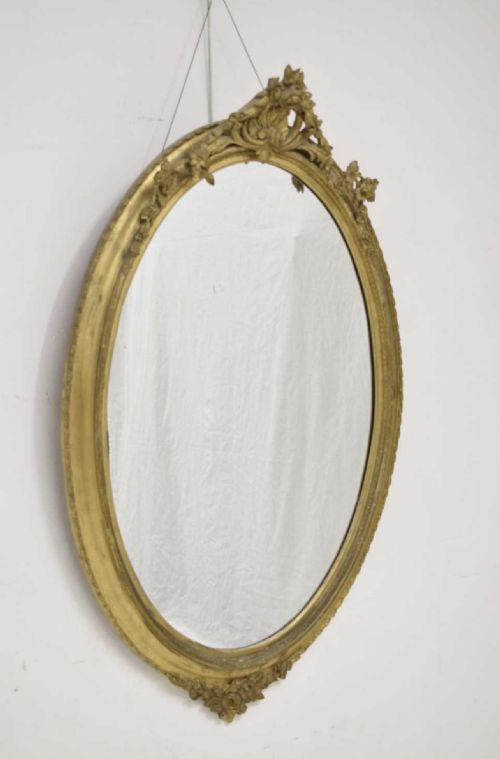
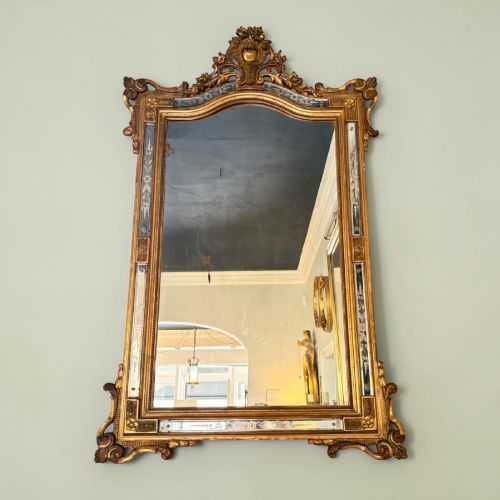
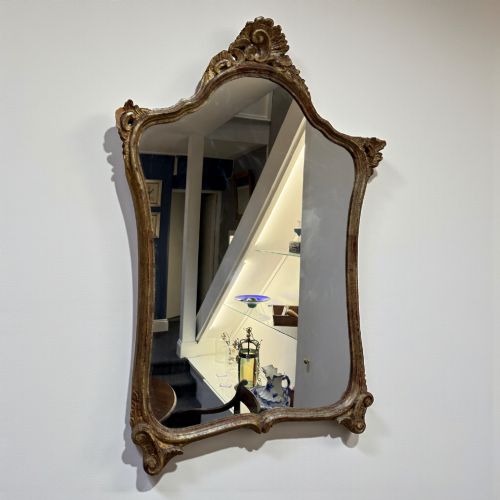
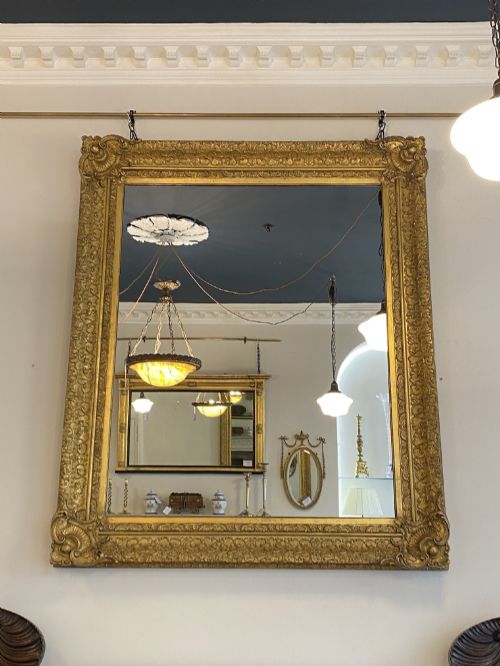
When you search for an ornate gold wall frame, you are looking at gilded mirrors and oil paintings spanning several centuries.
Ornate Gold Wall Frame
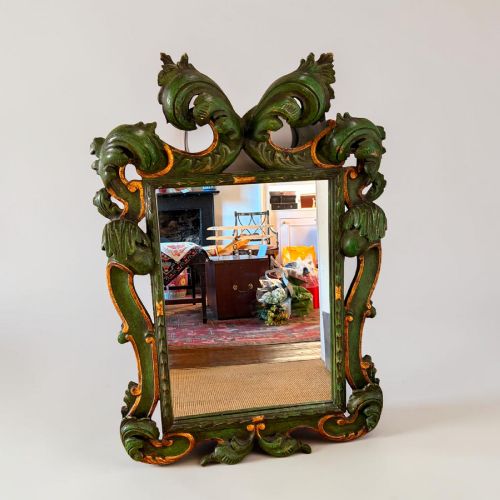
The ornate gold wall frame category covers heavily decorated mirrors and oil paintings originating from the eighteenth century through to the mid-twentieth century. Buyers frequently encounter nineteenth-century overmantel mirrors and French Rococo wall mirrors featuring elaborate carved decoration.
Most pieces combine functional glass with structural timber frameworks finished in gold leaf or gesso. Overmantel mirrors and pier glasses dominate the selection, alongside framed landscape and portrait paintings.
Origins stretch across Britain, France, Italy, and the Netherlands, taking shape through distinct regional decorative vocabularies. Victorian and Edwardian examples sit alongside earlier French styles and later revival pieces.
Materials and construction methods
Makers constructed the core structures from timber such as pine or hardwood, applying layers of gesso to build up complex three-dimensional relief. Carvers then detailed the gesso surface before applying gold leaf or liquid gilt finishes.
Giltwood frameworks rely on direct application of beaten gold leaf to a prepared bole, whilst gesso-heavy pieces utilise moulded ornament built up over wood. Glass plates are frequently bevelled or show age-related foxing.
Some antique mirrors carry centuries of reflections, having watched generations of parlour gossip and hasty hair checks.
Quality and craftsmanship distinctions
Quality rests in the depth and crispness of the hand-carved ornamentation rather than moulded composition decoration. Superior pieces display intricate undercut foliage and scrolls that retain clean edges beneath layers of gilding.
The integrity of the original gilt surface and the weight of the timber frame indicate higher craftsmanship. Earlier antique plates with authentic foxing or original mirror glass also elevate a piece.
William Beattie Brown·Edward Mills·Martin Theodore Ward·Gabriel Mathieu·Jonny Gaston
The Ornate Gold Wall Frame Glossary
- Gesso
- A plaster-like mixture applied to wood frames to create a smooth surface for carving and gilding. It allows for intricate relief work.
- Giltwood
- Timber covered with thin sheets of gold leaf. This material defines traditional luxury framing.
- Overmantel Mirror
- A large mirror designed to hang above a fireplace mantel. These pieces often feature landscape formats.
- Pier Glass
- A tall mirror intended to hang on the wall space between windows. They typically reflect light back into darker rooms.
- Foxing
- Age-related brown spots and speckles that appear on antique mirror glass. It results from chemical reactions in the reflective backing over decades.
Ornate Gold Wall Frame: Frequently Asked Questions
How do I hang a heavy overmantel mirror?
Heavy overmantel mirrors require secure wall fixings anchored directly into masonry or substantial timber studs. Professional framing installers utilise heavy-duty brackets to support the substantial weight of carved wood and glass.
Ensuring the weight distributes evenly across the hanging wire or fixing points prevents structural strain on the antique frame.
What is the difference between gesso and giltwood?
Giltwood describes solid timber that has been directly gilded with gold leaf, whereas gesso involves a plaster mixture applied over a wood base to receive ornamental moulding.
Many antique frames combine both techniques, using carved wooden foundations enriched with built-up gesso details.
How should I clean an antique gold frame?
Dust antique gold frames gently with a soft dry brush to remove surface particles without disturbing delicate gesso or leaf. Avoid using water, liquid cleaners, or chemical solvents which strip historic gilding.
Professional conservators should handle repairs to flaking surfaces or damaged plasterwork.
How do I date a nineteenth-century gold frame?
Dating relies on examining construction methods, backboards, fastener types, and the specific decorative style such as Rococo Revival or Victorian motifs. Examining the composition of the gesso and the wear patterns on the gold leaf provides further clues.
Original mirror plates with bevelled edges or specific backing materials also help narrow down the production era.