


Ornate Gold Table
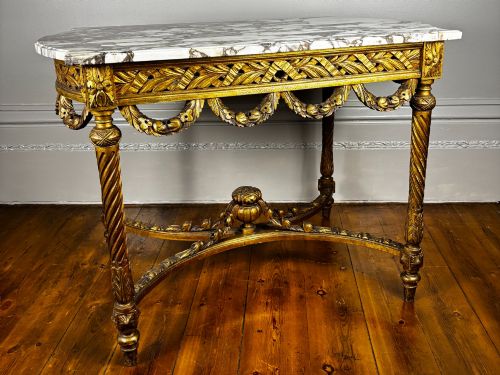
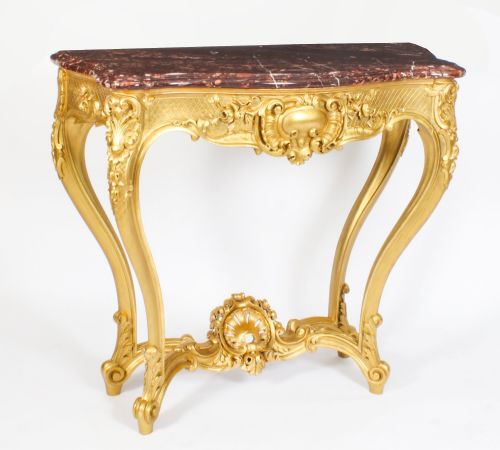
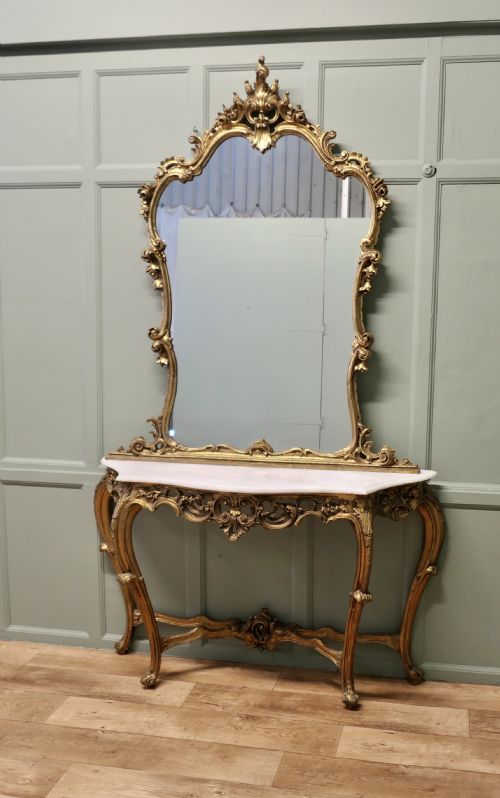
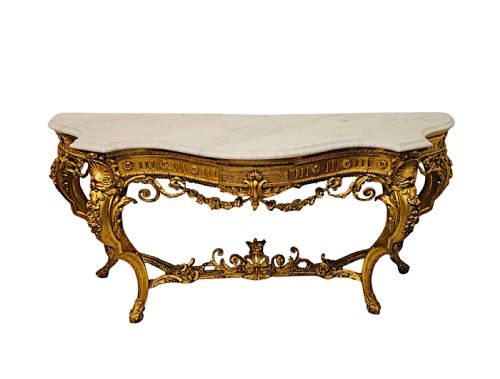
When you search for an ornate gold table, you enter a world of gilded console tables, marble-topped centre tables, and carved giltwood bases designed to command a room.
Ornate Gold Table
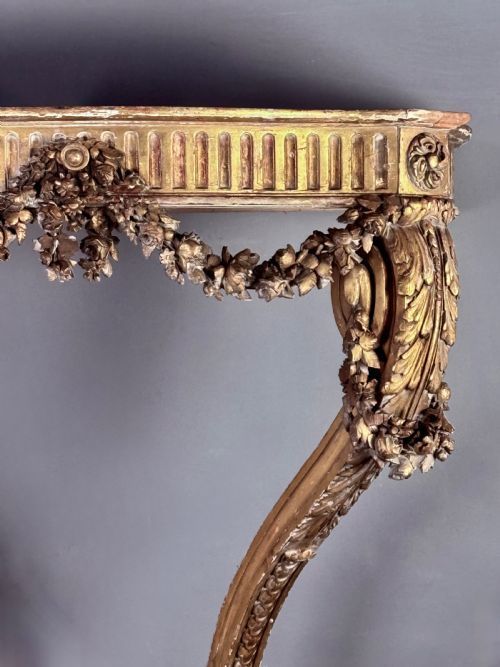
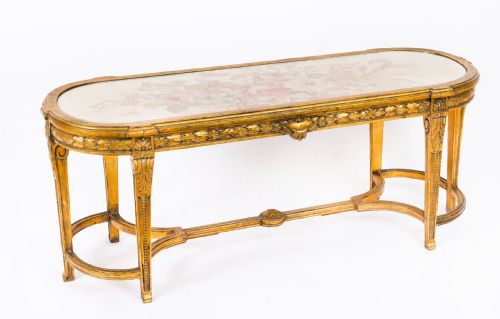
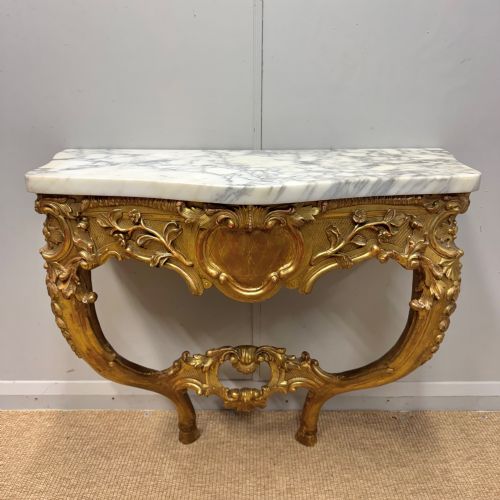
An ornate gold table typically manifests as a console table, often paired with a matching mirror, or as a low coffee and centre table designed with lavish decorative flourishes. These pieces span the nineteenth and early twentieth centuries, drawing heavily on French Rococo, Louis XV, and Neoclassical revival aesthetics.
Makers and workshops from Britain, France, and Italy produced these items using rich materials such as giltwood, gesso, and polished marble. Console tables frequently feature carved wooden frames intended to stand flush against a wall, while occasional and centre tables utilise tripod bases or heavy stone tops.
How they were made
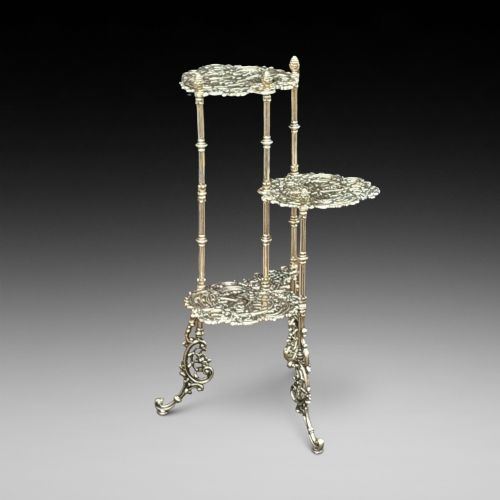
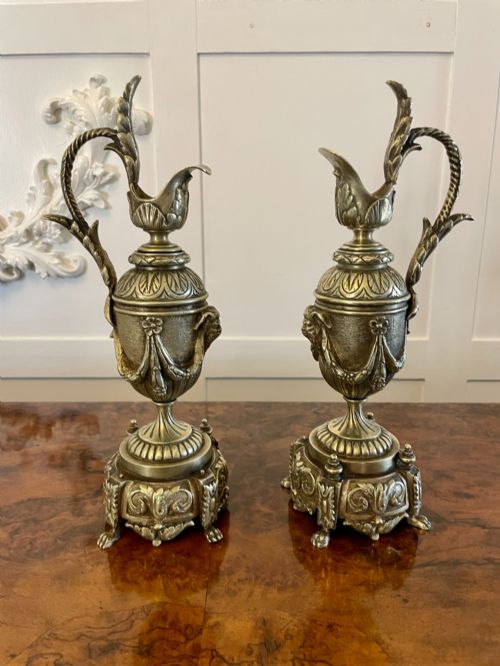
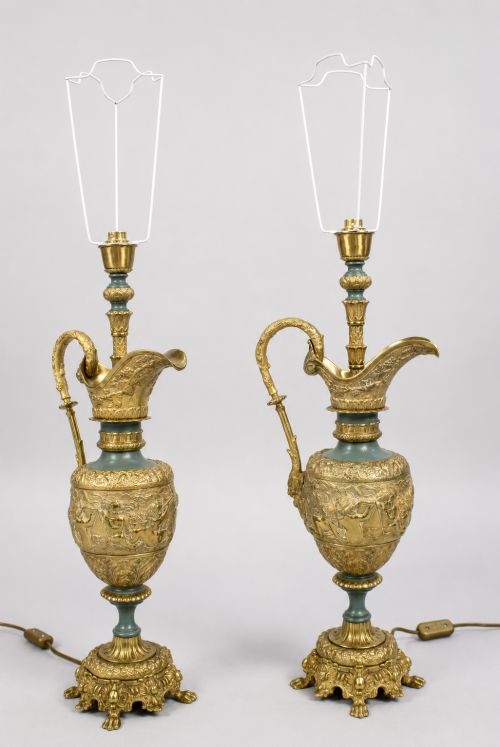
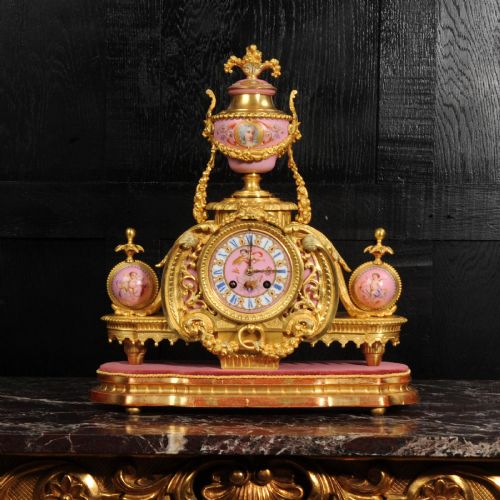
The construction of these gilt surfaces relies on the application of thin gold leaf or metal gilt over gesso and carved wood, a technique requiring immense patience to ensure the metallic sheen catches the light evenly. Heavier structural elements utilise solid brass, bronze, or ormolu mounts, cast in detailed moulds and subsequently chased by hand.
Table tops frequently incorporate contrasting natural materials, including polished green marble, onyx, and alabaster, fitted precisely into wooden or gilded frames. Carved elements on bases and legs are executed in timber, then coated in layers of preparation before the final gilding process.
Ornate Gold Table Retail Price Guide 2026
Typical asking prices for ornate gold table among the pieces listed under this phrase on Sellingantiques today, from the lower quarter to the upper quarter. They describe what is for sale here now, not the wider market.
Listings feature items spanning the nineteenth century into the early twentieth century, incorporating materials like giltwood, brass, marble, and gesso.
What varies in quality
The distinction between standard production and superior craftsmanship lies in the depth and crispness of the hand-carved detail on the wooden frames and the precision of the cast ormolu mounts. Finer examples display organic, fluid carving where the gesso layer remains thin enough to preserve the sharp edges of the underlying timber.
Another measure of quality rests in the selection and preparation of the inset stone tops, where genuine polished marble or onyx exhibits rich natural veining without filling or artificial repair. The integrity of the original gilding, whether gold leaf or gilt bronze, dictates how well the piece ages and reflects light.
Felix Alfred Ternisien·Amleto Bertoni·Achille Brocot·Samuel Marti
The Ornate Gold Table Glossary
- Giltwood
- Timber that has been coated with gold leaf or powder. This finish gives furniture a brilliant metallic lustre that defines ornate decorative styles.
- Console table
- A table designed to stand against a wall, frequently supported by ornate brackets or legs. These items often accompanied matching wall mirrors.
- Ormolu
- Finely chased and gilt bronze used for decorative mounts and fittings. The term originates from the French for milled gold.
- Gesso
- A plaster mixture applied to wood as a base for paint and gilding. It provides a smooth surface that can be deeply carved once dry.
Ornate Gold Table: Frequently Asked Questions
Where should I place an ornate gold table?
Console tables sit best against a prominent hallway or living room wall, particularly beneath a complementary mirror or painting.
Centre tables require an open space where they can be viewed from all sides, allowing the carved details of the base and the pattern of the stone top to catch the eye.
Are these tables sturdy enough for daily use?
Console tables rely partly on wall stability or sturdy leg construction, meaning heavy loads should be avoided in favour of decorative items like lamps and clocks.
Centre and occasional tables with marble or onyx tops possess considerable weight, making them stable for resting books or small objects during everyday life.
How can I tell a nineteenth century piece from a later revival?
Nineteenth-century items often exhibit hand-carved tool marks, traditional joinery methods, and natural wear patterns beneath the gilding.
Later twentieth-century revivals may show more uniform machine shaping, modern adhesives, or synthetic base materials underneath the gilt layer.