

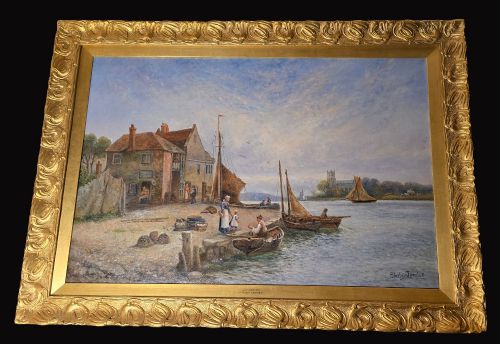
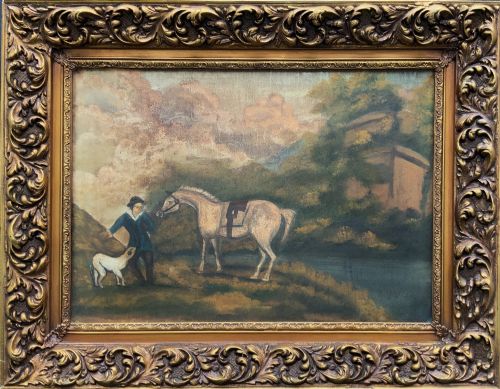
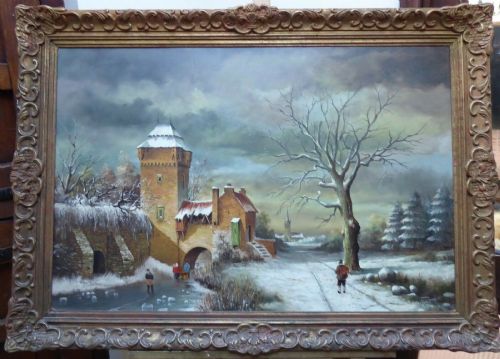
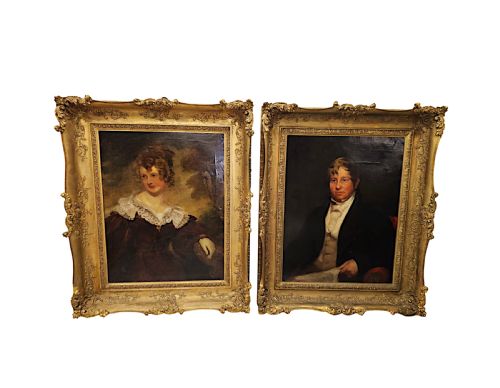
Ornate Gold Painting
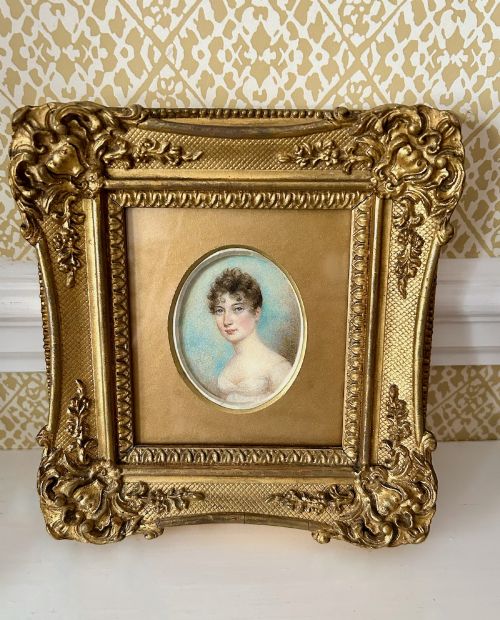
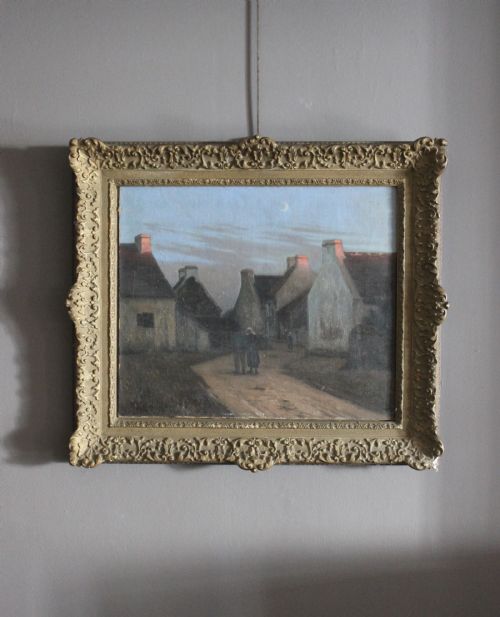
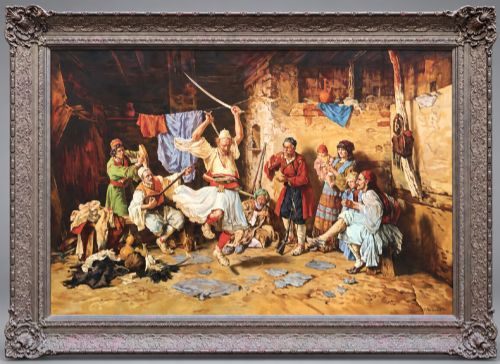
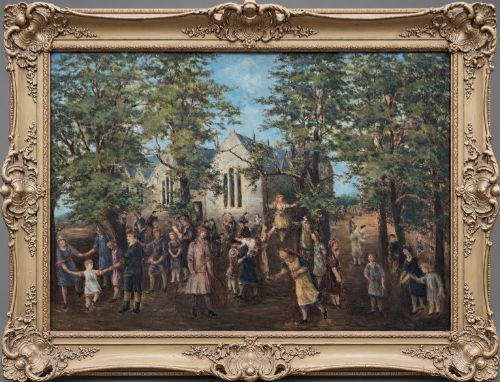
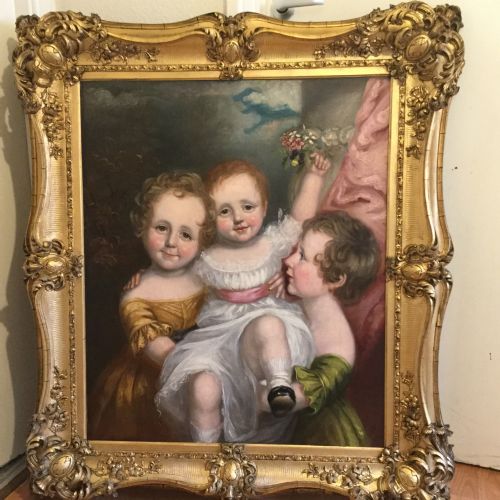
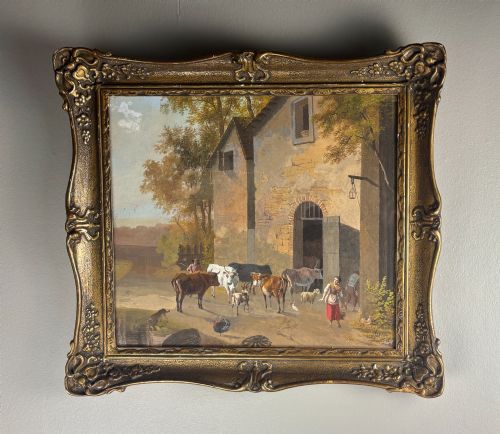
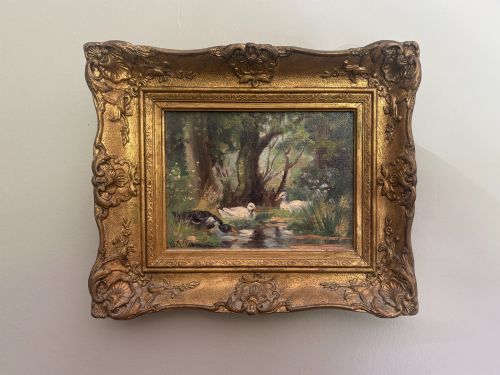
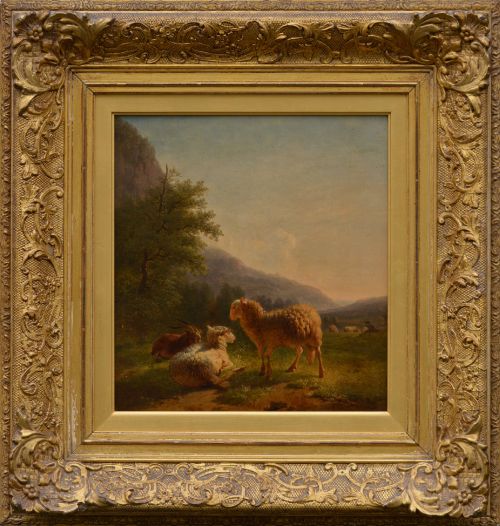
These ornate gold painting pieces bring together centuries of oils, canvases, and giltwood frames that catch the light.
Ornate Gold Painting
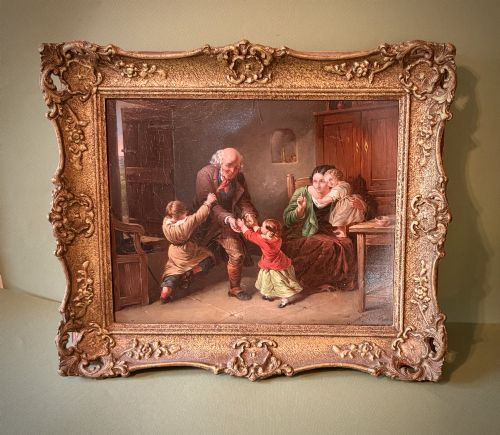
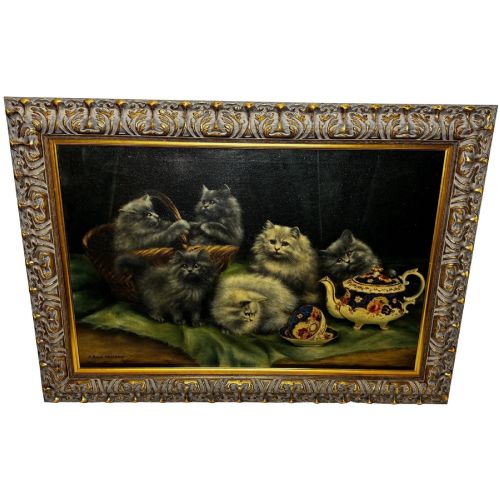
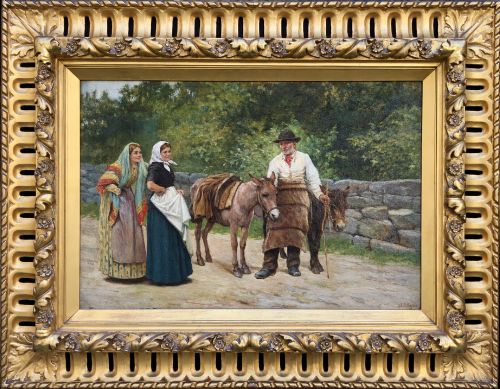
When you search for an ornate gold painting, you encounter canvases, panels, and works on paper housed within decorative surrounds. The selection spans centuries from seventeenth-century Dutch scenes to twentieth-century portraits.
You frequently meet oil paintings on canvas or panel accompanied by heavy giltwood and gesso frames. These pieces often feature landscapes, portraits, or still life subjects created across various European schools.
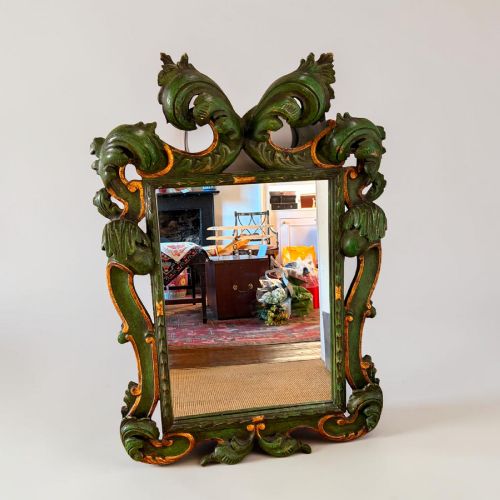
The assortment includes mirrors and letter openers alongside fine art, uniting structural gilding with painted surfaces. Victorian and Edwardian examples sit alongside pieces from the Regency era and the mid-twentieth century.
Materials and construction methods
Artists painted primarily with oil paint on stretched canvas or wooden panels, utilising pigments that have endured across generations. Frames were constructed from wood and coated in gesso before applying gold leaf or gilt paint.
Makers carved detailed fluted hollows and swept motifs into wooden mouldings, building up relief ornamentation by hand. Giltwood and gesso components required skilled craftsmanship to achieve deep lustre and texture.
Ornate Gold Painting Retail Price Guide 2026
Typical asking prices for ornate gold painting among the pieces listed under this phrase on Sellingantiques today, from the lower quarter to the upper quarter. They describe what is for sale here now, not the wider market.
Listings feature works spanning from the seventeenth century through the Victorian and Edwardian eras up to the 1960s.
Distinctions in quality
Quality depends upon the depth of the hand-carved relief in the frame and the preservation of the original gold leaf surface. Superior frames display crisp gesso work without heavy modern repainting.
Within the painted works, the finesse of brushwork and the stability of the canvas or panel determine the standing of the piece. Handling of light and composition separates standard studio output from accomplished works.
Pieter Cornelis Steenhouwer·Paja Jovanovic·Agnes Augusta Talboys·Sir Thomas Lawrence·Francesco Guardi·Willem J Palman·William Manners·Karel Dujardin·Barent Gael·Nicolaas Martinus Wijdoogen·Achille Brocot·Oliver Clare·Edward Mills·Gabriel Mathieu·Gian Paolo Pace·Martin Theodore Ward·Howard Helmick·John Horace Hooper
The Ornate Gold Painting Glossary
- Gesso
- A plaster mixture applied to wood frames as a smooth base for gilding. It allows craftsmen to carve intricate relief details before applying gold leaf.
- Giltwood
- Timber coated with gold leaf or gold paint. This material provides the brilliant metallic finish characteristic of period picture frames.
- Oil on Canvas
- Pigment mixed with drying oil applied to woven fabric stretched over a wooden frame. This combination allows for rich colour blending and durability.
- Gouache
- An opaque water-based paint used on paper. It yields flat, vibrant areas of colour distinct from translucent watercolour.
- Capriccio
- An architectural fantasy placing together buildings, ruins and other architectural elements in a fictional compositional landscape. Artists often used this style in European paintings.
Ornate Gold Painting: Frequently Asked Questions
What is an ornate gold painting?
These works comprise traditional oil paintings, portraits, and landscapes set inside decorative metallic frames. They combine historical canvas art with elaborate woodwork.
Such pieces reflect distinct European artistic traditions ranging from the seventeenth century to the mid-twentieth century.
How do I date a gold frame?
Dating relies upon examining the timber construction beneath the gesso, the type of joinery used at the corners, and the composition of the plaster.
Earlier frames often feature hand-carved wooden mouldings while later Victorian and Edwardian examples utilise moulded compo ornament.
Where should I hang these pieces?
They suit principal reception rooms or hallways where their reflective surfaces can interact with natural daylight. Strong structural frames allow them to anchor a wall space.
Avoid placing them in areas subject to high humidity or direct sunlight to protect both the canvas and the gilt finish.
How do I clean a gilt frame?
Dusting requires a soft, dry brush to remove particles without disturbing delicate gesso or flaking gold leaf. Moisture and chemical cleaners should be avoided entirely.
Professional conservation is recommended for deep cleaning or repairing losses to the metallic surface.