

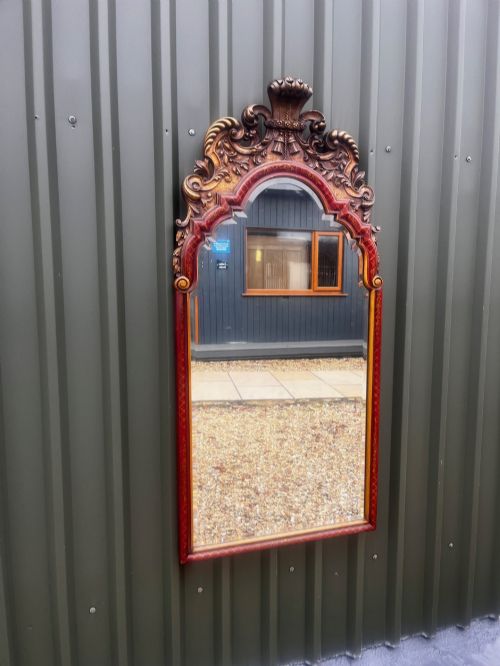
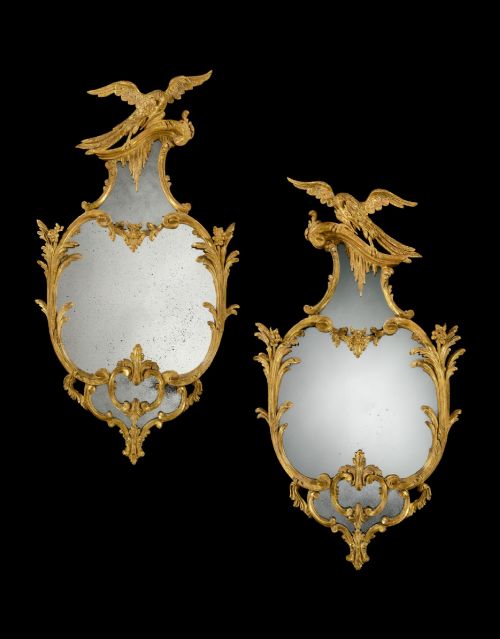
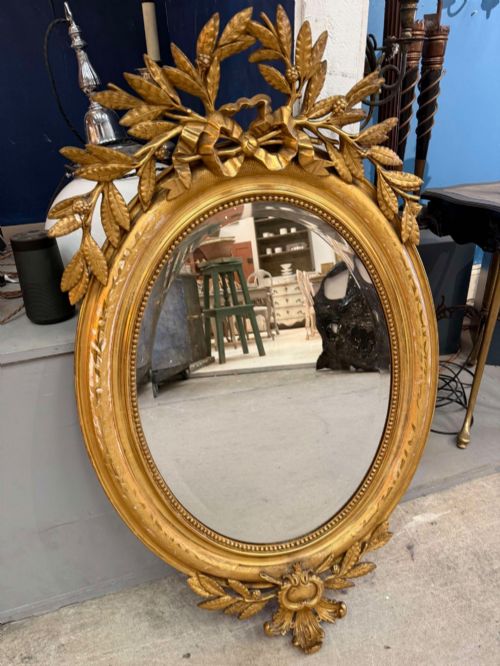
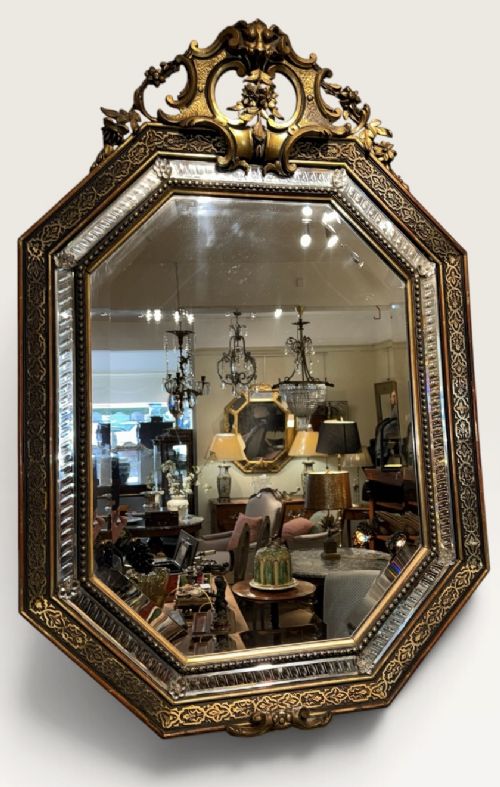

Ornate Gold Crested Mirror
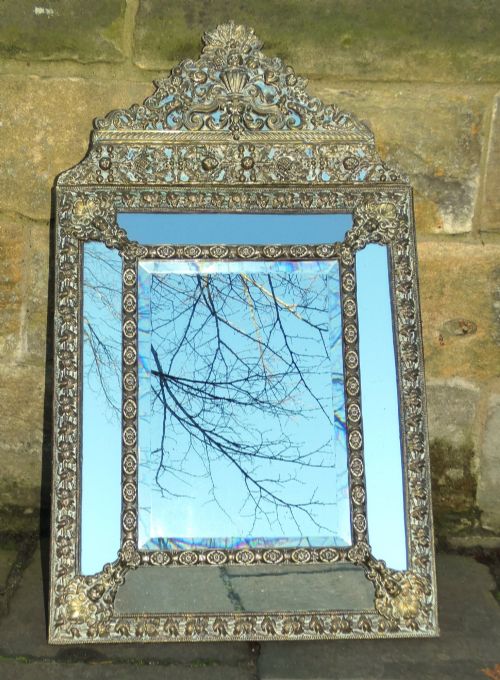
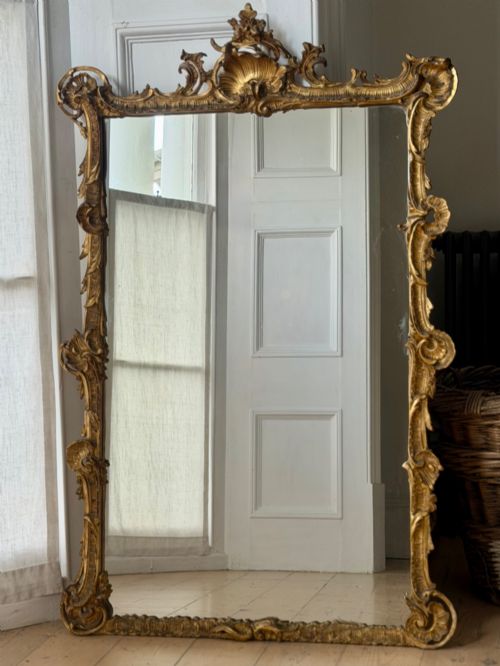
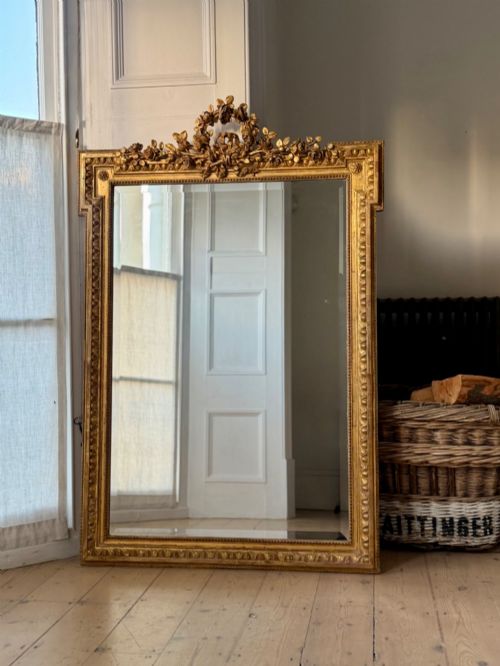
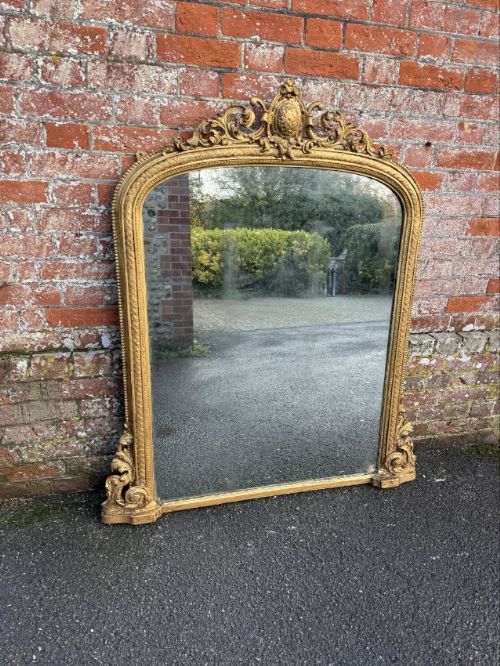
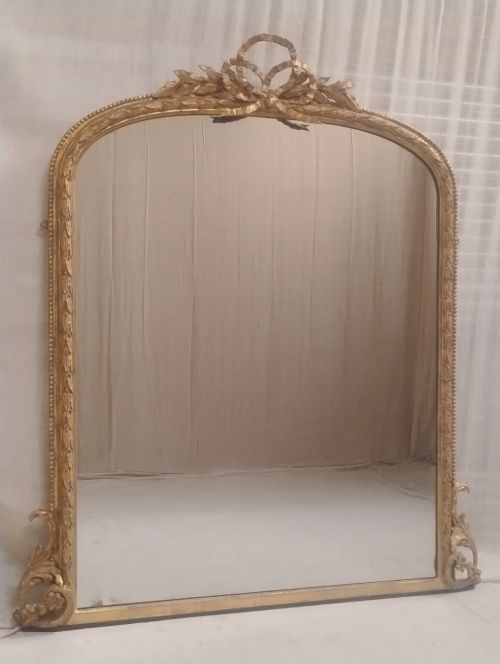
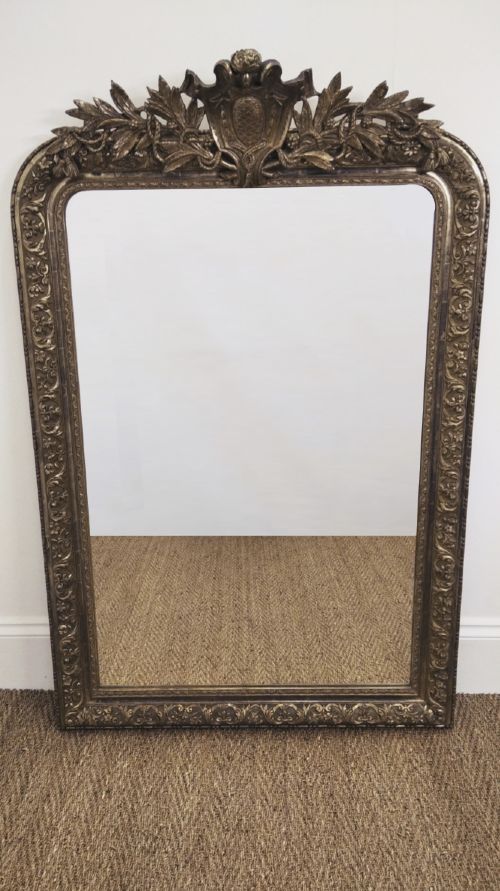
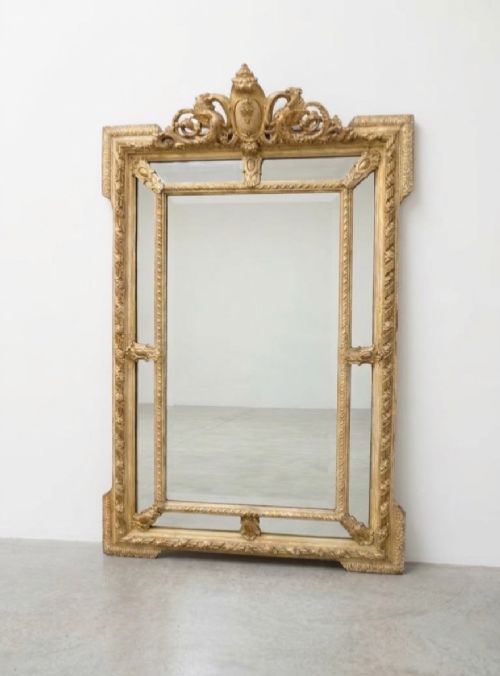
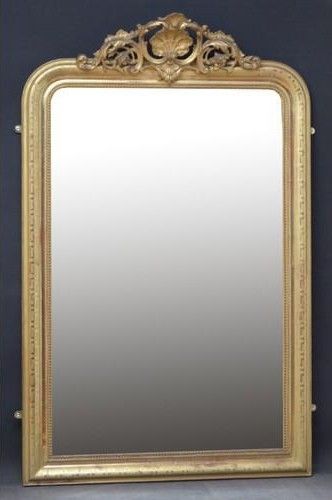
An ornate gold crested mirror brings nineteenth-century French and Victorian grandeur into a room through elaborate carving and gilded surfaces.
Ornate Gold Crested Mirror
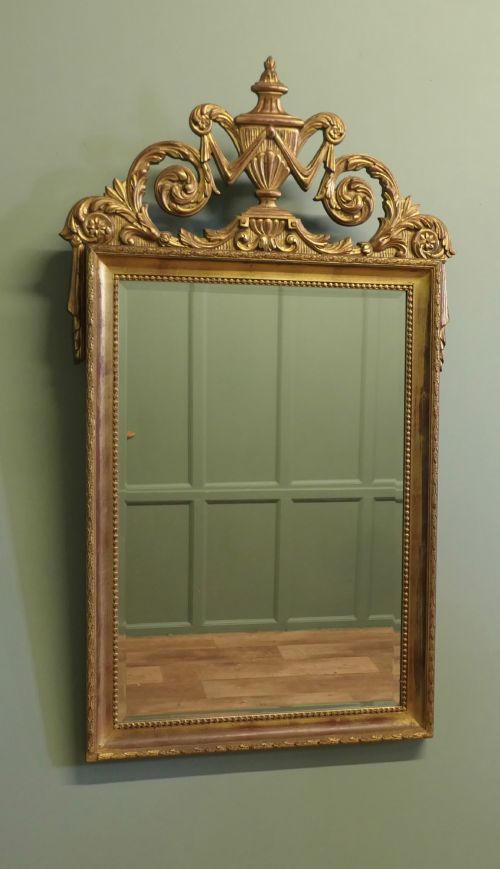
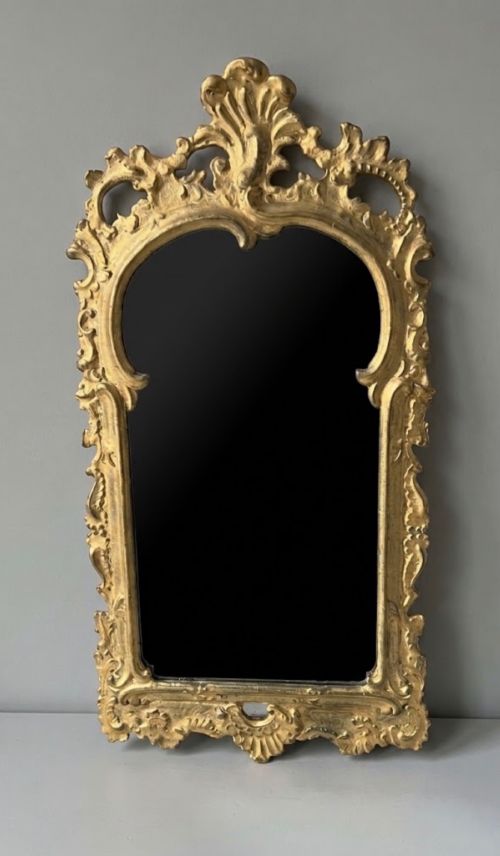
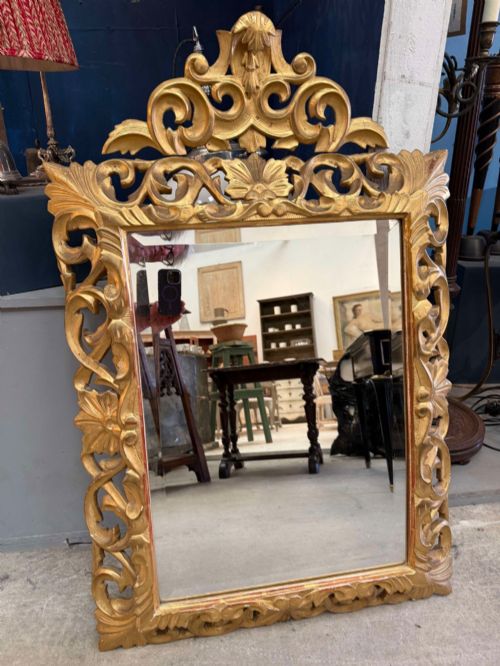
When searching for an ornate gold crested mirror, buyers encounter nineteenth-century wall mirrors, overmantels, and leaner mirrors originating from French and English workshops. These pieces span the Victorian era, the Belle Époque, and various revival styles including Louis XV, Louis XVI, and Rococo.
The most common version met on this page is the large nineteenth-century French or English overmantel mirror featuring an elaborate carved crest at the top. These mirrors often incorporate arched tops, oval formats, or rectangular frames designed to hang above a fireplace or serve as a principal wall decoration.
Forms also include smaller wall sconces, girandoles, and table mirrors, alongside distinct regional variations from Italy and Venice. The defining characteristic across these objects remains the decorated crest, which frequently displays floral motifs, ribbons, scrolls, or classical masks.
How they were made
Maker's workshops built these frames using solid wood carcasses overlaid with gesso, a prepared chalk plaster mixture that accepted intricate hand-carving and moulding. Artisans applied gold leaf, silver-gilt, or liquid gilding to the gesso surfaces, sometimes combining the metallic finish with painted elements or bare plaster exposed by age.
Reflecting nineteenth-century techniques, the glazing often consists of heavy mirror glass or original mercury plate, which exhibits characteristic soft speckling and depth. Larger frames designed for overmantel placement required robust internal wooden bracing to support the substantial weight of the glass and ornate crestings.
Ornate Gold Crested Mirror Retail Price Guide 2026
Typical asking prices for ornate gold crested mirror among the pieces listed under this phrase on Sellingantiques today, from the lower quarter to the upper quarter. They describe what is for sale here now, not the wider market.
Listings feature nineteenth-century French and Victorian periods, utilising materials such as gesso, giltwood, and mercury glass across wall, overmantel, and oval mirror forms.
What varies in quality
The distinction between standard production and superior craftsmanship rests in the depth and crispness of the carved ornamentation on the crest and frame. Hand-carved wooden detailing holds sharper relief and greater individuality than moulded composition ornaments pressed into the gesso.
Preservation of the original gilding and the character of the mirror plate determine the visual weight of the piece. Retaining the original mercury glass or untouched gold leaf provides an authentic historic surface that machine-finished replacements lack.
The Ornate Gold Crested Mirror Glossary
- Giltwood
- Wood that has been coated with gold leaf or a gold-coloured metallic finish. This technique creates a luminous surface that catches candlelight and natural room illumination.
- Gesso
- A mixture of gypsum or chalk and animal glue used as a smooth base for gilding or painting. Artisans carved directly into this pliable layer to create raised ornamentation.
- Overmantel mirror
- A large mirror specifically proportioned to hang above a mantelpiece or fireplace. These pieces dominated nineteenth-century interior reception rooms.
- Mercury glass
- An early type of double-walled glass blown with a silvering mixture inserted between the layers. It creates a cloudy, reflective depth unique to antique mirrors.
- Crest
- The decorative upper portion of a mirror frame. This ornamental feature often forms an elaborate crown of scrolls, flowers, or carved motifs.
Ornate Gold Crested Mirror: Frequently Asked Questions
Where should an overmantel mirror be hung?
These large mirrors traditionally hang directly above a fireplace mantelpiece to reflect light and expand the visual space of a room. They also function effectively as leaner mirrors placed directly on the floor against a main wall.
Ensure the wall construction and fixings can support the substantial combined weight of the heavy wooden frame and thick glass plate.
How do I care for antique gilt surfaces?
Dust the frame gently with a dry, soft-bristled brush or a clean microfiber cloth to remove surface particles without disturbing the delicate metallic leaf. Avoid using chemical cleaning sprays, water, or abrasive cloths, as moisture strips nineteenth-century gesso and gilding.
Protect the mirror from direct, prolonged sunlight to prevent the underlying gesso from drying out and cracking over time.
What is the difference between gesso and carved wood?
Carved wood involves shaping the actual timber frame by hand using chisels and gouges to create three-dimensional decorative forms. Gesso is a plaster-like compound applied over the wood base to receive moulded ornamentation or fine surface detailing.
Many nineteenth-century pieces combine both techniques, using a wooden structural carcass adorned with moulded gesso crests and borders.
How can I date a nineteenth-century mirror?
Dating relies on examining the construction methods of the wooden backboards, the type of mirror plate glass, and the stylistic vocabulary of the frame. Victorian and nineteenth-century French pieces often display specific revival characteristics like Louis XV scrolls or Belle Époque ribbon motifs.
Original backing papers, old dealer labels, and the natural oxidation patterns within the mercury glass plate provide further chronological clues.