




Ornate Gold Brackets
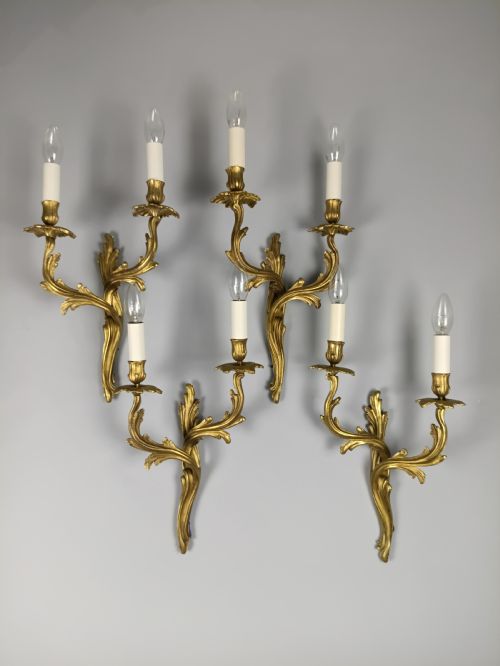
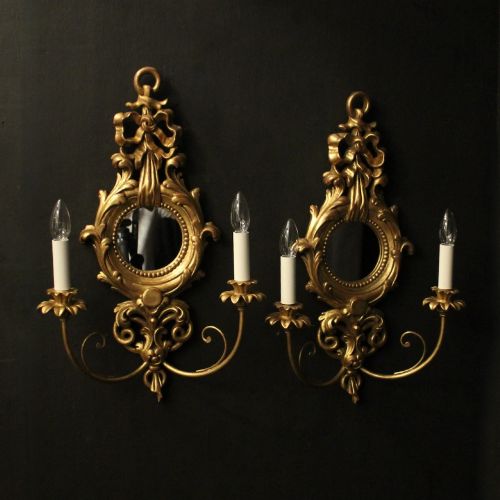
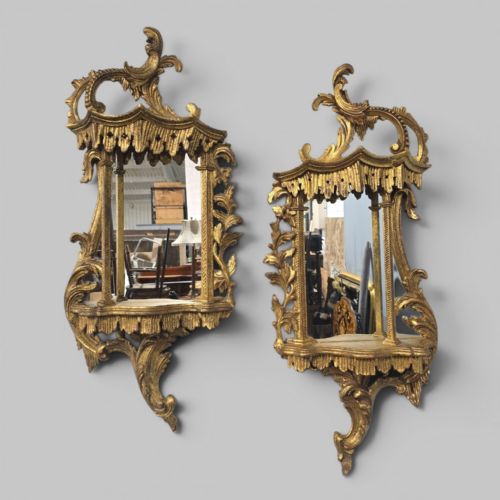
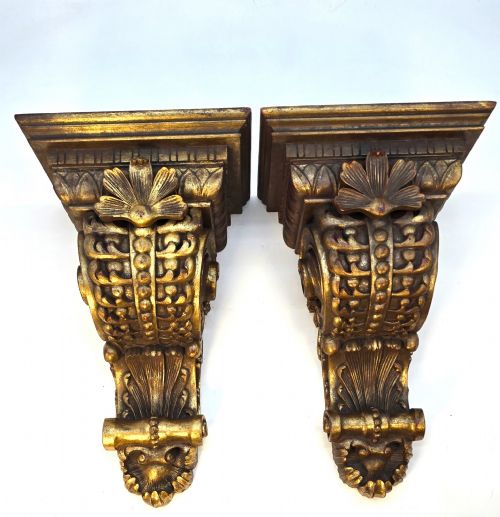
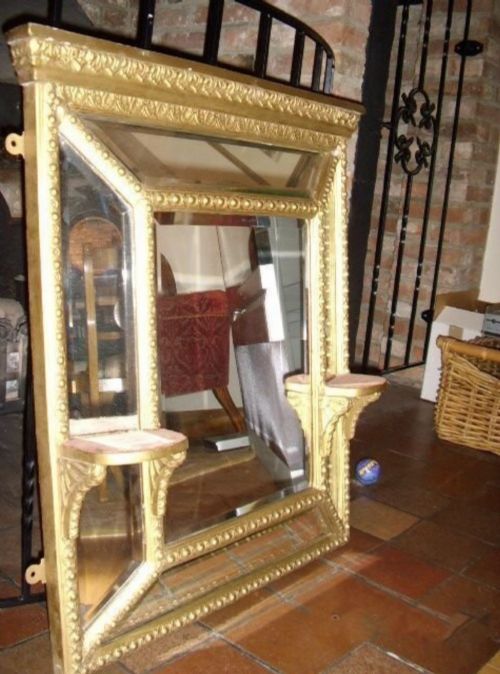
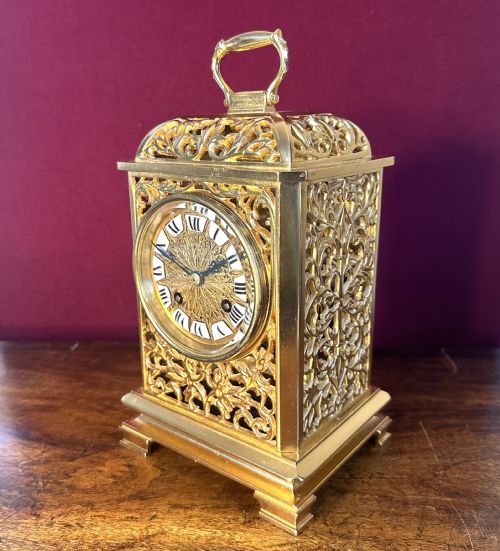
Ornate gold brackets bring together gilded wood, brass and bronze to frame mirrors or support clocks.
Ornate Gold Brackets
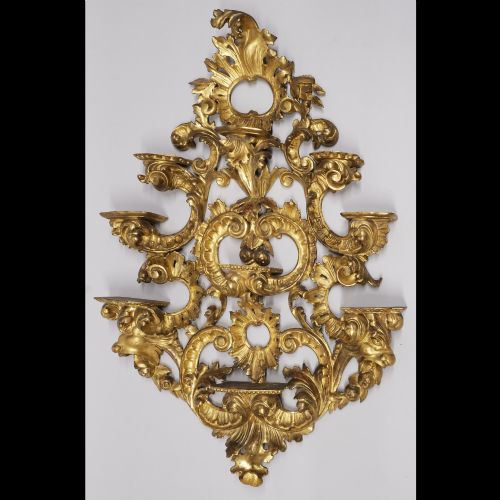
Ornate gold brackets include wall shelves, mirror consoles and architectural supports cast in brass, bronze or carved from wood. These items emerge predominantly from the nineteenth century and the early decades of the twentieth century, reflecting revivalist tastes.
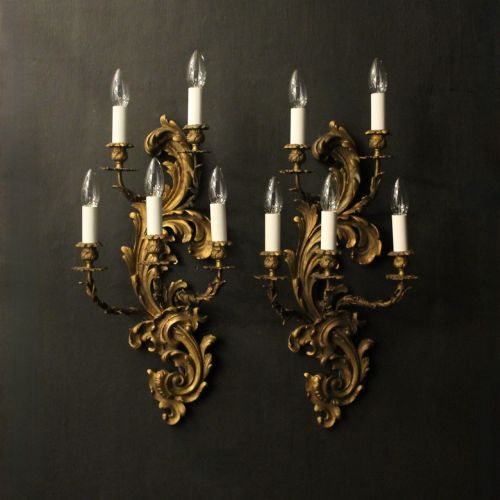
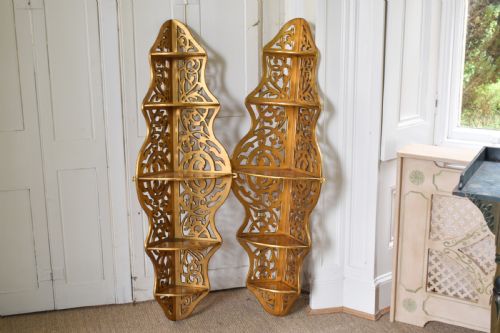
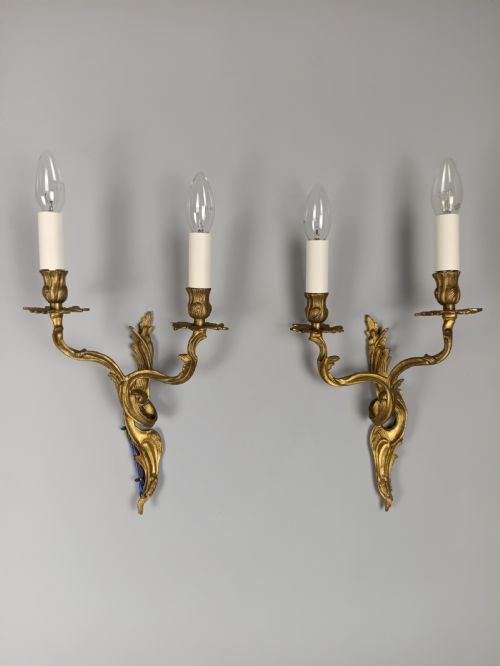
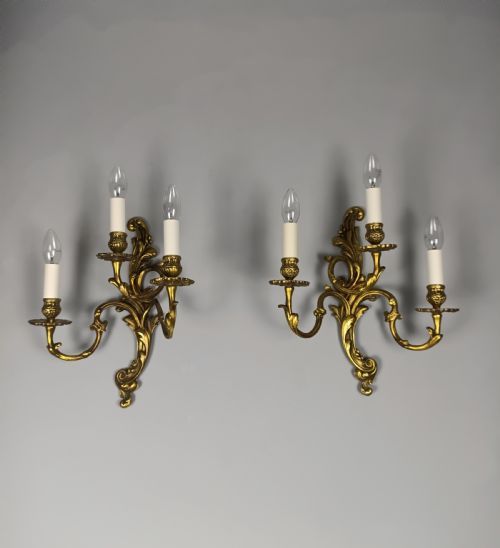
The versions most commonly met on this page are French and Victorian pieces, frequently paired as wall lights, sconces or corner shelves. Makers applied heavy gilding to brass, gesso and wood to catch the candle or gas light of period interiors.
How they were made
Craftsmen shaped these items using carved wood or cast metal such as brass and gilt bronze, applying layers of gesso to wooden foundations before gilding. Giltwood pieces rely on hand-carved floral and scroll motifs finished in gold leaf.
Foundries cast brass and bronze components in multiple sections before assembling wall lights and clock cases with mechanical fixings. Enamel, glass and mirrored panels integrate into the metalwork on clock faces and cushion frames.
Ornate Gold Brackets Retail Price Guide 2026
Typical asking prices for ornate gold brackets among the pieces listed under this phrase on Sellingantiques today, from the lower quarter to the upper quarter. They describe what is for sale here now, not the wider market.
Several brass wall sconces incorporate mischievous cherubs peering out from beneath the candle arms.
What varies in quality
The refinement of the carving or metal casting determines the standard of an item, separating sharp, deeply undercut rococo scrolls from soft, shallow moulds. Heavy gilt bronze and solid carved giltwood represent the upper tier of production.
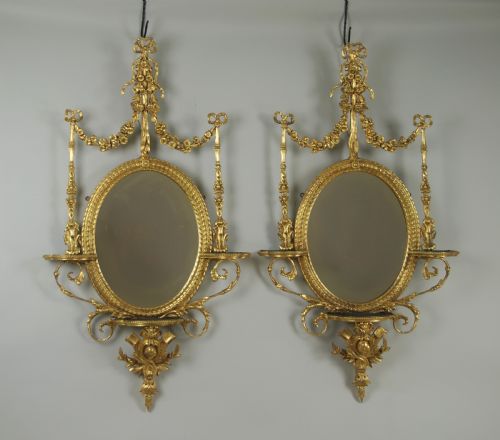
Original gilding condition and the integrity of structural joints dictate the merit of surviving examples. Retaining the original bevelled mirror glass or matched wall light arms maintains the internal harmony of the piece.
Samuel Marti
The Ornate Gold Brackets Glossary
- Giltwood
- Wood that has been coated with a thin layer of gold leaf or gold paint. This technique protects the timber while providing a bright, reflective surface.
- Gesso
- A plaster mixture applied to wood surfaces as a base for gilding or painting. It allows craftsmen to carve crisp decorative details before applying gold leaf.
- Girandole
- A branched wall light or sconce fitted with a mirrored backplate. The mirror reflects the candlelight to increase illumination in a room.
- Ormolu
- Gilded bronze used extensively in French clock cases and furniture mounts during the eighteenth and nineteenth centuries. The technique involves applying a mercury and gold amalgam to bronze.
- Pier glass
- A tall mirror designed to hang on the wall pier between two windows. These often incorporated display shelves or brackets beneath the glass.
Ornate Gold Brackets: Frequently Asked Questions
How do I date these pieces?
Dating relies on stylistic clues, construction methods and materials. Pieces showing heavy Victorian revivalism or specific nineteenth-century French styling point to the decades between eighteen sixty and nineteen thirty.
Mechanisms in associated clocks and wiring methods in wall lights offer further chronological markers. Maker signatures cast into bronze components or stamped on clock movements provide definitive dates.
Can antique wall lights be rewired?
Most antique brass and bronze wall lights adapt well to modern electrical standards. Professional rewiring ensures safety while preserving the original metal arms and wall plates.
Wiring runs through the existing channels where possible to maintain the external appearance. Qualified electricians should handle all vintage lighting updates.
What is rococo revival style?
Rococo revival design draws inspiration from the eighteenth-century French rococo movement, featuring asymmetrical scrolls, C-curves and naturalistic foliage. Nineteenth-century makers reinterpreted these motifs in giltwood, brass and bronze.
This aesthetic prioritises ornate, flowing lines over strict geometric symmetry. It appears frequently on French wall lights, mantel clocks and mirror brackets from the eighteen seventies onward.