


Ornate Glass Pendant Light
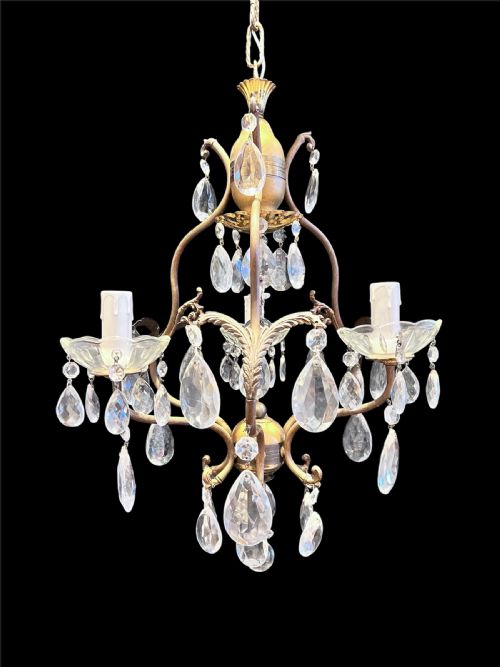
An ornate glass pendant light brings dramatic presence to a hall or room, using cut crystal and gilt metal to catch the eye from above.
Ornate Glass Pendant Light
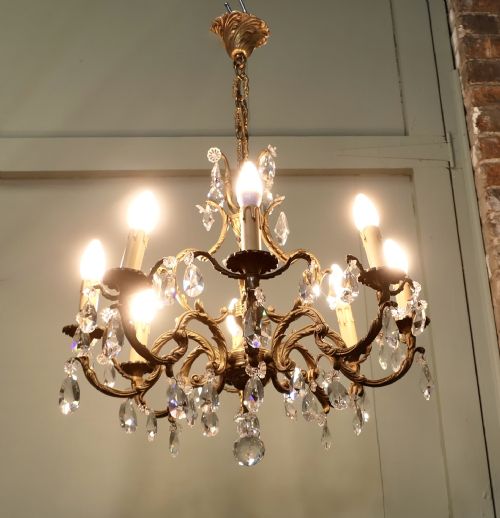
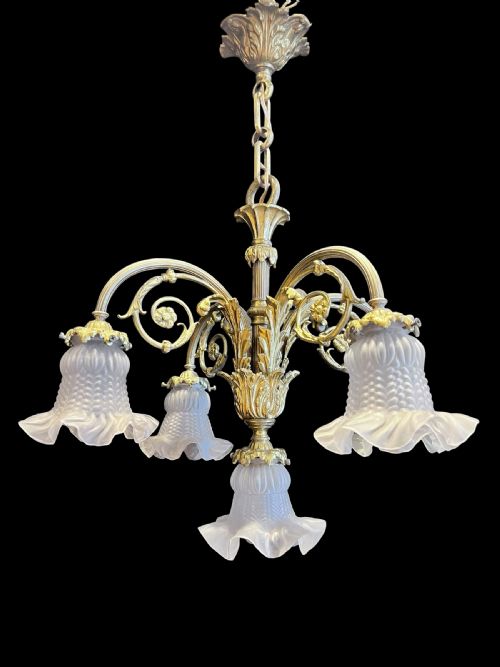
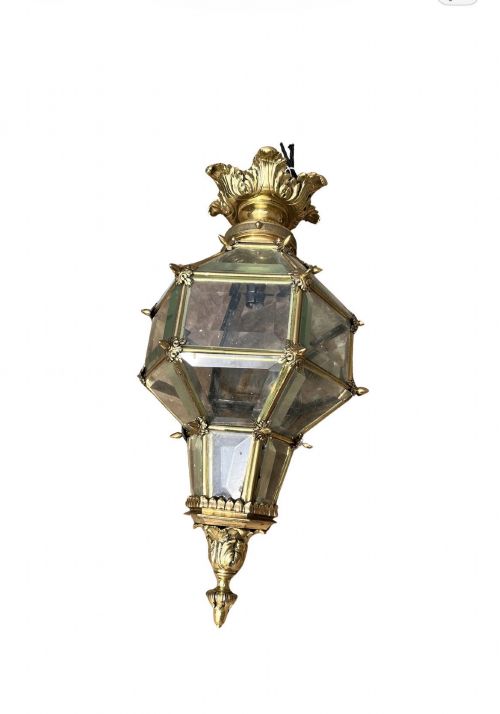
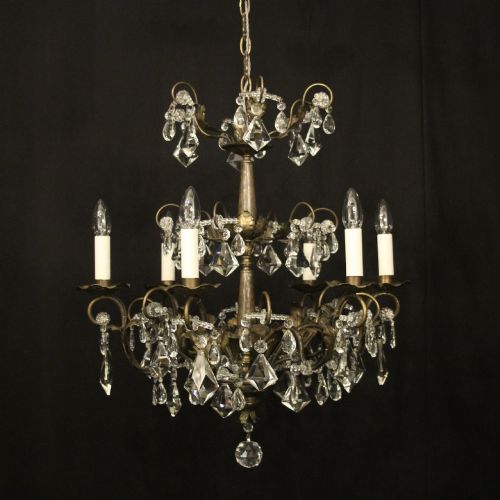
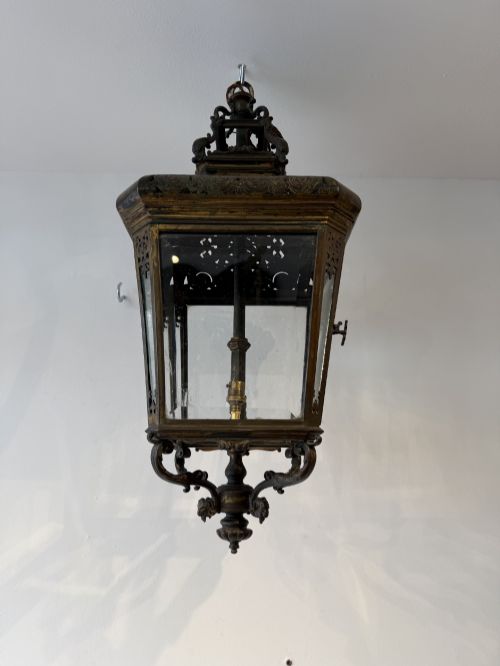
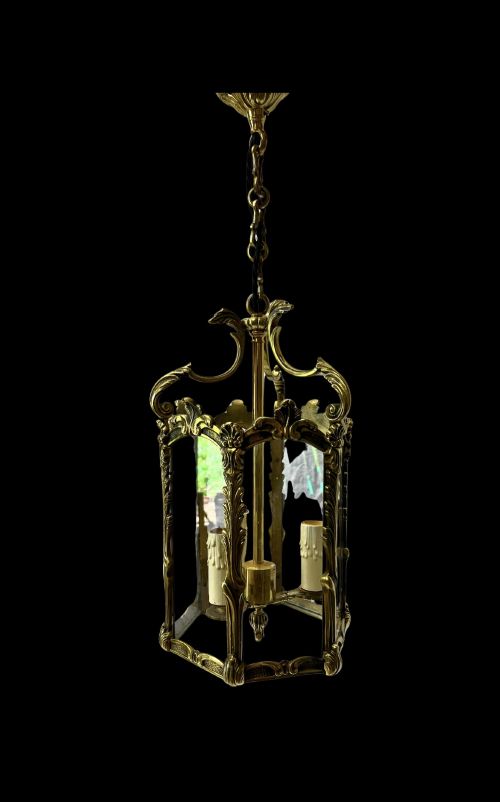
An ornate glass pendant light encompasses hanging lanterns, hall lights and multi-armed chandeliers spanning the nineteenth century through the nineteen-thirties. You will frequently encounter French and Italian examples shaped by Rococo, Empire and Gothic revivals.
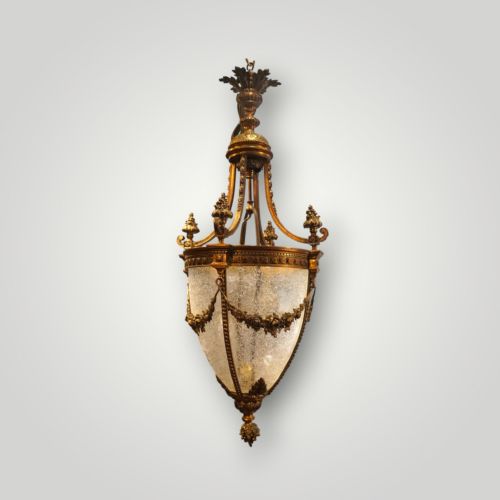
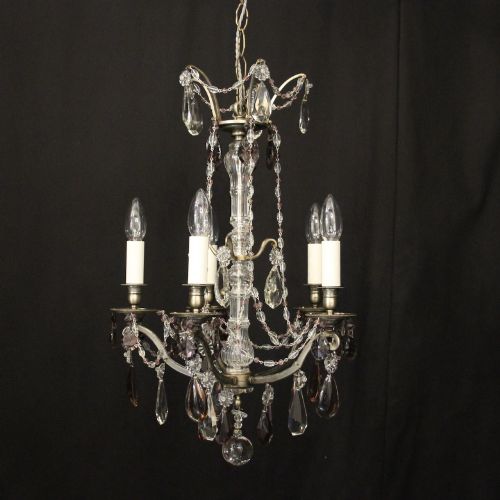
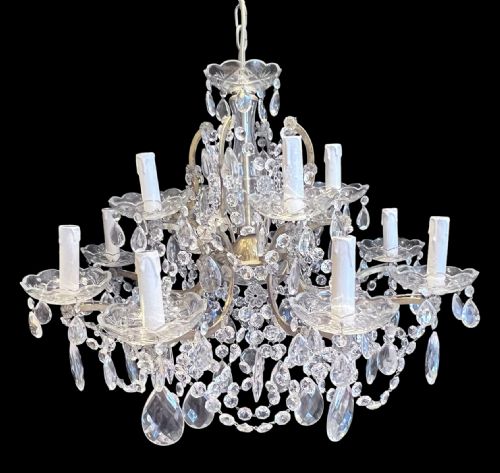
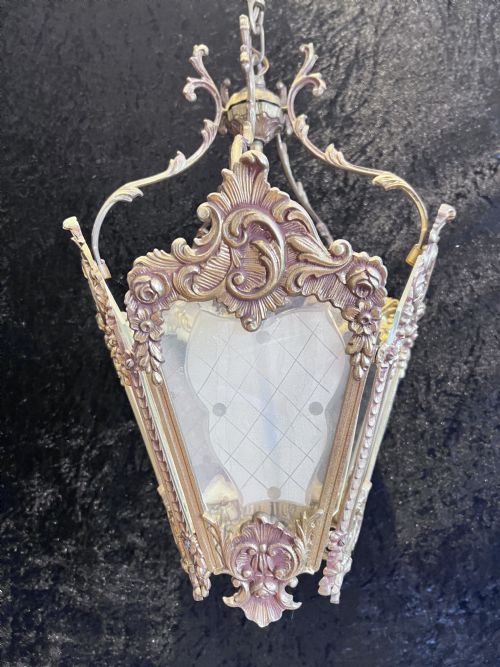
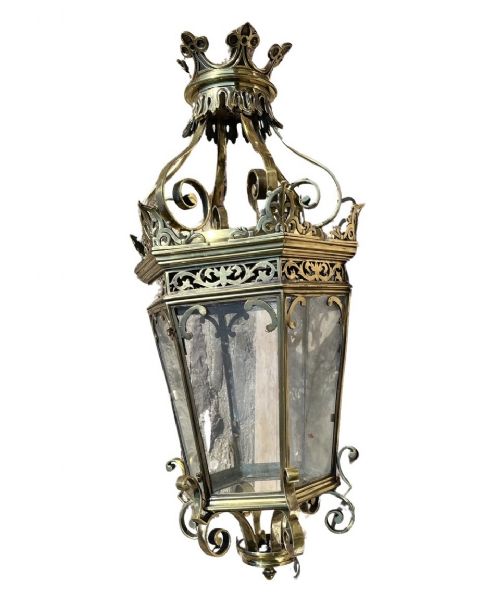
These fixtures serve to illuminate interior spaces while functioning as prominent decorative focal points. The selection ranges from single-light brass lanterns enclosed by glass panels to large twelve-light chandeliers hung with crystal lustres.
Origins heavily lean towards continental European workshops, particularly French and Italian makers working in brass, gilt bronze and crystal. Pieces date from the mid-nineteenth century up to the interwar period of the nineteen-thirties.
Materials and construction
Frames are constructed from cast brass, gilt bronze, giltwood and metal, providing the structural skeleton for glass panels and crystal drops. Metal components often feature chased or carved detailing reflecting French Rococo and Italian Florentine traditions.
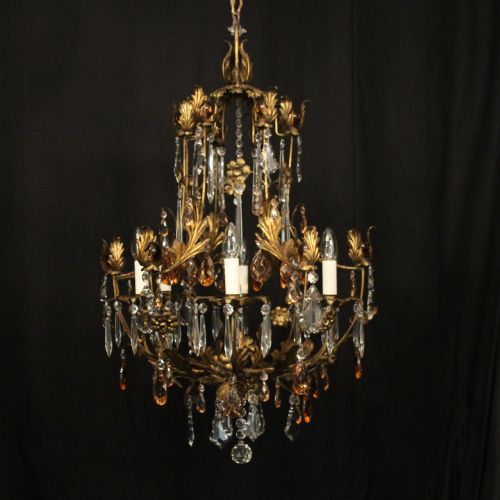
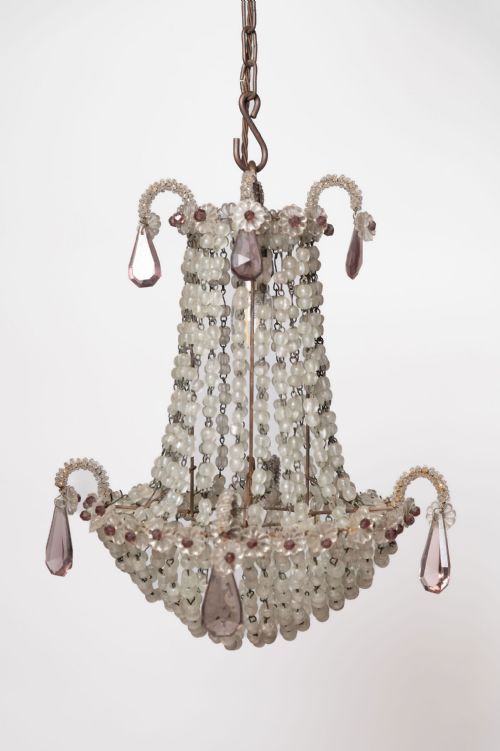
Lighting elements incorporate clear cut crystal, frosted glass, and coloured glass shades paired with internal candle-style drips or electric fittings. Crystal lustres, swags, and drops are suspended from the main frame using wire or pins to maximise light refraction.
Listings feature lighting from the eighteen-sixties through the nineteen-thirties, dominated by French and Italian brass, bronze, and crystal designs.
Judging the work
Quality rests upon the crispness of the metal casting and the depth of the gilding or patination on the bronze and brass. Finer examples display meticulous hand-chasing on the metalwork and heavy, high-clarity cut crystal rather than moulded glass.
The complexity of the design and the integrity of the structural assembly distinguish standard pieces from exceptional ones. Heavier gauge metals, complete sets of original crystal drops, and intricate framing indicate superior workshop production.
The Ornate Glass Pendant Light Glossary
- Lustre
- A cut crystal pendant or drop hung from a chandelier to refract light. These elements dangle from the arms and crown of the fixture.
- Gilt Bronze
- Bronze metal coated with a thin layer of gold, frequently used in French decorative arts. It provides a warm, enduring metallic sheen.
- Hall Lantern
- An enclosed hanging light designed specifically for entranceways and corridors. They typically feature glazed panels set within a brass or bronze frame.
- Toleware
- Painted or lacquered sheet metal items often incorporated into continental lighting fixtures. It introduces coloured accents to the metallic structure.
- Plaffonier
- A ceiling-mounted light fixture positioned flat or close against the ceiling surface. These pieces direct illumination downwards into the room.
Ornate Glass Pendant Light: Frequently Asked Questions
How do I hang a heavy brass chandelier safely?
Suspension requires fixing directly into ceiling joists using a heavy-duty steel hook and appropriate load-bearing fixings. The weight of brass and crystal fixtures demands professional structural support.
Electrical wiring must be routed through the primary suspension chain and checked by a qualified electrician before operation.
How should I clean crystal drops on an antique light?
Cleaning involves removing delicate crystal components individually or wiping them in place using a mild solution of warm water and professional glass cleaner. A soft microfibre cloth prevents scratching the antique glass.
Power must be switched off completely at the mains before undertaking any cleaning or maintenance on suspended light fixtures.
How can I date an antique glass pendant light?
Dating relies on examining the manufacturing techniques of the metal frame, screw threads, wiring types, and glass-cutting styles. Nineteenth-century pieces often display hand-cut crystal and heavy sand-cast brass elements.
Stylistic cues such as Rococo revival curves or Art Nouveau motifs help narrow the period down alongside any maker signatures or casting stamps.