

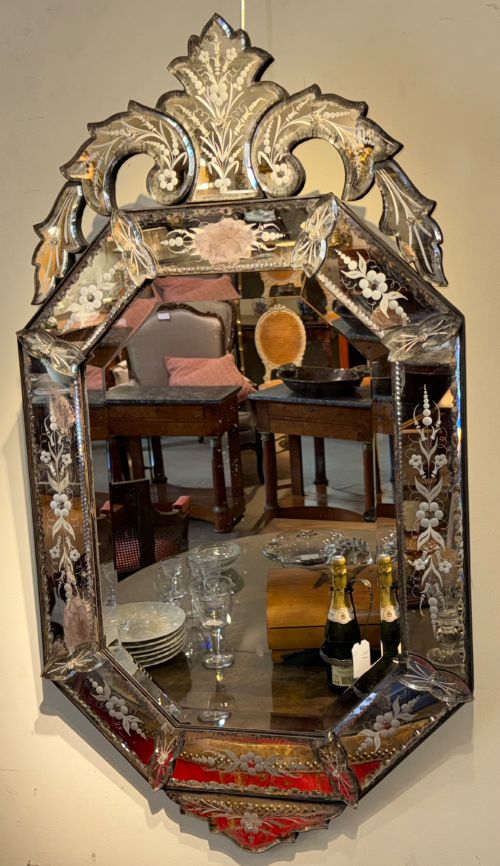
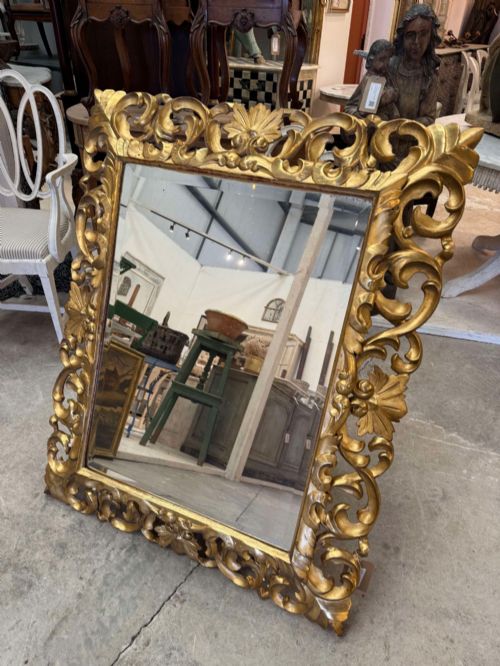
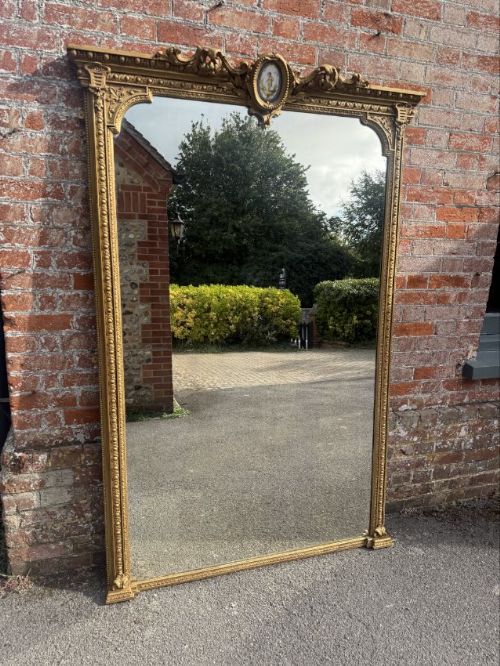
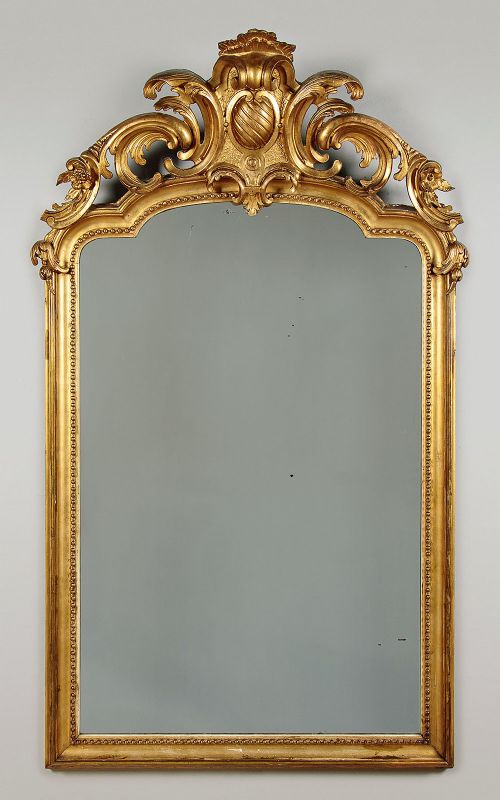
Ornate Glass Framed Mirror
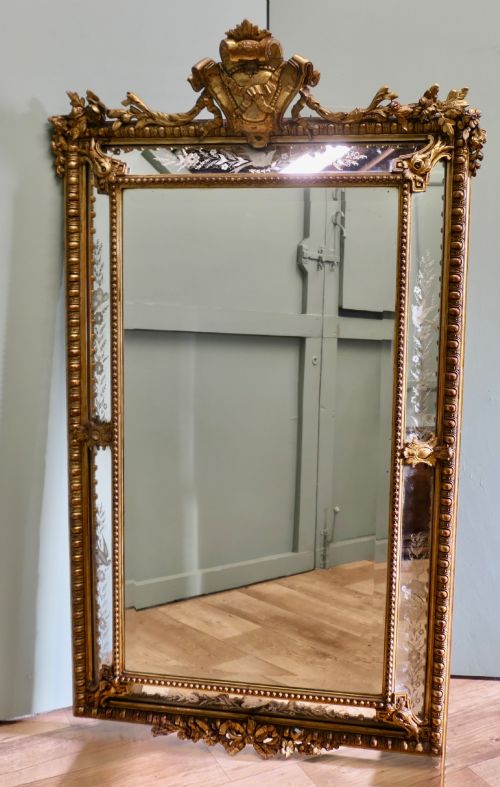
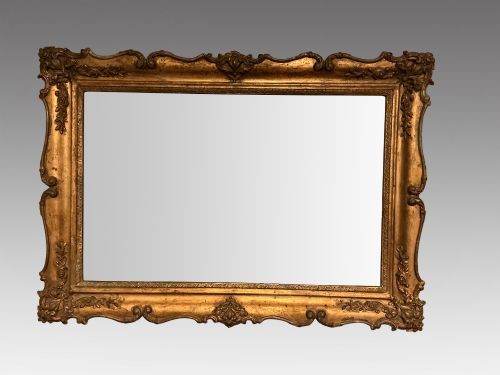
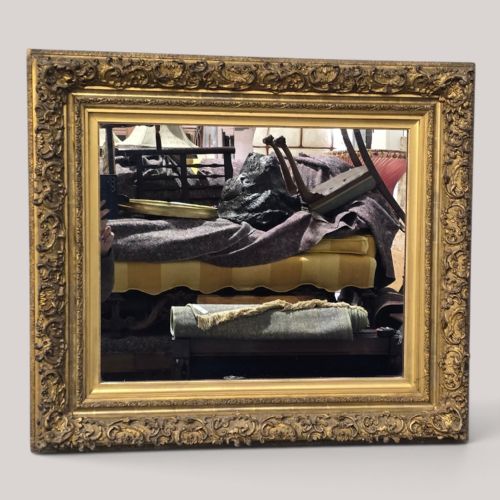
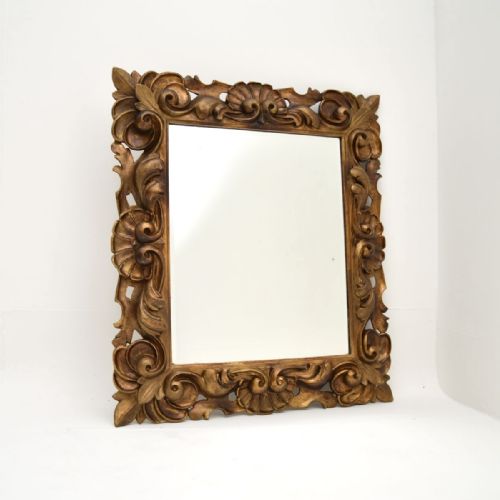
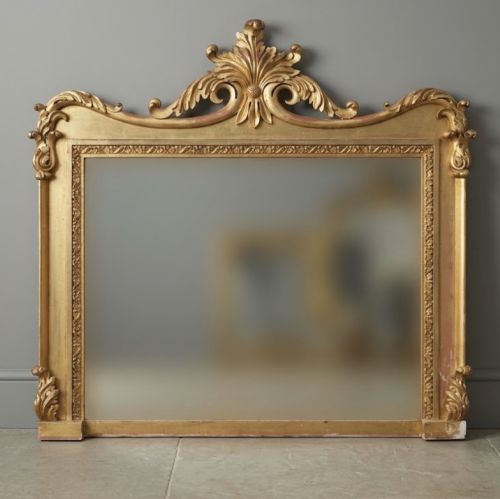
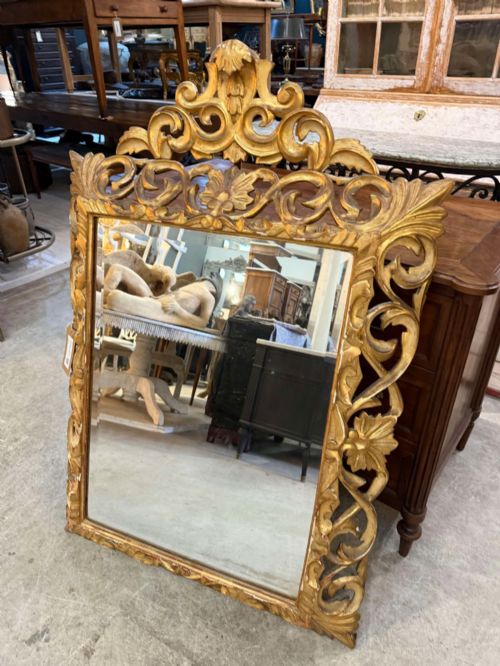
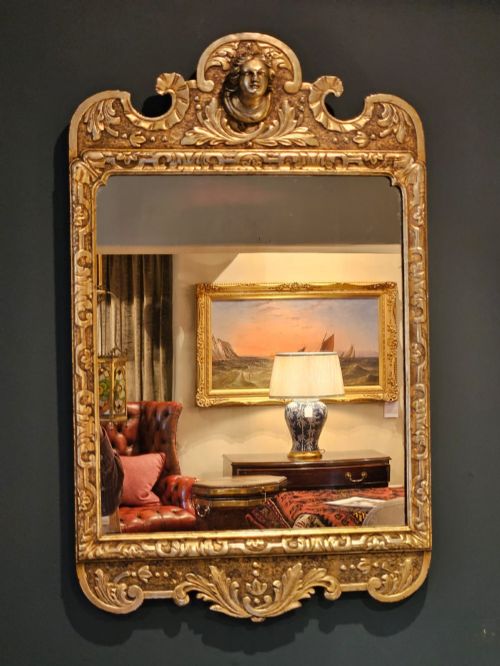
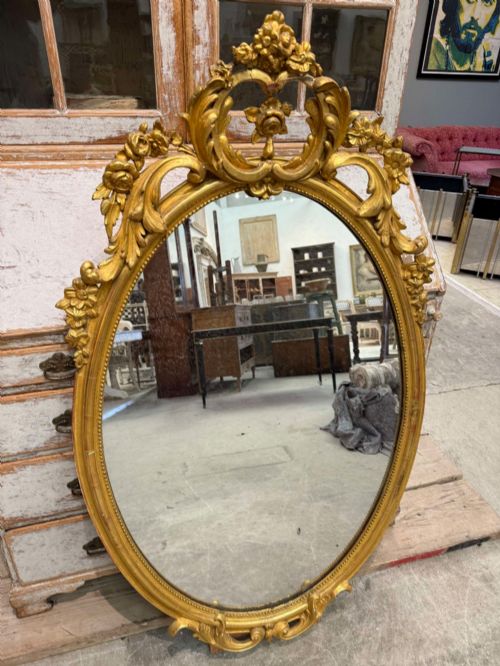
An ornate glass framed mirror brings depth and light to a room through carved giltwood, gesso and elaborate Rococo or Neoclassical styling.
Ornate Glass Framed Mirror
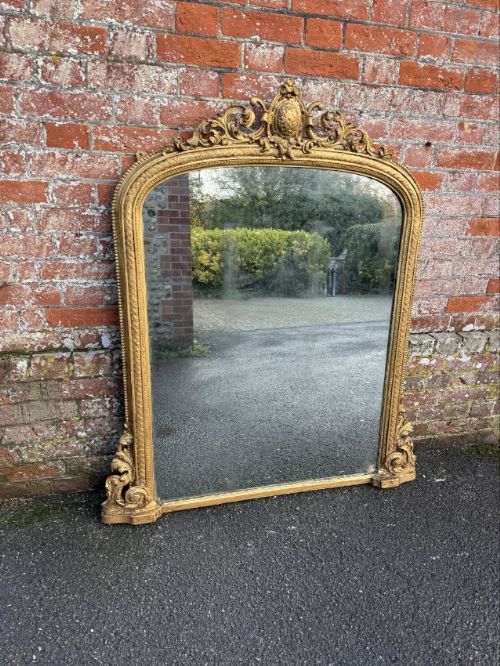
An ornate glass framed mirror encompasses wall mirrors, overmantel mirrors and dressing mirrors produced across the eighteenth, nineteenth and early twentieth centuries. These pieces appear frequently in Victorian, Edwardian and continental European iterations, particularly following Rococo Revival and Neoclassical tastes.
Buyers encounter substantial carved wood and gesso frames finished in gold leaf or oil gilt, alongside specialised forms like pier glasses and oval wall mirrors. French and Italian workshops dominate the aesthetic record, favouring exuberant asymmetrical scrolls and floral motifs.
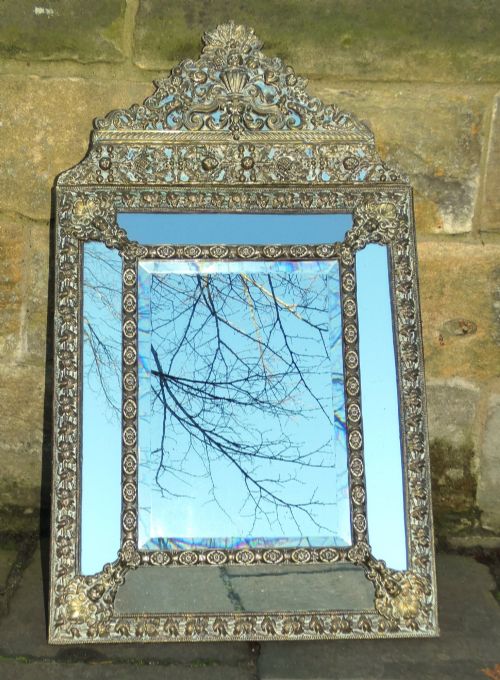
Originating largely from domestic parlours, country houses and salons, these mirrors function primarily as decorative architectural elements. Their substantial presence relies upon heavily ornamented surrounds that frame either standard, bevelled or foxed glass plates.
Materials and construction
Craftsmen shaped these frames from carved wood, oak or composition material, applying layers of gesso to build up high-relief ornamentation before gilding the surface with gold leaf or oil gilt. This traditional layering technique allowed artisans to achieve crisp botanical and scroll details that held their lustre over centuries.
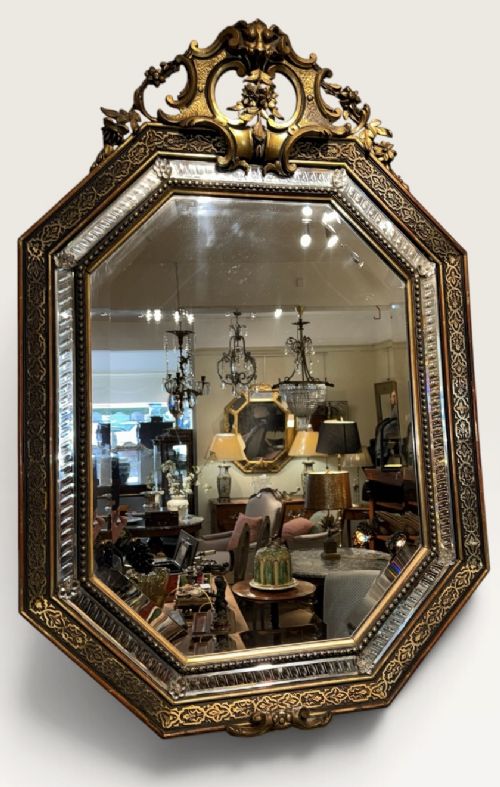
Mirror plates varied from early mercury plates and foxed glass to later bevel-cut glass and engraved or etched Venetian panels. Frames incorporate joinery suited to heavy hanging weights, often pairing structural pine or oak timbers with decorative cast ornaments.
Ornate Glass Framed Mirror Retail Price Guide 2026
Typical asking prices for ornate glass framed mirror among the pieces listed under this phrase on Sellingantiques today, from the lower quarter to the upper quarter. They describe what is for sale here now, not the wider market.
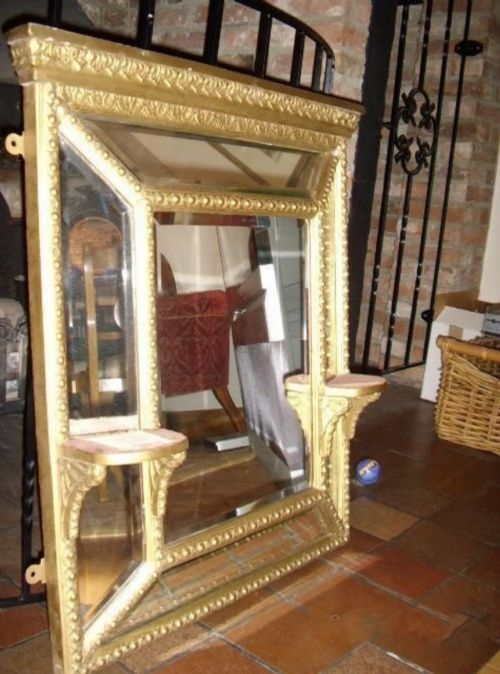
Several mirrors arrive complete with tiny ornamental ledges, seemingly designed for miniature ornaments to watch themselves reflect.
Evaluating craftsmanship
Quality rests in the depth and sharpness of the hand-carved gesso work, where superior examples exhibit crisp undercut foliage and minimal moulding shrinkage. The integrity of the original gilding and the character of the glass plate, whether uniformly silvered or pleasingly aged with foxing, dictate the visual weight of the piece.
Structural robustness also separates standard decorative items from exceptional works, visible in the stability of the original timber backing and the precision with which the mirror plate is secured within its ornate surround.
The Ornate Glass Framed Mirror Glossary
- Giltwood
- Wood that has been coated in gold leaf or gilt paint. This finish creates a luminous reflective surface characteristic of formal period frames.
- Gesso
- A plaster-like mixture applied to wood frames and carved into relief designs. It provides the smooth base needed for subsequent gilding.
- Foxed glass
- Mirror glass displaying dark spots and blemishes caused by the degradation of the backing material over time. Collectors prize this aged patination for its authentic antique appearance.
- Rococo Revival
- A nineteenth-century design movement resurrecting eighteenth-century asymmetrical curves, scrolls and naturalistic shell motifs. It heavily influences the ornamentation found on these mirrors.
- Pier glass
- A tall, narrow mirror designed to hang on the wall space between two windows. These pieces often feature matching console tables or lower ledges.
Ornate Glass Framed Mirror: Frequently Asked Questions
What is foxed glass on an antique mirror?
Foxing refers to the natural oxidation and degradation of the reflective silver backing behind the glass plate. This process creates atmospheric dark patches and mottled spots across the reflection.
Many collectors prefer original foxed plates because they prove the glass dates to the nineteenth century or earlier, adding genuine historical character.
How do I clean an ornate gilt frame?
Dust the intricate gesso and carved wood details gently using a very soft, dry brush or feather duster. Avoid applying liquid cleaners or chemical polishes, which can strip away delicate gold leaf or oil gilt finishes.
Keep the glass plate clean with a minimal amount of glass cleaner applied to a cloth rather than sprayed directly onto the frame.
What distinguishes Rococo Revival from Neoclassical mirrors?
Rococo Revival frames feature asymmetrical C-scrolls, floral garlands, and naturalistic shell motifs inspired by mid-eighteenth-century French design. They present an exuberant and flowing aesthetic.
Neoclassical mirrors adhere to stricter symmetry, straight architectural lines, urns and classical ribbon motifs derived from ancient Greek and Roman art.