





Ornate Glass Display
These pieces known as ornate glass display cabinets and tables bring architectural presence and visible storage into a room.
Ornate Glass Display
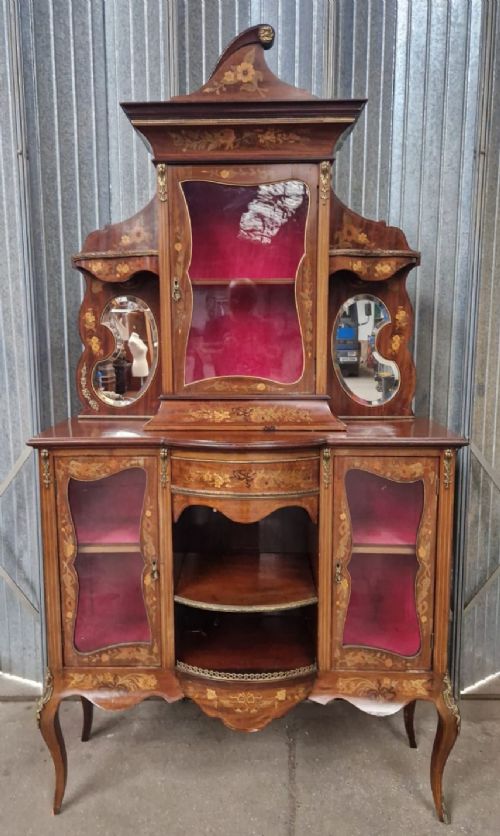
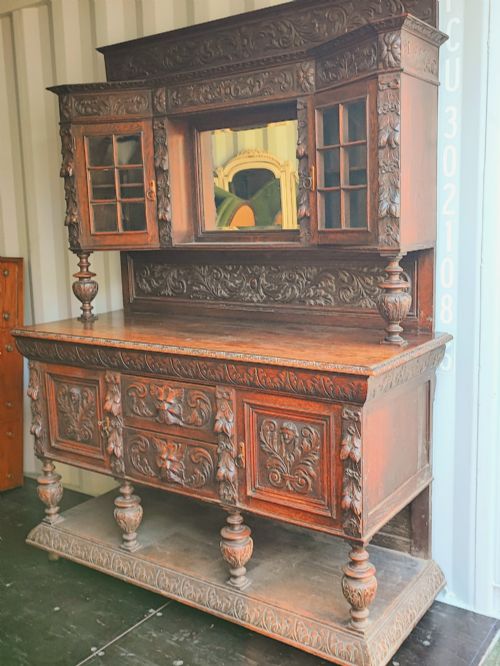
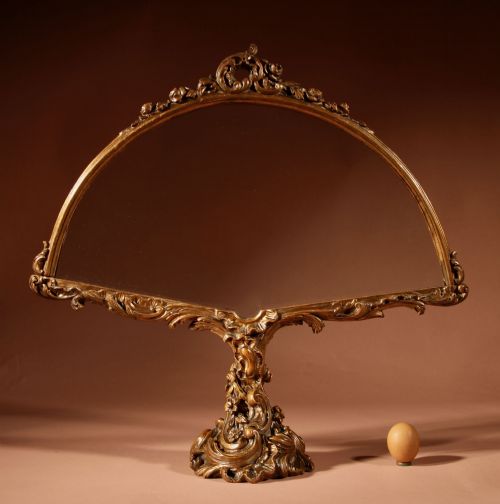
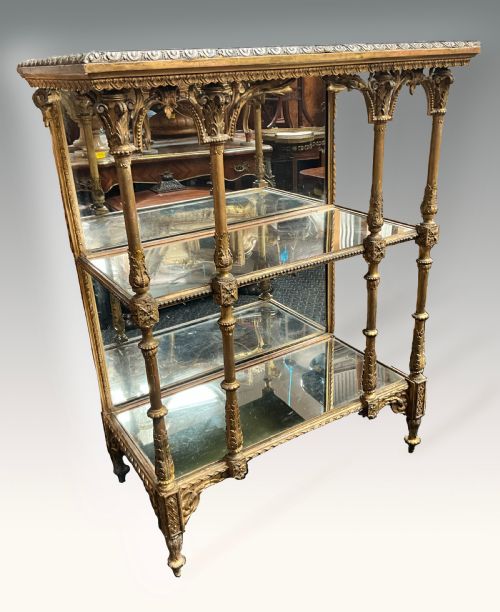
An ornate glass display encompasses a variety of refined forms from the nineteenth century, including Victorian pier cabinets, French vitrines, and bijouterie tables. These items combine glazed panels or mirrors with decorative frames designed to showcase treasured objects rather than store them away.
The most common examples on this page are Victorian walnut and burr walnut cabinets alongside French Louis XV revival pieces. Cabinets feature glazed doors flanked by gilt bronze mounts, while table forms utilise glass tops to exhibit small items from above.
Origins span English workshops of the eighteen-fifties to eighteen-eighties alongside French cabinet makers working in kingwood and mahogany. Buyers encounter everything from wall-mounted mirrored shelves to large credenzas and side cabinets with inlaid marquetry.
Judging quality in design
The distinction between standard production and exceptional quality rests upon the crispness of the gilt bronze mounts and the precision of the timber veneers. Finer examples display hand-chased ormolu work and deeply figured burr walnut or kingwood grain matched across the entire front elevation.
Attribution to documented makers such as Paul Sormani or pieces produced in the manner of François Linke elevates the standing of an item. The integration of painted panels, vernis martin decoration, and heavy marble tops indicates a higher tier of nineteenth-century manufacture.
Ornate Glass Display Retail Price Guide 2026
Typical asking prices for ornate glass display among the pieces listed under this phrase on Sellingantiques today, from the lower quarter to the upper quarter. They describe what is for sale here now, not the wider market.
Listings feature items spanning the Victorian era and the nineteenth century, utilising walnut, ormolu, kingwood, and mahogany.
François Linke·Paul Sormani
The Ornate Glass Display Glossary
- Ormolu
- Gilded bronze mounts applied to furniture for decorative enrichment. These brass-alloy castings receive a gold layer to create a bright metallic finish.
- Vitrine
- A glass-fronted cabinet designed for the display of porcelain and curiosities. These French-origin pieces often feature glazed side panels.
- Bijouterie table
- A glass-topped table used for displaying small valuables and jewellery. The interior is frequently lined with velvet or silk.
- Pier cabinet
- A narrow cabinet built to fit the wall space between windows during the Victorian era. They usually incorporate a single glazed door and brass mounts.
- Marquetry
- Decorative patterns formed by the insertion of different veneers into a wood foundation. Craftsmen utilise woods like tulipwood and satinwood for tonal contrast.
Ornate Glass Display: Frequently Asked Questions
What is a bijouterie table?
A bijouterie table is a low display piece featuring a glazed top and a shallow compartment designed for holding small ornaments.
These tables were placed in nineteenth-century drawing rooms to allow guests to examine delicate collectibles at close range.
Where should I place a vitrine?
A vitrine sits best against a principal wall in a drawing room or dining space where natural light can pass through the glass panels.
Positioning the cabinet away from direct heat sources protects the timber veneers and historical finishes from drying out.
How do I identify French revival furniture?
French revival furniture displays curved cabriole legs, serpentine outlines, and abundant gilt bronze mounts inspired by Louis XV designs.
Nineteenth-century makers adopted these continental aesthetics to satisfy demand for ornate decorative arts.
What is burr walnut?
Burr walnut is a decorative wood veneer harvested from the growth warts on walnut trees, yielding intricate swirling patterns.
Cabinet makers valued this timber for its rich texture, often applying it to the main doors of Victorian pier cabinets.