






Ornate Girandole Mirrors
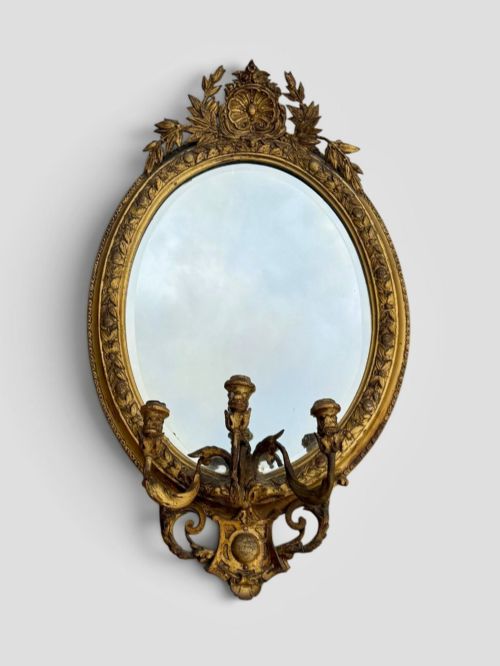
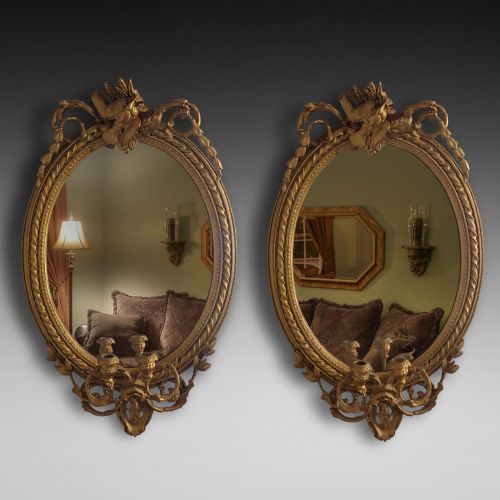
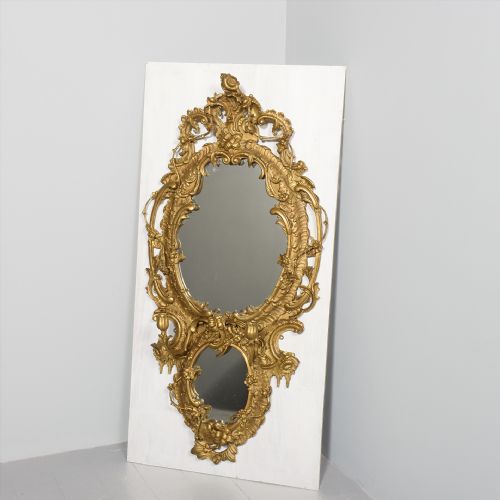
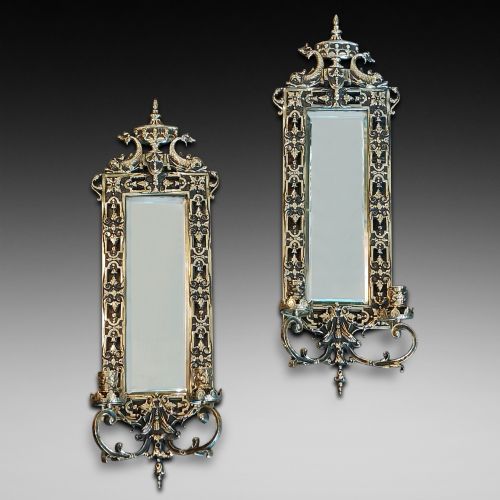
These ornate girandole mirrors catch the candle flame and throw it back across the room, bringing a brilliant focal point to any interior.
Ornate Girandole Mirrors
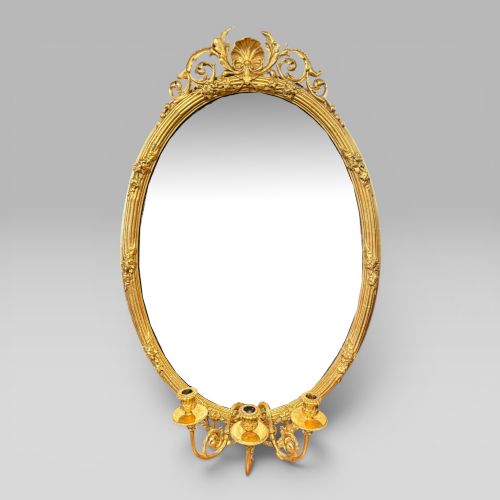
When you search for ornate girandole mirrors, you encounter reflective pieces equipped with integrated candle arms, designed specifically to hang upon the wall or sit upon a table. The inventory spans from the eighteenth century through to the early twentieth century, showing a strong representation of Victorian and French Rococo Revival pieces.
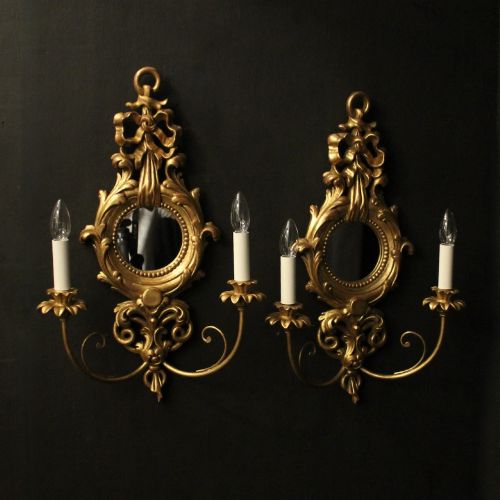
You will most frequently meet wall-mounted girandoles and paired sconces fashioned with intricate frames. The styles range from Italian rococo pier mirrors to convex mirrors and Belle Époque designs, capturing diverse aesthetic choices across several European centres.
The forms incorporate single or twin arms meant for illumination, combining the practical utility of a candleholder with the decorative expanse of a looking glass. These items vary from modest brass-framed wall mirrors to large, carved giltwood showpieces.
How they were made
The makers built these frames using timber carved into elaborate scrollwork and foliage, then applied layers of gesso to smooth the surface before gilding. This traditional technique produced a rich metallic sheen that complemented the reflective properties of the mirror glass.
Foundry workers cast other examples in bronze or brass, creating sturdy metal frames and candle branches that often bear detailed chasing or maker stamps. Guilds and ateliers utilised mercury glass or silvered mirror plates, set securely within the structural rebate.
Ornate Girandole Mirrors Retail Price Guide 2026
Typical asking prices for ornate girandole mirrors among the pieces listed under this phrase on Sellingantiques today, from the lower quarter to the upper quarter. They describe what is for sale here now, not the wider market.
What varies in quality
The depth and precision of the carving dictate the visual standard of the wooden frames, separating mass-produced items from those shaped by skilled hands. Crisp relief work in the gesso and clean joints reveal the underlying craftsmanship of the maker.
The metal components, whether cast bronze or gilt brass, show variation in the sharpness of their detail and the durability of their finish. Original mirror plates with authentic foxing and ageing hold a different visual character compared to later replacements.
Thiebaut Freres·E.G
The Ornate Girandole Mirrors Glossary
- Girandole
- A branched wall-mounted or tabletop candlestick combined with a mirror. The reflective surface multiplies the candlelight to brighten dark corners.
- Gesso
- A plaster-like mixture applied to wood frames to create a smooth base for gilding. It allows craftsmen to model intricate relief details.
- Giltwood
- Timber coated with gold leaf or a gold-coloured finish. This material defines the opulent appearance characteristic of many nineteenth-century salon pieces.
- Convex mirror
- A round looking glass with a curved surface that provides a wide-angle reflection of the room. They gained popularity for their ability to capture an entire interior view.
- Pier mirror
- A tall glass designed to hang on the wall between windows. They frequently incorporate candle arms below the glass plate.
Ornate Girandole Mirrors: Frequently Asked Questions
How do I hang a heavy girandole mirror safely?
These pieces require solid fixings directly into wall studs or masonry using appropriate weight-bearing brackets. The combined weight of the timber frame, glass, and metal candle arms demands secure anchoring.
Position the mirror at eye level where the candle branches will not be bumped by passing traffic. Ensure the wall hooks engage fully with the hanging loops or wire provided on the back.
Can I actually burn candles in the girandole arms?
While the arms were originally designed for wax candles, modern use often avoids burning them to protect the historic gilding and frame from smoke damage. Dripping wax can also stain nearby surfaces and ruin delicate metal or gesso work.
If you choose to use candles, select appropriately sized drips and keep them away from drafts. Many owners prefer to leave the arms unlit to preserve the antique finish.
How do I clean an antique giltwood frame?
Dust the carved surfaces gently with a soft, dry ostrich feather duster or a clean artist paintbrush. Avoid using commercial cleaning sprays, water, or damp cloths, which can dissolve the water gilding and lift the gesso.
Take special care around areas where the gold leaf shows signs of rubbing or flaking. Professional conservation is recommended if the surface requires deeper cleaning.
What is the difference between a girandole and a standard wall mirror?
A standard wall mirror serves solely to reflect light and imagery within a room. A girandole specifically incorporates integrated candle sconces or arms attached directly to the frame or glass.
This combination of lighting and reflection distinguishes girandoles as functional decorative pieces intended for evening illumination. They were traditionally placed between windows or above mantelpieces to maximise ambient light.