





Ornate Gilt Stands
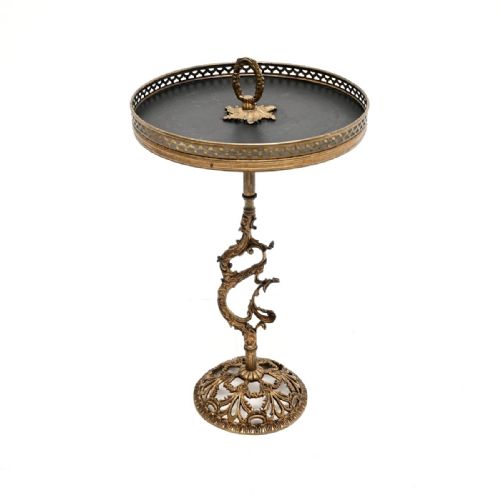
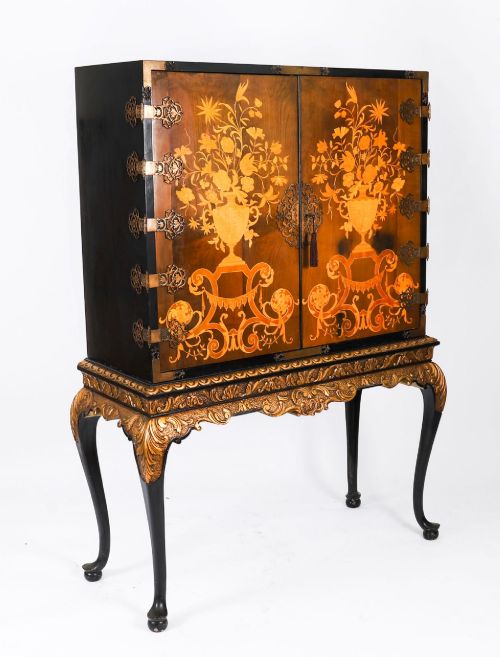
Ornate gilt stands bring heavy metallic shine and carved wood into a room, spanning floor lamps, mirrors and small tables.
Ornate Gilt Stands
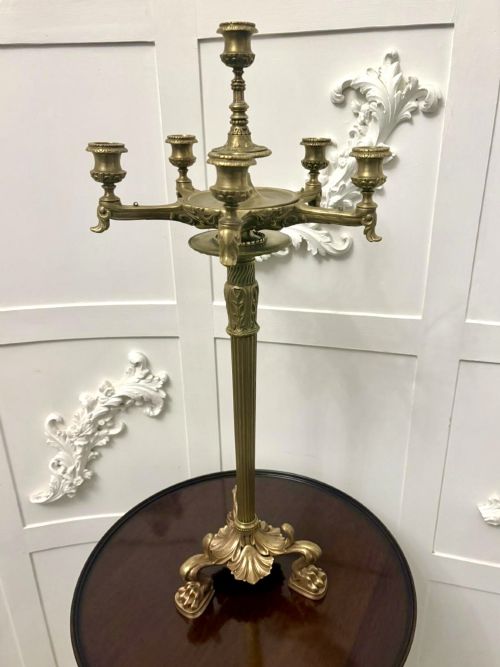
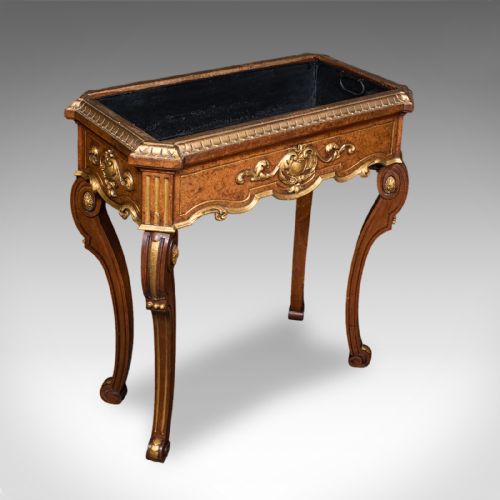
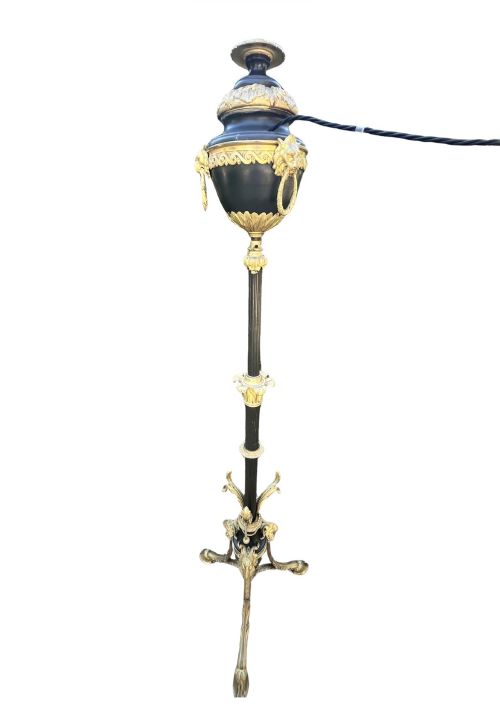
When you search for ornate gilt stands, you encounter a mix of domestic display pieces and functional furniture designed to catch the light. The items range from tall floor lamps and standard lamps to heavy console tables, torchere stands and vanity mirrors.
Most examples hail from the nineteenth century, drawing heavily on French Rococo Revival, Victorian and Neoclassical aesthetics. These pieces often feature elaborate carvings or cast metal frameworks finished in gold leaf or gilt bronze.
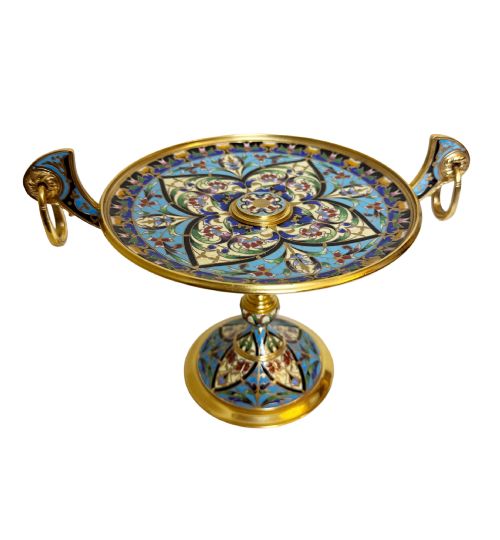
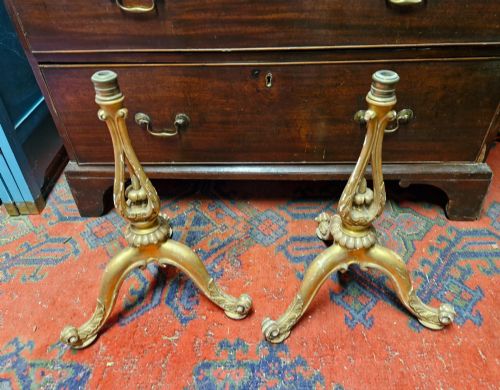
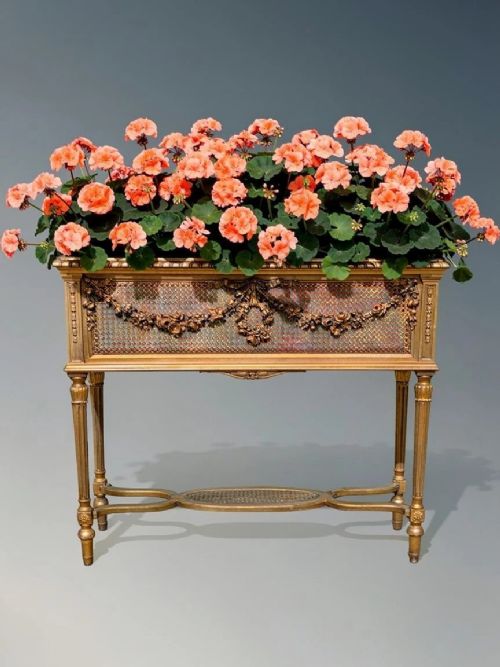
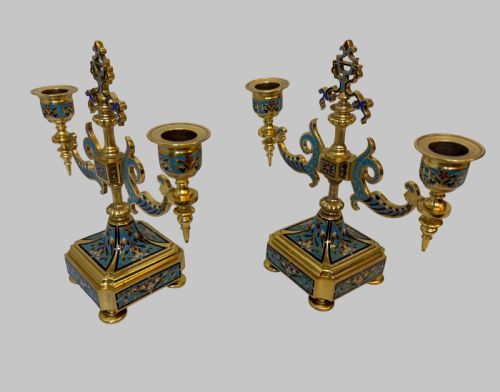
You are likely to find paired items, such as candelabra or tripod bases, alongside standalone console tables and leaner mirrors. The underlying materials display considerable variety, moving from carved giltwood to heavy brass and champleve enamel.
Materials and construction
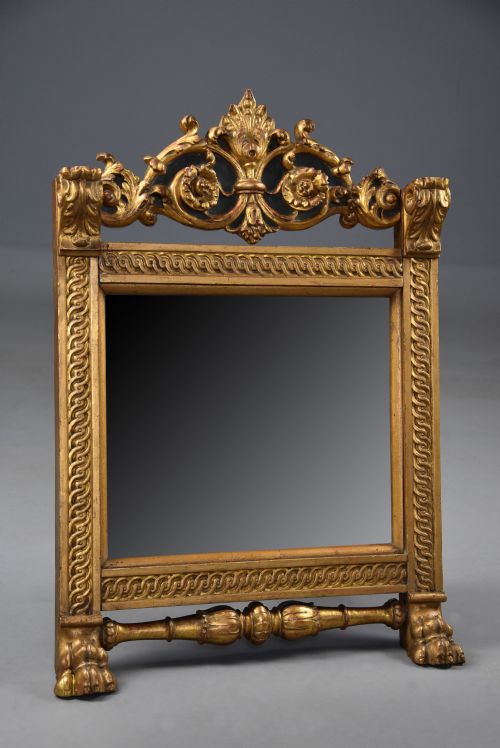
The construction relies heavily on timber bases finished with gesso and giltwood, or cast metals like brass and gilt bronze. Artisans shaped structural elements through carving wood or casting metal into complex scrollwork and plant motifs.
Surface finish is central to these pieces, utilising applied gold leaf, ormolu gilding and mercury glass for mirrors. Supplementary materials such as marble tops, onyx inserts and leather panels provide contrast to the heavy metal and gilt surfaces.
Ornate Gilt Stands Retail Price Guide 2026
Typical asking prices for ornate gilt stands among the pieces listed under this phrase on Sellingantiques today, from the lower quarter to the upper quarter. They describe what is for sale here now, not the wider market.
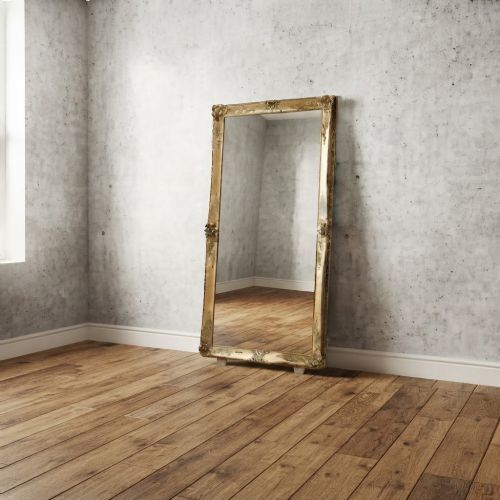
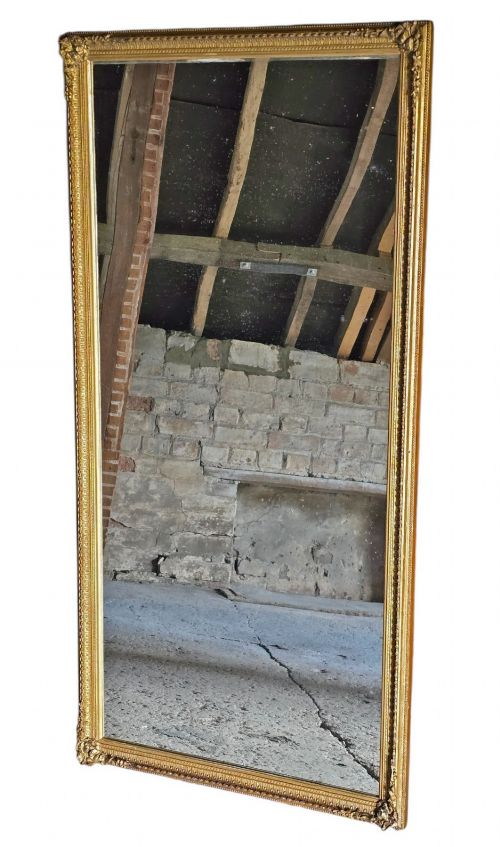
Napoleon III enjoyed plenty of flash, leaving behind heavy leaner mirrors with mercury glass that make tiny rooms feel enormous.
Judging quality in gilded objects
Quality rests in the crispness of the carving or the detail in the bronze casting, where sharper relief separates finer workshops from simpler production. The integrity of the original gilding or gesso layer dictates how well the surface ages over time.
Substantial structural choices, such as heavy marble table tops or solid brass fittings, mark out the upper end of the range. Finer pieces maintain balanced proportions across complex forms like tripod bases and multi-tier stands.
Auguste Cain
The Ornate Gilt Stands Glossary
- Giltwood
- Wood that has been coated with gold leaf or a similar metallic finish. This technique creates a bright reflective surface over carved wooden frames and stands.
- Ormolu
- Finely ground high-carat gold-mercury amalgam applied to a bronze object. It gives metal mounts and stands a rich golden lustre.
- Champleve
- An enamelling technique where troughs are dug into a metal surface and filled with vitreous enamel before firing. It appears frequently on nineteenth-century decorative stands and candlesticks.
- Torchere
- A tall ornamental stand designed to hold a light or a candle. These pieces elevate illumination sources to eye level in a room.
- Gesso
- A plaster mix applied to wood as a base for paint or gilding. It provides a smooth white ground that holds intricate carved details before leaf is laid down.
Ornate Gilt Stands: Frequently Asked Questions
What rooms suit ornate gilt stands?
These pieces fit naturally into formal drawing rooms, hallways and bedrooms where reflective surfaces enhance natural light. Tall items like torchere stands and floor lamps work well in corners to cast upward illumination.
Smaller tables and mirror sets pair effectively with classic furniture arrangements, adding metallic contrast to wooden interiors.
How do I date these items?
Dating relies on identifying stylistic markers such as French Rococo Revival curves or Victorian proportions alongside material evidence like mercury glass and champleve enamel. Nineteenth-century examples often combine machine assistance with hand-finishing.
Examining the construction joints and the wear on the gilding helps confirm the age of the wooden and metal frameworks.
Were these stands purely decorative?
While many pieces prioritised visual impact, most served distinct domestic functions such as holding candles, supporting table lamps or displaying ornaments. Items like console tables and torchere stands combined surface utility with sculptural presence.
Mirrors and display stands were built to organise and reflect light within nineteenth-century domestic spaces.
How do I maintain gilded surfaces?
Giltwood and ormolu require gentle dusting with a soft dry cloth to prevent the accumulation of dirt in carved recesses. Moisture and harsh cleaning agents can damage delicate gold leaf and gesso layers.
Positioning pieces away from direct sunlight and strong heat sources protects the underlying wood and metal from warping or cracking.