




Ornate Gilt Plate
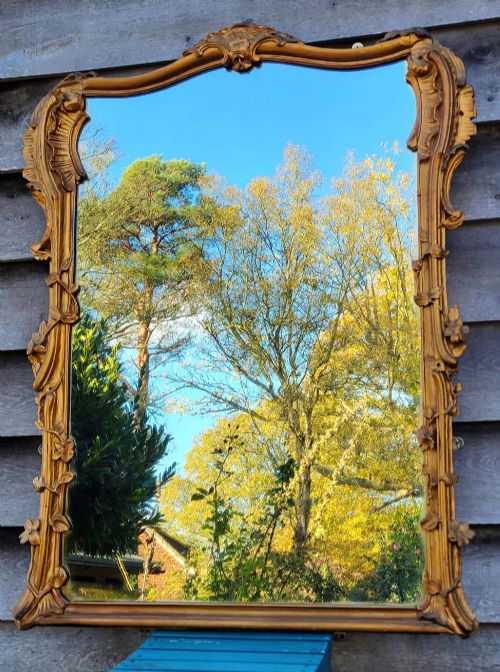
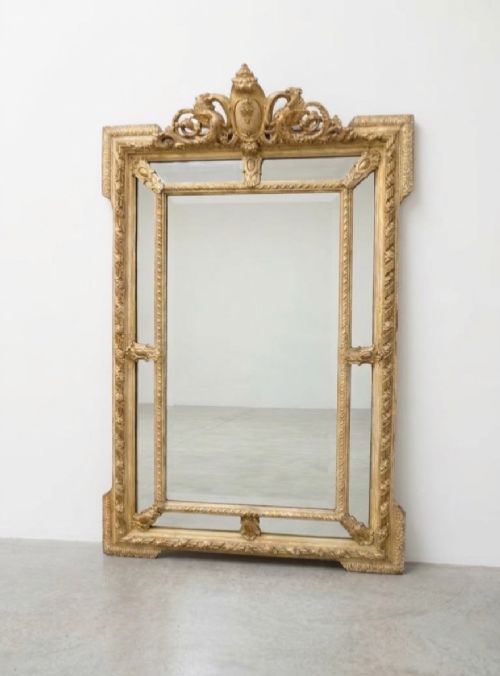
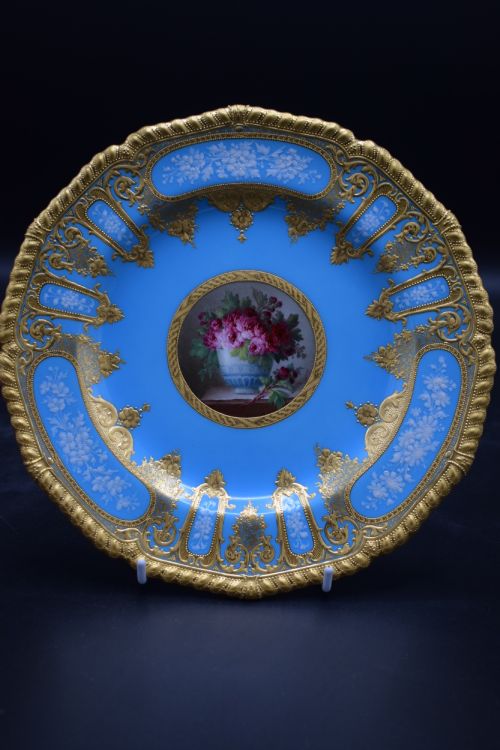
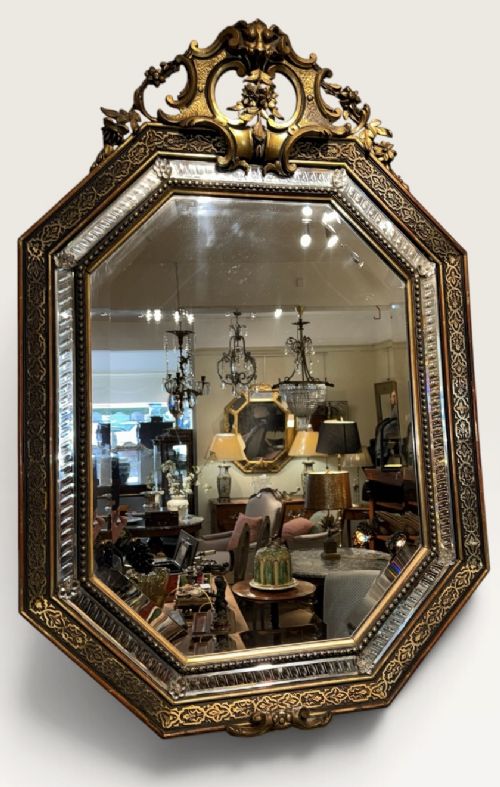
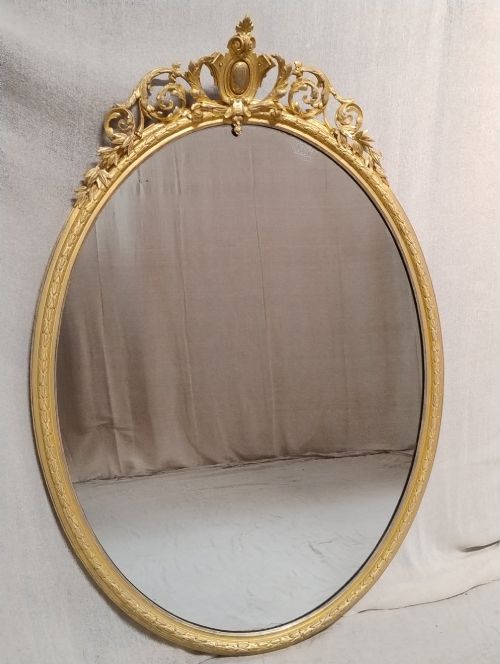
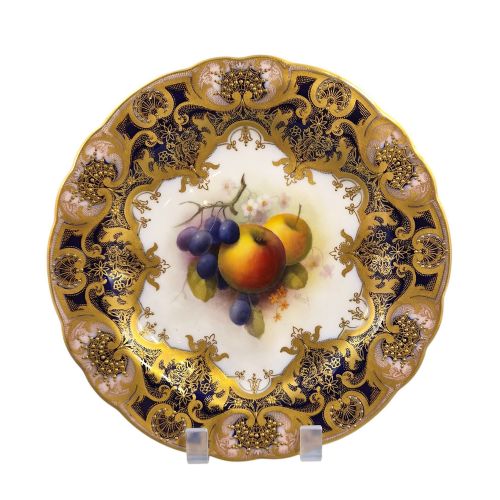
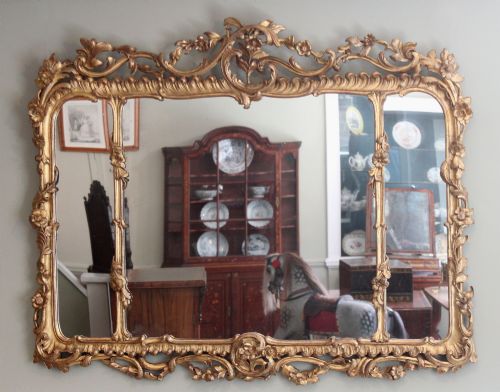
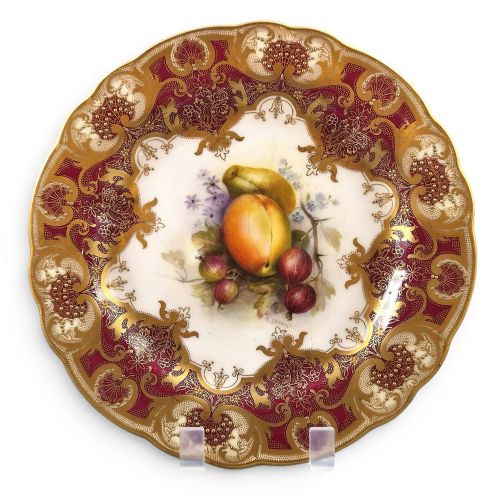
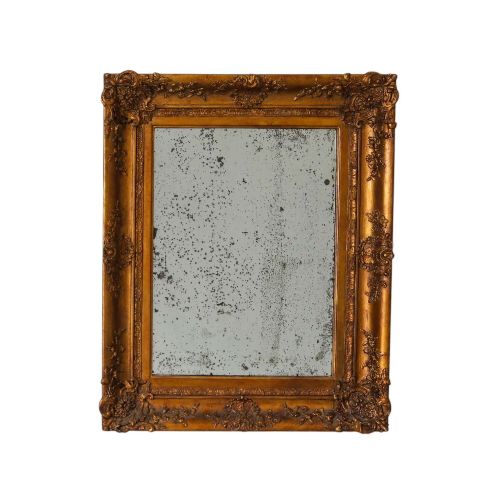
An ornate gilt plate brings rich metallic lustre and intricate decorative surface work to a room, ranging from porcelain cabinet plates to gilded wall mirrors.
Ornate Gilt Plate
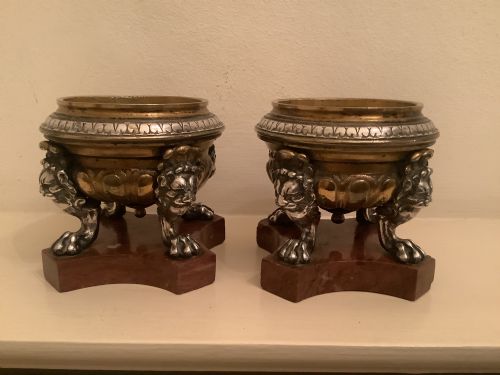
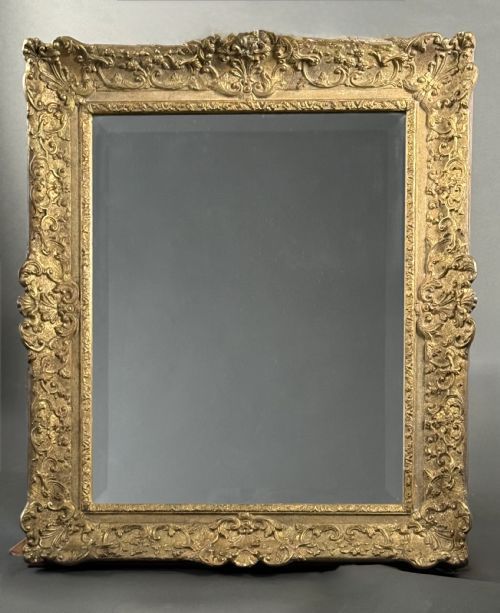
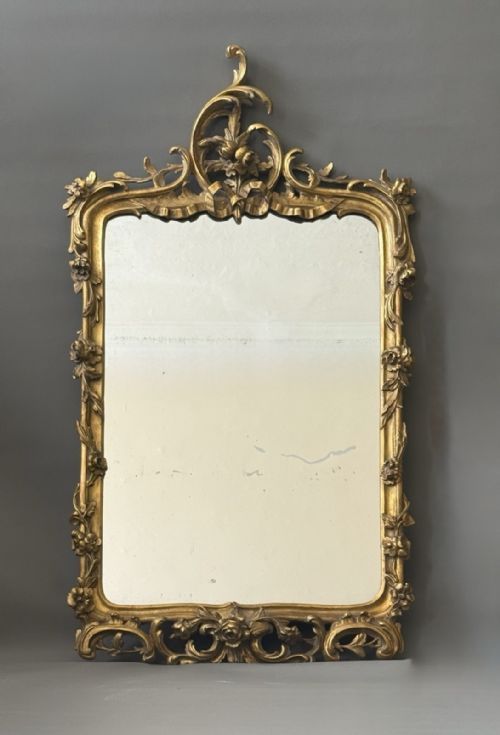
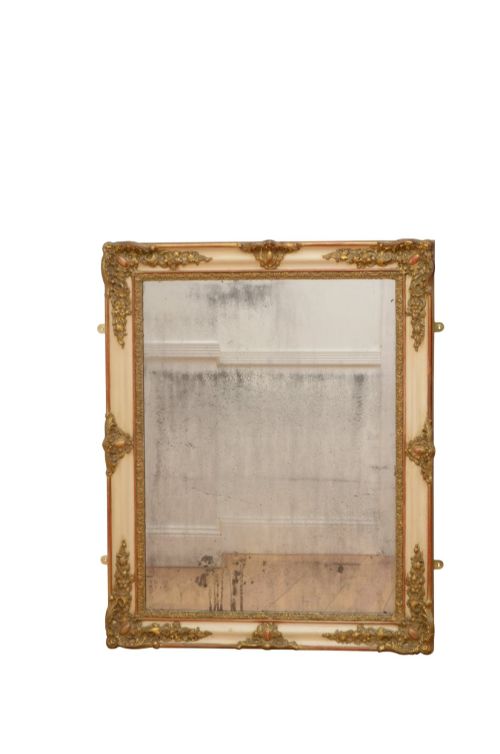
When you search for an ornate gilt plate, you encounter a varied selection of gilded decorative objects spanning porcelain cabinet pieces, ceramic charger dishes, and reflective mirror plates. The pieces appearing here cross the eighteenth, nineteenth, and early twentieth centuries, drawing on Rococo, Neoclassical, and Regency stylistic traditions.
The assortment reflects European production centres, with French, Italian, and English makers represented across various periods. Buyers find everything from intimate cabinet plates signed by porcelain artists to substantial nineteenth-century giltwood wall mirrors with antique or bevelled glass plates.
How they were made
Makers utilised wood, gesso, and porcelain as foundational substrates, applying gold leaf or oil gilt finishes to create the characteristic metallic sheen. Giltwood frames often feature carved ornamentation built up with gesso layers before gilding.
Ceramic pieces involve fired porcelain or earthenware bodies painted by hand with detailed figural or botanical scenes, sometimes finished with gold leaf accents. Mirror construction incorporates antique plate glass, mercury plate, and bevel-cut glass secured within ornamental frames.
Ornate Gilt Plate Retail Price Guide 2026
Typical asking prices for ornate gilt plate among the pieces listed under this phrase on Sellingantiques today, from the lower quarter to the upper quarter. They describe what is for sale here now, not the wider market.
Listings feature nineteenth-century items alongside eighteenth-century pieces, incorporating materials such as gesso, glass, giltwood, and porcelain.
What varies in quality
The standard of carving and moulding dictates the visual depth of frames and ceramic mouldings. Crisp, deeply undercut foliage and figures indicate superior craftsmanship compared to softer, flatter surface detailing.
The application of the gilt surface affects overall durability and appearance, distinguishing delicate gold leaf work from heavier oil gilt treatments. Hand-painted porcelain artistry also varies significantly, where signed works by notable porcelain painters demonstrate higher levels of execution.
Royal Worcester·Coalport·Vienna·Sevres
The Ornate Gilt Plate Glossary
- Cabinet plate
- A decorative ceramic plate intended for display rather than dining use. These items frequently feature hand-painted scenes and gilt borders.
- Giltwood
- Timber that has been coated with gold leaf or a gold-coloured metallic finish. It forms the primary structural frame for many antique mirrors.
- Gesso
- A plaster-like mixture applied to wood frames to provide a smooth base for carving and gilding. Artisans shape this material to create intricate relief decoration.
- Charger dish
- A large ornamental plate used traditionally for ceremonial display or placed beneath other courses. Examples often feature heavy metallic gilding or embossed figural scenes.
- Mercury plate
- An early type of mirror glass produced using a tin and mercury amalgam backing. This process creates a distinctive mottled and deep reflective quality.
Ornate Gilt Plate: Frequently Asked Questions
How do I hang a heavy gilt mirror?
Heavy giltwood mirrors require secure wall fixings suited to the weight of the timber and glass structure. Using appropriate wall plugs and brackets distributed across the frame ensures safe suspension.
Professional installation is recommended for very large overmantel mirrors to distribute the load evenly across the wall.
Can cabinet plates be displayed safely?
Cabinet plates fit securely into specialised wall-mounted wire hangers or dedicated display stands designed for ceramic pieces. These mounts support the rim without causing damage to the painted surface.
Placement should avoid direct sunlight to preserve the colours and gilded details of hand-painted porcelain.
What is the difference between gesso and carved wood?
Carved wood involves shaping the timber frame directly with cutting tools to form decorative patterns. Gesso is a plaster mixture applied over wood or base materials to build up intricate relief ornaments.
Many antique frames combine both techniques, using carved wooden foundations embellished with moulded gesso details.
How do I clean antique gilt surfaces?
Antique gilt surfaces require gentle dusting with a soft, dry brush to remove accumulated particles. Moisture and chemical cleaners can strip delicate gold leaf and oil gilt finishes.
Preserving the original patina involves avoiding abrasive cloths and keeping items away from excessive humidity.