





Ornate Gilt Bronze Table
An ornate gilt bronze table brings weight and intricate metalwork to a room, drawing the eye with its detailed surface and golden sheen.
Ornate Gilt Bronze Table
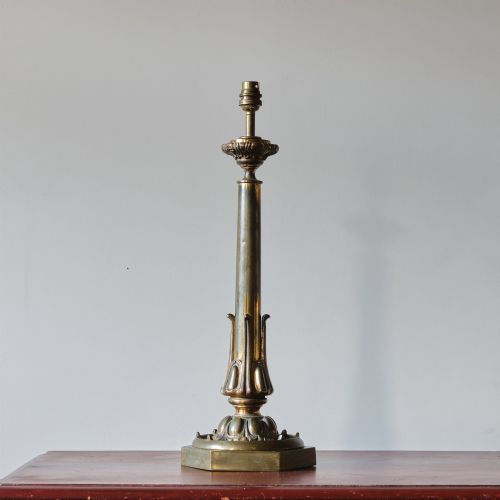
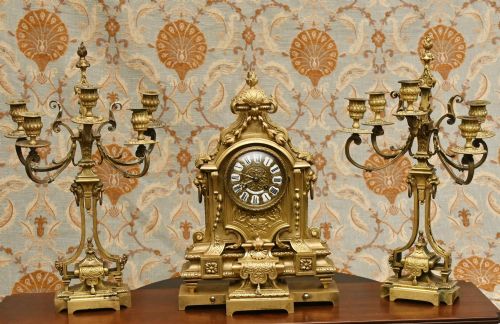
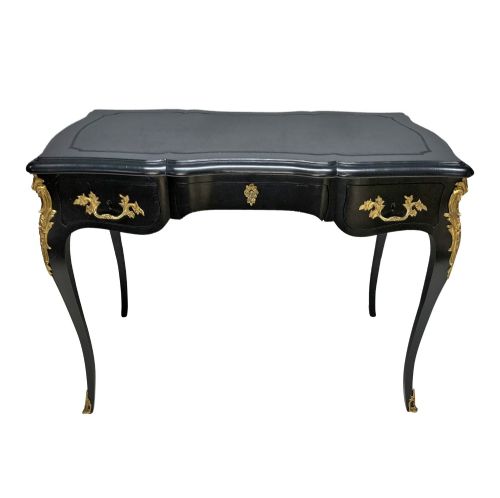
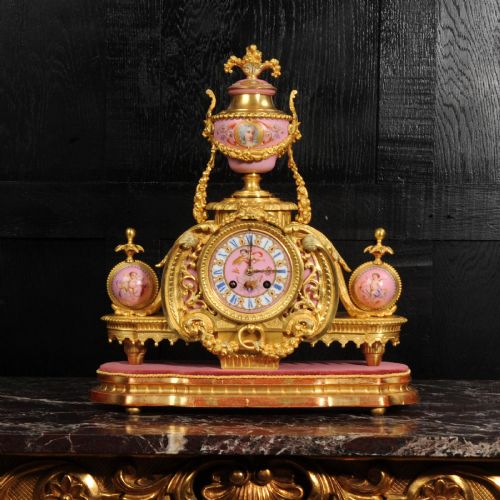
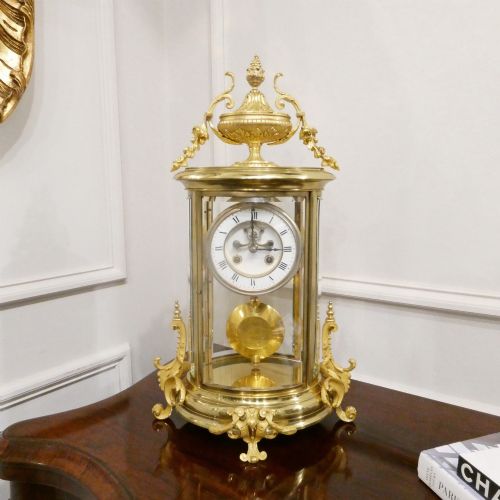
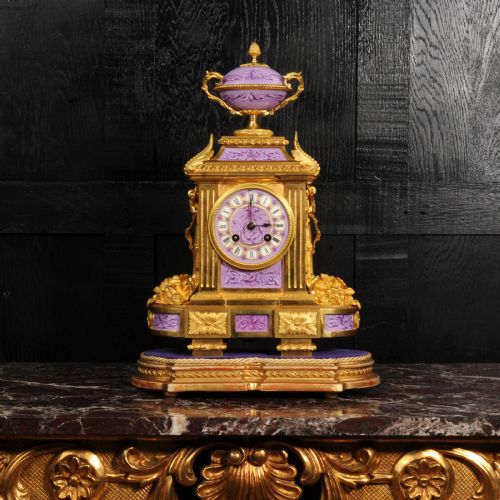
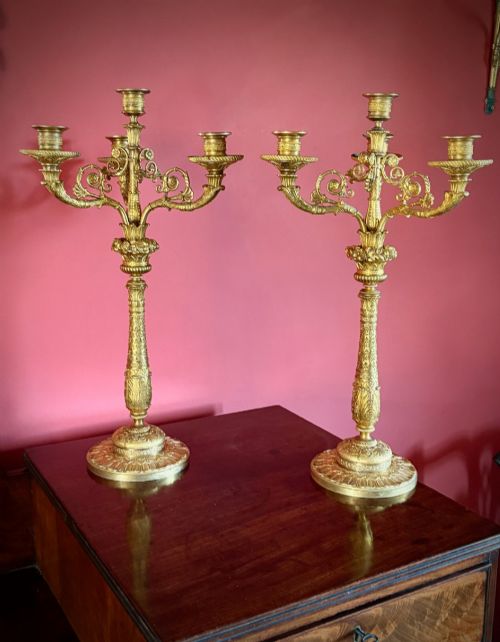
When searching for an ornate gilt bronze table, buyers encounter a variety of nineteenth-century French and Victorian furnishings, mantel clocks, candelabras, and writing desks. The selection spans periods from the mid-nineteenth century through to nineteen ten, heavily influenced by Rococo Revival and Louis styles.
The objects listed under this term often incorporate gilded metal alongside marble, porcelain, glass, and enamel. While pure tables appear in forms like mahogany lamp tables and black lacquered writing desks, the broader category includes companion garniture sets, mirrors, and table lamps sharing the same lavish metalwork.
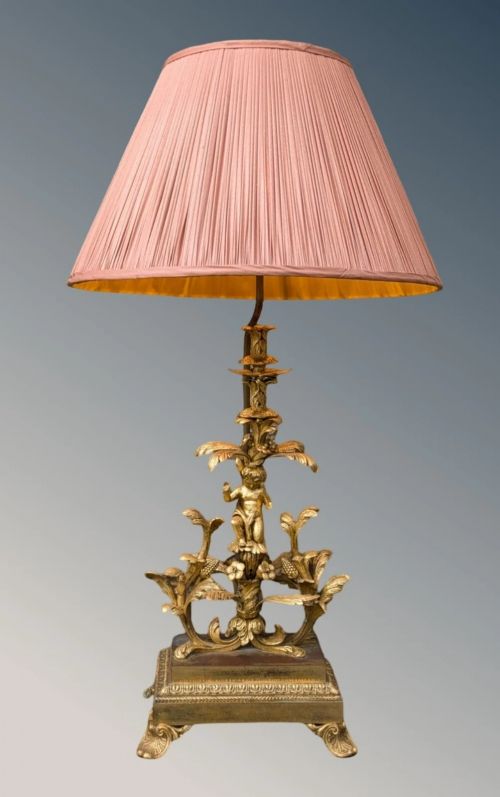
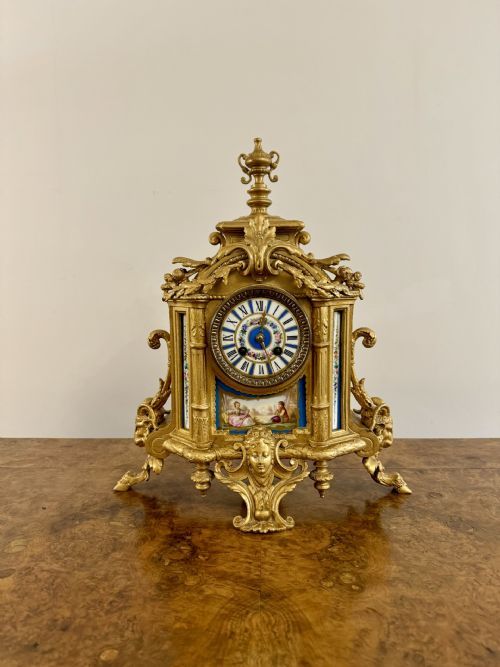
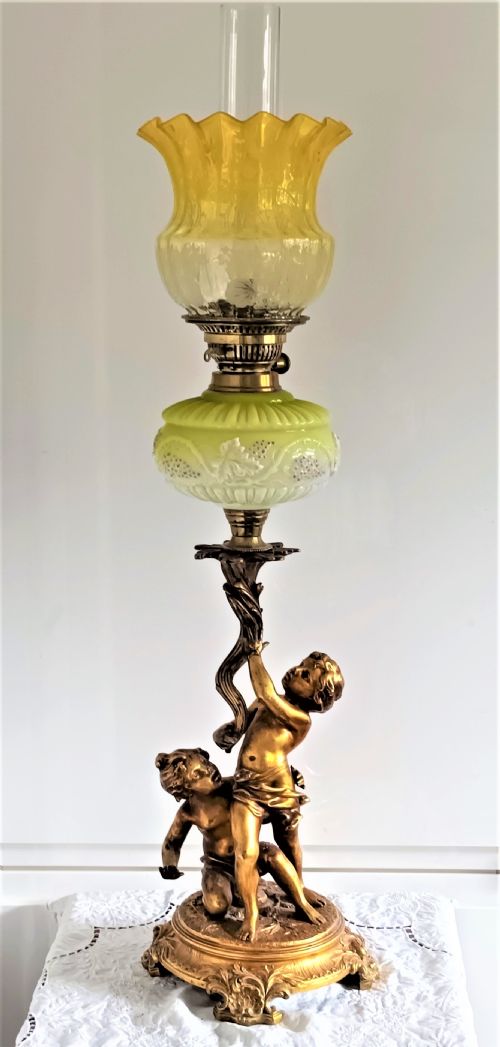
Pieces frequently reflect nineteenth-century French manufacturing centres, showing the decorative motifs popular during the Second Empire and the Victorian era. Buyers find items ranging from clock garniture sets to heavy candelabras and table lamps displaying intricate casting.
How they were made
Workers cast gilt bronze, ormolu, and brass into elaborate shapes using traditional foundry methods, then applied mercury gilding or electroplating to achieve the golden finish. These metal mounts were frequently combined with secondary materials such as white marble, mahogany, satinwood, and black lacquered wood.
Many items feature hand-painted Sèvres porcelain plaques, champlevé enamel panels, and bevelled glass inserts fitted securely into the metal frames. Clock movements and fittings were hand-assembled by skilled makers, integrating ceramic dials and cast bronze cherubs or scrollwork.
Ornate Gilt Bronze Table Retail Price Guide 2026
Typical asking prices for ornate gilt bronze table among the pieces listed under this phrase on Sellingantiques today, from the lower quarter to the upper quarter. They describe what is for sale here now, not the wider market.
Several bronze cherubs managed to escape their original duties and now moonlight indefinitely as table lamps.
What varies in quality
The crispness of the bronze casting determines the definition in scrollwork, floral motifs, and figural details, separating sharp hand-chased pieces from softer, mass-produced alternatives. Heavier gauge metalwork and solid marble tops indicate sturdier construction.
The preservation of the original fire gilding or ormolu surface dictates the visual depth of the object, as worn or stripped plating alters the golden lustre. Integrated components such as undamaged Sèvres porcelain plaques and fully restored clock movements by noted makers elevate the standing of a piece.
Achille Brocot·Samuel Marti·Japy Freres·William Payne
The Ornate Gilt Bronze Table Glossary
- Ormolu
- Gilded bronze produced by applying a mixture of gold and mercury to a bronze base and heating it. This technique creates a durable, warm golden finish characteristic of French decorative arts.
- Champlevé
- An enamelling technique where troughs or cells are hollowed out of a metal surface and filled with coloured vitreous enamel before firing. It frequently appears on nineteenth-century clocks and frames.
- Garniture set
- A matching group of decorative objects, typically comprising a central mantel clock flanked by a pair of candelabras or urns. These sets were designed to sit harmoniously on a mantelpiece or side table.
- Portico timepiece
- A clock housed within a architectural frame supported by columns, often styled in the classical revival manner popular during the Victorian period.
- Twin fusee
- A mechanical clock movement driven by two spring barrels connected to fusee cones via chains, maintaining even tension to improve timekeeping accuracy.
Ornate Gilt Bronze Table: Frequently Asked Questions
How do I clean gilt bronze?
Dust surfaces gently with a soft, dry brush to prevent dirt accumulation in the recessed details of the casting. Avoid abrasive cleaners, polishes, or harsh chemicals that can strip the delicate gilt finish.
For stubborn grime, use a damp cloth with mild soap, drying the metal immediately afterwards. Preserving the original surface sheen maintains the historic character of the piece.
Are these clock movements original?
Many nineteenth-century French clocks retain their period mechanisms, often bearing the stamps of makers such as Samuel Marti or Achille Brocot. Restorations sometimes involve cleaning and servicing the gear trains to ensure reliable daily running.
Checking the interior brass backplate usually reveals maker marks and serial numbers that confirm the age of the movement. Matching pendulums further support the originality of the clock assembly.
What is the difference between gilt bronze and ormolu?
Ormolu specifically describes high-quality mercury-gilded bronze manufactured in France during the eighteenth and nineteenth centuries. The term gilt bronze is a broader description that can encompass various brass or bronze objects coated in gold.
Both materials yield a rich golden appearance when cast and chased with traditional decorative motifs. The distinction often lies in the precision of the casting and the specific period of production.
How do I identify French Rococo Revival pieces?
Rococo Revival items feature asymmetrical scrollwork, C-scrolls, naturalistic leaf motifs, and shell patterns inspired by eighteenth-century French design. These elements appear frequently on nineteenth-century clocks, mirrors, and candelabras.
The heavy use of cast bronze and intricate chasing gives these objects a dynamic, flowing silhouette. Look for organic curves rather than strict geometric symmetry.