

Ornate French Urns
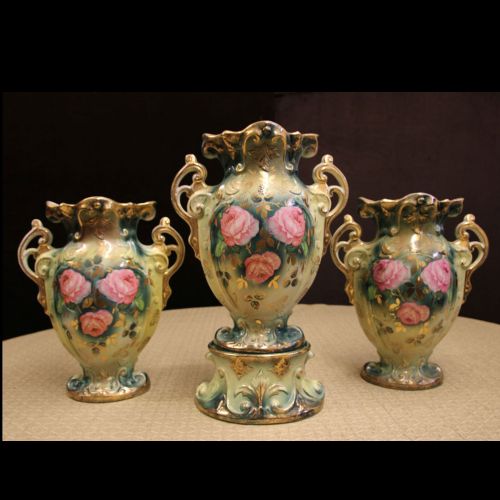
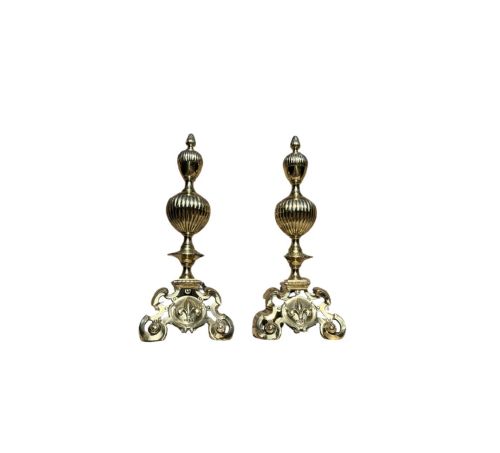
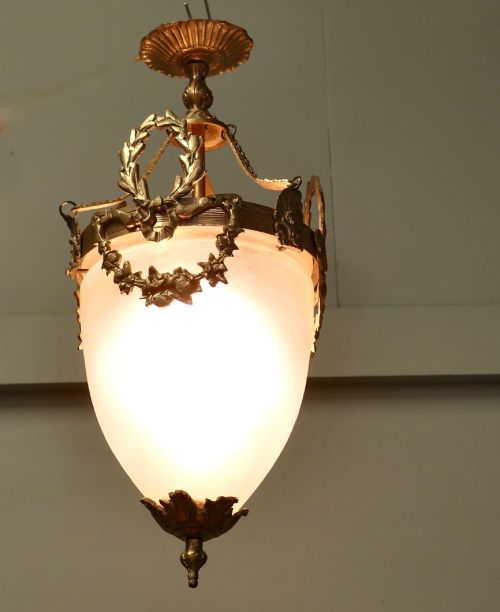
These ornate French urns bring classical decoration and gilded metalwork into a room.
Ornate French Urns
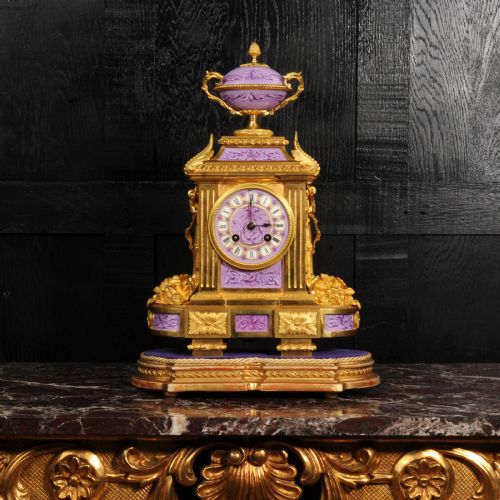
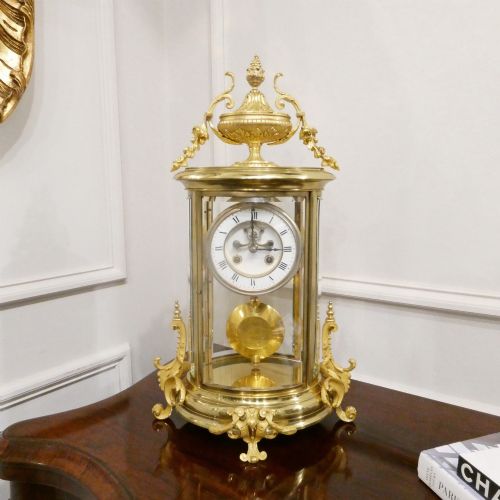
When you search for ornate french urns, you encounter decorative vessels shaped by nineteenth century revival movements. The pieces on this page span the Victorian era, the nineteenth century, and the early twentieth century, drawing on French Rococo Revival, Neoclassical, Louis XVI Revival, and Napoleon III styles.
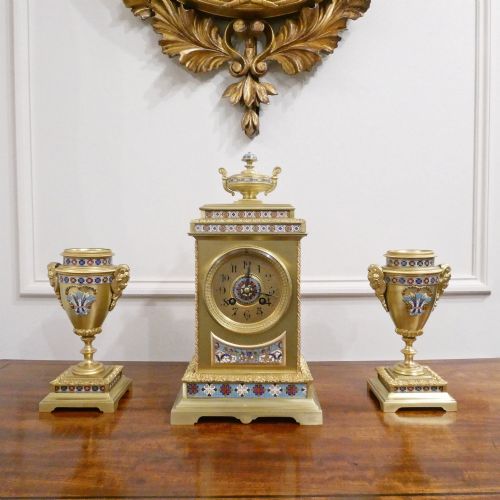
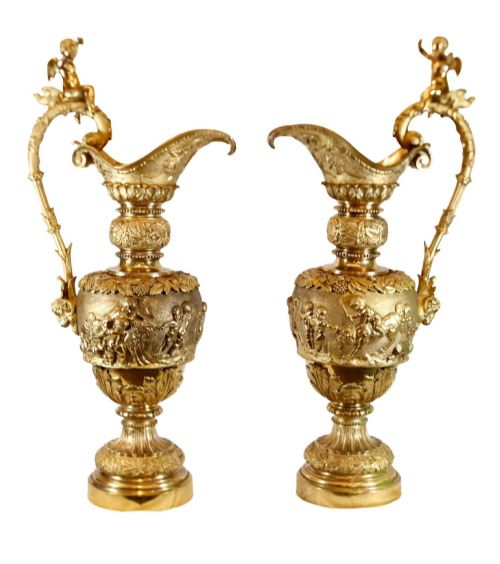
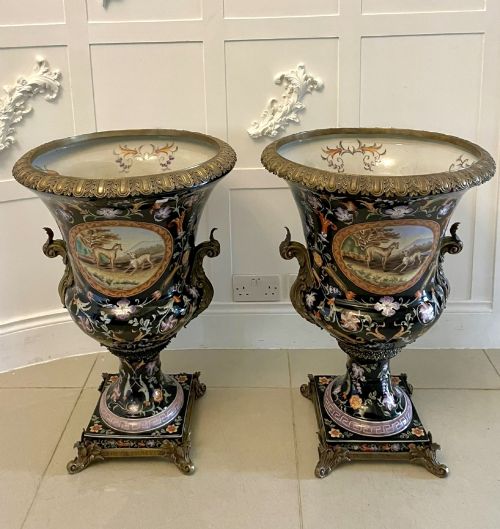
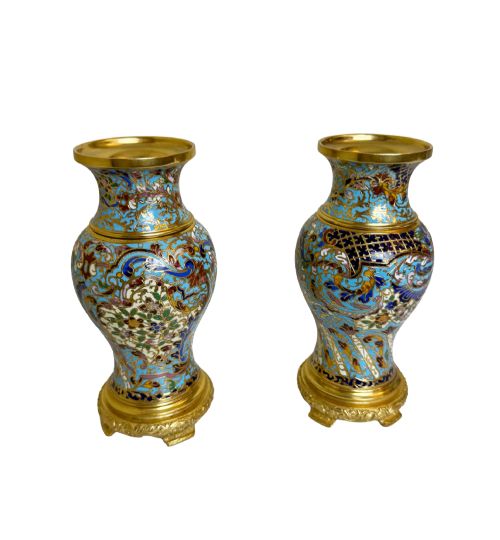
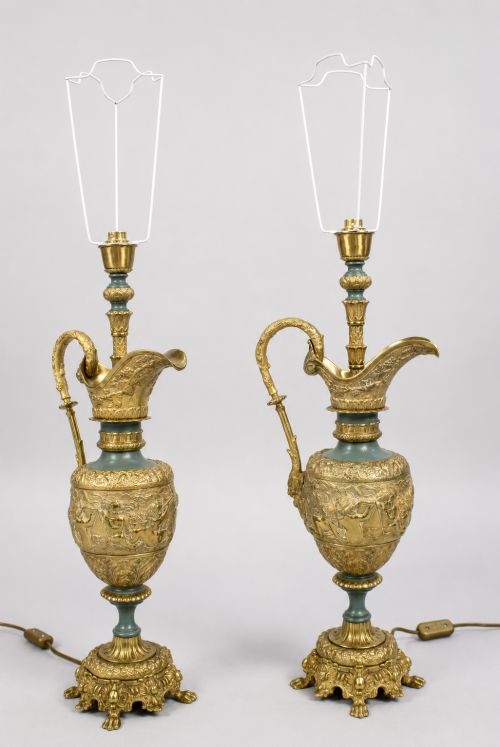
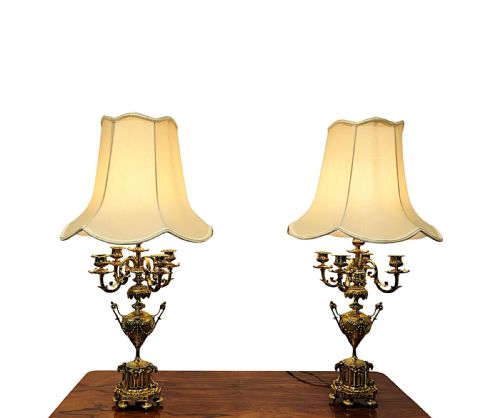
You are most likely to meet pairs of lidded vases, porcelain and brass jardinières, or mounted marble and bronze vessels that served as decorative centerpieces. Many of these items utilise classical forms such as amphorae, ewers, and trophy vases, frequently combined with candelabra or clock garniture sets.
How They Were Made
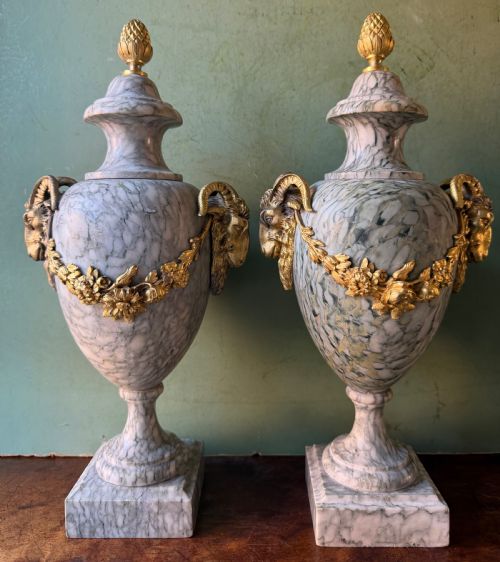
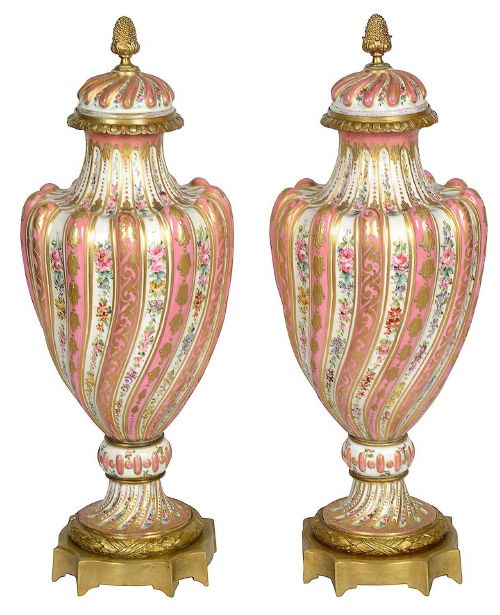
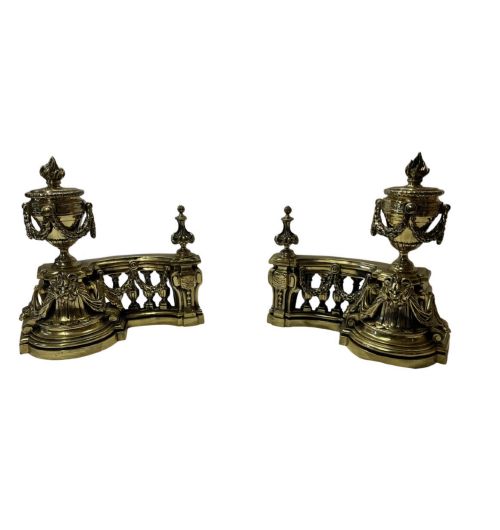
Maker workshops built these objects using cast gilt bronze, ormolu, and brass, often mounting them on white or green veined Campan vert marble bases. Metalwork components were combined with ceramic bodies, including porcelain painted in the Sèvres style, champlevé, and cloisonné enamel.
Artisans applied surface decoration through pate sur pate techniques, gilding, and silvering on bronze. Glass and crystal elements appear alongside hand-carved stone and onyx, demonstrating nineteenth century foundry and ceramic production methods.
Ornate French Urns Retail Price Guide 2026
Typical asking prices for ornate french urns among the pieces listed under this phrase on Sellingantiques today, from the lower quarter to the upper quarter. They describe what is for sale here now, not the wider market.
Listings feature nineteenth and early twentieth century French urns utilising brass, gilt bronze, ormolu, porcelain, marble, and glass.
What Varies in Quality
The distinction between standard and superior examples lies in the crispness of the bronze and ormolu chasing and the depth of the gilding. Better pieces display sharply rendered figures, cherubs, or foliate scrolls rather than soft, mass-cast contours.
Material selection also dictates quality, separating common brass mounts from heavy fire-gilded bronze, finely veined natural marble, and hand-painted porcelain panels with detailed enamel work.
Achille Brocot·Samuel Marti·Lerolle Fres
The Ornate French Urns Glossary
- Ormolu
- Gilded bronze produced through a mercury amalgamation technique. It provides a rich golden surface on decorative mounts and clock cases.
- Champlevé
- An enamelling technique where troughs are dug into a metal surface and filled with vitreous paste before firing. It creates vibrant patterns on vases and jardinières.
- Campan vert
- A highly figured grey and green veined marble. It forms the heavy classical bases for nineteenth century French vases and urns.
- Pate sur pate
- A ceramic decorating method where liquid clay is painted onto a body in successive layers. This builds a low relief cameo effect on porcelain.
- Jardiniere
- A decorative ornamental pot or stand designed to hold plants or floral arrangements. They frequently appear in porcelain paired with brass mounts.
Ornate French Urns: Frequently Asked Questions
What are ornate french urns?
Ornate french urns are decorative vessels made in nineteenth century France, drawing on classical Greek, Roman, and Louis XVI designs. They were produced in materials like porcelain, bronze, and marble to adorn mantelpieces and tables.
These pieces reflect historic revival movements, incorporating chased ormolu mounts, hand-painted panels, and sculptural handles. They functioned primarily as interior decoration rather than utility items.
How were french urns used?
Nineteenth century households used these vessels as decorative centrepieces on mantelpieces, credenzas, and tables. Some served as lidded jars or pairs flanking clock garnitures.
Others functioned as jardinières to hold plants or floral arrangements, while larger examples stood directly on furniture or pedestals to display craftsmanship and wealth.
How do you style them at home?
You can display these urns on a nineteenth century mantelpiece, sideboard, or console table as focal points. Pairs work well placed symmetrically at either end of a surface or framing a mirror.
Allow enough space around each piece to showcase the gilt bronze mounts, marble bases, and painted porcelain details without cluttering the room.
How do you tell periods apart?
Early nineteenth century pieces often feature strict Neoclassical or Empire lines, while items from the 1850s onward embrace Rococo Revival curves and exuberant ornamentation. Late nineteenth century works frequently combine multiple historic revival styles.
Material combinations also guide dating, as Napoleon III and Victorian pieces often mix champlevé enamel, onyx, and Sèvres style porcelain with heavy ormolu casting.