


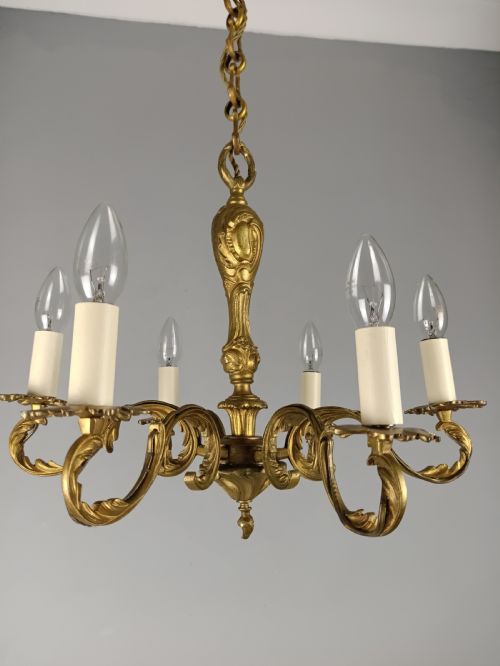

Ornate French Light Fixtures
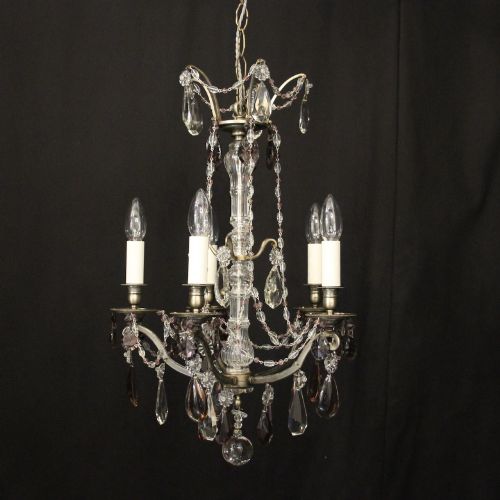
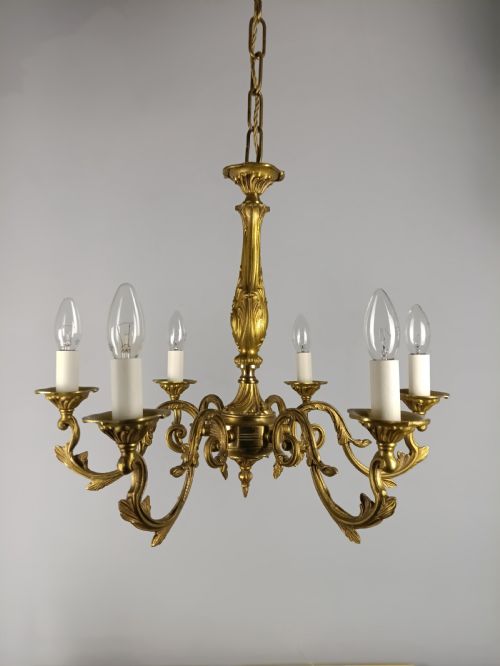
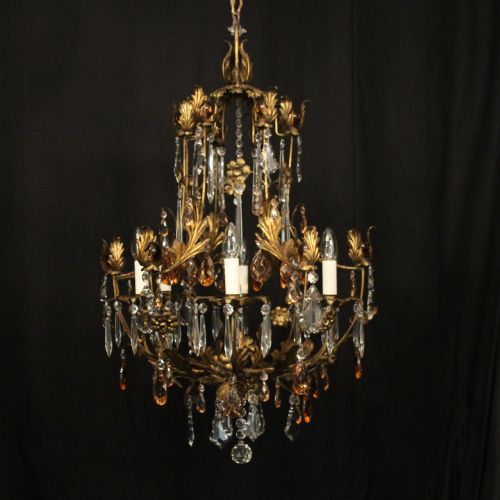
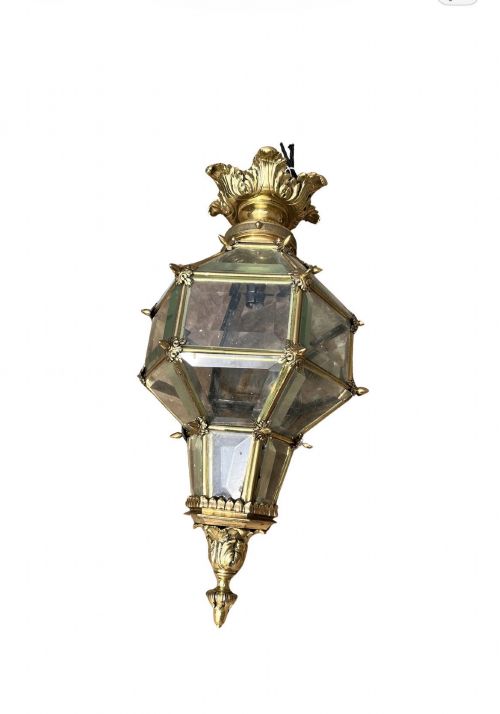
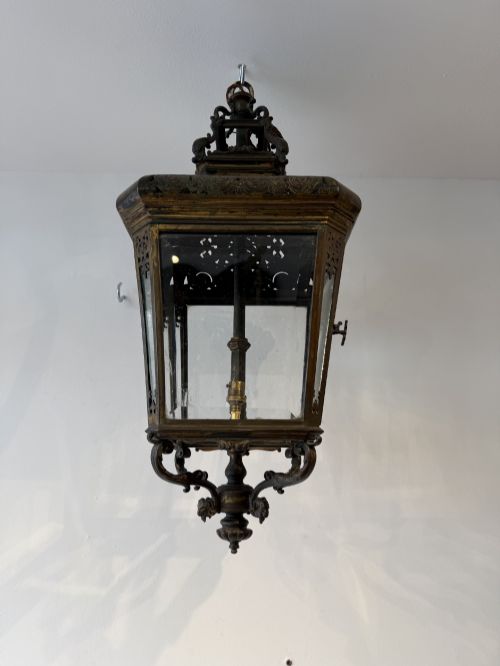
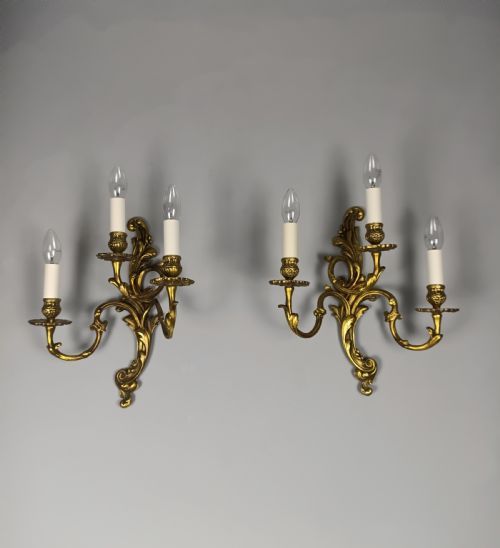
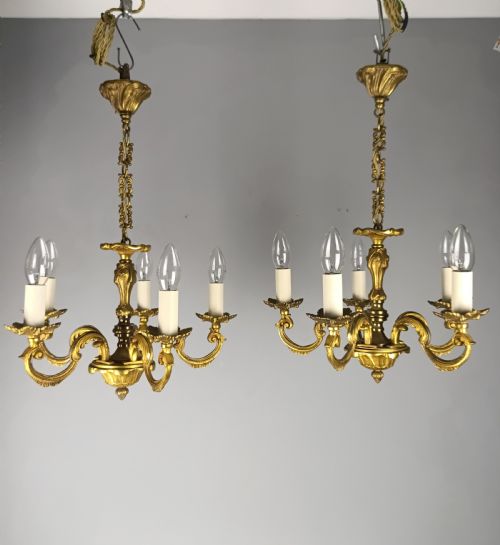
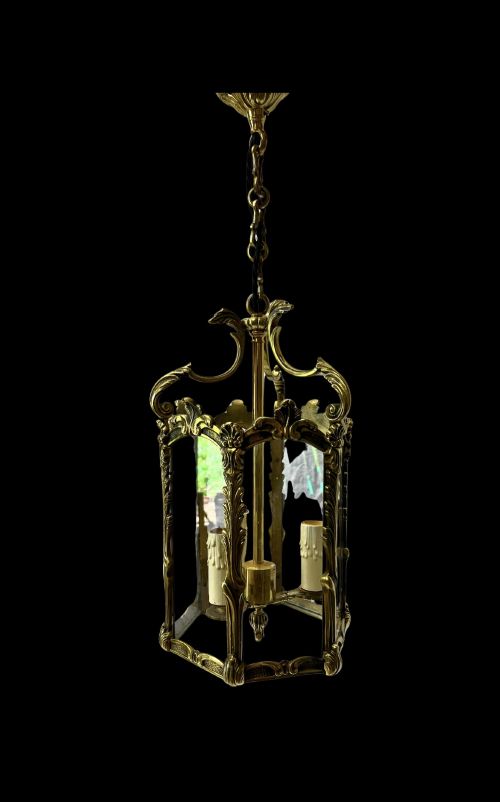
These ornate french light fixtures bring historic illumination and decorative cast metalwork to reception rooms and hallways.
Ornate French Light Fixtures
Ornate french light fixtures encompass multi-arm chandeliers, wall sconces, ceiling lanterns, and table lamps originating from the nineteenth and early twentieth centuries. These pieces typically display stylistic influences ranging from French Rococo and Neoclassical to Gothic Revival and Chateau designs.
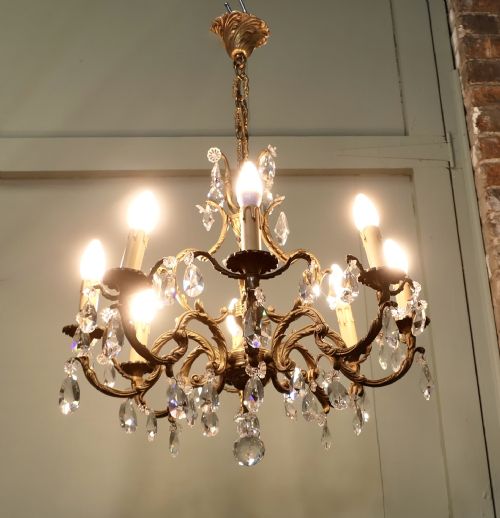
The selections encountered most frequently on this page include multi-light brass and gilt bronze chandeliers equipped with crystal lustres, alongside paired wall sconces designed for domestic interiors. Forms span from substantial ceiling lighting fixtures with numerous branches down to hall lanterns and table lamps.
Dated examples trace through the Victorian era into the 1930s, reflecting changing decorative tastes while maintaining heavy cast metal frames and elaborate ornamentation. Buyers select these luminaires to anchor period rooms with authentic historic metalwork and glass components.
Materials and construction
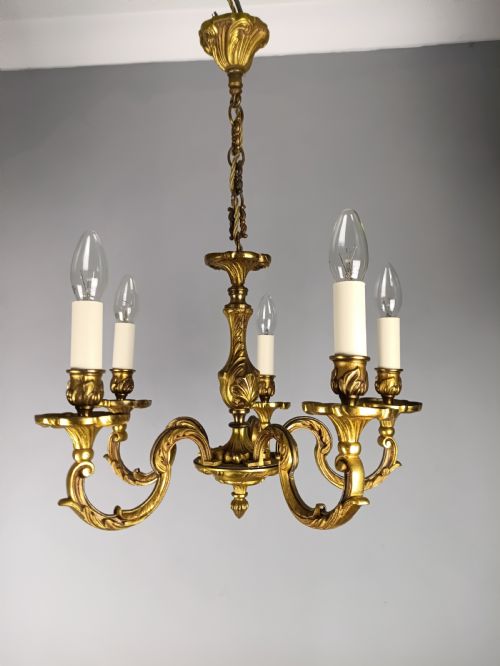
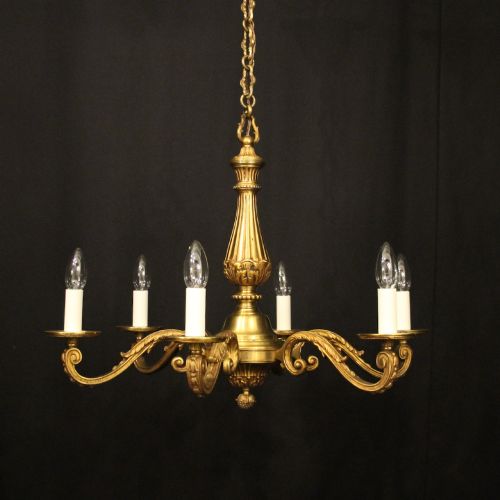
Construction relies heavily on cast and chased bronze, brass, and gilt metals forming the structural arms, ceiling roses, and wall plates. Artisans utilised mercury gilding, silver plating, or ormolu techniques to finish the metallic surfaces of these pieces.
Glass and crystal elements, including cut glass plafonnieres and hanging lustres, integrate with the metal frameworks to refract light. Many fixtures incorporate cast decorative details such as acanthus leaf mounts and intricate scrollwork soldered or bolted to the main chassis.
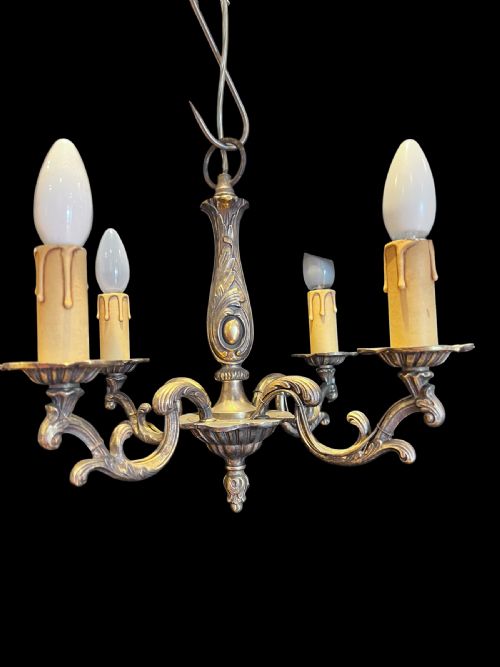
One unexpected chandelier even comes complete with curious orange drips on its candle sleeves.
Factors affecting quality
Quality differences emerge in the crispness of the metal casting and the depth of the chasing work on mounts and arms. Heavier, more substantial metal framing and finely detailed acanthus leaf decoration distinguish superior examples from simpler production.
The integration of cut crystal components and the original quality of the mercury gilt or ormolu surfaces dictate the visual impact of the fixture. Pieces retaining high-grade cut glass lustres and deeply chased bronze demonstrate elevated craftsmanship.
The Ornate French Light Fixtures Glossary
- Ormolu
- Finely ground high-carat gold mercury-gilded onto a bronze base. This technique creates a rich, enduring metallic sheen seen on superior nineteenth-century frames.
- Lustre
- A cut glass or crystal pendant suspended from a chandelier. These droplets scatter illumination across the room.
- Plafonnier
- A shallow bowl-shaped ceiling light fixture mounted flush or close to the ceiling. They often feature cut glass set within an ornate metal rim.
- Girandole
- A branched candleholder or electrified wall sconce with reflective mirrored or crystal backplates. They multiply the perceived light in dimly lit spaces.
- Acanthus
- A stylized leaf ornament derived from classical architecture. Cast metal versions frequently decorate the arms and bobeches of these fixtures.
Ornate French Light Fixtures: Frequently Asked Questions
How do I hang a heavy chandelier safely?
Heavy multi-arm bronze and brass fixtures require direct anchoring into ceiling joists using steel support hooks rather than relying on standard plaster lath.
Professional installation ensures the weight of the metal frame and crystal components distributes evenly without damaging historical ceilings.
Are these vintage lights compatible with modern wiring?
Many surviving fixtures arrive rewired or ready for modern electrical installation while preserving their historical sockets and candle drips.
Qualified electricians can adapt older brass and bronze frames to meet current safety standards without altering the exterior appearance.
What rooms suit a large hall lantern?
Enclosed glass and brass lanterns function well in high-ceilinged entrance halls, stairwells, and vestibules where vertical space allows adequate clearance.
Their protective metal frames shelter the internal candle arms or lamp holders while diffusing light downwards.
How do I distinguish Rococo from Neoclassical styles?
Rococo designs feature asymmetrical scrolls, shell motifs, and exuberant organic curves that create a sense of fluid movement in the metalwork.
Neoclassical pieces rely on symmetry, crisp geometric lines, urns, and classical architectural details inspired by antiquity.