




Ornate French Bed
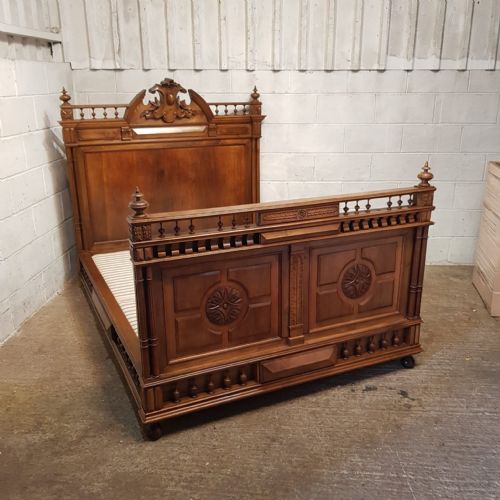
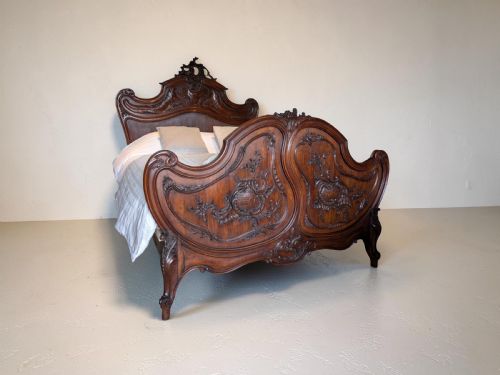
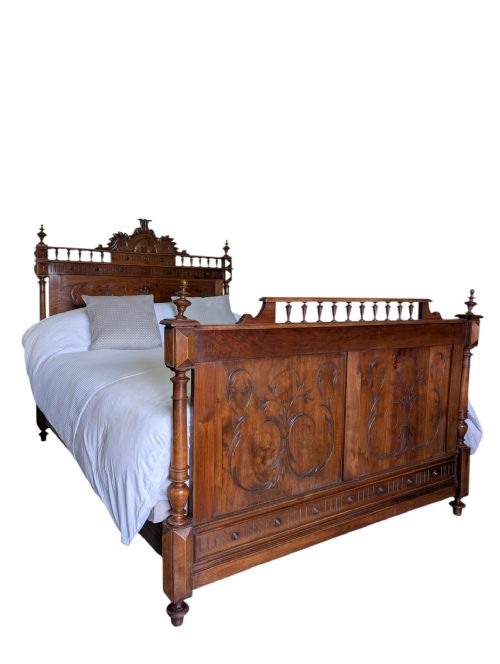
An ornate french bed brings architectural presence to a bedroom through sweeping woodwork and classical motifs.
Ornate French Bed
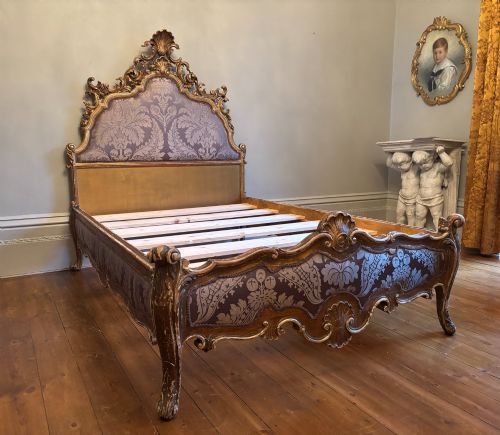
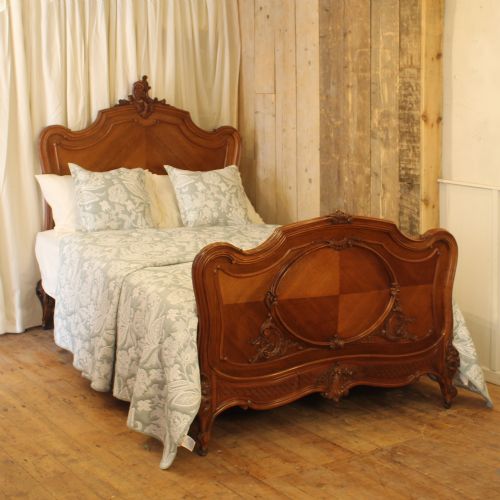
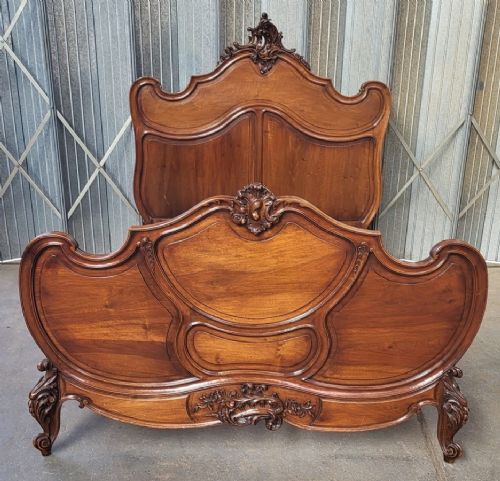
When you search for an ornate french bed, you find large timber and metal sleeping furniture spanning the nineteenth and early twentieth centuries. These pieces draw on historical European design vocabularies including Rococo, Louis XV, and Renaissance Revival.
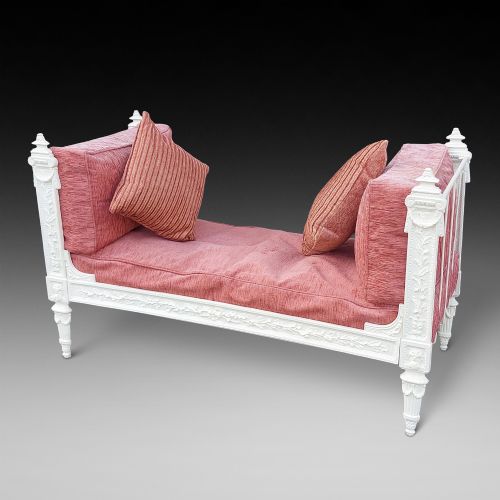
The selection here includes walnut double and king-size bedsteads alongside cast iron daybeds, painted frames with brass detailing, and carved oak Breton beds. Headboards and footboards often display elaborate scrollwork and paneling.
You will also encounter related furnishings such as benches, stools, and bedside cabinets that share the ornamental language of the primary bed frames. Origins span French, Italian, and wider continental workshops from the Victorian era onward.
How they were made
Carpenters shaped these frames primarily from solid hardwoods like walnut, oak, mahogany, and fruit wood, applying deep hand-carving to create flowing floral and scroll motifs. Giltwood and painted finishes provide decorative surface contrast.
Metal components appear in cast iron and polished brass, offering structural support and intricate decorative detailing on footboards and headboards. Upholstery elements incorporate fabric and tapestry inserts set directly into carved wooden frames.
Ornate French Bed Retail Price Guide 2026
Typical asking prices for ornate french bed among the pieces listed under this phrase on Sellingantiques today, from the lower quarter to the upper quarter. They describe what is for sale here now, not the wider market.
Listings feature walnut, oak, and mahogany alongside cast iron and brass, spanning the nineteenth century up to the 1920s.
What varies in quality
The depth and crispness of the hand-carving distinguish standard production from exceptional work, particularly in the rendering of asymmetrical Rococo curves and floral reliefs. Wood selection also plays a role, with dense walnut and figured mahogany showing superior grain patterns.
The integrity of the structural joinery and the original patination of the timber or metal dictate the enduring character of the piece. Integrated hardware, such as brass mounts and fitted side rails, indicates the original standard of manufacture.
The Ornate French Bed Glossary
- Rococo Revival
- A nineteenth-century design style marked by elaborate scrollwork, asymmetry, and naturalistic shell motifs derived from eighteenth-century French precedents.
- Louis XV
- A classical French aesthetic defined by cabriole legs, serpentine outlines, and restrained floral carving.
- Giltwood
- Timber treated with a thin layer of gold leaf or gilt paint to create a reflective, decorative surface.
- Daybed
- A multifunctional piece designed for both seating and reclining, often constructed with a raised back and single end panel.
- Breton bed
- A traditional enclosed box bed style originating from the Brittany region, typically constructed from heavy carved oak.
Ornate French Bed: Frequently Asked Questions
Will an antique bed fit a modern mattress?
Many older European beds were built to dimensions that differ slightly from modern standard sizes. Adjustments to side rails or custom-made mattresses are frequently utilised to achieve a proper fit.
Checking the internal length and width measurements before purchase ensures that standard bedding components will accommodate the frame correctly.
How do I care for carved wooden headboards?
Maintenance involves regular dusting with a soft, dry cloth to prevent particulate buildup within deep crevices and carved details. Avoiding direct sunlight and sustained moisture preserves the original timber finish and prevents splitting.
Periodic application of suitable beeswax helps nourish historical wood surfaces without altering their natural patination.
What is the difference between walnut and oak frames?
Walnut frames generally exhibit finer grain patterns and allow for sharper, more intricate relief carving due to the density of the wood. These pieces often align with refined French court styles like Louis XV.
Oak frames, such as those from regional Breton traditions, tend to present a heavier, more robust construction with pronounced grain and deep structural joinery.
How are these beds assembled?
Most antique bedsteads utilise traditional metal bolts or slot-in wooden rails that connect the headboard, footboard, and side panels. Proper assembly requires checking that all joints sit square to maintain structural stability.
Professional installation is often recommended to ensure the frame remains level and secure.