

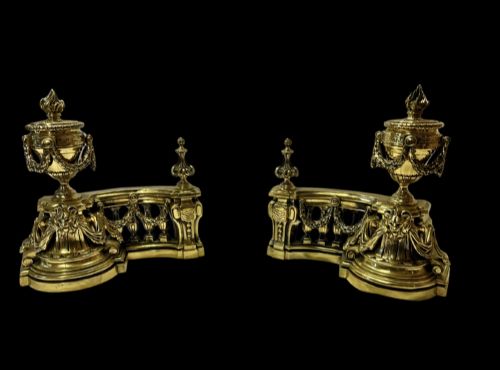


Ornate Fire Irons
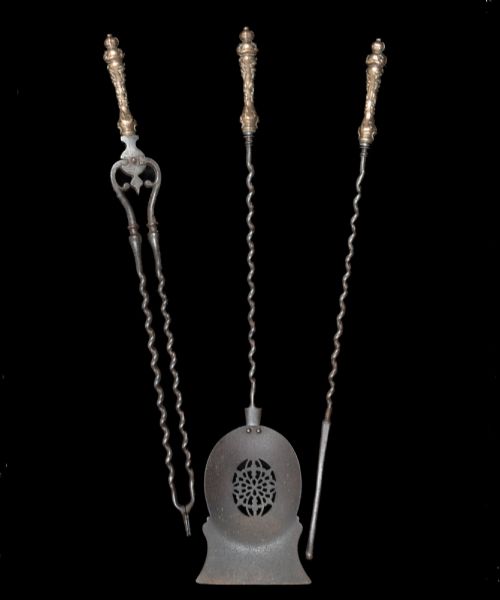
Ornate fire irons bring hearth furnishings to life, pairing practical steel and brass with sculptural French Rococo and Victorian detail.
Ornate Fire Irons
When you search for ornate fire irons, you encounter hearth furniture designed to manage coal and wood while adding visual weight to a fireplace. These sets and companion tools date from the nineteenth century into the early twentieth century, spanning periods from Regency to Victorian and revival styles.
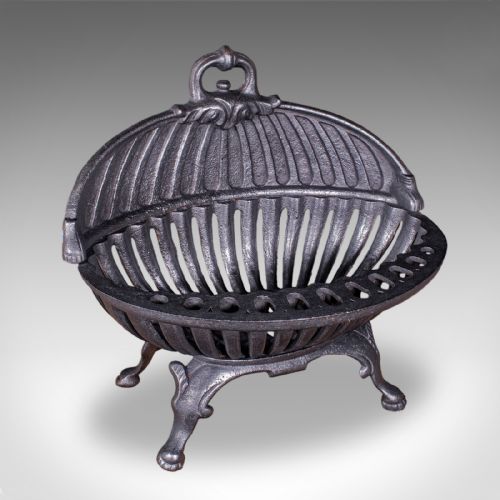
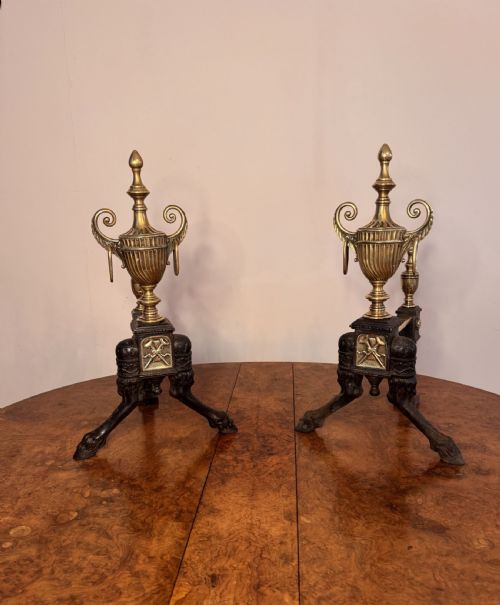
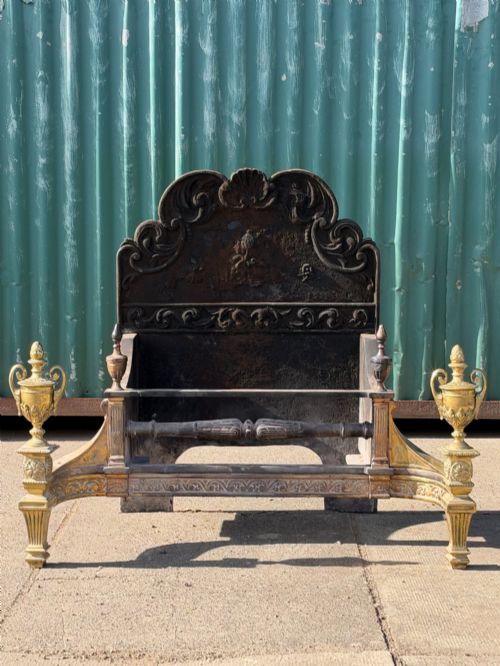
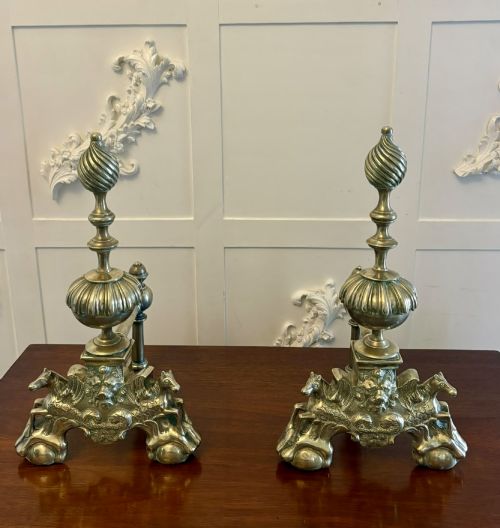
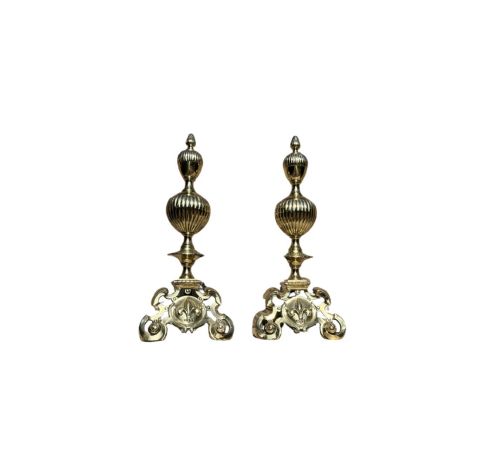
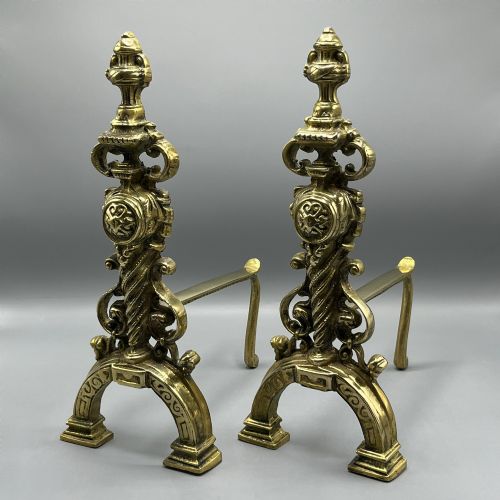
The versions most common here include brass and steel fire iron sets, companion tools, and complementary pieces like fire dogs, fenders, and grates. English and French workshops produced these items in cast iron, wrought iron, solid brass, and ormolu, often incorporating elaborate decorative motifs.
How they were made
Makers shaped these pieces primarily through casting, forging, and hand-finishing in iron, steel, and brass. Cast iron provided sturdy frames for grates and fire dogs, while wrought iron offered ductile strength for screens and pokers.
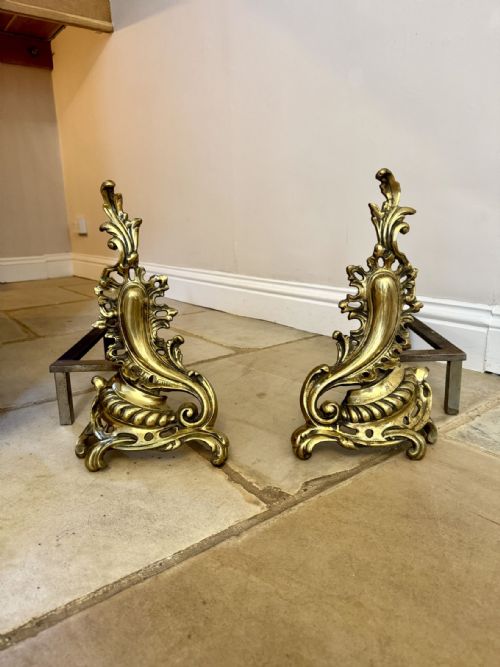
Bright brass and gilded ormolu supplied the decorative surface contrast, often cast in ornate scrolls and rococo flourishes. Steel components provided the necessary durability and spring for active fire management.
Ornate Fire Irons Retail Price Guide 2026
Typical asking prices for ornate fire irons among the pieces listed under this phrase on Sellingantiques today, from the lower quarter to the upper quarter. They describe what is for sale here now, not the wider market.
The inventory spans multiple design movements, including Gothic Revival, French Rococo, and Neoclassical Revival.
What varies in quality
Quality rests on the crispness of the casting and the weight of the metal utilised. Heavier solid brass and thick steel indicate sturdier construction that withstood daily use beside an active hearth.
Design execution separates standard utility tools from finer decorative examples. Pieces bearing specific maker marks or sophisticated French rococo chasing demonstrate superior workshop skill.
James Cartland & Sons
The Ornate Fire Irons Glossary
- Andirons
- Supports used to hold logs in a fireplace, also known as fire dogs. They frequently feature decorative front columns in brass or cast iron.
- Chenets
- The French term for andirons, often seen in ornate ormolu or gilt-brass. These pieces display elaborate rococo or neoclassical scrolling.
- Fender
- A low metal guard placed in front of the hearth to contain sparks and ash. They appear in adjustable brass, cast iron, and steel.
- Fire basket
- A self-contained metal grate that holds coal or wood within the fireplace opening. They often incorporate decorative Adams or neoclassical styling.
- Ormolu
- Gilded bronze or brass applied to decorative fireplace accessories. This technique gives pieces a rich gold-coloured surface finish.
Ornate Fire Irons: Frequently Asked Questions
What are ornate fire irons?
Ornate fire irons are fireplace accessories, typically comprising pokers, tongs, and shovels housed alongside companion stands or fenders. They combine utilitarian metalwork with decorative period styles.
These tools were made to manage hearth fires while contributing to the principal room's interior decoration during the nineteenth century and later.
How do I use them safely?
These historical pieces function well in traditional fireplaces when handled with care. Ensure iron and steel components remain dry to prevent surface corrosion.
Position companion sets on stable hearth surfaces away from direct, continuous flame contact to preserve their polished finishes.
How do I clean brass and steel?
Clean brass and steel components gently using appropriate metal polishes that do not strip historical patination. Avoid abrasive pads that scratch cast or forged surfaces.
Keep steel dry and lightly oiled to maintain the dark finish characteristic of nineteenth-century fireplace tools.
How do I tell periods apart?
Period identification relies on stylistic cues such as heavy Gothic revival ironwork versus lighter French rococo ormolu scrolling. Victorian pieces often combine robust cast iron with bright brass details.
Examine the construction methods and decorative motifs to distinguish between early nineteenth-century Regency designs and later revival items.