



Ornate Double Bed
An ornate double bed brings heavy architectural presence to a bedroom through deep carving or cast metalwork.
Ornate Double Bed
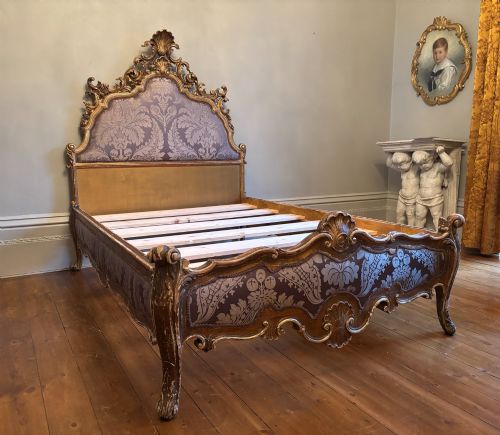
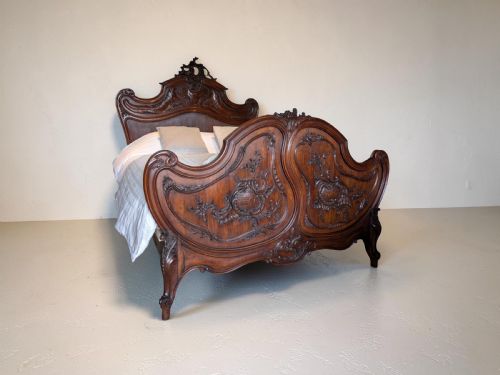
When you search for an ornate double bed, you are looking at substantial sleeping frames built from the nineteenth century up to nineteen hundred. These pieces display distinct historical revivals, ranging from Italian Rococo and French Renaissance to Victorian ironwork.
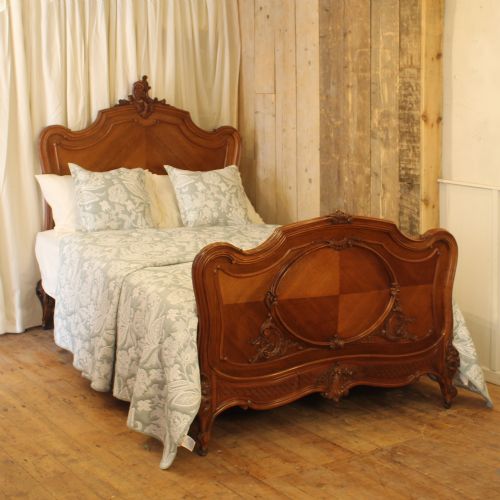
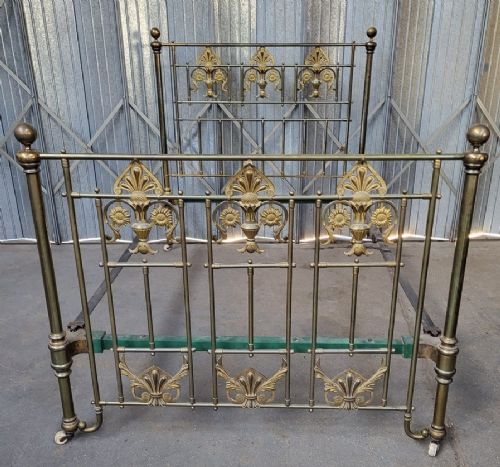
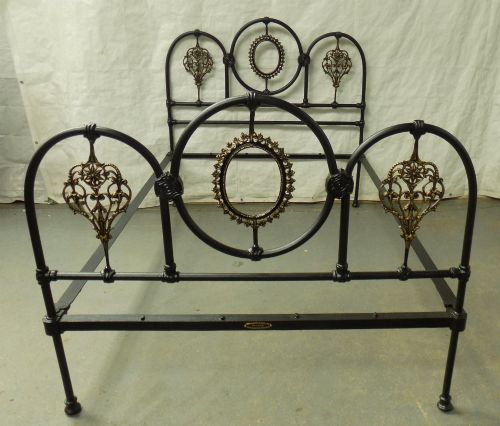
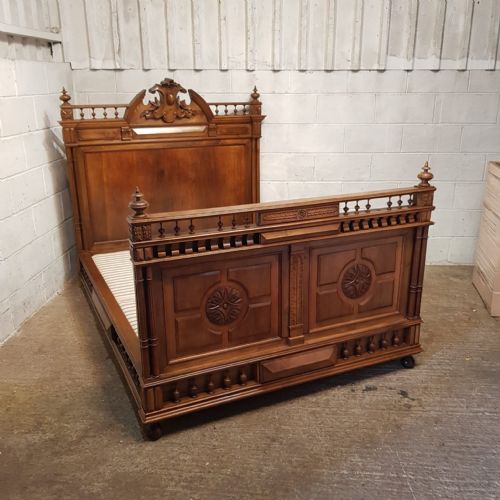
The versions you are most likely to meet on this page include walnut and oak wooden bedsteads alongside combination frames of brass and cast iron. They originate from British, French, Portuguese, and Italian workshops, reflecting diverse regional decorative tastes.
Sizes vary between standard double proportions and king dimensions, often featuring high headboards and detailed footboards. Some examples incorporate half tester canopies or rich damask fabric elements to increase their visual weight.
Materials and construction
Makers utilised solid timbers such as walnut, oak, mahogany, and fruitwood, shaping them through deep hand-carving. Wooden frames often employ panel construction to support the mattress across pine slats.
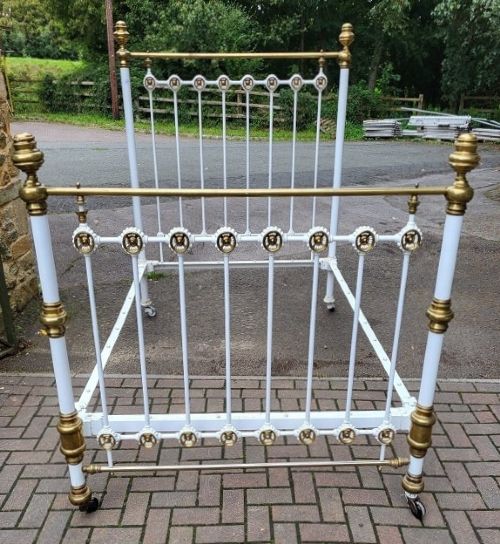
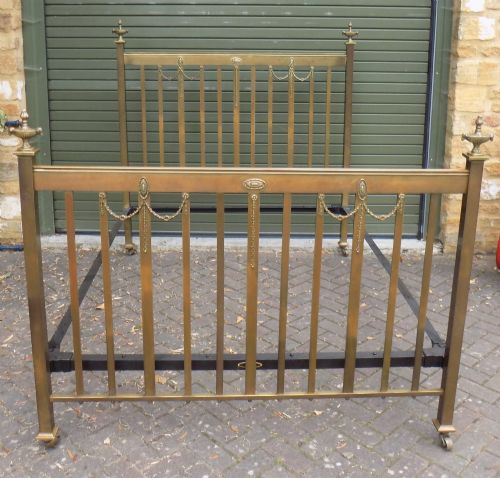
Metal bedsteads combine cast iron and brass components, sometimes utilising giltwood accents for added visual contrast. Structural joints rely on heavy metal brackets and bolts to secure the headboard, footboard, and side rails together.
Ornate Double Bed Retail Price Guide 2026
Typical asking prices for ornate double bed among the pieces listed under this phrase on Sellingantiques today, from the lower quarter to the upper quarter. They describe what is for sale here now, not the wider market.
Listings feature periods spanning from eighteen sixty to nineteen hundred, encompassing Victorian, French Rococo, and Italian Renaissance Revival styles.
Assessing craftsmanship and detail
Quality separates through the depth and clarity of the carving on wooden frames, where crisp floral or scroll motifs indicate skilled handwork rather than mechanical shaping. Metal beds show distinction in the weight of the cast iron and the polish of the brass components.
The integrity of the original construction matters greatly, particularly the stability of the joints and the survival of secondary timbers like pine slats. Surface patination on both wood and metal indicates how well the piece has aged through different periods.
The Ornate Double Bed Glossary
- Bedstead
- The framework of a bed, comprising the headboard, footboard, and side rails. This structural shell holds the mattress support.
- Half tester
- A canopy that extends only partway over the head of the bed from the headboard. It typically suspends fabric above the sleeper.
- Rococo revival
- A nineteenth-century design style mimicking the ornate, asymmetrical curves and shell motifs of the eighteenth century. It appears frequently in carved wood furniture.
- Damask fabric
- A reversible figured textile woven on a loom, often utilised for upholstery or tester linings on period beds. It provides rich texture to the frame.
- Pine slats
- Horizontal wooden boards resting within the bed frame to support the mattress. They form the internal base of the bedstead.
Ornate Double Bed: Frequently Asked Questions
What periods do these beds come from?
The listings span the nineteenth century, including specific decades from the eighteen sixties to the early nineteen hundreds.
Victorian and late nineteenth-century French or Italian influences dominate the construction styles seen here.
How do I know if a bed is brass or iron?
Brass components present a warm golden metallic tone that can be polished, though it often develops a darker patination over time.
Cast iron elements appear darker, heavier, and typically display a painted or black finish beneath decorative brass mounts.
Will a period double bed fit modern mattresses?
Period double dimensions can vary slightly from contemporary standard sizes due to nineteenth-century sizing conventions.
Checking the exact internal length and width between the side rails ensures a modern mattress will drop securely onto the slats.
How do I care for carved wooden headboards?
Carved walnut and oak surfaces benefit from occasional cleaning with a soft brush to remove dust from deep recesses.
Applying traditional beeswax helps maintain the timber's moisture and preserves the natural lustre of the antique finish.