



Ornate Carved Desk Chair
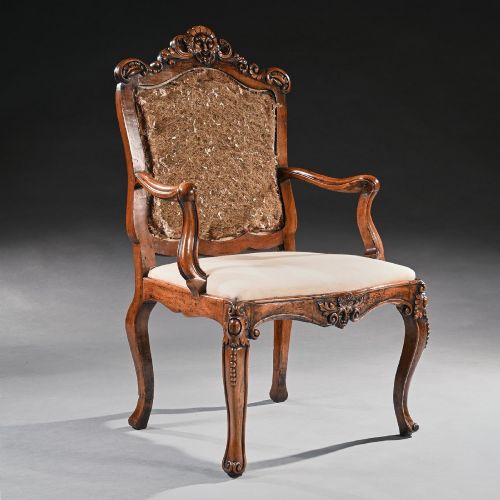
An ornate carved desk chair brings heavy historical presence to a study, blending elaborate woodwork with functional seating.
Ornate Carved Desk Chair
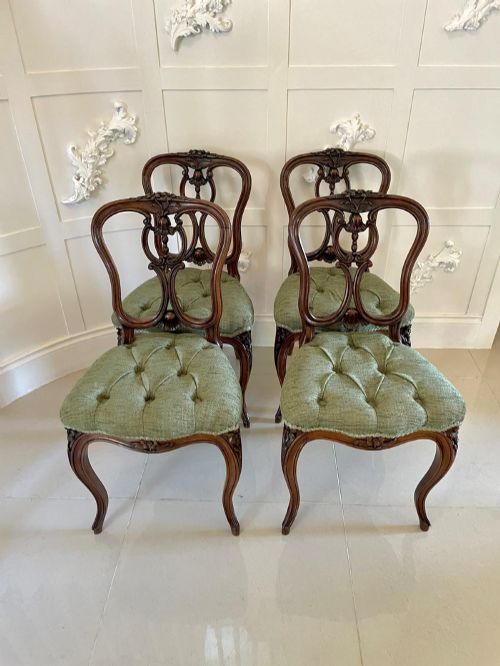
An ornate carved desk chair encompasses heavily detailed seating designed for study and writing spaces, drawing from diverse global and European traditions. Buyers seeking an ornate carved desk chair encounter examples spanning from the mid 18th century through to the turn of the 20th century. The selection leans heavily towards walnut and mahogany frames, alongside occasional exotic woods like padouk.
Forms fluctuate between open side chairs and substantial armchairs tailored for desk use. Historical stylistic influences on this page include Rococo Revival, Italian Rococo, Victorian Gothic Revival, and Art Nouveau. Continental European workshops and British makers both contribute to the variety of carved embellishments found across these seats.
How they were made
Cabinetmakers utilised dense hardwoods such as walnut, mahogany, rosewood, and padouk to support deep, sculptural relief work. Frames often feature elaborate hand-carved motifs along the head rails, arms, and stiles, reflecting the stylistic demands of periods like the mid 18th century and Victorian eras.
Upholstery forms an integral part of construction, incorporating traditional textiles, leather, and modern or period fabrics fixed to the chair frames. Giltwood surfaces appear on continental pieces, applying gold leaf over prepared wooden bases to achieve a brilliant metallic finish.
Ornate Carved Desk Chair Retail Price Guide 2026
Typical asking prices for ornate carved desk chair among the pieces listed under this phrase on Sellingantiques today, from the lower quarter to the upper quarter. They describe what is for sale here now, not the wider market.
Some chairs sport hand-carved head rails so intricate they demand a formal introduction before you sit down.
What varies in quality
The depth and crispness of the hand-carving dictate the artistic merit of each frame, distinguishing routine production from ambitious cabinetmaking. Wood selection matters greatly, with dense Cuban mahogany or figured walnut providing superior structural integrity and grain pattern compared to secondary timbers.
The integration of upholstery with the wooden structure affects both comfort and visual balance. Pieces retaining harmonious proportions between their carved wooden elements and padded seats demonstrate superior design execution.
The Ornate Carved Desk Chair Glossary
- Head rail
- The uppermost horizontal member of a chair back, frequently chosen by carvers for the most elaborate ornamentation.
- Padouk
- A heavy, durable tropical hardwood with a reddish hue utilised in regional furniture making, particularly seen in Burmese pieces.
- Giltwood
- Timber coated with gold leaf or powder, commonly found on continental European decorative seating.
- Rococo Revival
- A 19th-century design movement resurrecting the asymmetric scrolls, shell motifs, and curving lines of the 18th-century movement.
Ornate Carved Desk Chair: Frequently Asked Questions
What periods do these chairs date from?
The listings span from the mid 18th century up to 1900, capturing shifts in design from Italian Rococo to Art Nouveau.
Victorian interpretations and continental pieces make up a large portion of the available dates.
Which woods were used for construction?
Makers relied heavily on dense timbers including walnut, mahogany, rosewood, and padouk for durability and rich grain.
Giltwood and various upholstery fabrics also feature prominently across the inventory.
Are these chairs suitable for daily writing desks?
Many of these pieces function effectively as desk seating, though their ornate frames and carved arms require mindful placement.
Side chairs and armchairs offer different levels of support depending on the specific workspace setup.
How do regional styles differ?
Continental examples often incorporate gilt finishes and elaborate Rococo curves, while Anglo-Indian and Burmese pieces showcase distinct tropical hardwood carving.
British Victorian designs tend toward robust mahogany and rosewood construction with Gothic or classical revival details.