


Ornate Brass Holder
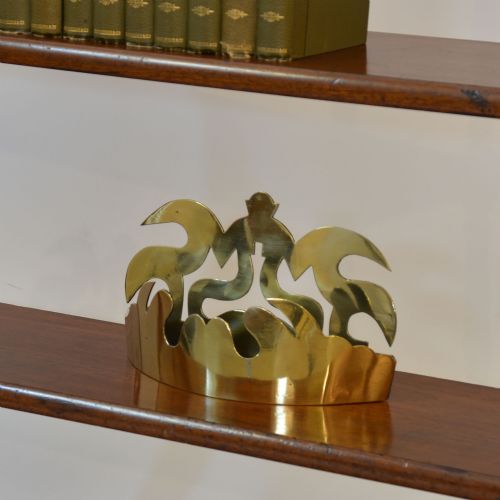
An ornate brass holder brings heavy metalwork and intricate casting to a desk, mantel or hearth, offering utility alongside nineteenth-century design.
Ornate Brass Holder
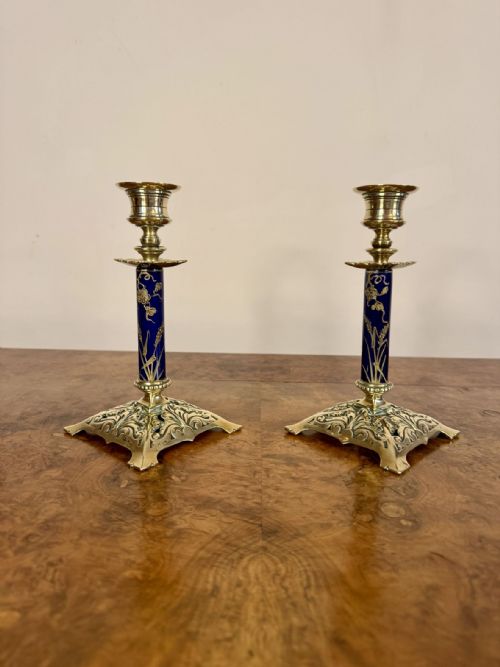
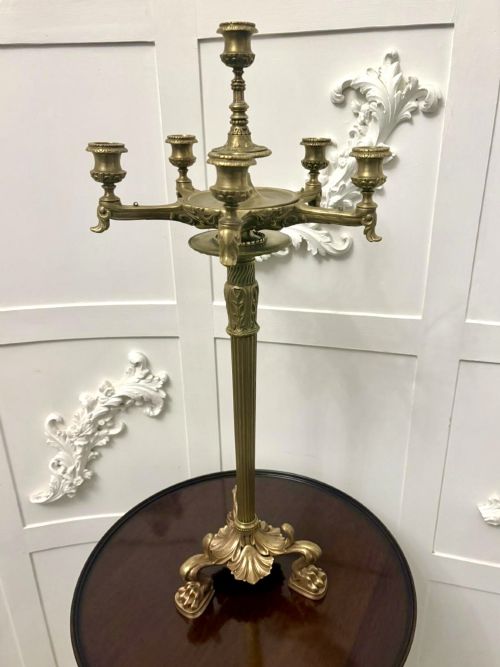
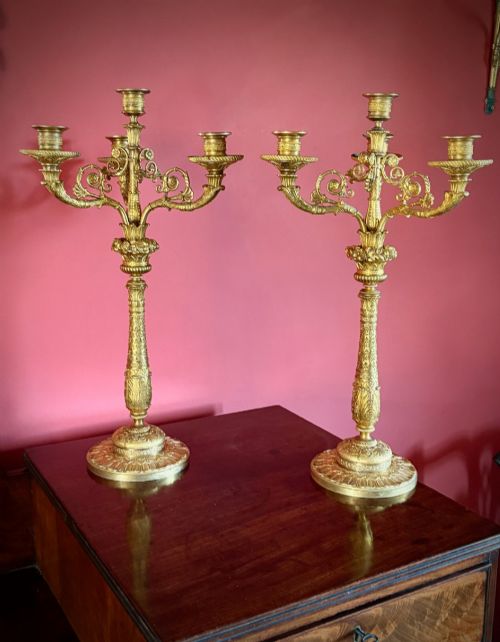
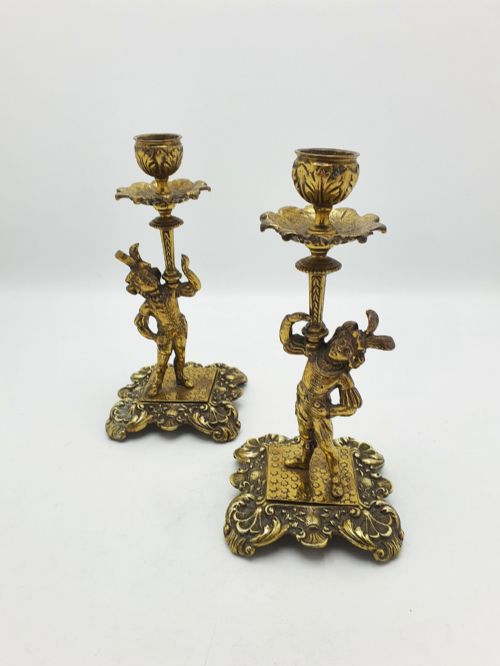
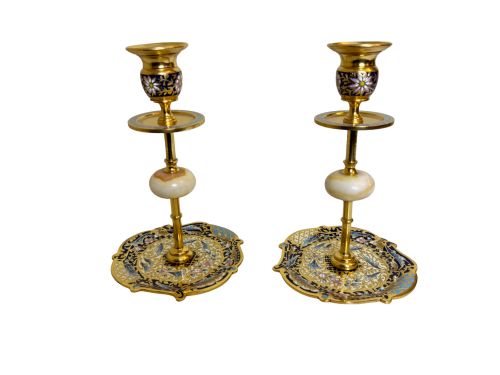
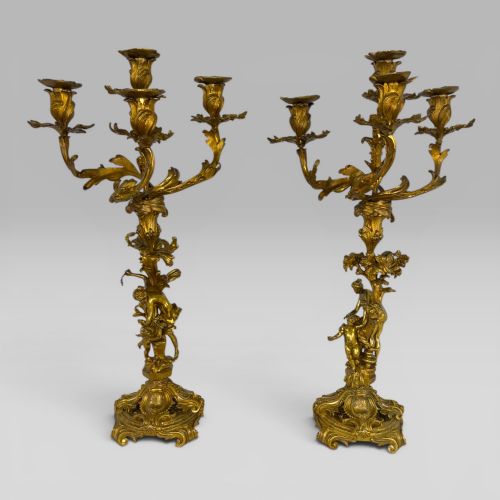
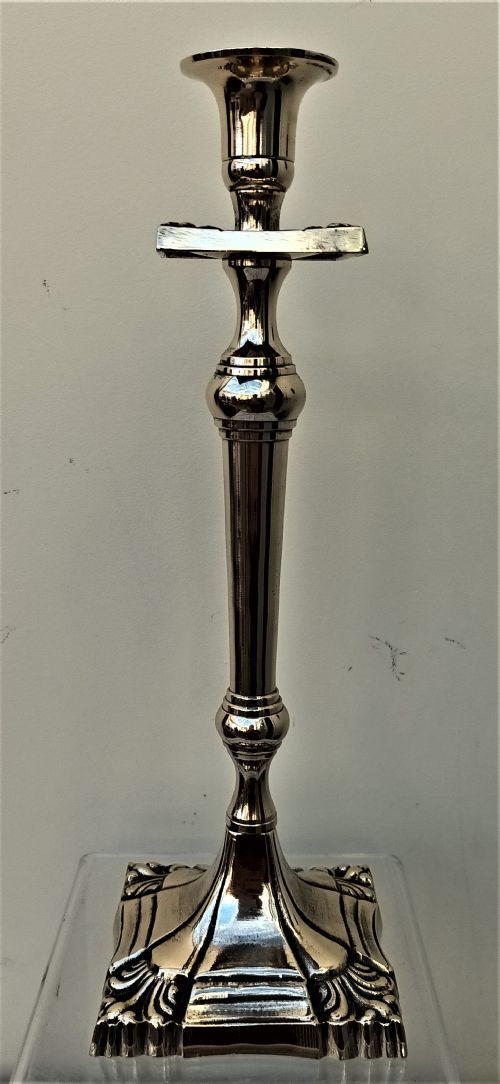
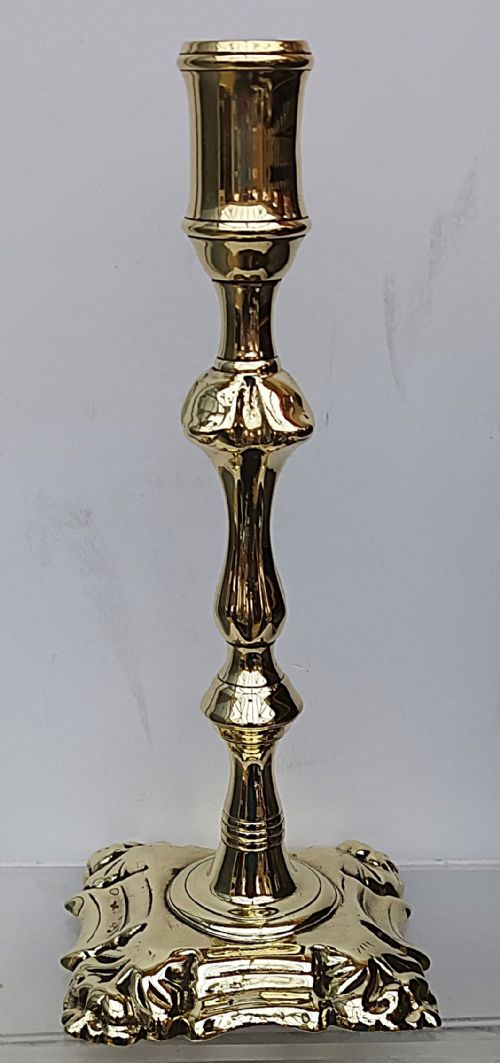
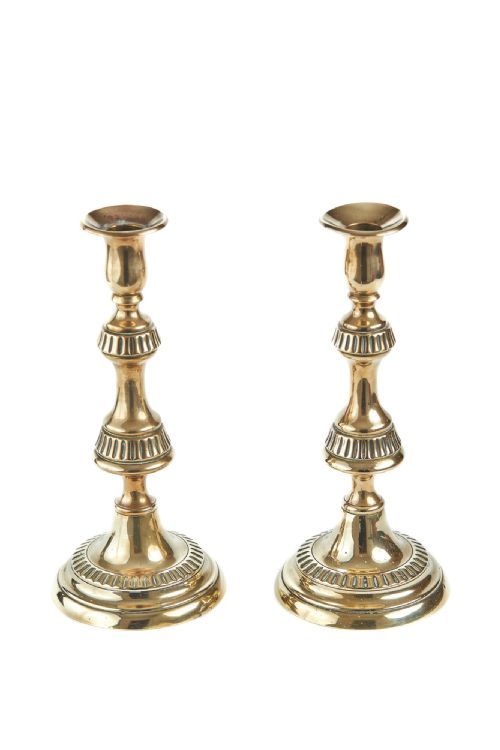
When you search for an ornate brass holder on this page, you meet a variety of nineteenth-century metalwork designed for daily domestic use. Candlesticks, candelabra and chambersticks form the largest group, accompanied by desk accessories such as letter racks, stationery boxes and desk sets.
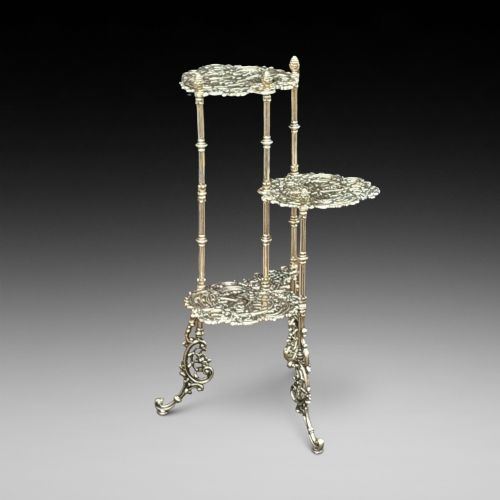
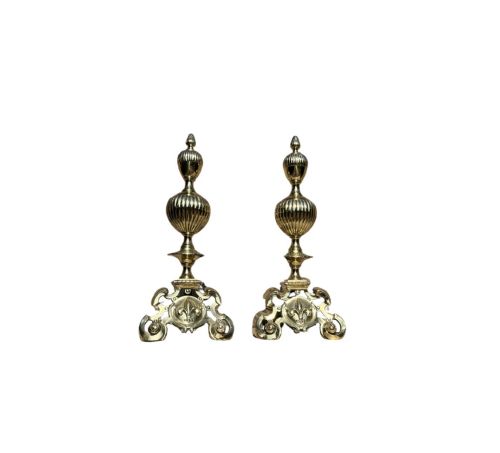
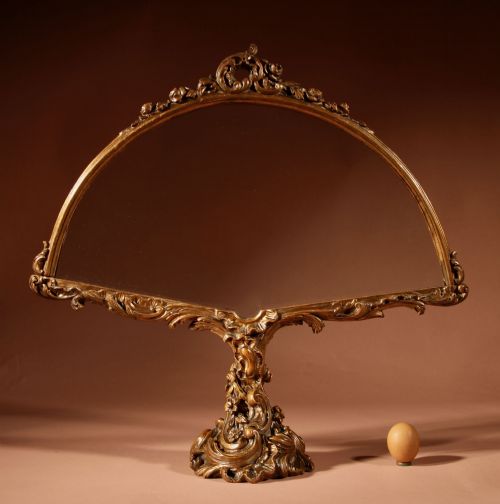
The selection extends to fireplace accessories, wall pockets and plant stands originating from English, French and Italian workshops. Victorian and Regency periods dominate the selection, bringing heavy cast brass and ormolu into domestic interiors through revival styles like Rococo and Neoclassical.
Buyers seeking these objects typically encounter matched pairs intended for mantelpieces or dining tables, alongside single desk pieces suited for writing surfaces. The materials range from plain brass to gilded bronze and combined media incorporating onyx, glass and marble.
Materials and Technique
The construction of these pieces relies heavily on cast brass, ormolu and gilt bronze, often shaped into elaborate scrollwork, figural motifs and foliage. Foundries utilised sand casting and lost-wax methods to achieve the dense relief and sculptural detail seen in French Rococo and Victorian revival pieces.
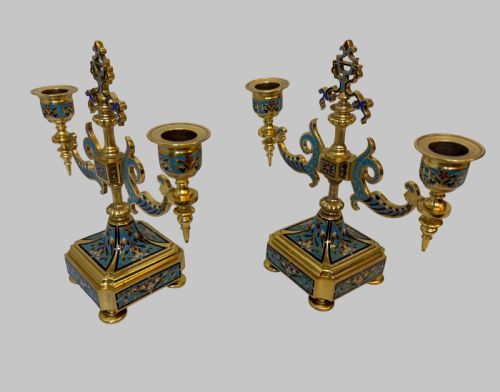
Many examples incorporate secondary materials such as champlevé enamel, marble bases and onyx columns to add colour and weight to the metal framework. Hand-chiselling and mercury gilding frequently finish the surface of finer ormolu pieces, creating varied patinas across the cast decoration.
Ornate Brass Holder Retail Price Guide 2026
Typical asking prices for ornate brass holder among the pieces listed under this phrase on Sellingantiques today, from the lower quarter to the upper quarter. They describe what is for sale here now, not the wider market.
Some nineteenth-century letter racks feature lions peering out from the brasswork to watch over your daily post.
Craftsmanship and Execution
The distinction between standard production and exceptional work lies in the crispness of the chasing and the weight of the casting. Superior examples display sharply defined foliate details and deep relief modelling rather than smoothed or generalised surface ornament.
Assembly methods also divide the range, as finer pieces utilise robust threaded joints and heavy gauge metal components that maintain structural rigidity. The integration of decorative stones like marble or onyx and the preservation of original fire-gilding further separate ordinary items from masterwork specimens.
The Ornate Brass Holder Glossary
- Ormolu
- Gilded bronze, typically produced by applying a mixture of gold and mercury to a bronze base. This technique was widely employed by French makers to give metalwork a rich, golden finish.
- Champlevé
- An enamelling technique where troughs or cells are hollowed out of a metal surface and filled with vitreous enamel before firing. It frequently appears on nineteenth-century desk accessories and candlesticks.
- Pricket candlestick
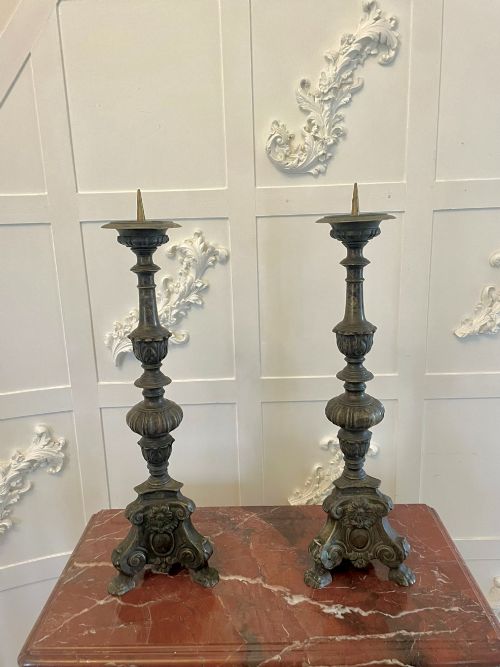
- A candle holder featuring a central spike or sharp metal pin that presses into the base of the candle rather than a socket that surrounds it. These often appear in ecclesiastical or heavy revival pieces.
- Chamberstick
- A low candlestick fitted with a flat pan and a loop handle, designed for carrying safely through a house at night. Examples from the Victorian period frequently include a matching snuffer.
- Candelabra
- A branched candlestick holding multiple lights on separate arms radiating from a single central stem. They range from simple two-arm Georgian pairs to massive multi-tier Victorian statements.
Ornate Brass Holder: Frequently Asked Questions
What is a pricket candlestick?
A pricket candlestick uses a sharp metal spike at the top to secure the candle instead of a traditional socket. This design appears frequently on heavy nineteenth-century ecclesiastical and revival pieces.
Such holders were built to support large candles that did not require a confining tube. Today they function effectively on sideboards and side tables.
How do I clean antique brass?
Antique brass requires gentle dusting and occasional cleaning with a soft cloth to preserve its aged patina. Avoid harsh chemical dips that strip away historical surface coloration.
Maintaining the natural dark highlights in recessed areas keeps the cast details distinct. Unlacquered surfaces will slowly oxidise again over time through normal handling.
Are these pieces English or French?
The inventory includes both English production from Victorian and Regency periods alongside French Regency, Rococo and Louis-style work. French pieces often utilise gilt bronze and ormolu with high sculptural detail.
English makers tended toward robust cast brass and practical desk accessories. Certain items reflect the international influence of the Grand Tour across Europe.
How were desk sets used?
Nineteenth-century desk sets organised writing materials like ink, blotting paper and stationery in matching stands. They sat upon library tables to assist with correspondence before fountain pens and typewriters.
Complete sets often incorporate inkwells alongside letter racks and trays. These items formed a standard part of upper-class domestic and office furnishing.