
Ornate Brass Chandelier
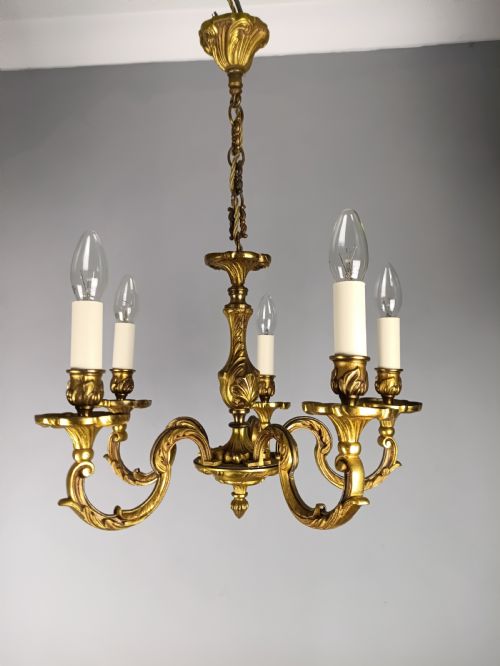
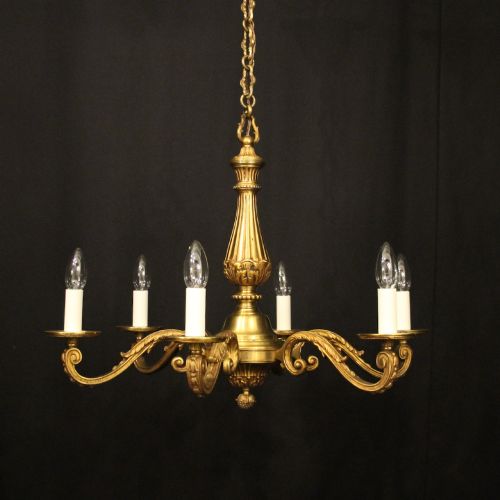
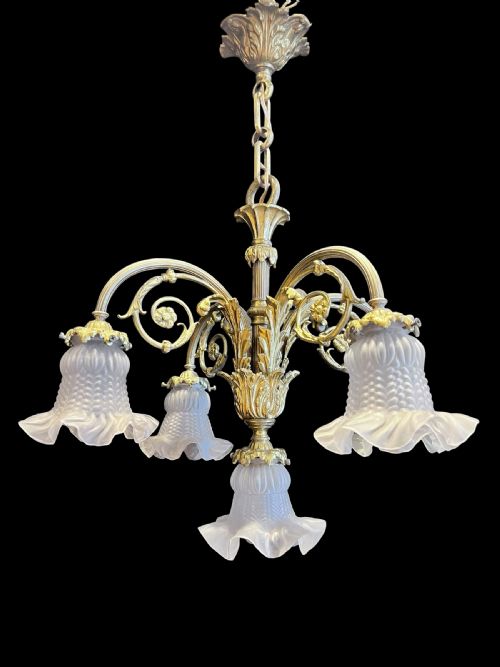
These ornate brass chandelier pieces bring historic French, Italian, and Edwardian design into domestic spaces through elaborate cast metal and crystal work.
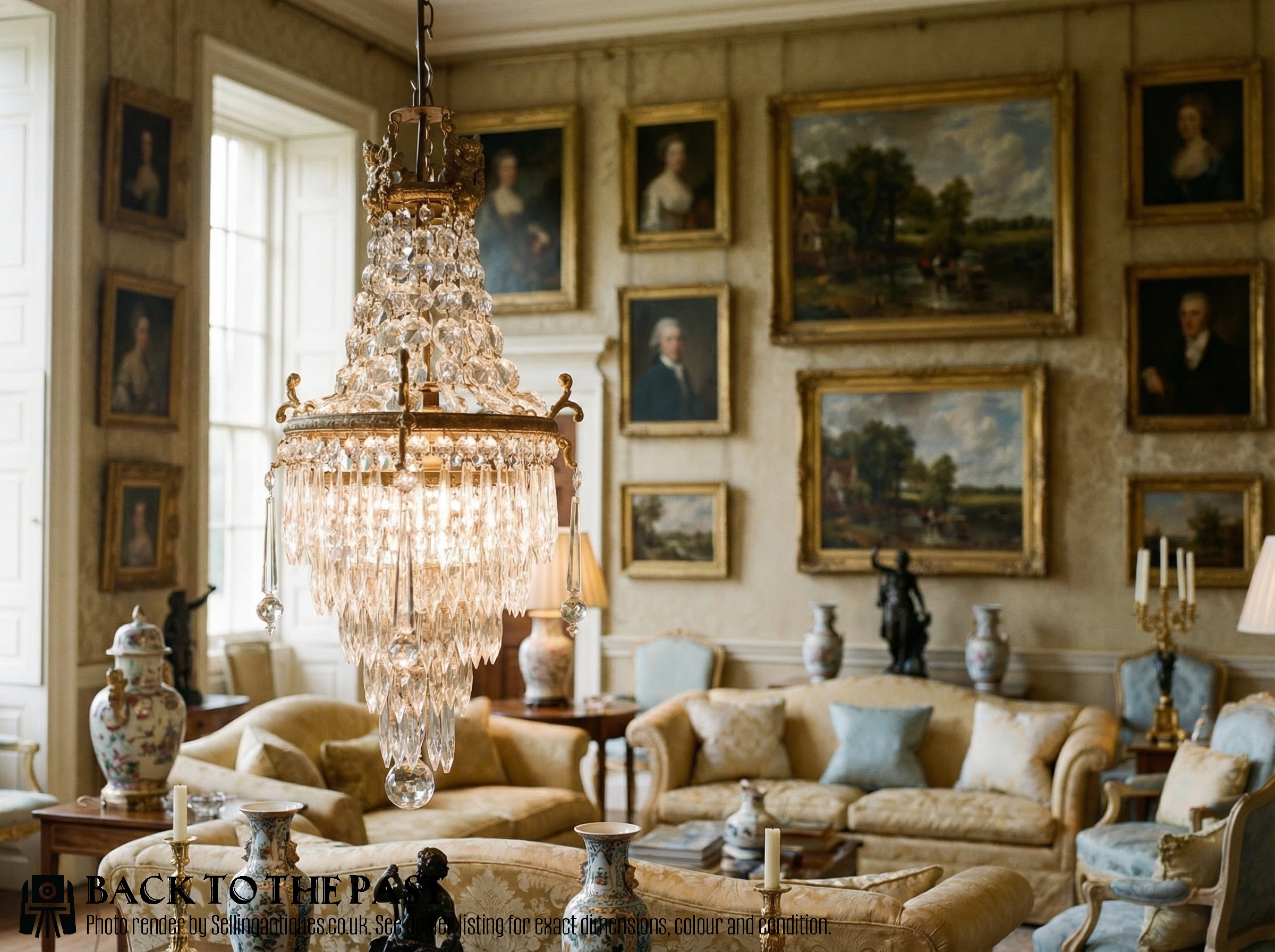
What these pieces are
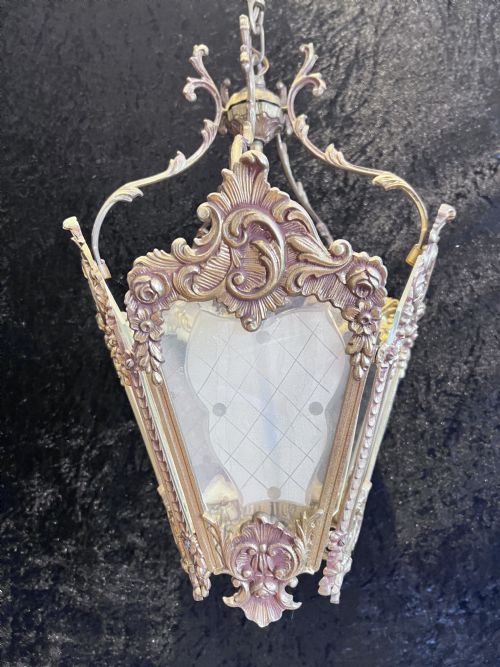
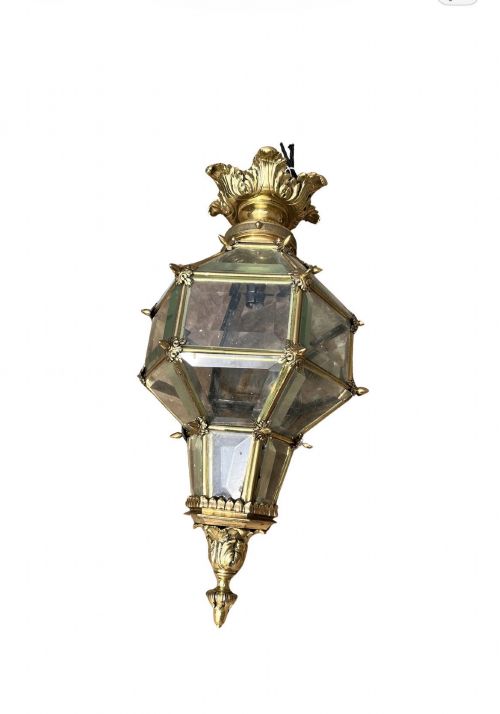
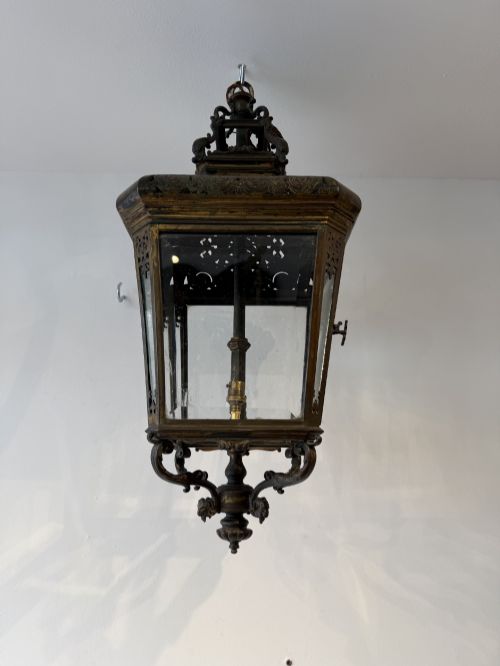
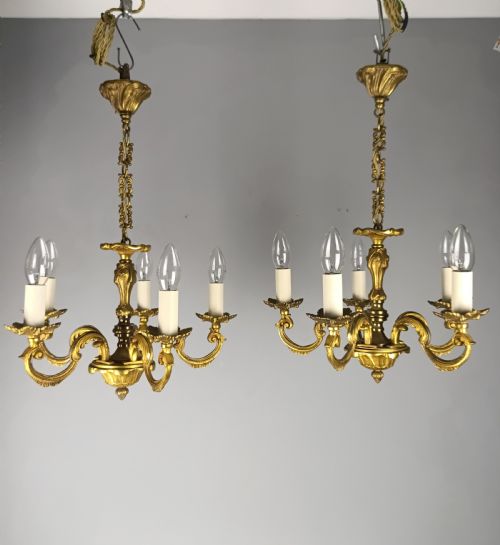
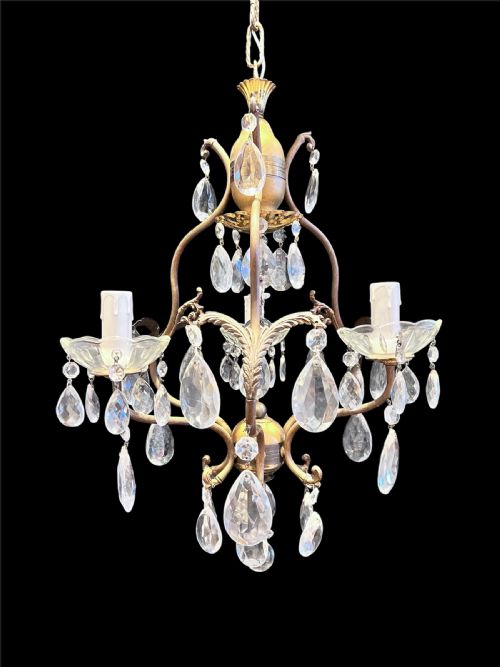
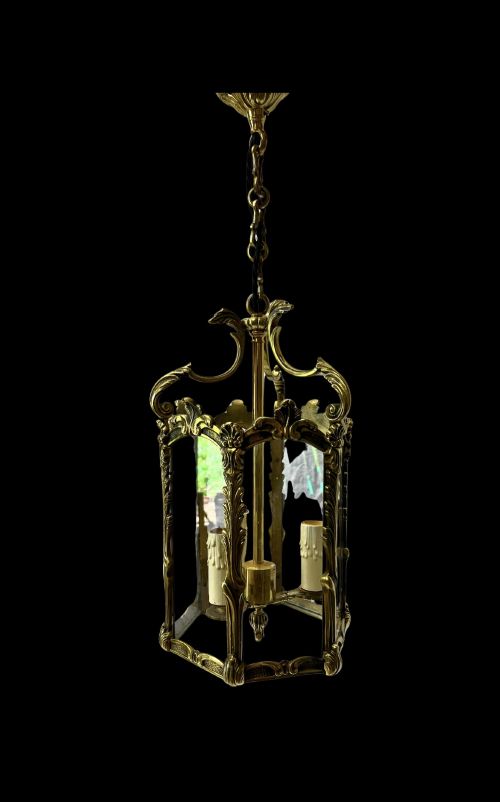
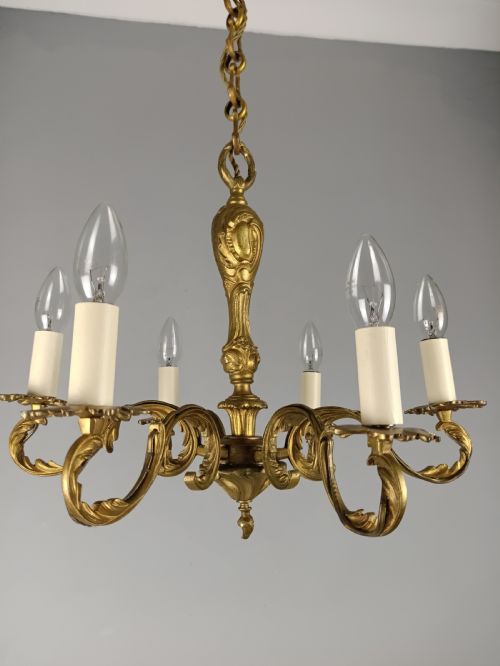
An ornate brass chandelier encompasses multi-light ceiling fixtures originating from the Edwardian era and the early twentieth century, spanning nineteen-ten, nineteen-twenty, and nineteen-thirty. Forms range from single-light lanterns and pod chandeliers to four-branch and nine-arm fixtures.
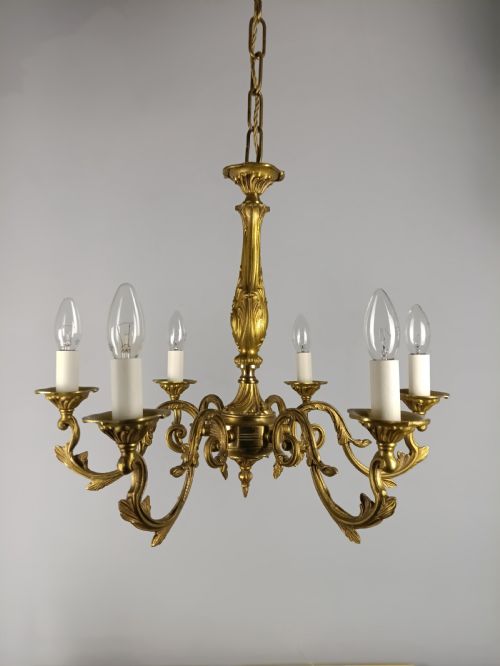
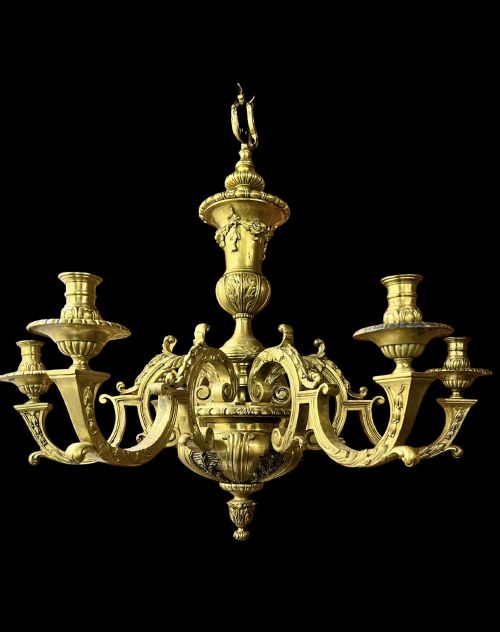
The aesthetic draws heavily on French Rococo Revival, French Chateau, and Italian Rococo Revival styles. Common decorative motifs include cherubs, spikes, and elaborate casting work designed to dominate a ceiling space.
How they were made
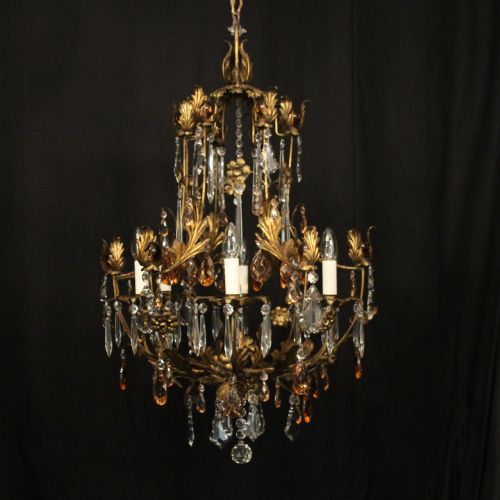
Construction relies primarily on heavy cast brass, gilt brass, and gilt metal frames. Artisans shaped these metals into intricate scrollwork and structural branches to support multiple lighting points.
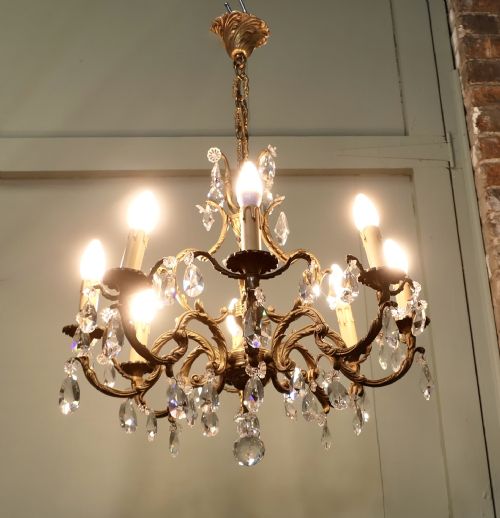
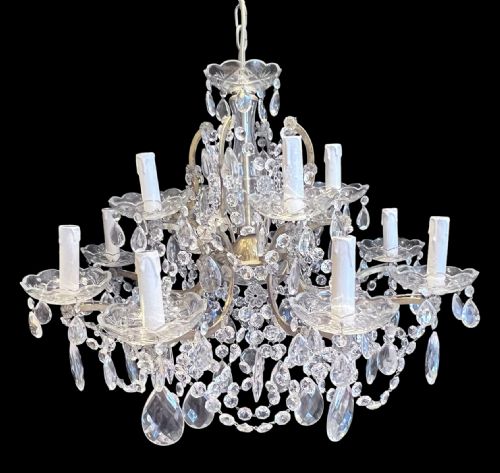
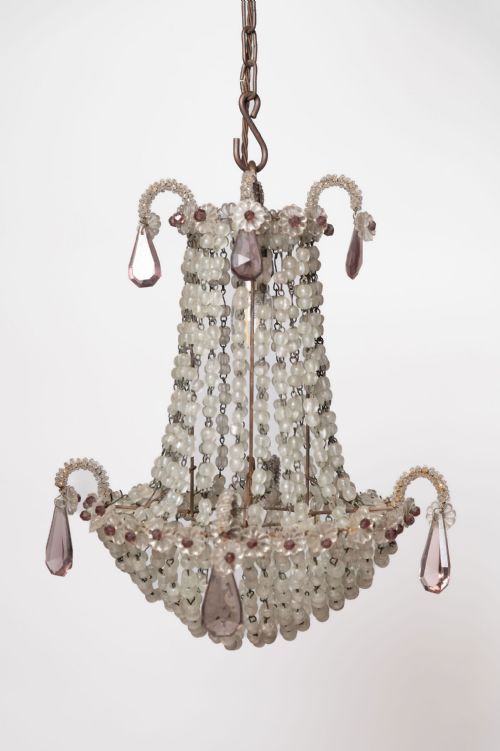
Many examples incorporate glass, cut crystal, and cut crystal prism drops to enhance light reflection. Certain designs also integrate fabric and fringe elements alongside the primary metalwork.
Retail Price Guide 2026
Typical UK retail prices for ornate brass chandelier, calculated from the Sellingantiques database of over a million retail prices indexed since 2003. This retail price guide relies exclusively on Sellingantiques data; no external sources or auction records are used, so the figures do not describe the wider market.
Several early twentieth-century designs incorporate watchful cherubs and sharp metal spikes among their branches.
What varies in quality
Quality shifts between standard commercial output and heavy, substantial castings that demand robust ceiling support. The weight of the metal and the crispness of the Rococo details determine the visual impact.
The inclusion of hand-cut crystal drops, elaborate cherub figures, and uniform gilding separates simpler lanterns from grand multi-arm reception room pieces.
The Ornate Brass Chandelier Glossary
- Rococo Revival
- A nineteenth and early twentieth-century design movement favouring asymmetrical curves, scrollwork, and ornate natural motifs. This style heavily influences French and Italian lighting pieces.
- Gilt Brass
- Brass that has been treated with a thin layer of gold leaf or gilt finish to enhance its metallic lustre. It gives the metal a warmer, brighter appearance than raw brass.
- Pod Chandelier
- A specific ceiling light configuration where the central body resembles a rounded pod shape from which the arms emerge. It offers a distinct silhouette compared to standard branch chandeliers.
- Crystal Prism Drops
- Cut glass pendants hung from the arms and bobeches of a chandelier to refract light. They catch and multiply the illumination from the bulbs.
Frequently Asked Questions
How do I clean an ornate brass chandelier?
Dust the metal and crystal components gently using a soft, dry cloth to prevent the accumulation of grime.
Avoid harsh chemical cleaners that can strip the gilt finish from the brass or damage delicate crystal drops.
Can these chandeliers be wired for modern ceilings?
Most antique fixtures require professional rewiring to meet current electrical standards and safety codes.
An experienced electrician can adapt the internal wiring without altering the historic exterior appearance of the metalwork.
How do I determine the right hanging height?
Hang the fixture high enough to maintain adequate clearance beneath it, particularly in rooms with standard ceiling heights.
Over dining tables or in entrance halls, position the lowest point of the chandelier to command the space visually without obstructing movement.
What distinguishes Edwardian chandeliers from earlier styles?
Edwardian pieces often feature lighter interpretations of classical motifs compared to the heavier Victorian predecessors.
They frequently incorporate refined cast brass details, cherubs, and delicate glass elements typical of the early twentieth century.