



Ornate Black Frame
An ornate black frame gives depth and focus to mirrors, paintings and prints, bringing Victorian and French decorative arts straight into a room.
Ornate Black Frame
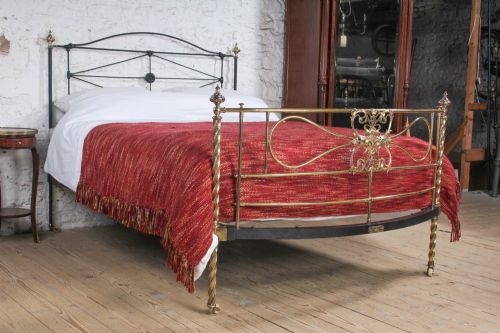
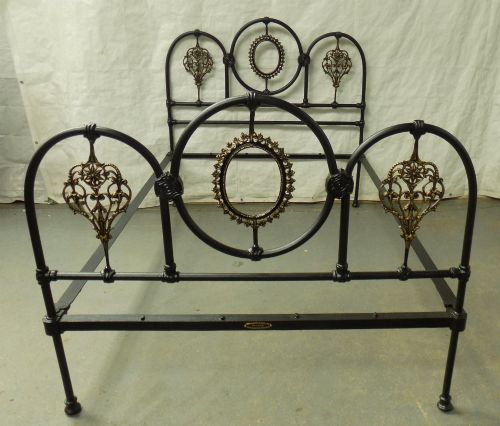
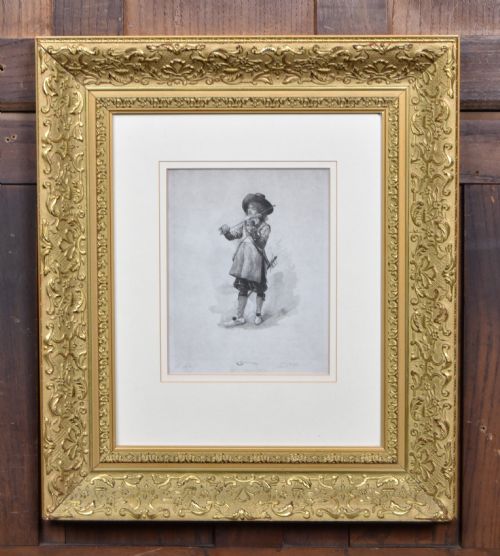
When you search for an ornate black frame, you encounter a variety of objects including wall mirrors, overmantel mirrors, framed oil paintings, prints, and metal bedsteads featuring dark decorative borders.
The pieces on this page span the nineteenth century into the early twentieth century, showing distinct influences from Victorian, French Second Empire, Louis Philippe, and Italian design traditions.
Mirrors and framed artworks dominate the selection, often combining black ebonised surfaces with contrasting gilt highlights, cast iron scrolling, or carved wooden crests.
How they were made
Makers utilised wood, gesso, and cast iron to build structural depth, applying ebonised finishes to achieve a deep, light-absorbing dark surface.
Gilt details and brass elements were frequently integrated into the design, providing metallic contrast against the heavy black framework of the mirrors and beds.
Ornate Black Frame Retail Price Guide 2026
Typical asking prices for ornate black frame among the pieces listed under this phrase on Sellingantiques today, from the lower quarter to the upper quarter. They describe what is for sale here now, not the wider market.
Materials across these listings include wood, gesso, iron, brass, glass, and paper, spanning the nineteenth and early twentieth centuries.
What varies in quality
Quality shows in the crispness of the moulded or carved ornament, particularly where gesso foliage, dragons, or crests decorate the corners and borders.
The depth and consistency of the ebonised finish, alongside the preservation of original glass and gilt highlights, separate standard items from finer examples.
Winfield·P. Ruiz·J D Fergusson·Valentine Thomas Garland
The Ornate Black Frame Glossary
- Ebonised
- Wood finished to resemble ebony, typically achieved by staining dark or applying a black lacquer to the surface. This technique creates a uniform, deep black appearance popular in nineteenth-century decorative arts.
- Gesso
- A plaster-like mixture applied to wood frames before gilding or painting to create smooth surfaces or raised ornamentation. It allows craftsmen to model intricate floral and scroll details.
- Overmantel mirror
- A large mirror designed to hang above a fireplace mantelpiece. These pieces often feature wide, decorative frames tailored to command attention in a principal room.
- Tole ware
- Painted or lacquered metal items, usually made of tinplate or iron. The technique results in durable surfaces with decorative coloured or gilt motifs.
Ornate Black Frame: Frequently Asked Questions
What periods do these black frames come from?
The listings on this page originate primarily from the nineteenth century, including specific dates from the eighteen-fifties through to nineteen-hundred. You will find Victorian, French Second Empire, and Italian stylistic influences represented across the selection.
These pieces reflect the manufacturing techniques and aesthetic preferences of their respective decades, utilising cast iron, ebonised wood, and gesso ornament.
How are ebonised frames cleaned safely?
Dust the frame gently with a soft, dry cloth to remove surface particles without disturbing the finish. Avoid using harsh chemical cleaners or excess moisture, which can damage aged ebonised wood or delicate gilt highlights.
If the surface requires more attention, a slightly damp cloth with mild soap can be used on wooden portions, provided it is dried immediately afterwards.
Where should an overmantel mirror be hung?
An overmantel mirror is traditionally mounted directly above a fireplace mantelpiece to reflect light and anchor the room's decorative scheme. The substantial scale of these frames makes them suitable as a primary focal point in a living room or reception space.
Ensure the wall fixings are robust enough to support the combined weight of the heavy wooden frame and glass.
Are iron bedsteads with black frames heavy?
Iron and brass bedsteads from the nineteenth century are typically constructed from heavy cast iron and metal components designed for durability. Their substantial weight provides structural stability for double and king size frames.
When assembling or moving these pieces, two people are generally required to handle the components safely.