




Ornate Bedside Tables
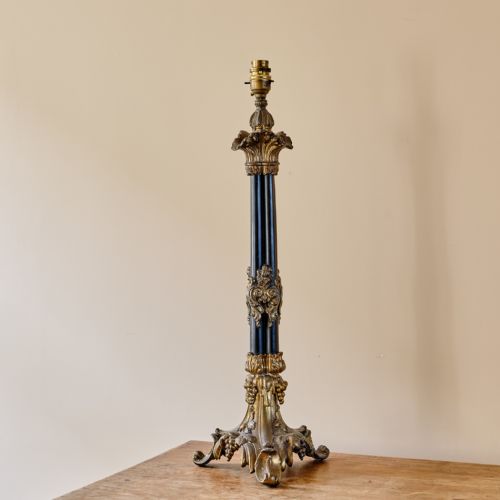
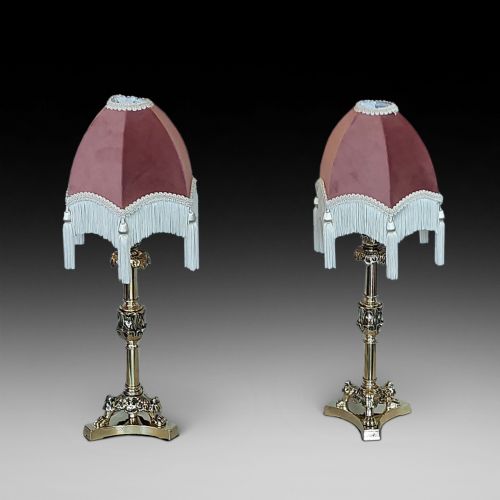
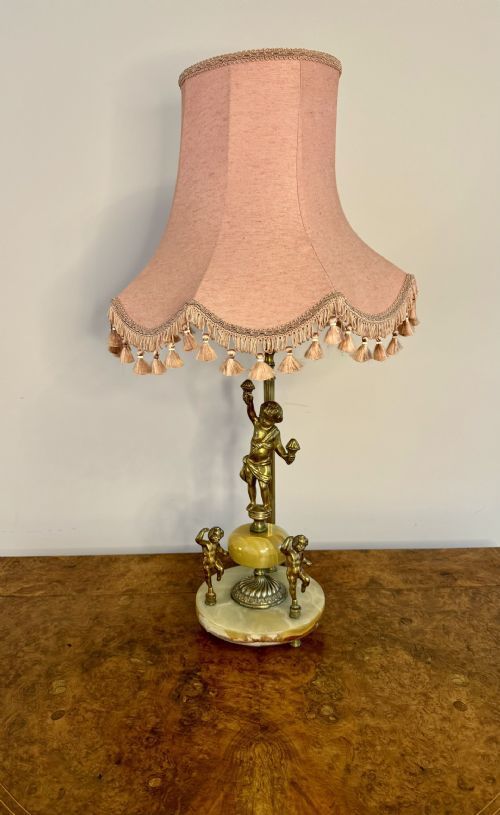
These ornate bedside tables bring intricate brass, gilt metal and porcelain forms into the bedroom from nineteenth and early twentieth century workshops.
Ornate Bedside Tables
When searching for ornate bedside tables, buyers encounter a selection spanning the Victorian, Edwardian and early twentieth century periods, alongside French Neoclassical, Rococo Revival and Anglo-Indian styles. While the inventory lists specific items like kidney-shaped bedsides and side cabinets, many related lighting and clock pieces share the same decorative vocabulary.
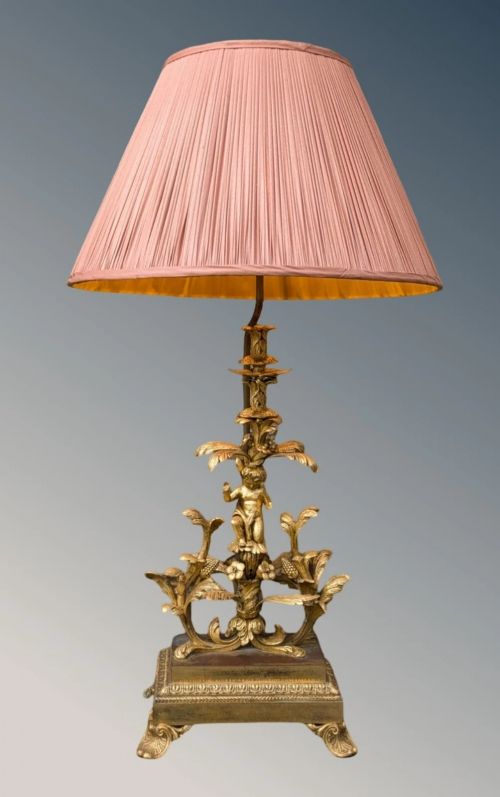
The objects combine utility with elaborate ornamentation, incorporating materials such as onyx, marble, opaline glass and gilt bronze to create striking focal points beside a bed.
Materials and construction methods
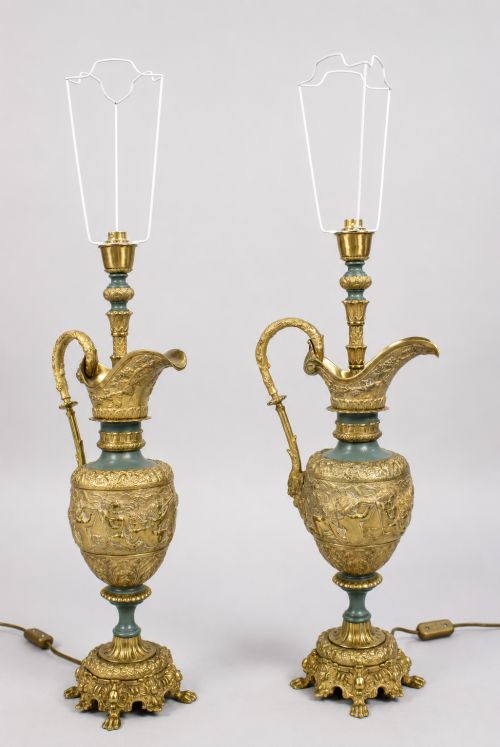
Maker workshops utilised cast and chased brass, gilt metal and ormolu alongside carved wood and inset porcelain plaques to build complex decorative surfaces. Metal components often feature applied gilding, while stone elements like onyx and marble provide weighty, textured bases.
Assembly techniques combine traditional cabinetmaking for wood forms with metal casting and mounting for the ornamental fixtures found across the periods.
Ornate Bedside Tables Retail Price Guide 2026
Typical asking prices for ornate bedside tables among the pieces listed under this phrase on Sellingantiques today, from the lower quarter to the upper quarter. They describe what is for sale here now, not the wider market.
Styles recorded in the inventory range from Victorian and Edwardian to French Neoclassical, Rococo Revival and Anglo-Indian.
Assessing quality in ornate pieces
Quality rests in the crispness of the casting, the depth of the gilding and the integration of materials like porcelain plaques and marble bases. Finer examples display meticulous hand-finishing on metal mounts and superior joinery on wooden carcasses.
The distinction between standard production and exceptional work lies in the handling of decorative details, where superior pieces maintain sharp relief and harmonious proportions.
Waring and Gillows·Howell James and Co·Thomas Cole
The Ornate Bedside Tables Glossary
- Ormolu
- Gilded bronze, typically achieved through a mercury-gilding process that produced a rich, deep lustre on nineteenth-century decorative metalwork.
- Pate sur pate
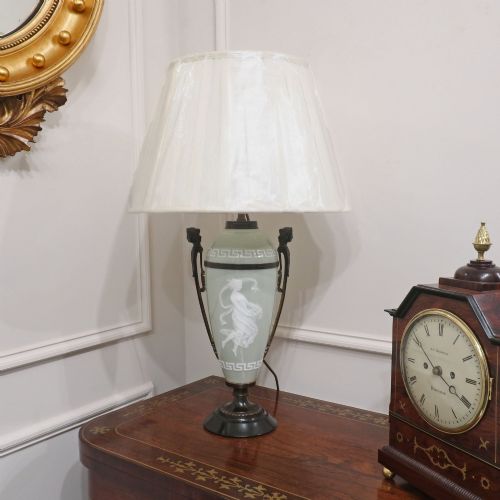
- A porcelain decoration technique where layers of white slip are built up on a coloured clay body to create a low-relief cameo effect.
- Spelter
- A zinc alloy frequently used as a cost-effective substitute for bronze in nineteenth-century decorative objects and lamps, often finished with a bronze-like coating.
- Onyx
- A banded variety of chalcedony utilised in Victorian and Edwardian bases and decorative mounts for its distinctive striped appearance.
- Neoclassical
- A style drawing inspiration from the classical art and architecture of ancient Greece and Rome, prominent in nineteenth-century furniture and lighting design.
Ornate Bedside Tables: Frequently Asked Questions
What periods do these pieces represent?
The selection spans the nineteenth century through the early twentieth century, taking in Victorian and Edwardian eras.
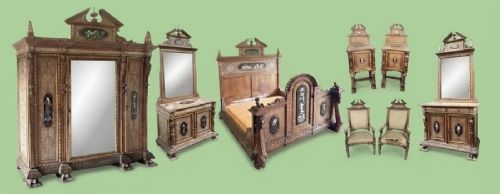
Stylistic influences reach back into French Neoclassical, Rococo Revival and Romanesque Revival traditions.
How do I care for gilt metal surfaces?
Dust gently with a soft, dry cloth to prevent accumulation without disturbing the finish.
Avoid chemical cleaners and abrasive cloths, which can strip away original gilding.
Are these items suitable for modern bedrooms?
Their compact scale and decorative presence suit various bedside arrangements as accent pieces.
They bring historical character and tactile materials into contemporary interior schemes.
What distinguishes French pieces from English ones?
French items frequently employ ormolu, bronze and elaborate porcelain plaques with pronounced Neoclassical or Rococo styling.
English equivalents often favour refined cabinet woods or brass work influenced by Victorian design trends.