


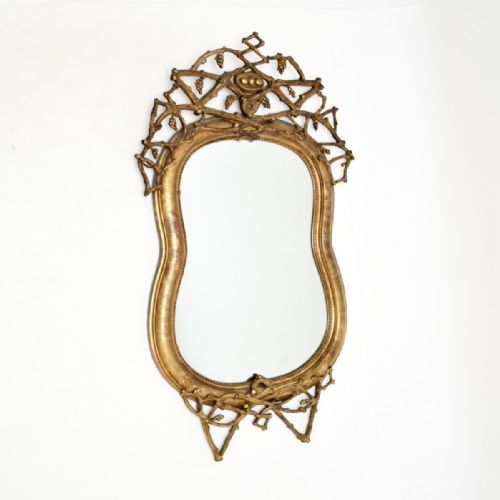
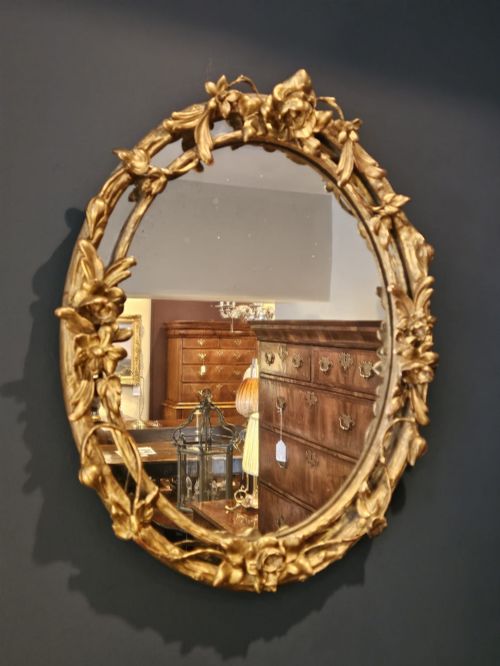

Ornate Accent Mirror
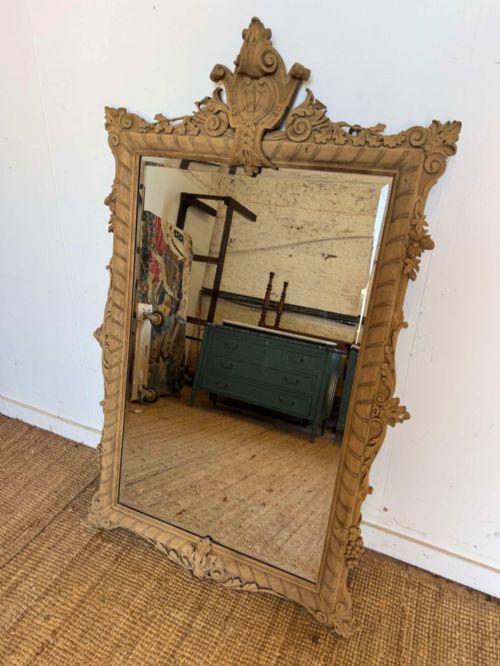
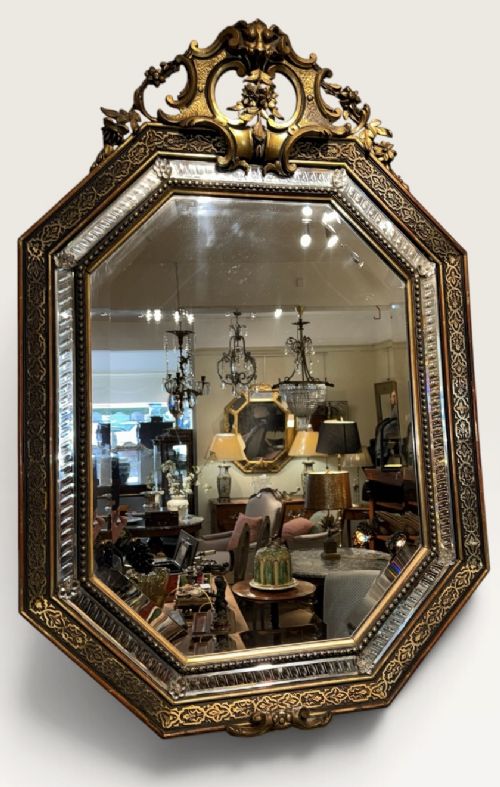
An ornate accent mirror brings historic design and reflected light to a room, drawing the eye with elaborate carved frames and gilded surfaces.
Ornate Accent Mirror
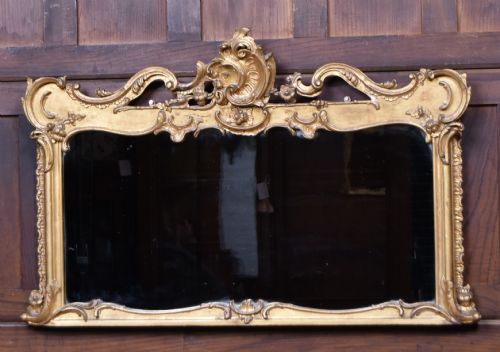
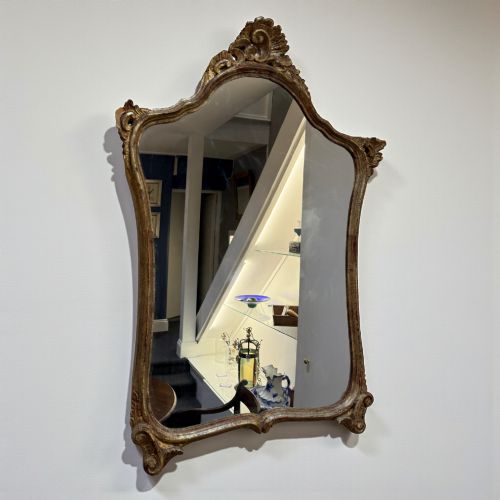
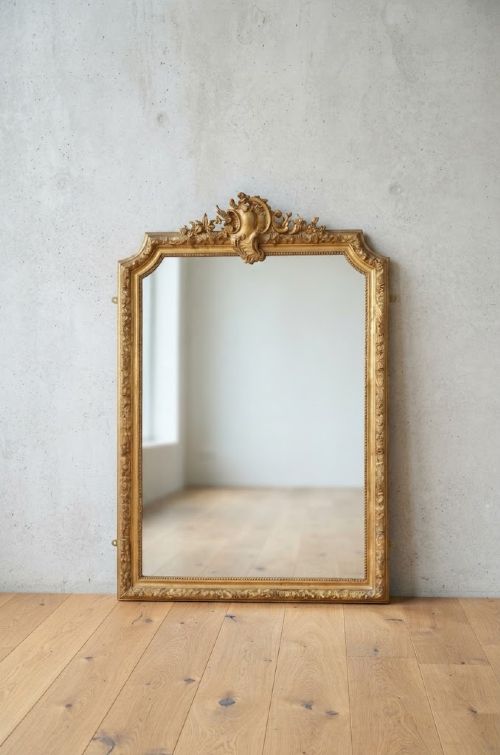
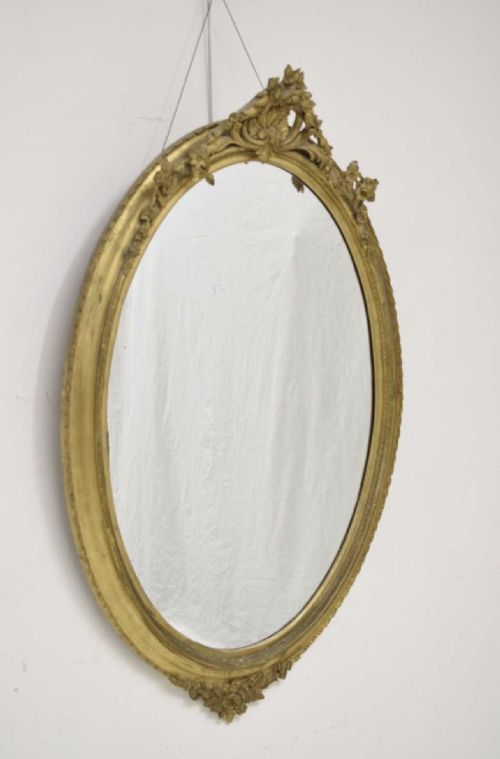
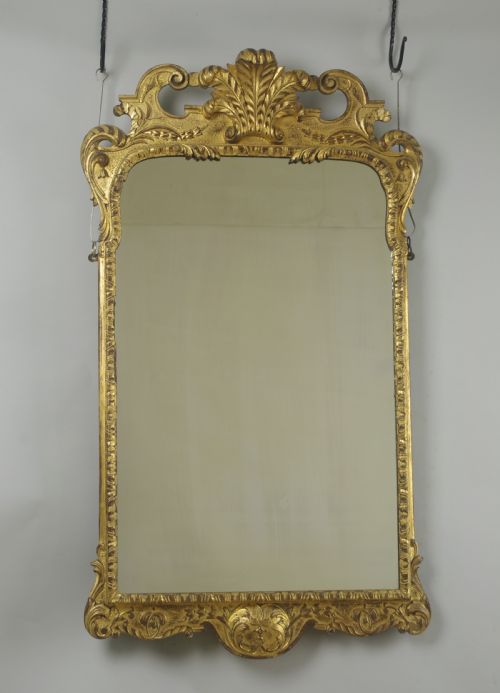
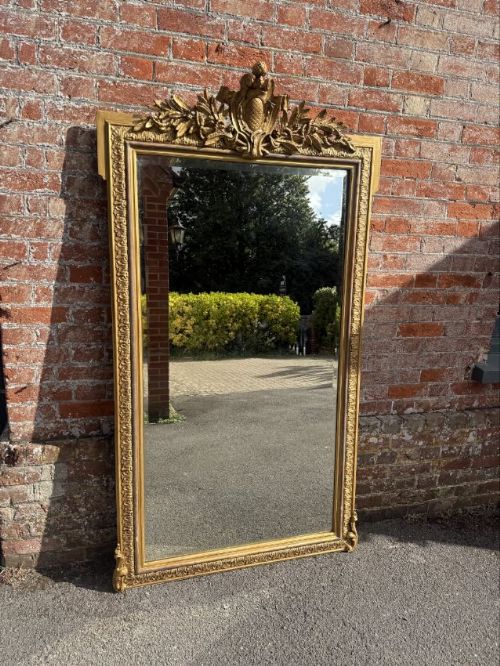
An ornate accent mirror functions as a decorative focal point in interior spaces, drawing upon centuries of European design traditions. When browsing for an ornate accent mirror, buyers encounter wall-hanging pieces, large overmantel formats, and smaller decorative items intended for specific architectural spaces.
The selections span the eighteenth, nineteenth, and early twentieth centuries, capturing periods when decorative wall furniture held significant artistic status. French, Italian, and English workshops dominate the origins of these pieces, bringing distinct regional interpretations to carved frames.
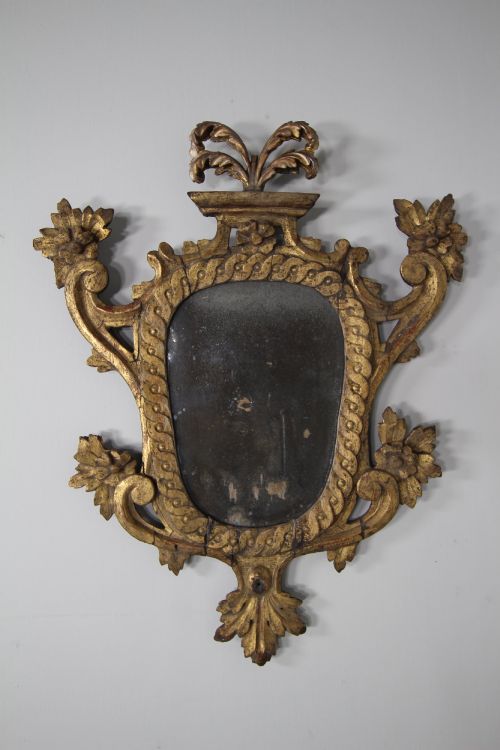
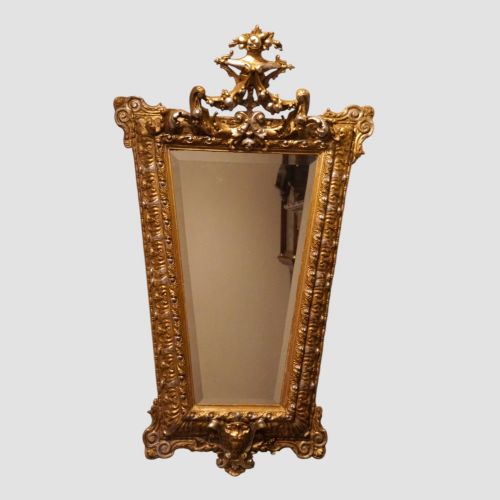
Revival styles heavily shape the selection, particularly Rococo, Baroque, and Louis XV or Louis XVI manners. These historical revivals dictate the extravagant scrollwork, foliate cresting, and symmetrical or cartouche forms seen across the current inventory.
Materials and construction techniques
Makers relied on solid timber substrates such as oak, walnut, and carved wood to build the foundational structure of the frames. Woodcarvers then applied layers of gesso, a plaster-like preparation mixture, to smooth the surface before adding fine details.
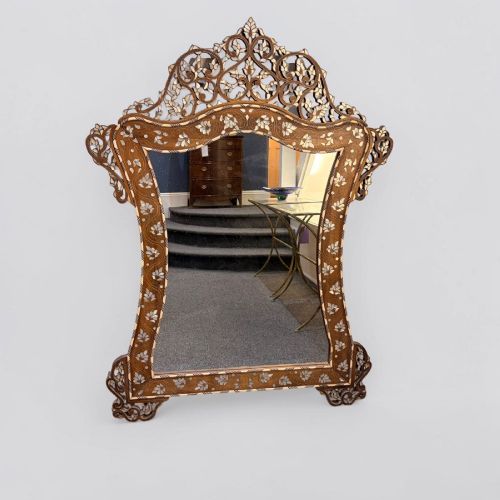
Giltwood and gold leaf finishes dominate the surface treatments, requiring delicate application over the prepared gesso grounds to achieve a brilliant metallic sheen. Silver-gilt, brass, and inlaid wood elements also appear, reflecting the diverse material preferences of nineteenth and early twentieth-century artisans.
Ornate Accent Mirror Retail Price Guide 2026
Typical asking prices for ornate accent mirror among the pieces listed under this phrase on Sellingantiques today, from the lower quarter to the upper quarter. They describe what is for sale here now, not the wider market.
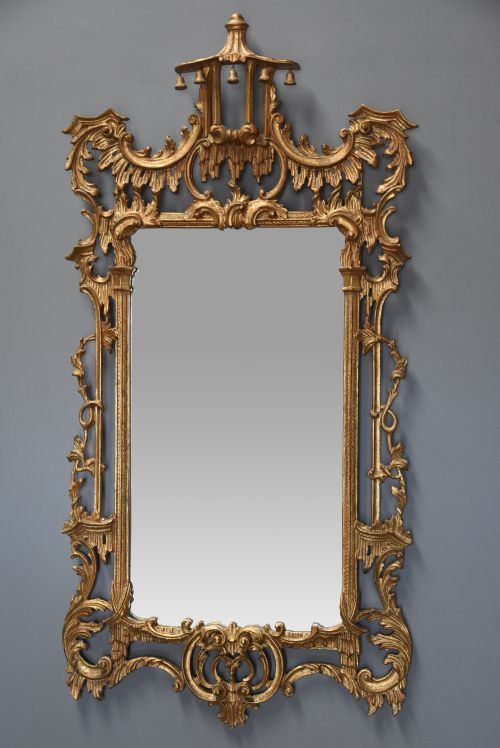
The inventory includes numerous regional interpretations, spanning Italian Florentine workshops, French Rococo revival designs, and Chinese Chippendale styles.
Distinguishing quality in decorative mirrors
Depth and precision in hand-carved wood separate superior examples from standard production pieces, as master carvers achieved greater dimensionality in foliage and scrolls. The crispness of the gesso mouldings underneath the gilding reveals the level of care taken during the initial preparation stages.
The handling of the reflective plate contributes significantly to the character of the object, with bevelled edges and engraved glass indicating higher craftsmanship. Integration between the original mirror plate and the frame also demonstrates whether the piece retains its unified historical integrity.
The Ornate Accent Mirror Glossary
- Giltwood
- Wood that has been coated with gold leaf or a gold-coloured metallic finish. This technique provides the luminous appearance characteristic of period frames.
- Gesso
- A mixture of binder mixed with chalk, gypsum, or pigment used to prepare wood surfaces for gilding or painting. It allows artisans to carve intricate relief details before applying gold leaf.
- Overmantel mirror
- A large mirror designed specifically to hang above a fireplace mantelpiece. These pieces often span significant horizontal proportions to anchor the room's main hearth.
- Cartouche
- An ornamental frame or tablet resembling a scroll or undressed parchment, often serving as the central motif in Rococo designs. It adds asymmetrical movement and sculptural depth to the mirror edge.
- Pier glass
- A tall mirror designed to be hung on the pier, the solid wall space situated between two windows. They maximise natural light reflection in period interiors.
Ornate Accent Mirror: Frequently Asked Questions
Where should an ornate accent mirror be hung?
These mirrors suit prominent vertical spaces such as above a fireplace, along a hallway, or facing a light source to brighten an interior.
Positioning the piece at eye level allows the carved details and gilded surfaces to be fully appreciated within the room's decorative scheme.
How do I identify a Rococo style mirror?
Rococo mirrors feature asymmetrical scrollwork, C-scrolls, and organic motifs such as leaves, shells, and floral cresting.
The overall aesthetic emphasises fluidity, lightness, and elaborate sculptural framing rather than strict architectural symmetry.
Are nineteenth-century mirrors heavy?
Many nineteenth-century examples possess substantial weight due to dense timber foundations, layered gesso, and thick glass plates.
Secure wall fixings and appropriate hardware are essential to support the considerable mass of large carved wood and giltwood frames safely.
What is the difference between giltwood and painted gold?
Giltwood involves the meticulous application of actual gold leaf or metal leaf over a prepared gesso and bole ground.
Painted gold uses metallic paint applied directly to the surface, lacking the deep, reflective warmth and historical patina associated with true gilding.